Location
Mount Vernon, WA 98274

Location
Mount Vernon, WA 98274
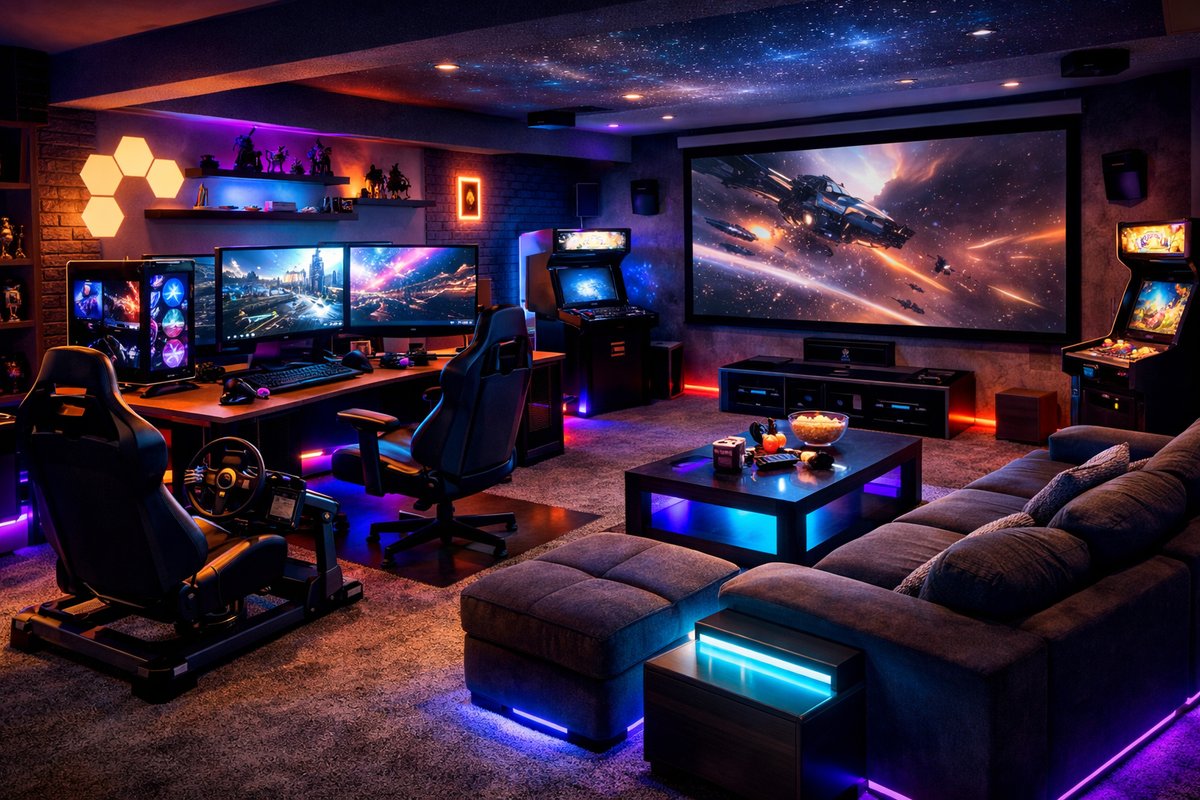
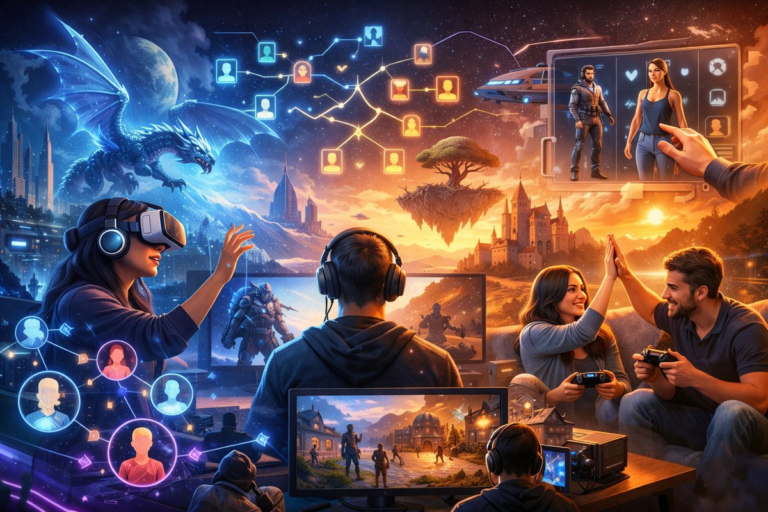
A wave of gamers and entertainment enthusiasts are transforming spare corners and basements into custom-designed play zones that blend immersive technology, adaptable furniture, and cinematic flair. As hardware becomes more affordable and modular, home setups are evolving into dynamic arenas that fuel both focus and fun.
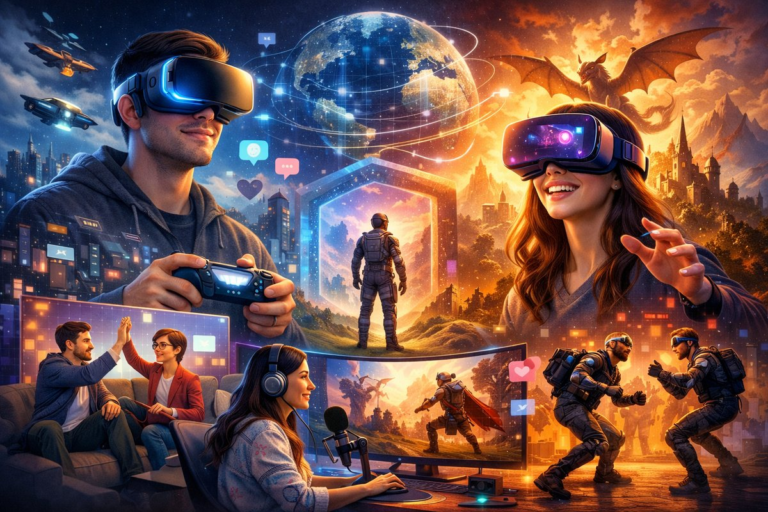
In living rooms, basements, and even vacant attics around the world, a subtle revolution is underway: the home gaming arena. Once confined to bulky consoles and single-purpose computer desks, modern play spaces are evolving into flexible, multiuse environments that combine cutting-edge interactivity with creature comforts and cinematic immersion. This movement isn’t just about flashy RGB lights or the latest VR headset-it reflects a broader shift toward modular design, sustainable materials, and emotionally intelligent community building that takes gaming from pastime to serious business.
Across North America and Europe, a recent survey of over 2,500 self-identified gamers revealed that 68 percent plan to upgrade or reconfigure dedicated gaming zones at home within the next six months. Driven by remote work blurring the lines between professional and personal space, as well as a steady stream of new hardware innovations, enthusiasts are carving out micro-arena layouts that support fast-paced multiplayer matches, extended single-player campaigns, and even hybrid activities such as live streaming or online art creation.
The heart of any modern home arena is its hardware ecosystem. Affordable all-in-one gaming PCs and compact desktop rigs now pack desktop-class graphics into chassis small enough to perch on a coffee table. Paired with ergonomic, height-adjustable desks, players can dial in the perfect posture whether they’re grinding ranked matches or diving into sprawling open worlds. Modular desk systems with detachable shelves and cable-management channels let builders swap out components, like extra storage or controller docks, on the fly.
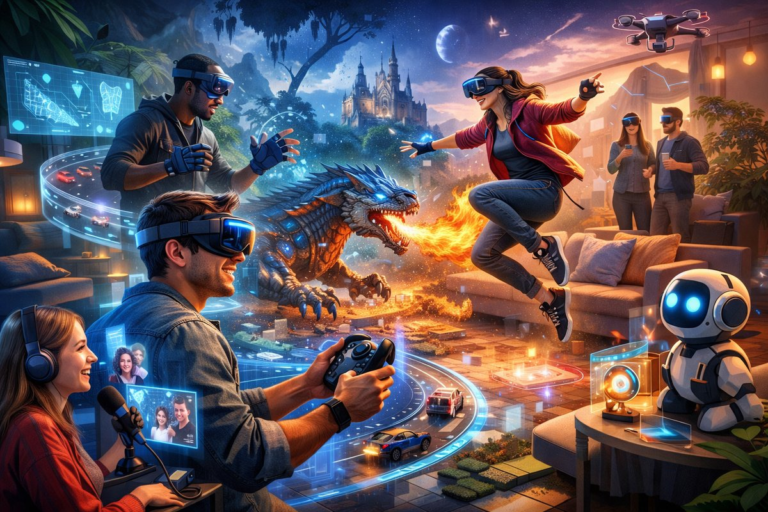
Meanwhile, the rapid evolution of virtual reality is lowering traditional barriers to immersive worlds. The latest standalone headsets offer wireless freedom and high-fidelity visuals, making room-scale play viable in apartments with minimal square footage. Dedicated VR floor mats and easy-setup boundary sensors enable users to map their living spaces in minutes. Premium motion controllers have become more precise and lighter than ever, inviting users to stab, throw, or gesture in worlds that respond in real time.
But hardware alone doesn’t create an arena. Lighting and acoustics play a surprisingly big role in performance and mood. Smart LED strip lighting systems, installed along shelves or behind monitors, allow dynamic color changes tied to in-game events or ambient playlists. Acoustic foam panels, arranged in geometric patterns on walls, dampen echoes during live streams while doubling as decorative art. Many setups integrate wireless speakers or soundbar units near seating zones, so cutscenes and voice chat remain rich without overwhelming neighbors.
Furniture is undergoing its own renaissance in these spaces. Gone are the days of one-size-fits-all office chairs. Adjustable gaming chairs now feature lumbar support that can be swapped out or fine-tuned for long sessions, and some even convert into semi-reclined loungers for movie nights. Compact modular sofas, configured in L-shapes or standalone pods, can pivot around a central display to host friends for co-op nights. Certain designs use recycled fabrics or plant-based foams to minimize environmental impact, reflecting a growing desire for sustainable interior solutions.
Designers and influencers are documenting these transformations on social platforms, sharing floor plans and component lists in collaborative online workspaces. A popular creator detailed how a 100-square-foot attic space became a dual-purpose studio for digital illustration by day and competitive gaming arena by night. Sliding panels reveal hidden storage for drawing tablets and art supplies, while under-desk mounts stow away extra controllers and headphone stands. A looped climbing rope installed on an adjacent beam doubles as both an exercise solution and an industrial-chic accent.
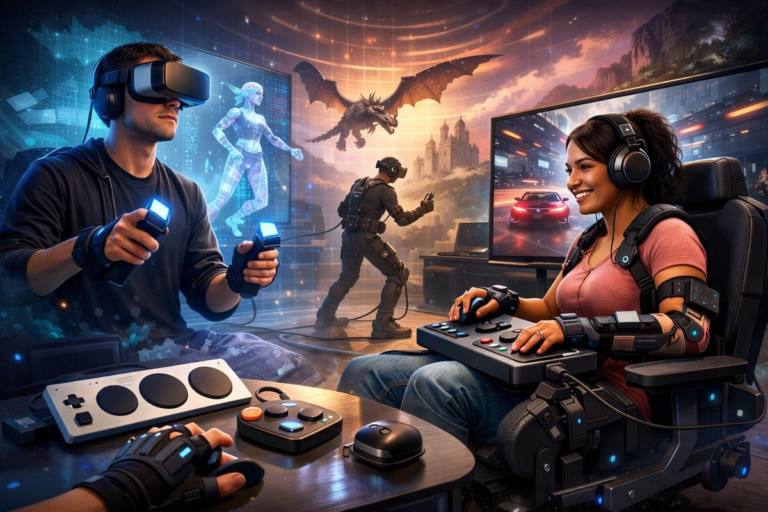
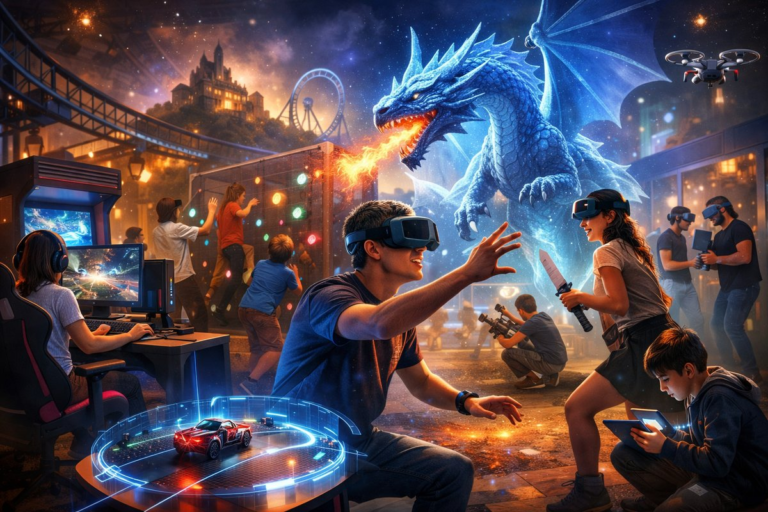
Beyond solo upgrades, local communities are experimenting with pop-up hybrid entertainment hubs. Vacant storefronts in urban neighborhoods are being repurposed for limited-run events that feature VR free-play sessions, retro arcade cabinets, live-stream shoutout walls, and indie game showcases. These events highlight the social heart of play, offering a counterpoint to solitary setups at home. Organizers emphasize accessibility by providing adjustable peripherals, closed captions for in-game dialogue, and sensory-friendly lighting modes.
The intersection of gaming and cinema is gaining traction, too. Dedicated home theaters are adding gaming-grade projectors and ultra-low-latency wireless controllers so that blockbuster titles can be experienced on massive screens. Households are investing in darkened pods with blackout curtains and surround-sound systems, where a single switch transforms a movie-viewing lounge into a console battlestation. For families, this versatility means that a single investment in a high-quality display and speaker array can satisfy both weekend film marathons and late-night raids.
Emotional well-being is a recurring theme in the evolution of these arenas. Mental health experts note that intentional space design-separating work, play, and rest zones-can mitigate screen fatigue and reduce stress. A growing number of setups include mindfulness corners with compact yoga mats, weighted blankets, or guided meditation apps on tablet stands. Headsets with integrated biofeedback sensors monitor heart rate, offering prompts to take breaks or switch to lower-intensity activities when pulse rates spike.
In professional e-sports, teams are investing in modular scrim rooms that replicate home environments with complete streaming gear and spectator zones. These micro-arenas help players practice under conditions that mirror both tournament stages and their personal setups, reducing performance anxiety when it matters most. Brands are forging partnerships with interior architects and ergonomic experts to offer end-to-end design consultations for aspiring pros.
Sustainability remains a guiding value. Many enthusiasts are retrofitting existing furniture rather than buying new, upcycling old desks with fresh paint or new hardware mounts. Energy-efficient power strips and smart plugs automate shutdown routines to prevent vampire power draw from idle consoles and chargers. Some communities even coordinate local e-waste drives, ensuring obsolete hardware gets recycled responsibly and components are harvested for DIY electronics projects.
Looking forward, artificial intelligence and cloud gaming promise to blur the lines between console, PC, and mobile. As edge computing nodes roll out in more cities, latency-sensitive titles will run on minimal hardware, shifting the focus of home arenas from raw processing power to environmental design and personal comfort. Voice-activated assistants will integrate deeper into gaming ecosystems, launching sessions hands-free and customizing lighting and audio profiles based on player biometrics.
Yet amid all this innovation, the core appeal endures: play is a form of exploration, connection, and self-expression. Whether it’s orchestrating a surprise raid on friends, curating an at-home movie festival, or simply finding a corner to unwind with a VR meditation journey, these modular arenas are extensions of identity. They reflect individual style, community values, and a desire for spaces that adapt as swiftly as the games themselves.
Designing or upgrading a home gaming arena doesn’t require a mansion or a limitless budget. With a focus on modular components, sustainable practices, and emotional well-being, anyone can craft a zone that elevates both productivity and play. As technology continues to compact and improve, these living-room battlestations and mini theaters will only grow more versatile-and more personal. The next time you power on your console or slip on a headset, take a moment to imagine how your space can evolve alongside your passions. After all, the most epic arenas are built one thoughtful upgrade at a time.