Location
Mount Vernon, WA 98274

Location
Mount Vernon, WA 98274
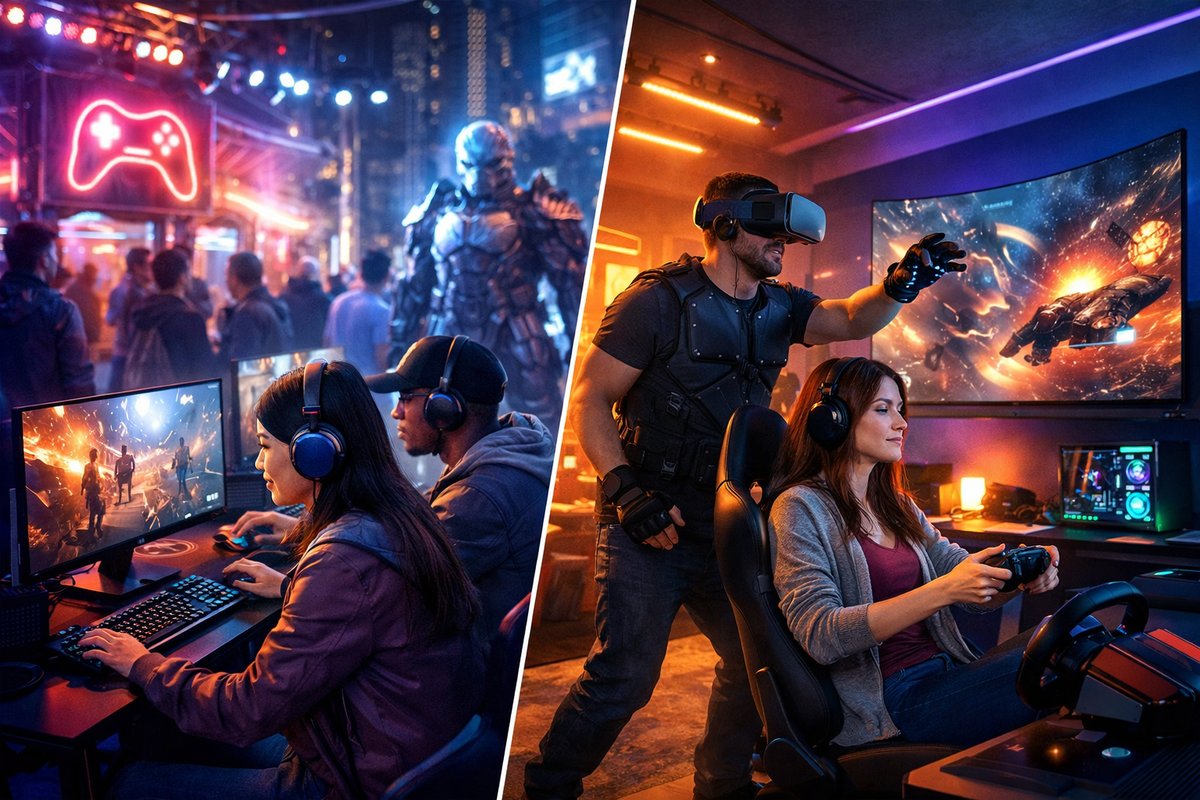
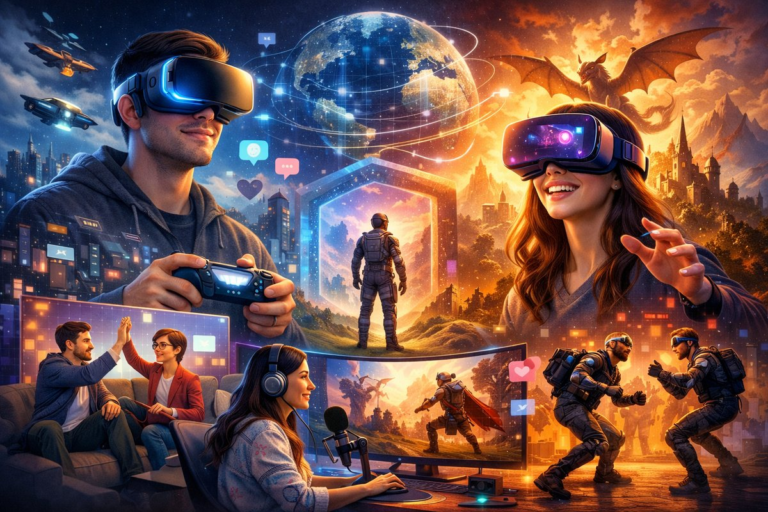
From city-center gaming pop-ups to high-tech home arenas, immersive play is evolving at breakneck speed. Discover how community-driven events and cutting-edge gear are transforming game nights into multisensory experiences.
Cities around the world are embracing a fresh wave of interactive entertainment, weaving together local gatherings, live events, and high-tech home setups. Once reserved for dedicated arcades or big-budget expos, immersive play now pops up in neighborhood libraries, art galleries, and even vacant storefronts. These temporary arenas curate everything from retro console battles to VR escape rooms, drawing in both veteran gamers and curious newcomers.
In Chicago, a former warehouse was transformed into a sprawling interactive playground for one weekend, complete with directional speakers that created invisible sound zones for each game station. Nearby, a community center hosted a series of after-hours “twitch-and-paint” sessions, where painters followed livestreamed artists as they recreated fan art for beloved game worlds. By the end of the night, the space doubled as an art show and a LAN party.
Small-scale pop-up events like these speak to a broader trend: localization of large conventions. Instead of one sprawling expo, cities host multiple micro-gatherings tailored to local tastes. A VR dojo in Brooklyn focuses on narrative adventures and meditation-style experiences. In Portland, a modular tabletop village invites participants to craft their own board game modules using communal art supplies. These events rely on shared curation, where attendees vote on the next game demo or ambient playlist.
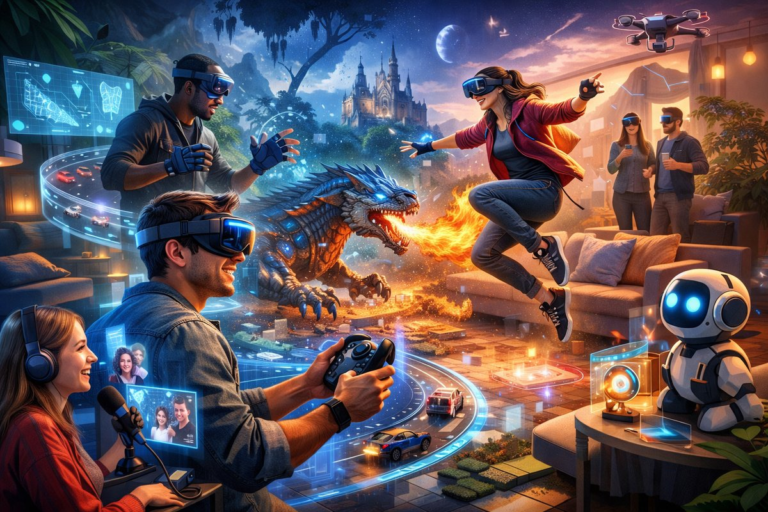
The hybrid model extends into the home, where streaming hardware and modular furniture are turning living rooms into custom arenas. Multi-zone directional speakers carve out private audio lanes for players sharing the same room. LED strip lighting syncs with on-screen action, bathing walls in the glow of a magical forest or the neon hues of a cyberpunk skyline. Reclining haptic chairs deliver subtle rumble feedback, transporting gamers into the driver’s seat of a space cruiser or rally car.
DIY enthusiasts have seized on modular shelving and portable walls to create dynamic stage-like environments. One enterprising streamer built a floating wall of plants illuminated by color-shift bulbs that change tone depending on in-game weather. Another installed snap-together acoustic panels, not just for better sound, but also as a rotating gallery of fan-made game art. The result: setups that blur the boundary between digital and physical, all without requiring an architectural overhaul.
On the software side, interactive overlays are making family movie nights more engaging. Viewers can vote on alternate endings or unlock behind-the-scenes clips in real time. Streaming rental platforms are experimenting with synced group mode features, letting friends in different cities trigger themed light cues in each other’s homes. Imagine halfway through a thriller, your lights flicker in unison and the soundbar pulses as the villain approaches.
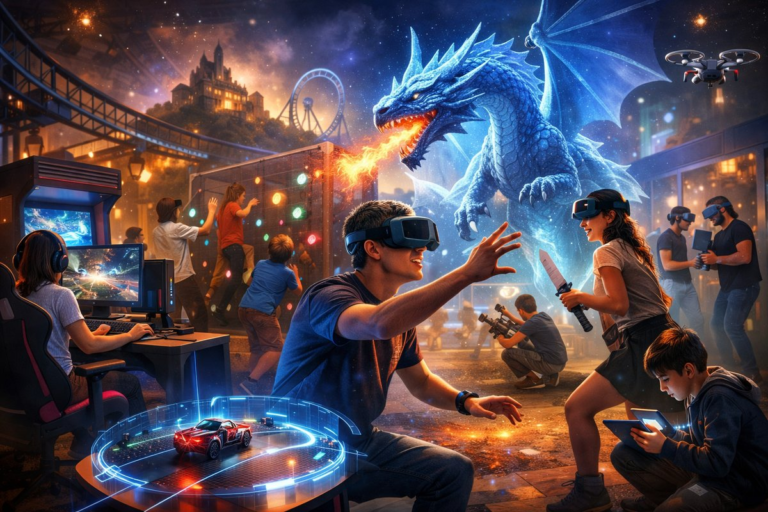
Esports is also reshaping local theaters and community halls. Rather than staging matches in massive arenas, tournament organizers are contracting neighborhood cinemas. Spectators watch on giant screens while commentators broadcast through wireless headsets. Attendees rotate between VR demo pods, tabletop lounges, and retro console corners. Food trucks parked outside serve fan-themed snacks, from pixel-shaped cookies to energy drink slushies.
These decentralized events aren’t just about spectacle; they foster grassroots networks. Local designers pitch indie games to a live audience, then use feedback cards to refine mechanics. Cosplay mentors host mini-workshops on budget-friendly costume hacks. Even coding clubs find a place, with members livestreaming live-code sessions on stage as part of late-night hacking marathons.
The consumer electronics market is responding in kind, offering purpose-built solutions for tiny studios and living-room arenas alike. Compact 4K projectors with low latency are priced on par with midrange monitors, making cinematic gaming more affordable. Wireless beamforming speakers now slip into decorative fixtures, so you can hide a high-quality 3D audio setup inside a sculptural floor lamp. Universal snap-on mic mounts let streamers clip high-sensitivity condensers to almost any surface, from desk edges to bookshelves.
But beyond hardware, this wave is fueled by community values. Sustainability is baked into many pop-ups, which reuse decor from one city to the next. In Berlin, a recent event offered a swap-and-share shelf where visitors traded used controllers, Steam keys, even old VR headsets. Organizers encouraged bagless energy, providing on-site recycling stations for e-waste and craft-market-style stands selling reclaimed wood stands and upcycled cable organizers.
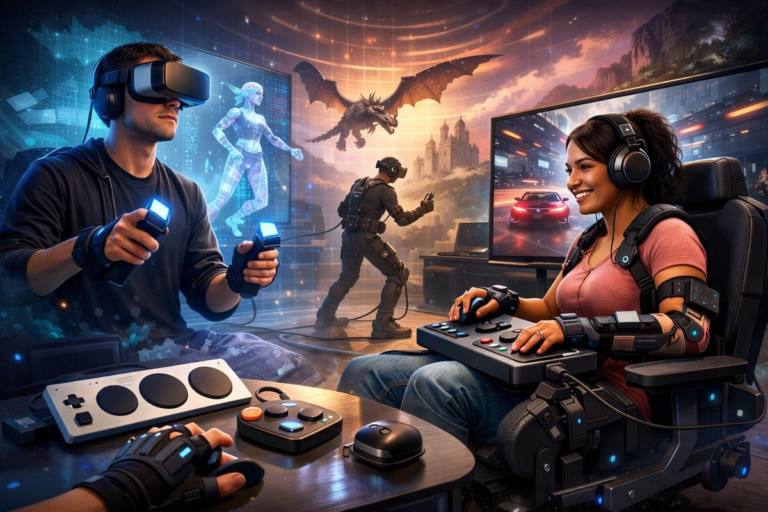
Emotional intelligence has become a watchword for designers. VR experiences now include guided breathing breaks and soft ambient scores to prevent sensory overload. Game cafes layer in quiet zones and communal tables where newcomers can ask questions. Friendly AI assistants greet attendees through kiosks, offering tips on accessibility settings or suggesting beginner-friendly demos.
This era of decentralized, modular entertainment blurs the line between audience and creator. Whether it’s a one-week warehouse takeover or a weekend movie marathon in your backyard, the focus is on hands-on participation and shared experience. And behind every LED glow and directional whisper is a community eager to craft the next chapter of play. As these trends converge, the future of gaming and entertainment looks less like a broadcast and more like a living tapestry-woven by players themselves.