Location
Mount Vernon, WA 98274

Location
Mount Vernon, WA 98274
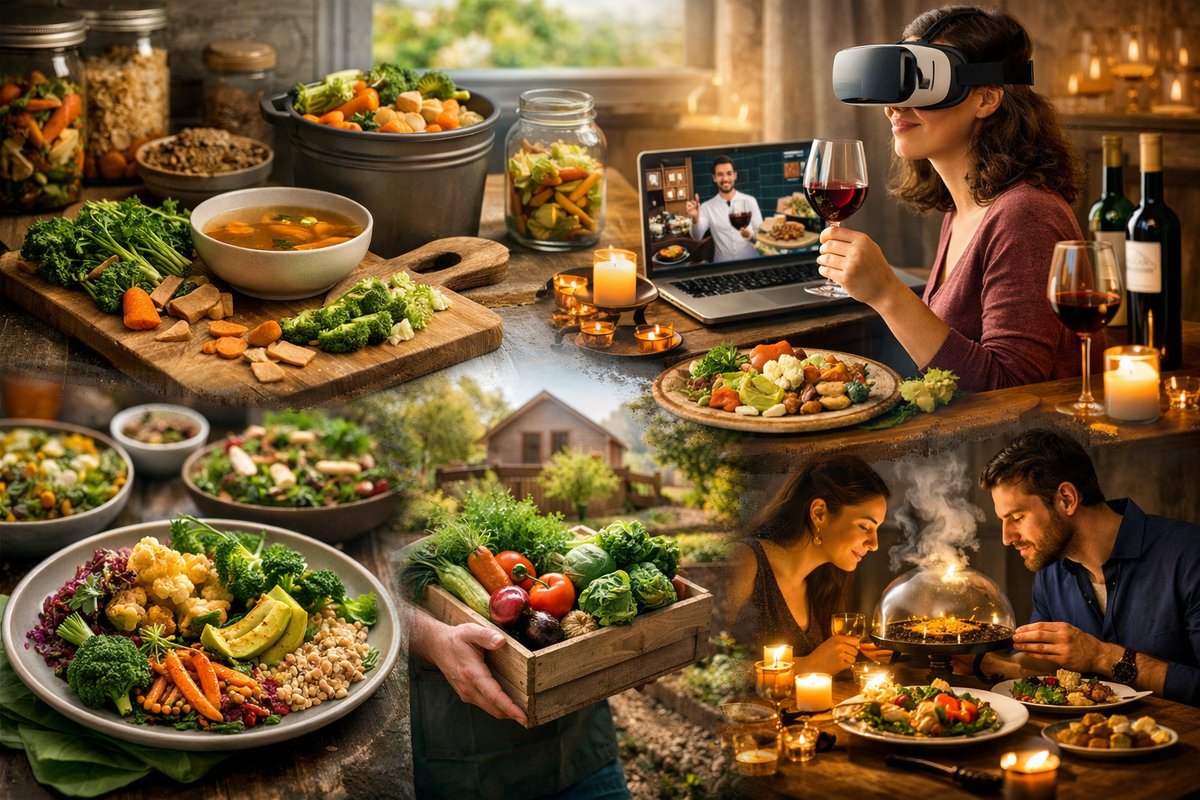
From root-to-stem strategies to immersive virtual tastings, today's culinary landscape is a tapestry of eco-conscious practices and digital creativity. Discover five key trends-zero-waste kitchens, plant-forward menus, digital dining experiences, micro-production sourcing and sensory-focused feasting-that are reshaping how we eat, connect and celebrate culture around the table.
Food has always been a mirror for society’s values, but today the reflection is sharper than ever. Sustainability, community and innovation converge on our plates as home cooks, chefs and food entrepreneurs rethink every step of the journey from farm or lab to fork. What began as a handful of niche experiments has blossomed into mainstream movements, propelled by greater awareness of environmental impact, a surge in accessible technology and a craving for genuine cultural connection. Across kitchens both professional and domestic, we’re witnessing an era defined by creative resourcefulness, digital fluency and a renewed sense of joy in every bite.
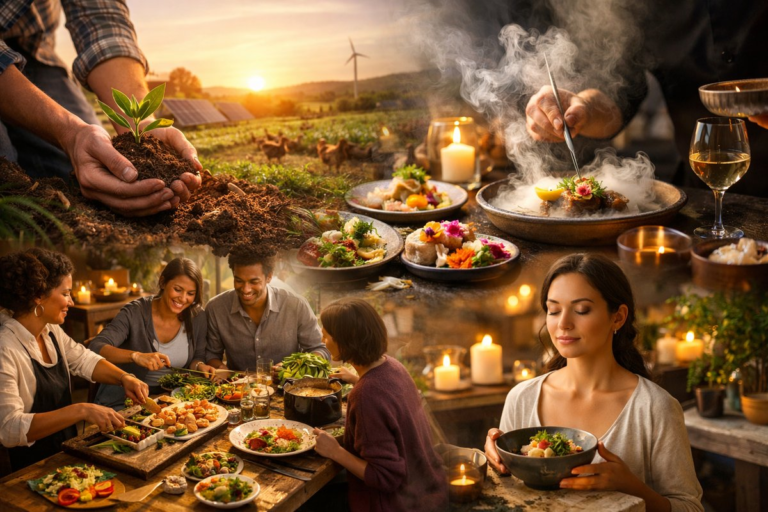
Zero-waste cooking has evolved from a trendy hashtag into a guiding principle for kitchens of all sizes. Root-to-stem menus and nose-to-tail butchery champion the idea that every element of an ingredient carries flavor and purpose. Scraps once destined for the bin-cabbage cores, broccoli leaves, citrus peels-are being transformed into broths, pestos, candied garnishes and infused oils. Composting has become a matter of pride, with stylish stainless steel bins quietly reducing household waste. Restaurants partner with local farms to upcycle spent grains into artisan bread or nutritious compost, creating closed-loop systems that benefit both growers and diners. According to a recent consumer survey, nearly 70 percent of diners now look for restaurants that advertise waste-reduction practices. That demand is pushing more suppliers and operators to innovate on packaging, portion sizes and ingredient sourcing.
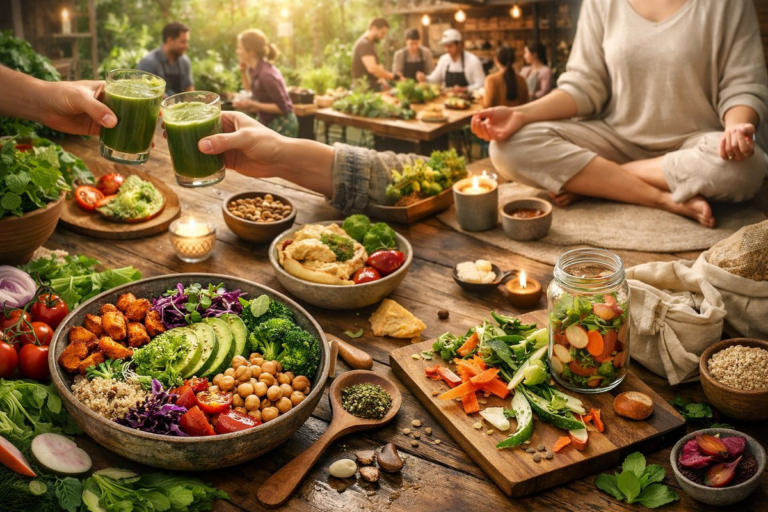
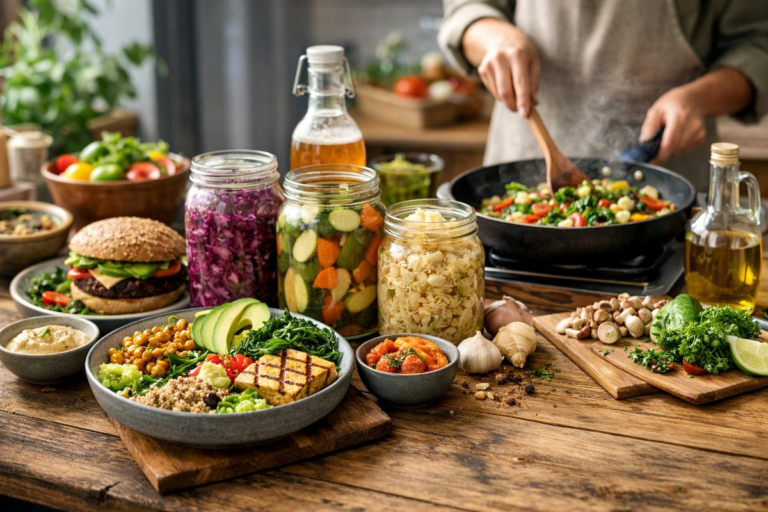
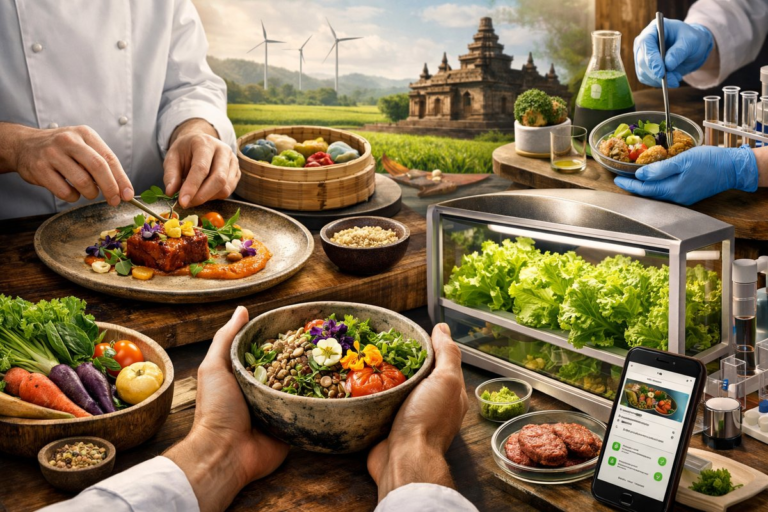
Plant-based cuisine has leaped beyond basic salad bowls into a new realm of texture, flavor and creativity. Advances in mycelium-based meat alternatives, high-protein pulses and algae-derived ingredients are offering chefs and home cooks more tools to satisfy omnivorous palates. The result is dishes that honor traditional cooking techniques while showcasing the best of modern food science. Expect to see hearty ragùs made from lentils and mushrooms, hyper-creamy dairy-free cheeses, and desserts sweetened with fruit concentrates rather than refined sugar. Local specialty stores now stock a dazzling array of vegan slow-cook sauces, fermented legume condiments and even seaweed snacks that bring a coastal umami punch. As health-minded consumers continue to prioritize plant-forward meals-one study shows a 45 percent uptick in weekly meatless dinners-retailers and restaurants alike are racing to keep pace with abundant new offerings.
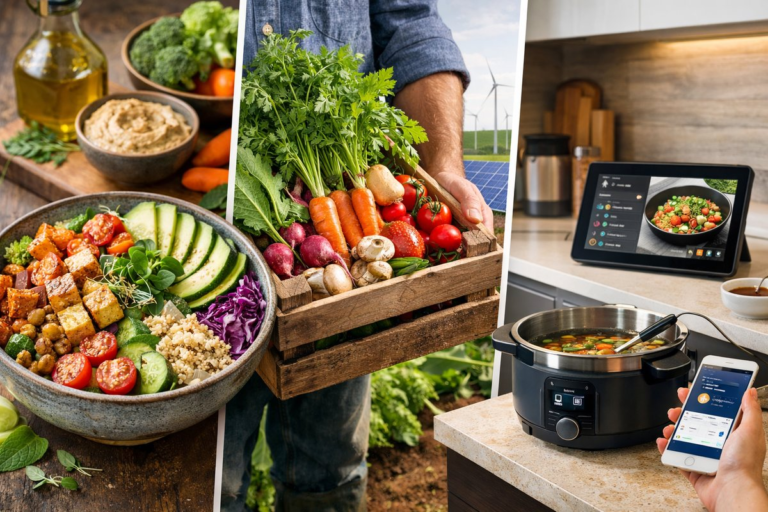
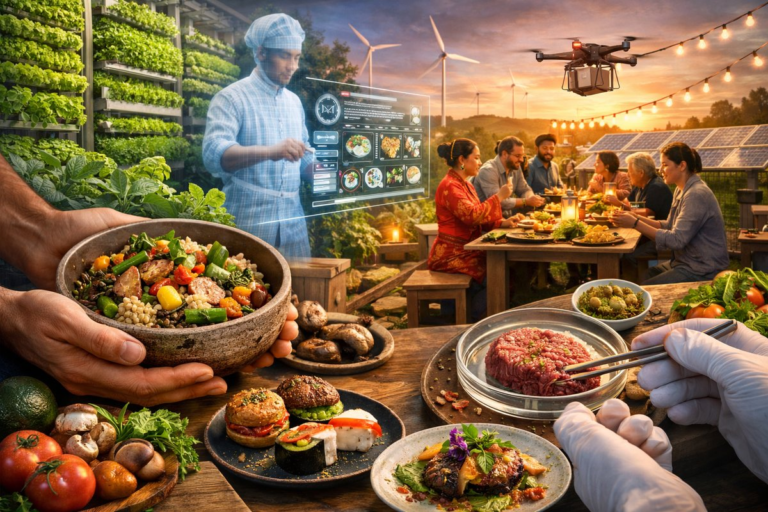
The rise of digital dining experiences has been nothing short of meteoric. Virtual cooking classes led by international culinary educators allow aspiring chefs to learn ramen techniques from Tokyo, pasta shaping from Rome or spice layering from Marrakech without leaving home. Augmented reality menus overlay dish photos with ingredient origin stories and pairing suggestions, accessible through a quick scan on a smartphone. Chefs host live-streamed tasting events, sending curated ingredient kits to participants so everyone can sip, taste and comment in real time. Ghost kitchens leverage data analytics to forecast local demand and optimize delivery menus, reducing overhead while offering diners an ever-changing roster of global flavors. Even brick-and-mortar venues are experimenting with multi-sensory installations-projection mapping and ambient soundscapes create immersive environments that heighten every savory mouthful or sweet note.
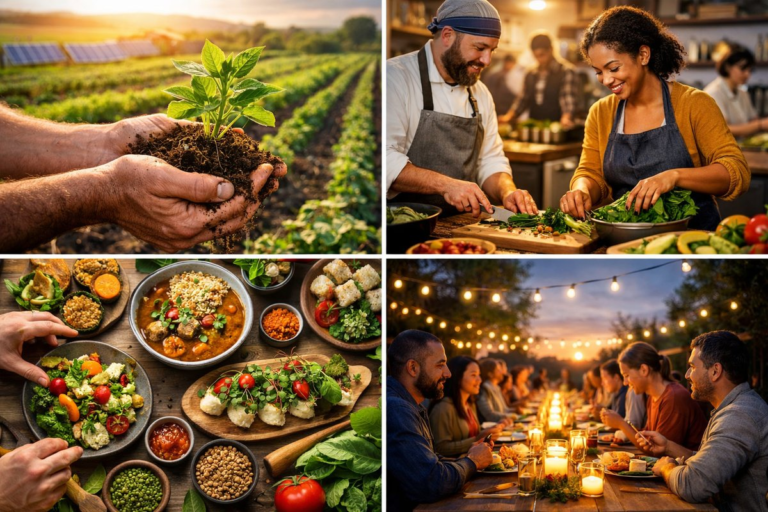
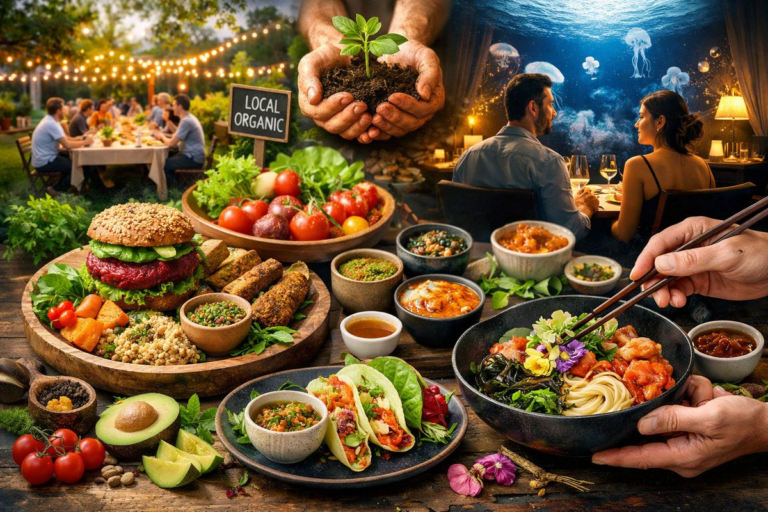
At the same time, micro-production and hyper-local sourcing are reawakening communities to the beauty of seasonality and place. Urban rooftop gardens supply city restaurants with crisp microgreens, edible flowers and heirloom herbs. Backyard apiaries are back in vogue, with amateur beekeepers harvesting small-batch honeys that reflect the unique floral profile of their neighborhood. Dairy co-ops partner with artisans to produce tiny wheels of unpasteurized cheese, sold directly at farmers markets alongside sourdough loaves made from locally milled grains. Consumer interest in traceability has swelled-over 60 percent of shoppers say they want to know exactly which farm or producer grew their food. In response, mobile apps and QR codes on packaging tell the story of each ingredient’s journey, fostering transparency and trust between farms and families.
Sensory-centric dining experiences are also pushing the boundaries of taste by engaging sight, sound, touch and even scent. Chefs design dishes as edible art installations, using molecular gastronomy to create foams, gels and deconstructed textures that surprise and delight. The pairing of mood music or nature soundscapes with specific courses amplifies flavor perception, while custom lighting shifts color tones to accentuate the visual appeal of each plate. Scent diffusers release subtle floral or woodsy notes that complement ingredient profiles, taking concept dinners to another dimension. Experimental pop-ups might seat guests in handcrafted booths that block out external noise, channeling total focus on aroma and texture. These multi-layered experiences cater to diners seeking more than just nourishment-they seek a narrative and a memory that lingers long after the meal ends.
As we look ahead, the common thread weaving through all these trends is an eagerness to connect-whether to our planet, to our communities or to our own senses. Kitchens are transforming into laboratories of possibility, where sustainability meets storytelling and technology enhances tradition. From repurposed peels simmering on the stove to holographic plating presentations, every choice carries meaning. By embracing a holistic approach to food-from how it’s grown, to how it’s shared-we cultivate not just healthier plates but stronger bonds with the earth and each other. In a world that often feels divided, the simple act of breaking bread has never been more powerful or inspiring.