Location
Mount Vernon, WA 98274

Location
Mount Vernon, WA 98274
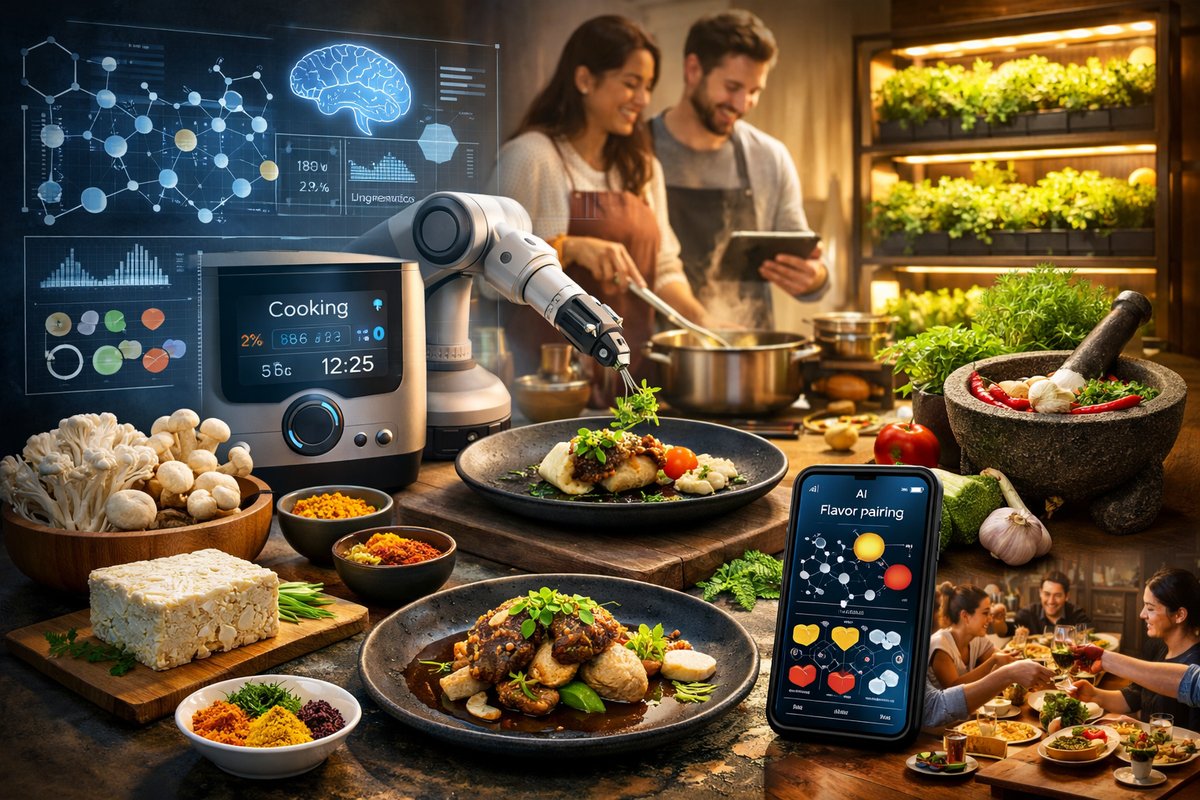
Across kitchens large and small, an unprecedented fusion of heritage flavors and cutting-edge technology is transforming how we cook, eat and connect. From mycelium-based ingredients to AI-driven flavor pairing, these trends promise to make meals more sustainable, sensorial and community-focused.
Across restaurants, test kitchens and home pantries alike, food is no longer just fuel-it’s a dynamic playground where ancient techniques meet digital precision. In recent seasons, consumers and chefs have embraced a wave of innovations that honor traditions while adopting high-tech solutions. Whether driven by environmental concerns, wellness ambitions or a desire for more immersive dining, these culinary currents are reshaping tables around the world.
One of the most compelling developments is the rise of mycelium-based proteins. Fungal root networks, when cultivated under controlled conditions, can be transformed into textures remarkably similar to meat, while requiring far fewer resources. Chefs are integrating mycelium patties, nuggets and even charcuterie into menus, offering diners a savory, umami-rich experience. According to a recent market analysis, the global mycelium protein sector is on track to grow by double digits annually, as sustainability-minded brands and institutional buyers invest in scalable fermentation facilities.
Another frontier is edible packaging and zero-waste design. Inspired by seaweed wrappers and starch-based films, innovators have introduced compostable pouches and edible coatings that extend shelf life without plastic. Grocery stores are trialing bulk sections where shoppers refill containers, and restaurants are wrapping takeout in seaweed-based wraps that dissolve harmlessly. This trend isn’t just eco-friendly-it taps into a deeper cultural shift toward mindfulness around consumption and waste.
Meanwhile, the dining experience itself is becoming increasingly multisensory. Restaurants are experimenting with soundscapes, lighting effects and even scent diffusers to enhance flavor perception. In one immersive pop-up, diners tasted a citrusy sorbet while ocean sounds played through hidden speakers, amplifying the fruit’s bracing acidity. As neuroscientists uncover more about how our senses interact, expect to see more menus designed as full-bodied experiences rather than isolated dishes.
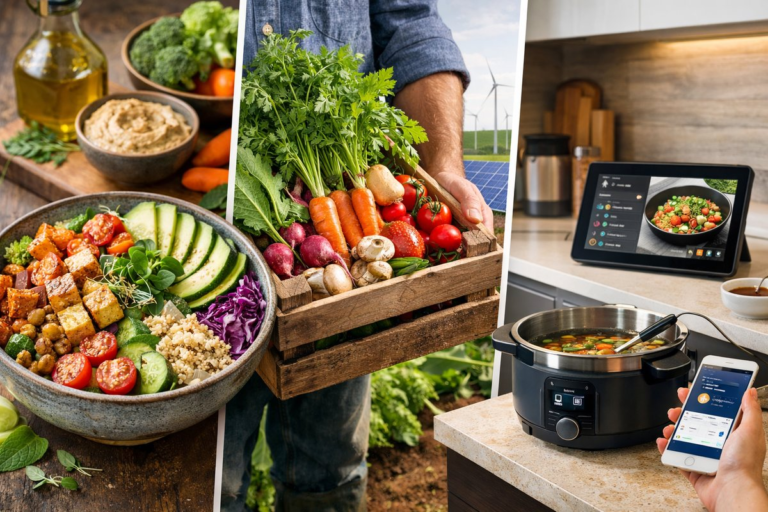
Artificial intelligence is also making its mark on the kitchen. Flavor-pairing algorithms, trained on chemical compound databases, now suggest unexpected combinations-like chocolate and blue cheese or watermelon with black pepper-that surprise and delight. Some apps let home cooks scan ingredients and receive recipe adaptations on the fly, taking into account dietary preferences and local availability. Professional kitchens, too, are deploying AI to forecast demand, reduce spoilage and even optimize cooking temperatures for consistent results.
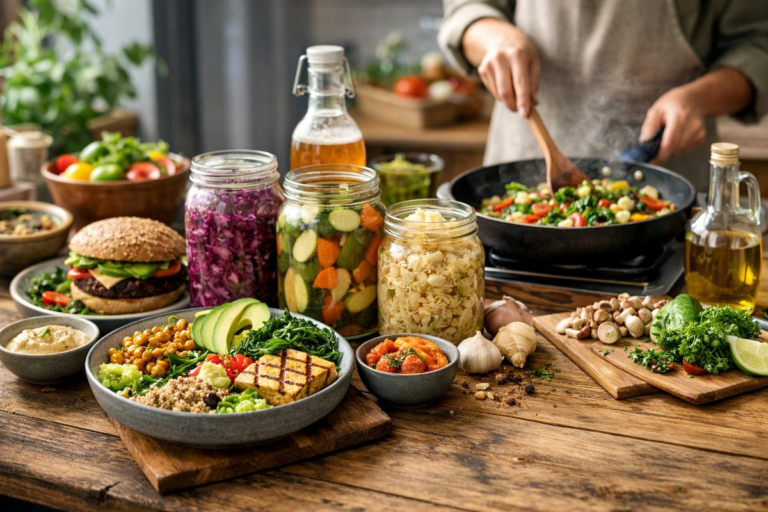
At the same time, home fermentation continues its renaissance. Between sourdough starters, kimchi crock pots and probiotic-rich kombucha brewers, cooking enthusiasts are finding joy in slow food rituals. Fermentation kits with customizable weights and airlocks make the process foolproof, empowering novices to craft everything from tangy pickles to hearty miso. As fermenting grows more mainstream, it provides a practical path to preserve seasonal produce, enhance gut health and connect with time-honored culinary traditions.
Meanwhile, the proliferation of cloud kitchens-delivery-only operations with minimal front-of-house-has accelerated access to diverse cuisines. These lean facilities, often housed in converted warehouses, serve everything from crowd-pleasing tacos to niche regional specialties. With streamlined menus and dynamic pricing, cloud kitchens leverage real-time data to adjust offerings and delivery zones. For consumers, it means more variety at lower cost; for local entrepreneurs, a lower barrier to launch a food concept.
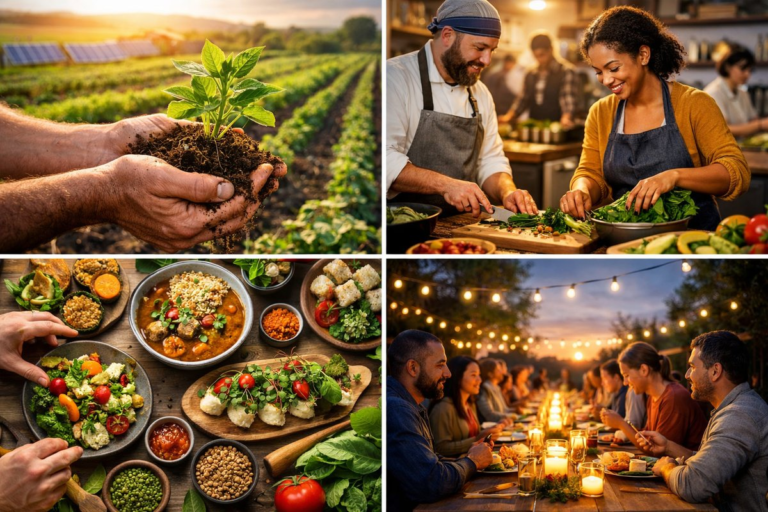
Beyond land-based innovation, aquaponics and seaweed microfarms are bringing the ocean’s bounty closer to consumers. Compact aquaponic units let home cooks grow greens and raise fish in a recirculating system, while community-led seaweed plots supply restaurants with sustainable umami. This hyper-local approach reduces transport emissions and fosters a deeper appreciation for aquatic ecosystems. As urban agriculture evolves, we may soon see tidepool-to-table menus celebrating algae, kelp and salt-tolerant greens.
While cutting-edge tech captures headlines, there’s also a renewed passion for ancient grains. Teff, millet and spelt, once sidelined by industrial wheat, are finding new life in artisanal breads, nutrient-dense porridges and global fusion dishes. Farmers’ markets now teem with heirloom varieties, and online workshops teach bakers to work with these flours’ unique hydration and fermentation properties. This revival not only diversifies diets but also supports small-scale growers and agricultural biodiversity.
Digital platforms have amplified these trends, forging global communities of food lovers. Recipe-sharing apps with built-in video tutorials allow cooks from different continents to swap techniques in real time. Social channels spotlight unconventional ingredients-like banana flower burgers or coffee cherry tea-and turn them into viral sensations. These networks democratize culinary knowledge but also raise questions about cultural appropriation, prompting deeper conversations about respect and acknowledgment in shared food heritage.
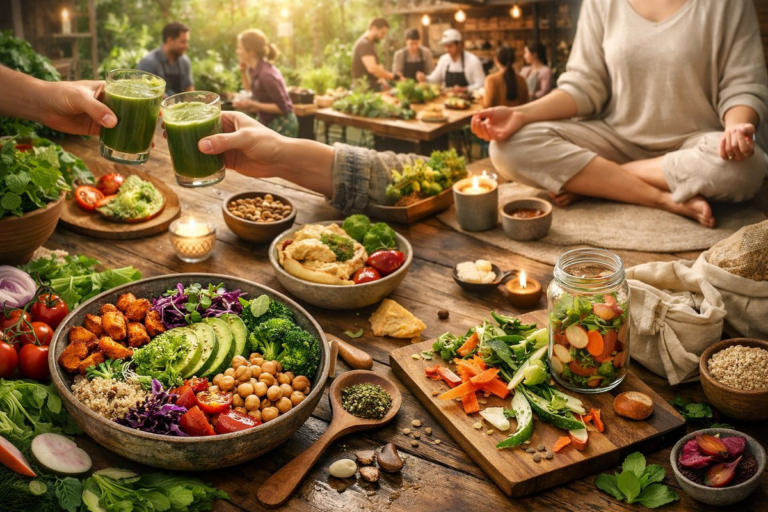
Cooking is also being reframed as a therapeutic practice. Wellness retreats now include “sound healing” dinners and mindful plating workshops, emphasizing the act of preparation as meditation. Psychologists note that repetitive tasks-kneading dough, chopping vegetables-can reduce stress and boost mood. In busy households and corporate wellness programs alike, group cooking sessions foster connection, reminding participants that food is as much about community as nutrition.
On the supply side, traceability and sustainability metrics are gaining traction. Blockchain-based systems track produce from seed to plate, ensuring origins and certifications are transparent. Ethical seafood labels, regenerative agriculture scores and carbon footprint calculators are increasingly displayed on menus and grocery apps. Though adoption is still patchy, consumer demand is pushing brands and restaurateurs to invest in verifiable claims, shifting accountability back into the hands of eaters.
Of course, challenges persist. High-tech solutions can be costly, and fast-evolving trends risk excluding those with limited resources. Supply chain disruptions remind us that global systems remain fragile, and some specialty ingredients see seasonal shortages. Yet as more stakeholders-from urban planners to policymakers-prioritize food equity, there’s hope that innovation will be inclusive rather than exclusive.
Looking ahead, the convergence of tradition and technology promises ever more inventive ways to experience food. Whether we’re savoring a lab-grown seafood dish, experimenting with a new fermentation gadget or sharing a virtual cooking class with a distant friend, the fundamental joy of nourishment and connection remains constant. In this era of culinary creativity, every meal has the potential to tell a story of place, purpose and possibility.