Location
Mount Vernon, WA 98274

Location
Mount Vernon, WA 98274
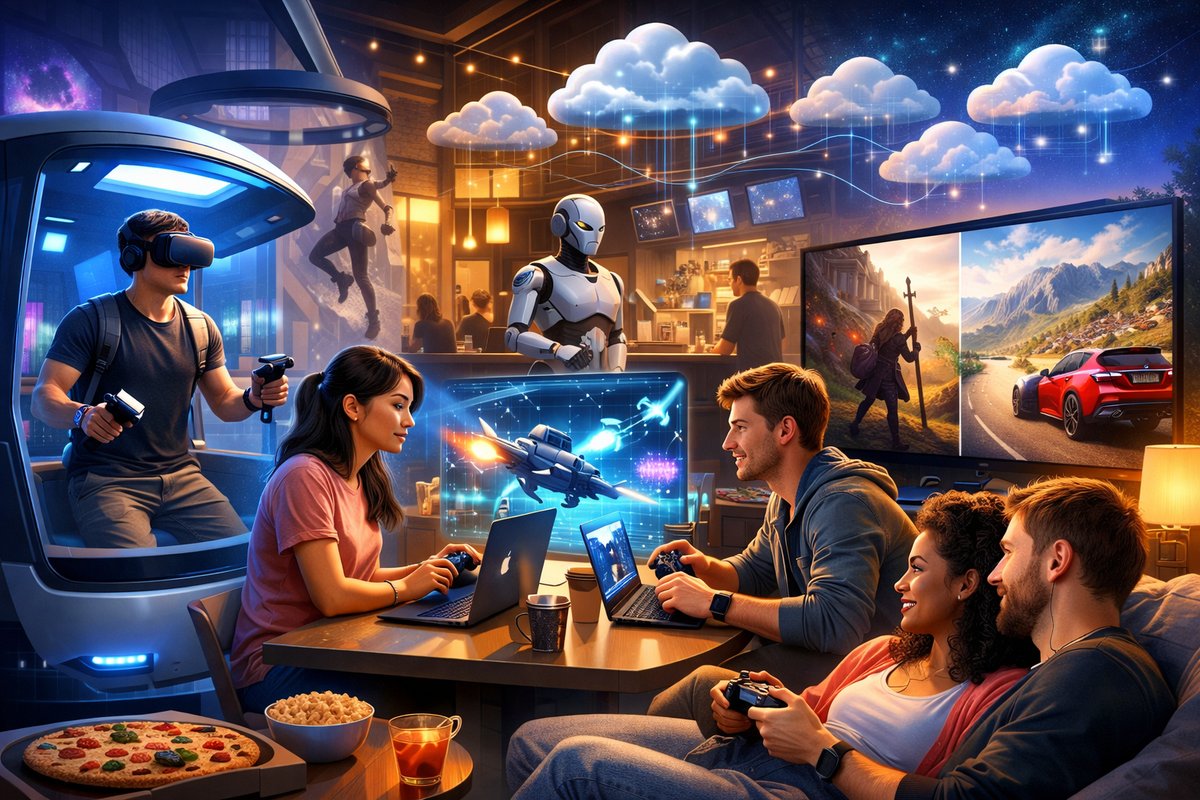
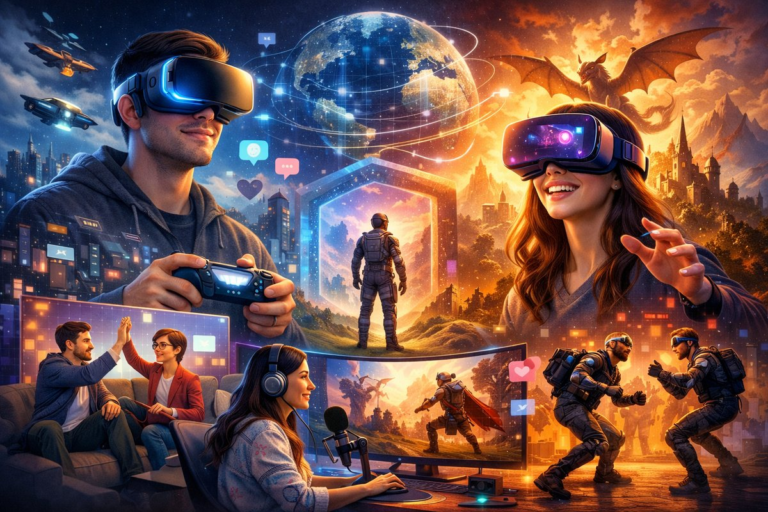
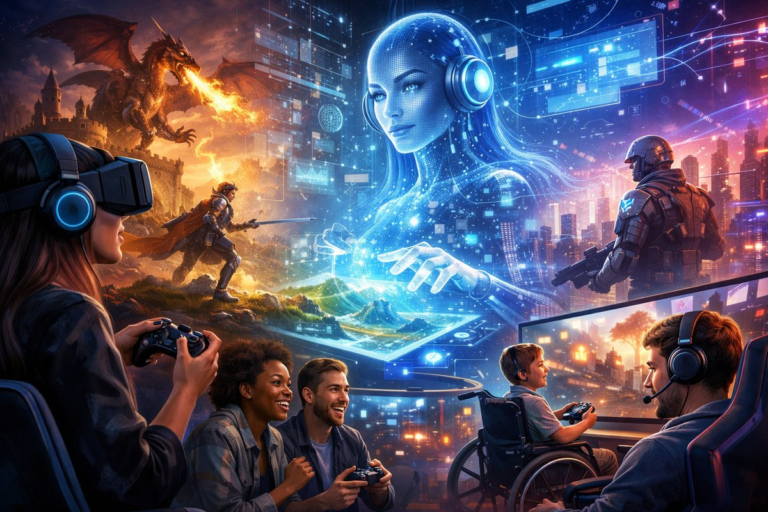
A wave of hybrid gaming venues, AI-driven experiences, and cloud-powered cafés is reshaping how we play. From local VR pods that blend physical and digital realms to home hubs that bridge movies and multiplayer marathons, the boundaries of play are expanding in real time.
It’s no longer enough to fire up a console in your living room or drop coins in a glass-encased arcade cabinet downtown. A new generation of experiences is redefining how players connect with games, blending social spaces, cutting-edge tech, and personalized setups in ways that respond to changing lifestyles, sustainability goals, and inclusivity demands.
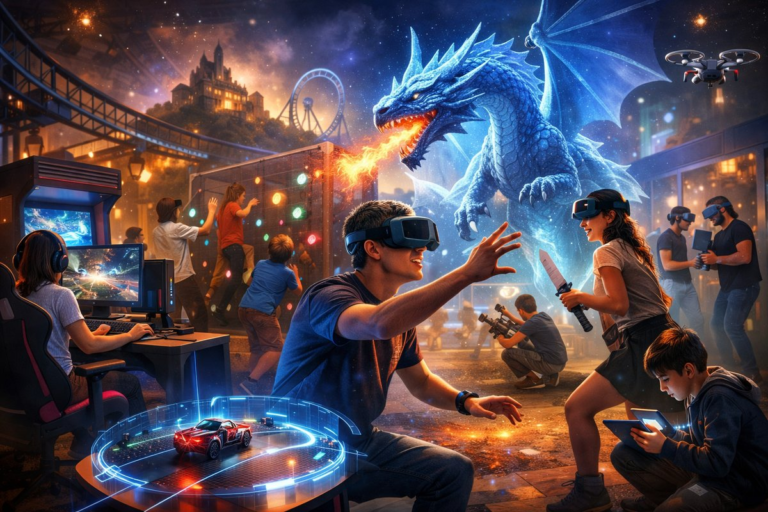
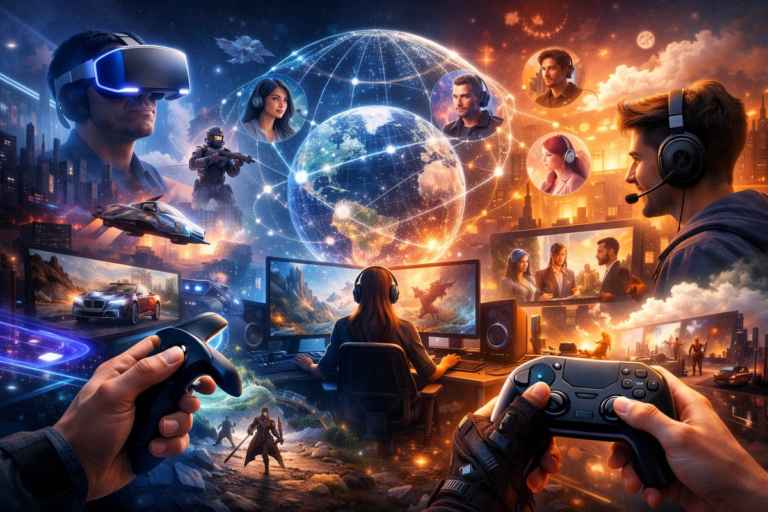
Across major metro areas, small clusters of entrepreneurs are launching location-based gaming venues that range from compact VR pods nestled in cafés to sprawling hybrid arcades where retro cabinets share floorspace with high-end motion rigs. These spots meet players halfway-providing the hardware and immersive environments while letting communities gather, spectate, and show off skills in a way livestreams can’t replicate.
One downtown hub repurposed an old movie theater into a multiroom playground. Visitors wander through neon-lit corridors, stepping into private pods equipped with modular chairs, haptic feedback vests, and panoramic screens. Each pod hosts a different theme-one challenges you to scale virtual skyscrapers with gravity boots, another drops you into a photoreal sea expedition complete with scent diffusers. As headsets power on, familiar lobbies and matchmaking menus give way to AI-driven worlds where nonplayer characters remember past encounters and adjust their tactics mid-session.
At the same time, a parallel renaissance is unfolding in the café scene. Former coffee shops are converting back rooms into cloud gaming lounges where players access top-tier titles over fiber connections. Instead of lugging around bulky consoles, enthusiasts bring laptops or tablets, plug into low-latency networks, and jump into multiplayer battles without worrying about system requirements. Monthly passes unlock exclusive events-doubles tournaments, watch parties for major esports finals, even indie showcase nights where developers demo the latest builds.
These location-based experiences aren’t just about novelty. They’re fueled by data showing that many players crave social validation and tactile feedback as much as high-fidelity graphics. A recent industry report indicates that global revenues from hybrid venues grew by nearly 25 percent over the previous year, outpacing traditional arcade sales for the first time. Investors are taking notice, and a handful of chains have already announced plans to expand into second and third markets.
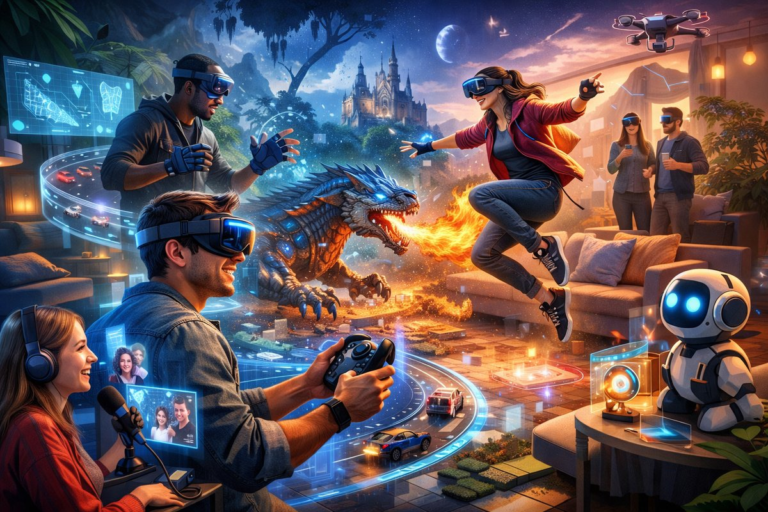
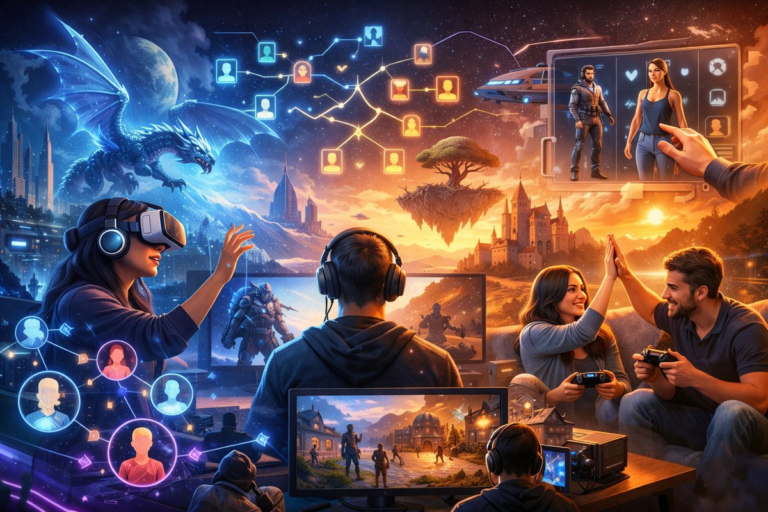
Meanwhile, homegrown innovation is bridging movie nights with multiplayer meetups. Living rooms decked out with laser projectors and wireless surround systems are doubling as cinema-grade screening rooms and battlegrounds for late-night co-op marathons. Smart home integrations automatically dim lights and adjust speaker EQ profiles when a game launches, then reconfigure for streaming features between sessions.
This convergence of hardware and hospitality signals a shift: entertainment spaces must be adaptable, catering to both social gatherings and solo deep dives. It’s no accident that coffee roasters, craft breweries, and coworking spaces are partnering with gaming tech providers to retrofit their venues-each seeks a fresh audience and a way to extend dwell time beyond daytime service hours.
But hybrid models come with fresh challenges. Venue operators wrestle with balancing open social areas against privacy needs, ensuring sanitary headset sanitation between sessions, and maintaining robust network security. Some have turned to modular furniture and easily wipeable materials for quick cleaning, while others implement scheduled time slots to keep crowd sizes manageable. On the software side, cloud gaming services are investing heavily in edge computing to reduce latency, and AI moderation tools patrol voice channels to keep toxicity in check.
Behind the scenes, developers are racing to tailor experiences specifically for these venues. Instead of porting over single-player releases, they build multiplayer modules with dynamic difficulty scaling and spectator modes that let onlookers influence the action. Open-source toolkits let small teams design co-op puzzles that play across multiple pods at once. The result is a growing catalog of “venue-exclusive” content-blocks of story or levels you can’t find in standard console or PC versions.
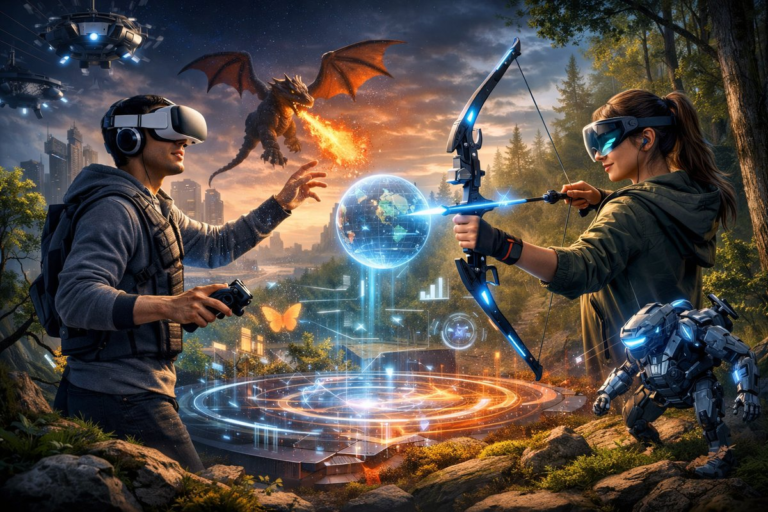
At industry events, demonstrations of mixed-reality quests now draw bigger crowds than keynote addresses. Enthusiasts don augmented glasses that overlay digital creatures onto physical sets, painting walls with virtual murals as they solve riddles. Nearby, developer collectives showcase AI-driven dungeon masters that compose original narratives on the fly, molding encounters around players’ past choices and even factoring in biometric cues like heart rate.
As these experiments accelerate, the question facing investors and operators is how to scale without losing the handcrafted feel. Some forecast that franchises will adopt a franchising model similar to coffee shops-standardized floor plans, certified sanitation protocols, and a curated menu of hardware bundles. Others predict decentralized cooperatives where communities crowdfund local branches and share content creation responsibilities.
Regardless of the business model, the endgame is clear: play must adapt to evolving expectations around socializing, sustainability, and personalization. Energy-efficient VR rigs, modular plug-and-play desks, and recycled materials are increasingly the norm. Folks want to feel good about their carbon footprint while diving into virtual worlds.
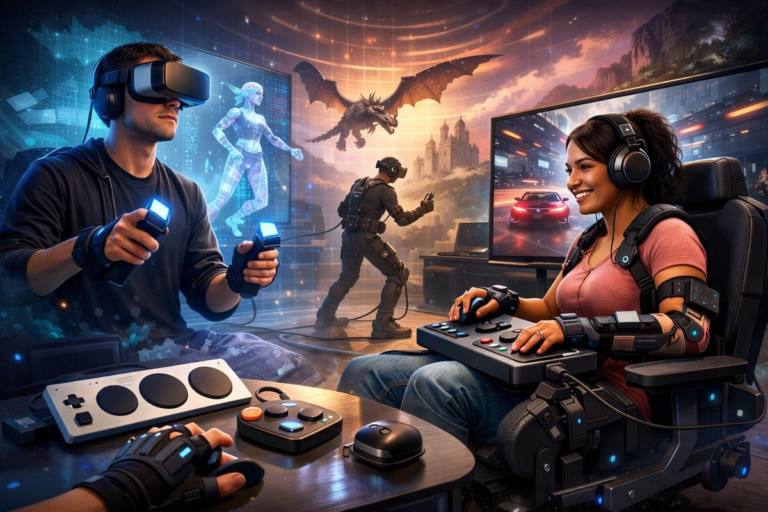
Back at home, the lessons of hybrid venues are reshaping how people think about personal setups. Modular desks with adjustable heights, easy cable management, and integrated lighting arrays are trending alongside soundproof pods that double as podcast booths. Adaptive controllers and customizable haptic peripherals address accessibility calls, making play more inclusive for varying abilities.
The spread of portable streaming devices means living rooms no longer need a stationary console or bulky PC. Freeing up space transforms entertainment corners into flexible studios-one moment configured for solo RPG immersion, the next rearranged for family movie night. In many households, LED strips on shelving units shift color to match in-game events, syncing with open-source software that ties into game APIs.
Looking ahead, analysts predict the next wave will involve personal AI companions that learn a player’s style over time, suggesting challenges, coordinating multiplayer sessions with friends, and even managing hardware updates. Imagine a system that preloads new quests whenever power rates are lowest, or auto-orders replacement VR headset face cushions when they wear down.
In less-tangible realms, virtual community spaces are expanding beyond gaming. Watch parties pair synchronized streaming of films and shows with interactive overlays-pop-up trivia, developer commentary tracks, and shared note streams. Fans can jump into themed lobbies before a premiere, trade reactions in real time, and unlock digital collectibles simply by participating.
This richly layered approach to entertainment-blurring home and venue, physical and digital, solo play and social spectacle-signals that games are no longer siloed experiences. They’re communal rituals, creative workshops, and ephemeral performances all at once. And as technology evolves, the spaces we inhabit will continue to reflect the fluid ways we seek joy, connection, and challenge.
In an era where attention is the most valuable currency, platforms that deliver seamless transitions between solitude and community will win out. Whether you’re scouting out a new hybrid arcade downtown or upgrading your living room with smart-integrated gear, the future of play is a mosaic of interlocking experiences-each one waiting for you to take the next step. Pull up a chair, plug in your headset, and get ready: the game has only just begun.