Location
Mount Vernon, WA 98274

Location
Mount Vernon, WA 98274
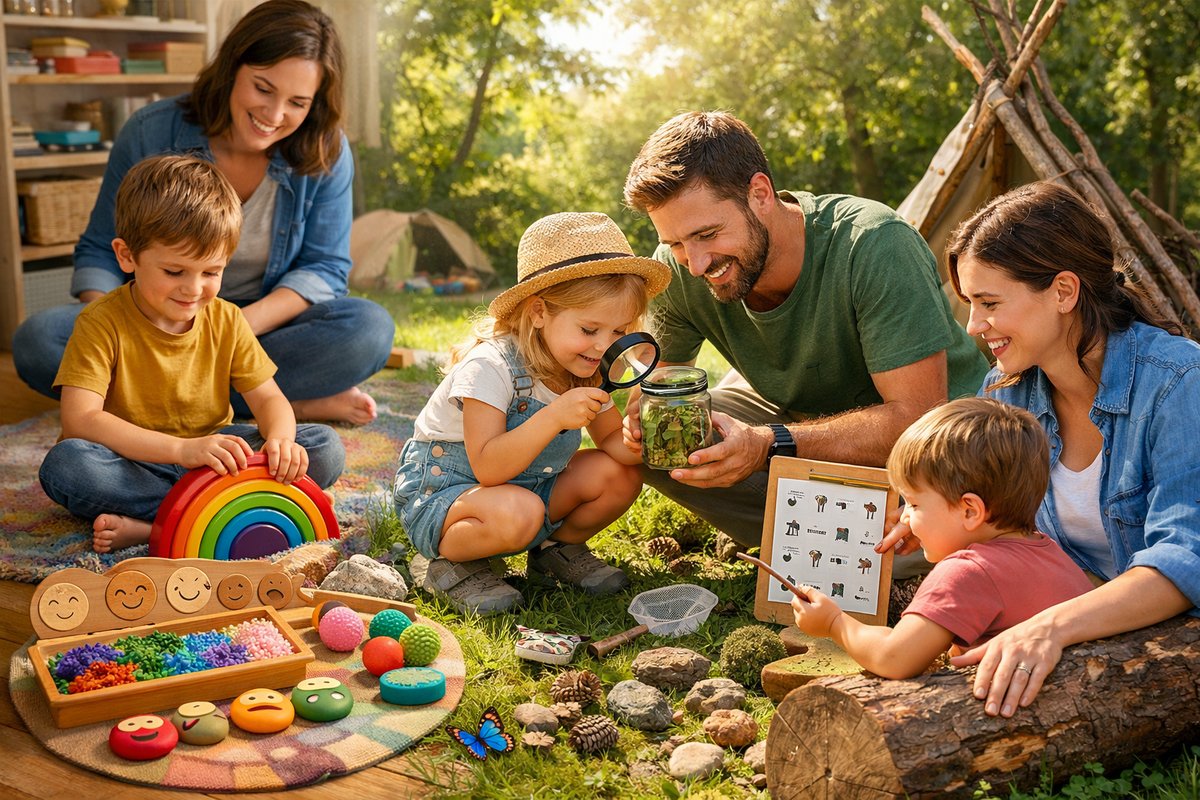
A new wave of home-based education is weaving together playful learning, emotional awareness, and outdoor exploration to support children's cognitive growth and well-being. Parents are adopting a blend of sensory toys, emotion tools, and nature-based activities to cultivate curiosity, agency, and resilience in young learners.
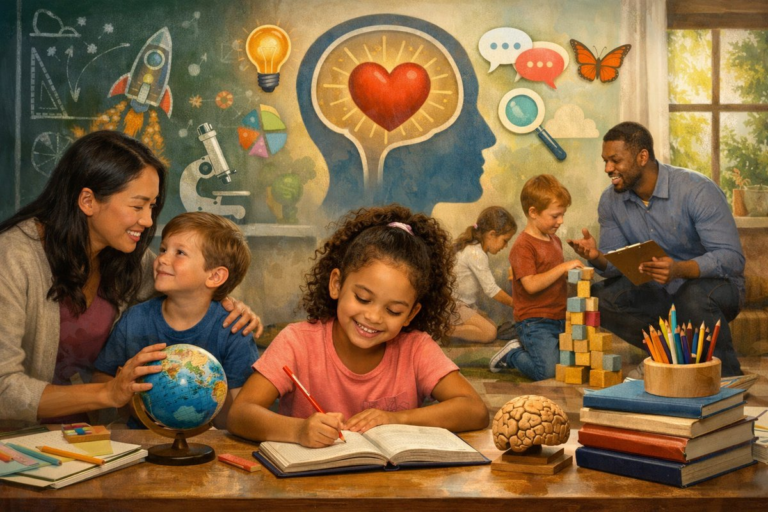
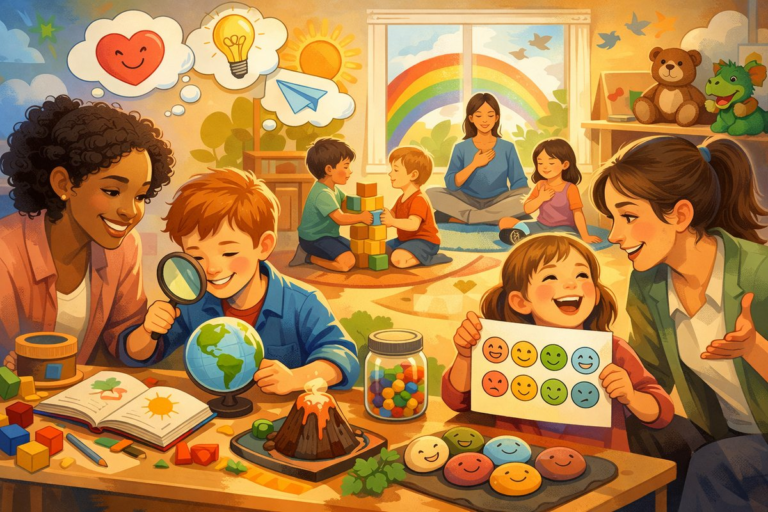
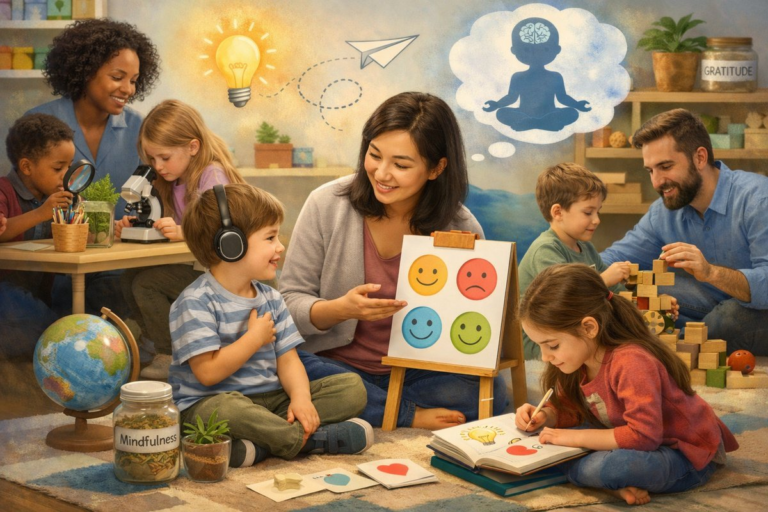
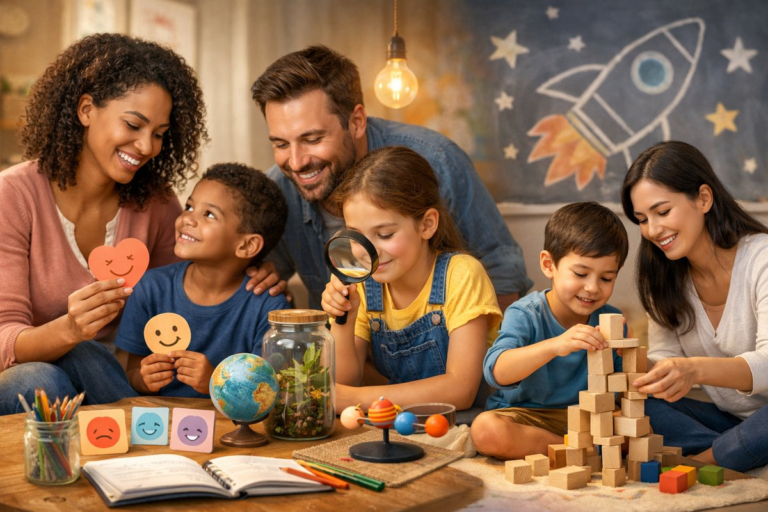
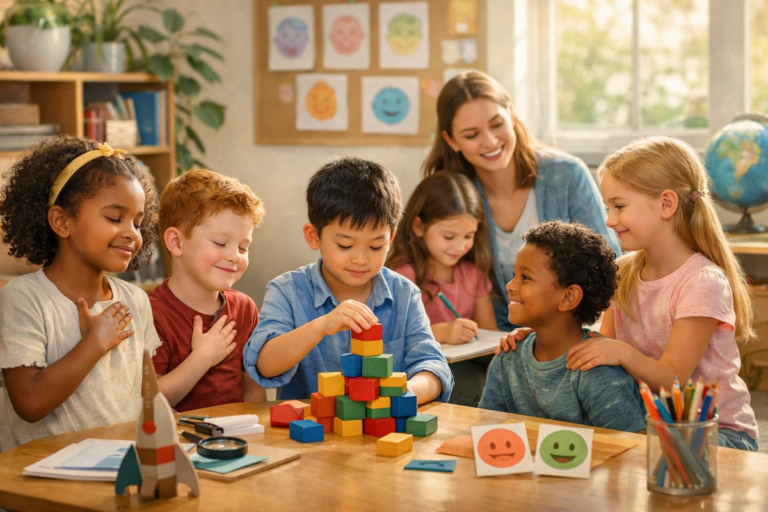
In households around the world, parents and caregivers are reimagining what it means to support a child’s growth. No longer confined to rote memorization or screen time alone, today’s home learning environments are evolving into heart-centered spaces that celebrate curiosity, emotional awareness, and hands-on discovery. From sensory play kits that spark imaginative STEM challenges to feelings charts that guide conversations about mood, families are embracing integrative approaches aimed at nurturing the whole child.
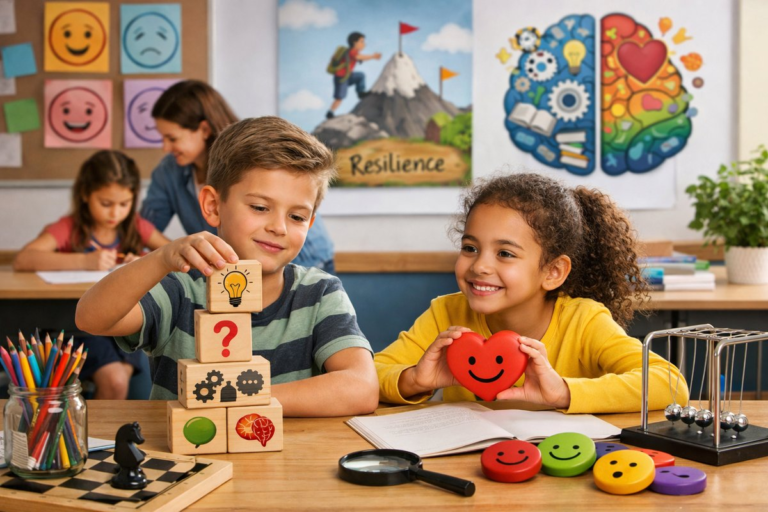
At the heart of this shift lies an understanding that emotional skills and academic learning do not exist in separate silos. Research from leading child development centers shows that when children learn to identify and regulate their feelings, they become more engaged, creative, and resilient learners. This insight has given rise to “emotion toolkits” in many homes-a collection of visual aids, writing journals, and interactive games designed to help kids name emotions, develop empathy, and practice coping strategies. By weaving these resources into daily routines, parents cultivate a language of feeling that undergirds academic curiosity.
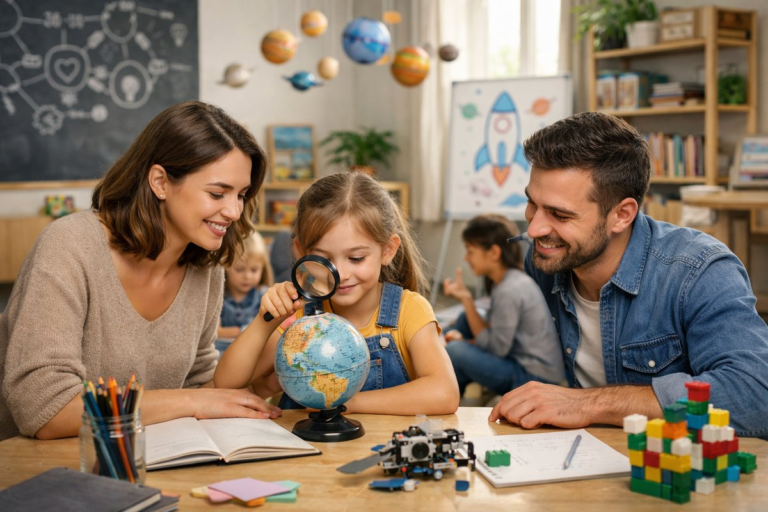
Meanwhile, play-based STEM toys have taken center stage as catalysts for both imaginative exploration and problem-solving. Modular building blocks that light up with conductivity elements, magnetic marble runs, and DIY robotics kits now share shelves with traditional art supplies and construction sets. These hands-on materials invite children to experiment freely-testing hypotheses, adapting designs, and discovering the science of cause and effect in real time. Parents report that integrating emotional check-ins before and after these play sessions helps children reflect on frustration, triumph, and collaborative success, reinforcing social and self-awareness alongside technical skills.
Nature-based learning has also seen a resurgence as families create their own “backyard classrooms.” Portable magnifiers, bug and plant identification guides, and portable sketch stations encourage outdoor investigations of local ecosystems. Time spent trekking trails or gardening not only teaches biology and environmental science but also supports mental health by reducing stress and strengthening a sense of stewardship. Educators note that when children see themselves as active participants in the natural world, they develop confidence, empathy for other living things, and an intrinsic drive to learn.
Digital tools designed with emotional intelligence in mind are joining the fray as well. Mindfulness apps tailored for kids, interactive story apps that adjust tone based on a child’s responses, and guided breathing games on tablets are becoming common in many homes. These resources balance screen engagement with reflective activities-breathing exercises, mood tracking, and short meditations-to help children develop self-regulation skills. Parents emphasize the importance of setting clear limits on screen sessions and using these digital tools intentionally, transforming them into training wheels for emotional resilience rather than passive entertainment.
Experts in childhood education stress that the most effective home learning environments foster agency by giving children choices. Curated learning stations-some dedicated to sensory play, others to quiet reading or mood journaling-create natural opportunities for kids to select activities that align with their interests or energy levels. This autonomy encourages self-directed exploration and teaches decision-making skills that will serve them well beyond early years.
Consider the Ramirez family, whose eight-year-old daughter spent weeks building a miniature greenhouse using clear acrylic panels, soil sensors, and programmable LED grow lights. Rather than simply following instructions, she devised her own watering cycle based on data collected from onboard humidity sensors-an experiment that led to lively discussions about evaporation, transpiration, and data interpretation. Each evening, she recorded her observations in a journal decorated with emotion stickers, helping her articulate both the scientific results and how she felt during each step of the process.
The Carter household turned their patio into a “mindful garden lab.” Alongside bird feeders and potted herbs, they installed a sturdy wooden bench with cushions and hung a feelings chart on the wall. After exploring the garden-identifying insect species or measuring soil pH-siblings gather for a daily check-in: each child places a magnetic token next to the word that best describes their mood. This simple ritual opens space for empathy and listening, encouraging children to offer support or celebrate one another’s milestones.
In urban apartments, parents repurpose bookshelf corners into mini “emotion nooks.” Plush floor pillows, a basket of fidget toys, and a stack of children’s guided journals or coloring books create a cozy refuge when strong emotions arise. Paired with noise-cancelling earbuds or a white noise machine, these nooks offer sensory relief, teaching kids that self-care and reflection are essential parts of learning.
The hallmark of these heart-centered environments is their modular design. Rather than investing in single-use kits, families gravitate toward materials that can be reconfigured across domains-building blocks that transform into math manipulatives, emotion flashcards that double as storytelling prompts, or exploration kits that spur both scientific inquiry and creative writing. This versatility not only stretches budgets but also encourages a mindset of resourcefulness, reminding children that everyday objects can become portals to learning.
Community support networks are amplifying these home-centered methods. Local toy swaps for outgrown STEM sets, neighborhood seed-exchange events, and pop-up mindfulness circles enable families to share materials, expertise, and encouragement. Virtual parent forums and educator-led webinars offer demonstrations on constructing emotion charts, setting up at-home nature labs, and integrating social-emotional curricula into daily play.
Challenges remain as parents juggle work commitments, limited space, and concerns about overstimulation. Experts advise a phased approach: introduce one new tool or practice at a time, observe how children respond, then iterate. For example, a family might start by placing a simple feelings wheel on the fridge for a week before adding emotion journals or breathing exercises. Over time, these small changes coalesce into a richer learning environment.
Because these home-based methods intersect so many developmental domains, collaboration with schoolteachers and therapists can maximize impact. Sharing pictures of at-home projects or mood-tracking charts with educators helps maintain continuity between home and school, ensuring that emotional insights gained in one setting are reinforced in the other.
Sustainability and minimalism are guiding material choices as well. Parents are seeking sensory bins made from recycled plastic, wooden blocks certified by environmental standards, and non toxic art supplies. Many families repair or upcycle older toys-turning outgrown building sets into new contraptions or refurbishing worn soft toys-rather than buying brand-new. This eco-friendly ethos not only teaches respect for the planet but also models mindful consumption for children.
Looking ahead, pediatric psychologists anticipate that home learning spaces will continue to evolve toward hybrid models: pop-up outdoor classrooms, digital platforms with emotion-adaptive learning paths, and community resource hubs where families exchange both gear and guidance. In essence, the boundaries between school, play, home, and therapy are blurring in ways that honor children’s full spectrum of needs.
For parents eager to begin or expand their heart-centered learning environments, the journey often starts with observation: note where children light up, pause when they grow frustrated, and ask what would help them explore more freely or feel more understood. By responding with practical tools-a build-your-own circuit set balanced by a feelings chart, a sensory exploration kit paired with a reflective journal-caregivers transform daily life into a lab for emotional and intellectual growth.
In the process, children learn that academic concepts are not abstract; they are deeply connected to how we feel, how we relate to the world around us, and how we harness our curiosity to solve real problems. That integration of head, heart, and hands is the defining feature of tomorrow’s emerging generation-capable, confident, and compassionate learners ready to shape a complex world with empathy and ingenuity.