Location
Mount Vernon, WA 98274

Location
Mount Vernon, WA 98274
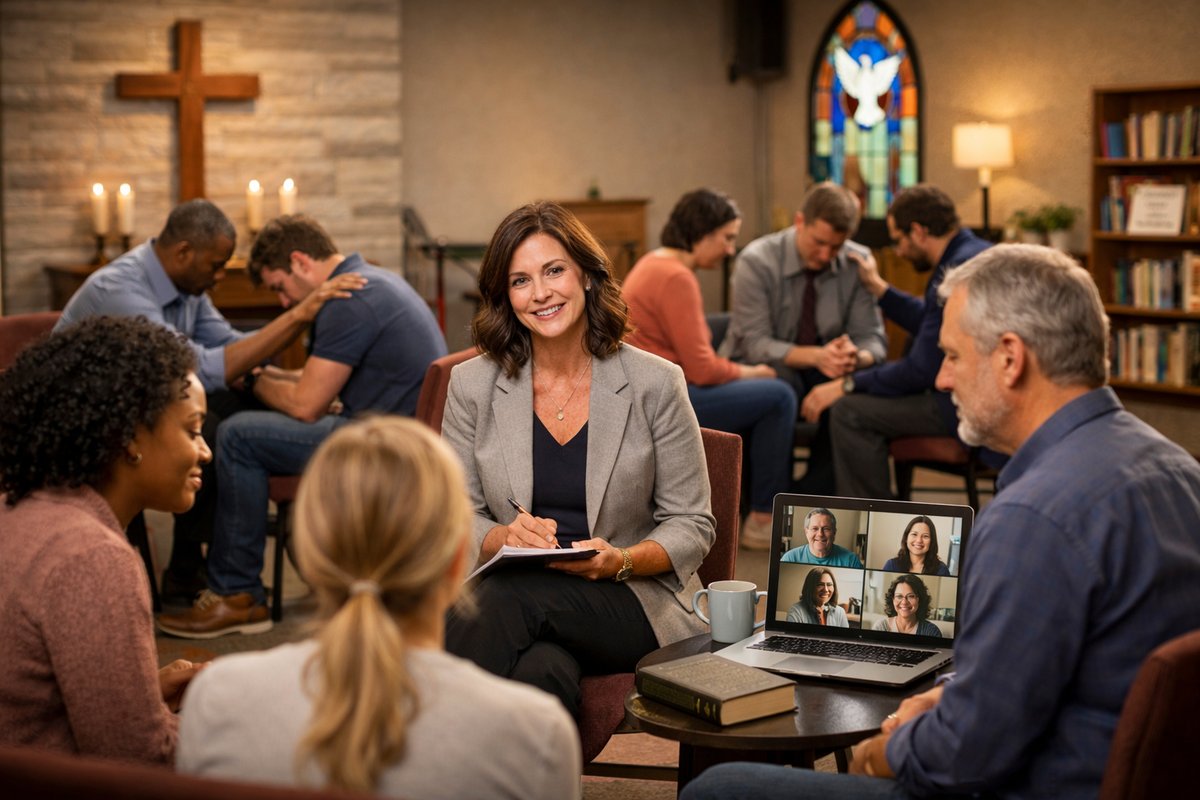
Congregations across the country are responding to rising rates of anxiety and depression by building faith-based mental health ministries. From group therapy sessions hosted in fellowship halls to virtual support networks, churches are weaving professional counseling and spiritual care into the fabric of worship.
In recent years, Christian congregations have begun to reimagine their role in supporting mental well-being alongside spiritual growth. Once considered outside the traditional scope of pastoral care, counseling services, mindfulness workshops, and peer support groups are now finding a welcome place in fellowship halls and Sunday gatherings. Church leaders, mental health professionals, and lay volunteers are collaborating to create holistic ministries that honor both soul and psyche. This shift reflects growing awareness of mental health challenges among worshippers and a desire to respond with compassion, practical tools, and theological insight.
The urgency of this movement is underlined by national research. A survey conducted by an independent faith research institute found that more than 60 percent of churchgoers reported feelings of persistent stress or anxiety over the past year, and nearly half acknowledged symptoms of depression. These figures closely mirror trends in the broader population, with the Centers for Disease Control and Prevention reporting a sharp rise in mental health struggles in the aftermath of widespread social upheaval. For many pastors, these statistics translated into a call to action: if congregations were already pillars of community life, they could also serve as frontlines of emotional support.
In suburban Charlotte, a midweek “Wellness Wednesday” series has become a fixture at Grace Community Church. Every Wednesday evening, the fellowship hall transforms into a safe space for guided meditation, trauma-informed yoga, and small-group sharing circles. Licensed counselors volunteer time alongside ordained pastoral staff, leading sessions on coping strategies, breathing exercises, and the intersection of prayer and mindfulness. One participant describes the blend of spiritual reflection and clinical tools as “liberating”-a chance to sit in silence, pray for peace, and then learn concrete techniques for grounding during a panic attack.
Further north, in the Pacific Northwest, St. Mark’s Anglican Fellowship partnered with a local counseling center to launch free weekly support groups for those navigating grief, addiction recovery, and chronic stress. Church members were trained as “compassion companions,” learning basic skills in active listening, mental health first aid, and resource referral. Group facilitators report that attendance grows organically from one session to the next as word spreads about the confidential, welcoming atmosphere. Stories of breakthroughs-whether someone taking the first step toward therapy or finding comfort in shared prayer-have fueled momentum for expansion.
Digital platforms have extended the reach of these ministries. Zoom and secure group-chat apps allow congregants facing mobility challenges or geographical barriers to tap into the same support systems. One online ministry, rooted in an evangelical church network, hosts weekly breakout rooms for topics like coping with loneliness, parenting stress, and spiritual burnout. Each room is co-led by a mental health professional and a prayer coach. Congregants who once struggled in isolation now log in from home, finding community even during periods of quarantine or extreme weather.
Denominational bodies are stepping in with resources and training. A prominent mainline Protestant denomination recently rolled out a mental health toolkit for clergy, featuring sermon outlines, small-group discussion guides, and a directory of affordable counseling services. Many dioceses in the Catholic Church have begun sponsoring continuing education workshops on pastoral counseling ethics and referral protocols. Seminaries are introducing courses on psychology of religion, equipping future pastors with foundational knowledge about anxiety disorders, trauma, and substance use.
The theological underpinnings of these efforts draw on a holistic view of personhood. Ancient Christian writers emphasized care for the whole self: body, soul, and mind. While historical stigma once discouraged open discussion of mental illness within spiritual communities, today’s leaders view emotional distress as neither a moral failure nor a purely biological malfunction but as an invitation for the church to embody Christ’s compassion. In heartening pastoral letters, some bishops and denominational heads have urged congregations to treat mental health struggles with the same openness and prayerful support once reserved for physical ailments.
Practical challenges remain. Confidentiality protocols must be rigorously maintained, especially when church space is shared by lay-led support groups and ordained clergy. Liability concerns have prompted many congregations to require facilitators to carry professional liability insurance or to partner exclusively with credentialed clinicians. Funding is another hurdle: not every church can afford to subsidize sliding-scale counseling. As a result, some ministries rely on donations, grants, or cooperative agreements with community mental health agencies.
Still, the benefits are becoming evident. At Trinity Baptist in a small Midwestern town, the addition of a monthly “Stress Less” workshop has correlated with a measurable uptick in volunteer engagement and small-group attendance. Participants credit the church’s visible commitment to mental health as a reason they feel valued beyond Sunday sermons. One congregant shared that accessing pastoral counseling saved her when she faced postpartum depression-a struggle she might otherwise have kept secret.
Mental health ministries also evolve in response to new technologies. Guiding worshippers to spiritual meditation apps that incorporate breathing exercises, daily reflections, and scripture-based affirmations has become common. Some churches have issued devotional audio tracks that shy away from dense theological jargon in favor of short, calming narratives paired with instrumental music. Others are experimenting with virtual-reality prayer rooms, where users don headsets to enter a digitally rendered cathedral or natural landscape, merging ancient liturgical prayers with immersive visuals designed to soothe the nervous system.
Youth and campus ministries, in particular, are at the forefront of digital integration. College chaplaincies report that students are more likely to reach out when offered online drop-in counseling sessions and text-based prayer support alongside traditional face-to-face meetings. Peer-led chat channels moderated by licensed counselors allow students to share struggles over finals week, relationship issues, and the stress of social justice activism. By normalizing conversation about mental health, these environments help destigmatize help-seeking behaviors early in life.
For church administrators, implementing a mental health ministry requires vision and collaboration. Key steps include conducting a needs assessment survey, networking with local mental health providers, training volunteers in active listening, and establishing clear referral pathways for crises. Funding might come from a special appeals letter, a memorial gift, or a partnership with nonprofit foundations interested in faith-based initiatives. Transparent communication with the congregation-explaining why mental health matters spiritually, scripturally, and clinically-builds trust and encourages participation.
Looking ahead, faith communities are exploring ways to measure impact. Self-report surveys, attendance tracking, and qualitative stories of transformation all contribute to an emerging body of evidence that spiritual and mental health support can reinforce one another. Some congregations are collaborating with local colleges of social work to conduct formal evaluations. Others plan to publish case studies in denominational journals, hoping to inspire replication.
Ultimately, the integration of mental health and ministry signals a new chapter in Christian communal life. As more churches embrace the call to heal not only spiritual wounds but also emotional and psychological wounds, they reclaim a vocation of holistic care rooted in compassion. By weaving professional tools into the tapestry of prayer, Scripture, and fellowship, these ministries remind congregations that faith and wellness go hand in hand-and that no soul need journey alone through the valley of anxiety or depression.