Location
Mount Vernon, WA 98274

Location
Mount Vernon, WA 98274
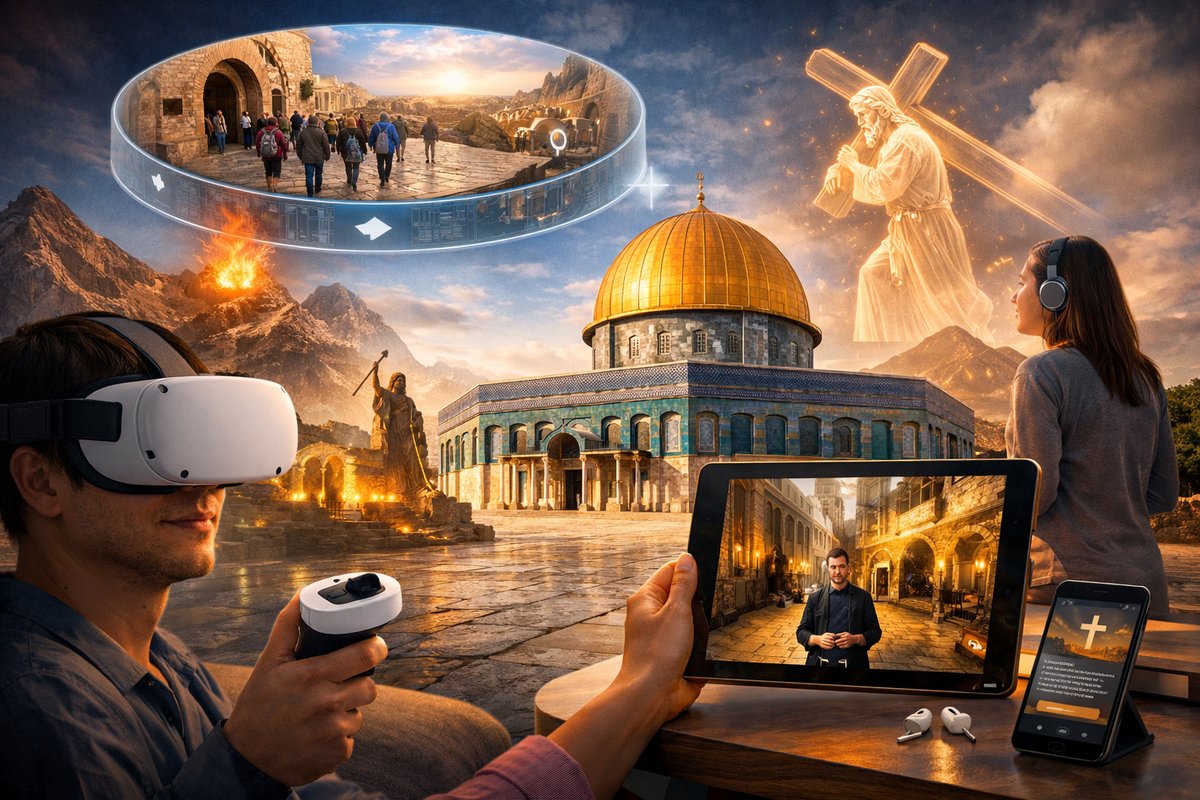
As travel costs and access barriers rise, ministry leaders and tech developers are partnering to offer immersive virtual pilgrimages that bring sacred sites into living rooms. Using 360-degree video, augmented reality overlays, and guided prayer apps, Christians around the world are rediscovering spiritual journeys in a digital era.
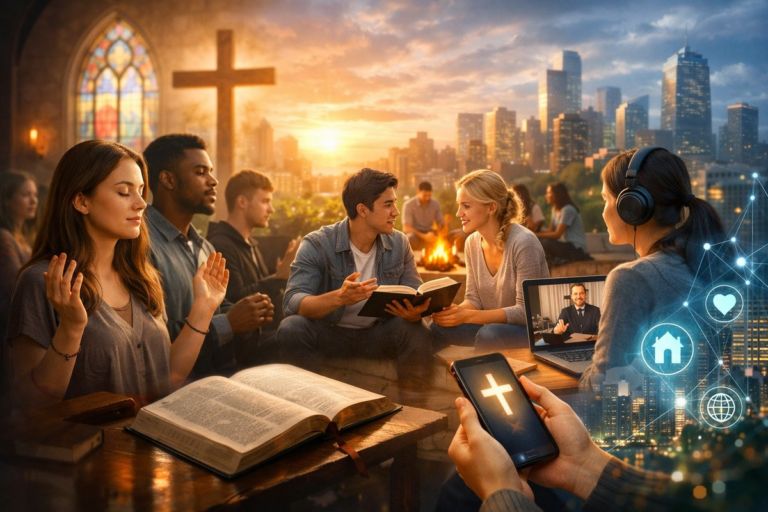
For centuries, pilgrims have set out on foot, by mule or by ship to trace the steps of apostles and saints. Today, a growing number of Christians are embarking on spiritual odysseys from the comfort of their homes or local church halls. Equipped with VR headsets, smartphone apps and guided audio devotionals, they can explore ancient basilicas in Rome, walk along the Sea of Galilee shoreline and pause at the Wailing Wall-all without the expense or logistical hurdles of an overseas flight.
Publishing records show more than 500 million installs of one leading Bible app, testament to the hunger for accessible scripture engagement. Over the past year, the rise of pilgrimage-specific offerings has captured the attention of both established ministries and emerging faith startups. One nonprofit recently launched “Journey to the Holy Land VR,” a platform that stitches together high-resolution panoramic video with narrated reflections at each stop. Participants don lightweight headsets to immerse themselves in sunrise services on Mount Sinai or evening prayers in an Andalusian cathedral.
Augmented reality (AR) tools have also found a foothold in local congregations. Worship technology teams are mapping out prayer stations in church gardens, embedding QR codes that, when scanned, trigger short AR scenes: flashes of desert landscapes, hymns from medieval manuscripts hovering over ancient stones or an interactive map tracing Paul’s missionary routes. These on-site digital accents enable small groups to walk ‘virtually’ from Ephesus to Corinth, pausing at each waypoint for reflection and communal prayer.
Developers behind leading faith apps have tailored new features to support these immersive journeys. One audio companion offers location-based prompts: as users navigate a printed floor plan of St. Peter’s Basilica, the app recognizes the page and cues up a researcher’s commentary on Michelangelo’s Pietà. Another platform integrates with smart speakers, allowing families to embark on a guided Stations of the Cross around their living room at the stroke of 3 p.m., complete with ambient sounds and gentle chimes.
Early adopters report transformative effects. A teacher in a rural parish shared that students who had never flown before sat together in a fellowship hall wearing VR headsets, marveling at the domed ceilings of Hagia Sophia. Afterwards, they compared notes on how ancient mosaics spoke to their own faith journeys. In a women’s retreat center, augmented reality shepherded participants through a Garden of Gethsemane simulation, where rustling leaves and distant prayers created a meditative space beyond what a PowerPoint slide show could offer.
Accessibility remains a central theme for church leaders. By removing visa requirements, airfare costs and mobility challenges, digital pilgrimages make sacred travel feasible for elderly parishioners, single parents and those with disabilities. Ministry experts point out the ecological benefits too: virtual travelers leave no carbon footprint, avoiding transcontinental flights while still engaging deeply with creation care themes embedded in trail narratives and ecological reflections.
Yet questions about authenticity and spiritual depth linger. Can a screen-mediated experience cultivate the same interior conversion as standing before the actual tomb of a martyr? Some theologians caution against reducing pilgrimage to a series of visual or audio stimuli. They stress the importance of embodied practices-fasting, almsgiving and communal confession-that often accompany traditional pilgrimages.
To address these concerns, hybrid models are emerging. A diocese in the Pacific Northwest now offers short domestic bus trips to local shrines, supplemented by virtual modules that delve into the history, art and liturgy of major pilgrimage sites. Participants complete AR tasks at rest stops and watch paired video reflections on their smartphones while touring local landmarks named after saints. Organizers report higher retention and deeper engagement compared with earlier programs that lacked a digital component.
Data privacy and digital stewardship are also on the radar. Faith-based developers are experimenting with self-hosted servers that safeguard user data, rather than relying on large social media platforms. They emphasize minimal data collection-just enough to log session progress and personalize devotional prompts. In a world where digital fatigue is real, these platforms aim for concise daily segments-five to ten minutes-so pilgrims can build momentum without feeling overwhelmed.
Looking ahead, innovators envision fully realized metaverse chapels where avatars attend virtual Mass alongside friends from around the globe. Some early prototypes include blockchain-based certificates, issued when participants complete a set of pilgrimage stations, which can be printed as keepsakes or shared on social media. While still experimental, these features underscore an appetite for tangible spiritual markers in an otherwise intangible medium.
Regional ministries are also customizing digital pilgrimage content to local cultures and languages. A coalition of African theologians is producing Swahili-language AR experiences that highlight early Christian sites on the continent. Asian worship networks are integrating traditional calligraphy with virtual tours of Taoist and Buddhist pilgrimage routes, inviting interfaith dialogue and deeper appreciation of religious pluralism.
Digital pilgrimage experiences have already begun shaping small-group devotional life. House churches are organizing six-week series where each meeting focuses on a different biblical landscape, from Abraham’s journey in Ur to John’s exile on Patmos. Attendees use prayer beads or simple walking sticks to recreate an embodied sense of movement, while apps provide context, scripture readings and music. Leaders report that participants feel less intimidated by Scripture and more curious to explore passages associated with each location.
For many believers, virtual pilgrimages act as precursors to real-life travel. One young couple used an online Holy Land tour as part of their engagement retreat. By the time they sailed through the Sea of Galilee in person, they already felt at home in Capernaum and could name the rock where tradition places the multiplication of loaves and fishes. That sense of digital orientation, they say, transformed a once-daunting journey into a profound homecoming.
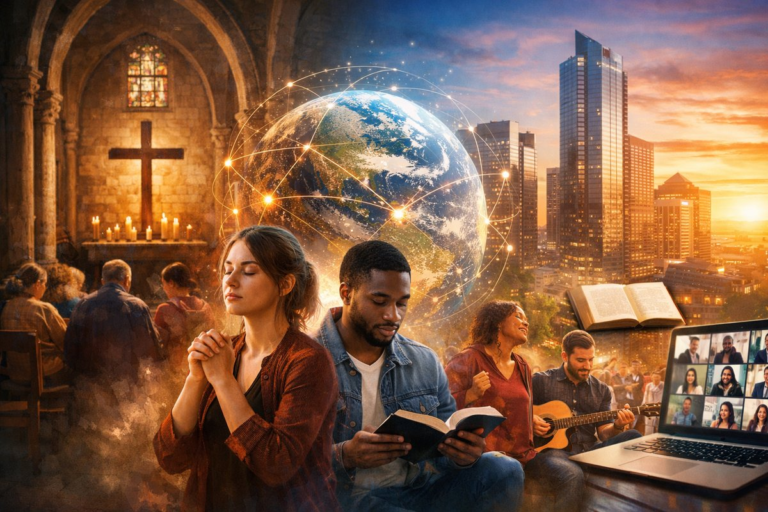
Whether streamed through a headset or woven into local church events, digital pilgrimages represent more than a temporary response to travel restrictions. They reflect a broader willingness in Christian communities to embrace technology as a tool for spiritual formation. As these offerings continue to evolve, they invite reflection on what it means to journey as pilgrims-wherever our bodies may be.
Pilgrims of old would have marveled at the thought of pressing a pair of cells on a smartphone screen to transport themselves across continents. Today’s online pilgrimages challenge us to consider how faith transcends physical borders, whether walked on dusty roads or traversed in pixelated panoramas. As Christians continue to blend ancient traditions with modern tools, the road to renewal may well begin in the glow of a headset before leading back to the open road of everyday life.