Location
Mount Vernon, WA 98274

Location
Mount Vernon, WA 98274
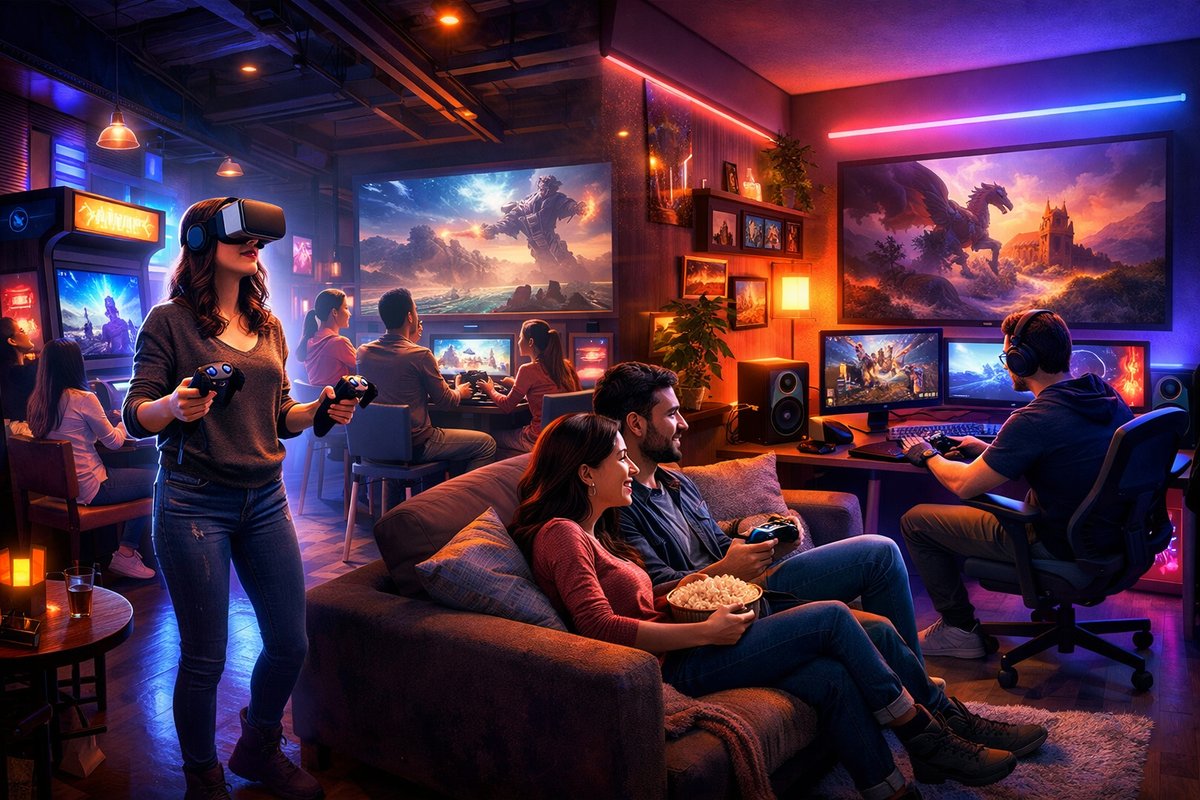
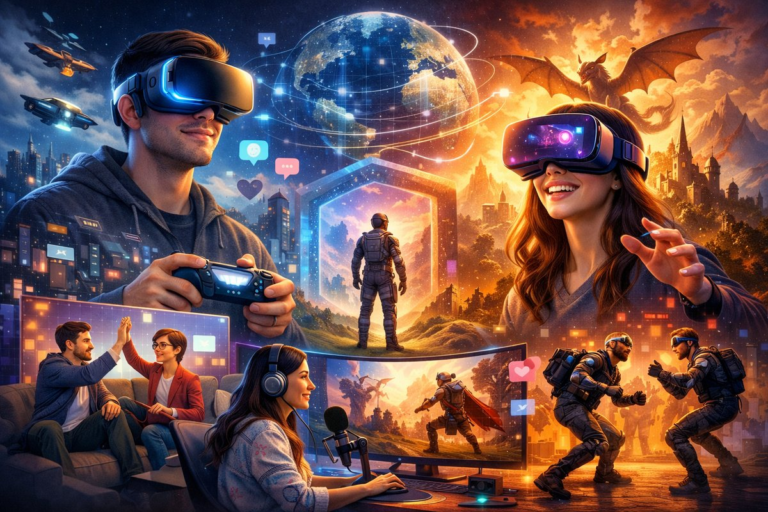
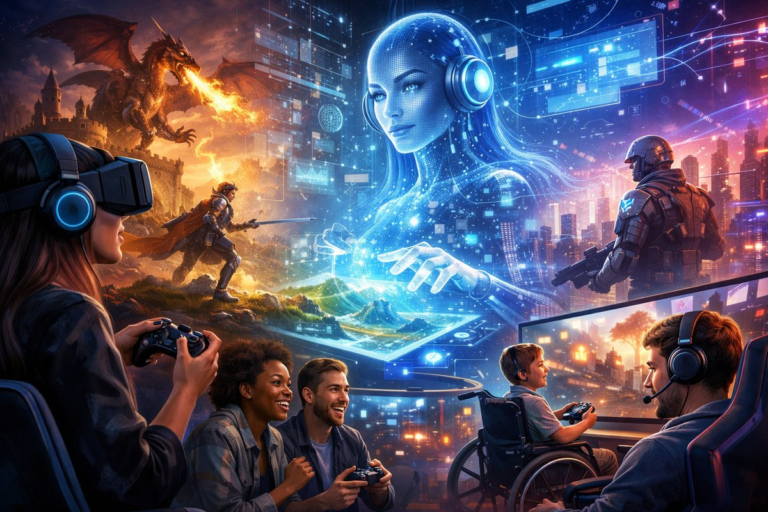
A new wave of hybrid entertainment venues is blending gaming, cinema, and social spaces to forge immersive experiences both on-site and at home. From micro-arcade cafes with VR booths to at-home setups illuminated by ambient lighting and surround sound, today's playspaces are designed for connection, creativity, and community.
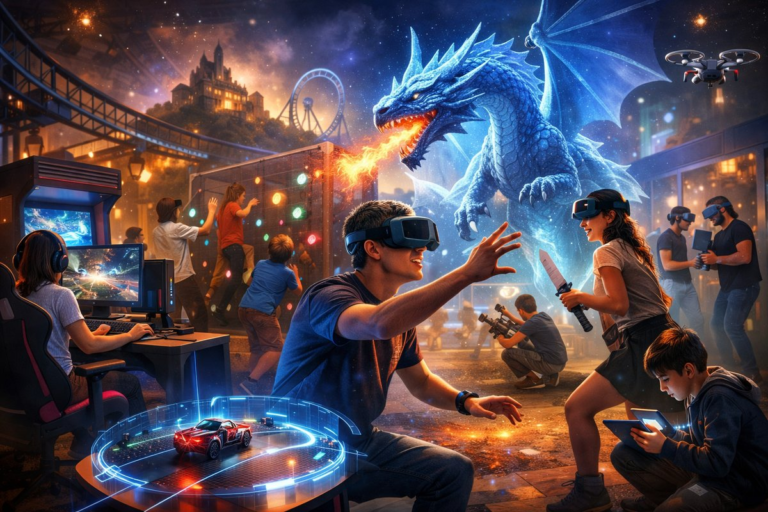
In cities around the world, a fresh breed of entertainment venues is rising-spaces that fuse arcade culture, movie screenings, and social lounges into seamless hybrid playgrounds. These next-gen hubs bring together competitive gamers, film buffs, and casual visitors under one roof, offering communal VR pods, big-screen streaming rooms, retro arcade cabinets, and drop-in LAN parties. By marrying digital worlds with physical gathering spots, operators are catering to a growing appetite for immersive, shareable moments that blur the line between screen and stage.
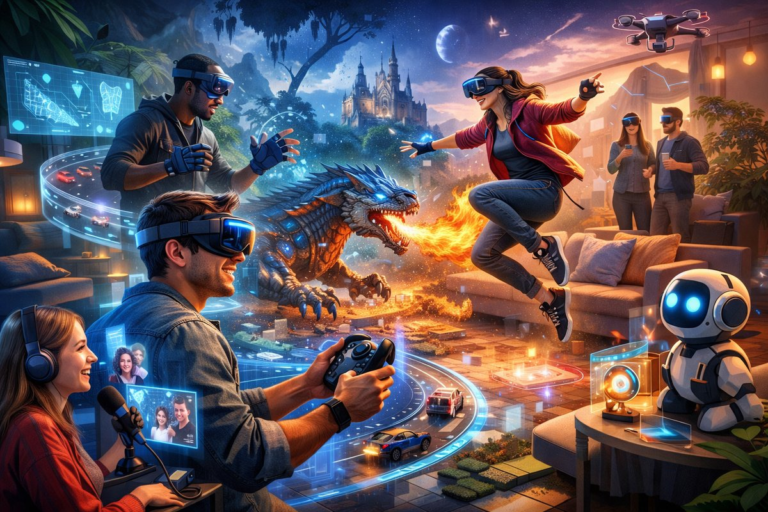
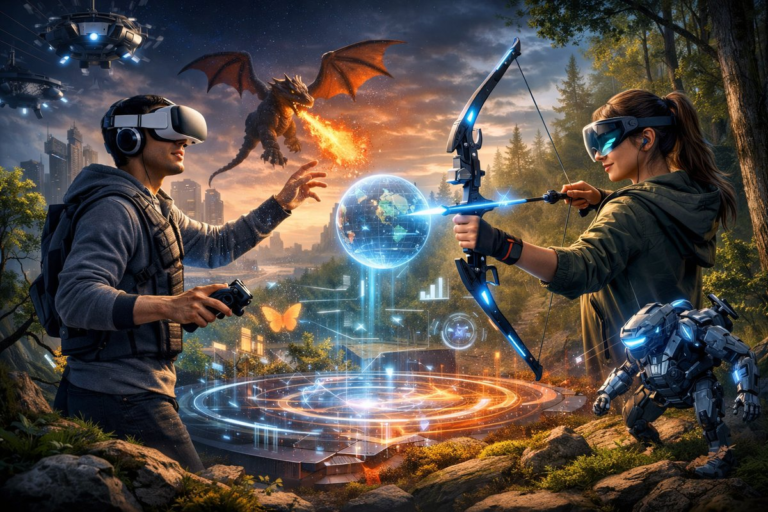
Take the recent opening of a micro-arcade café in a bustling downtown district. Patrons can grab a craft drink, book a 30-minute session in a standalone VR booth, then wind down with an indie game tournament on a communal projector wall. Elsewhere, pop-up “cinecade” events are pairing cult movie screenings-like cult sci-fi favorites-with themed game nights, where players race through custom speedrun challenges tied to the film’s universe. This convergence of media not only attracts diverse crowds but sparks spontaneous collaborations: gamers teaming up on co-op quests, filmmakers scouting story ideas, and casual passersby discovering new hobbies.
Meanwhile, the cloud gaming revolution is reshaping who plays where and on what. Lightweight handheld consoles and streaming-capable tablets now tap into remote server farms, offering console-level performance without the bulky hardware. Travelers can dive into AAA titles on trains and planes, then pick up their progress at a gaming lounge across town. This portability feeds directly into hybrid venues: operators can maintain curated game libraries on cloud platforms, rotating popular titles weekly without physical discs or constant hardware upgrades.
At the same time, home entertainment has never been more sophisticated. Enthusiasts are transforming living rooms into personal arcades and screening rooms. Ambient LED strip lights synced to on-screen action, motorized projector screens, and networked speakers create a multisensory backdrop that rivals public venues. A single voice command can dim lights, cue a surround-sound intro track, and launch a game or movie, erasing friction between real life and digital adventure.
Sound plays a starring role in this at-home metamorphosis. High-fidelity gaming headsets with surround-sound drivers transport players into echoing caverns and riotous battlegrounds, while wireless connectivity cuts cable clutter. On the desktop, tactile mechanical keyboards-complete with customizable RGB backlighting and programmable macro keys-have become badges of pride for PC gamers. Every keystroke resonates with satisfying feedback, heightening immersion during high-stakes matches or late-night development sprints.
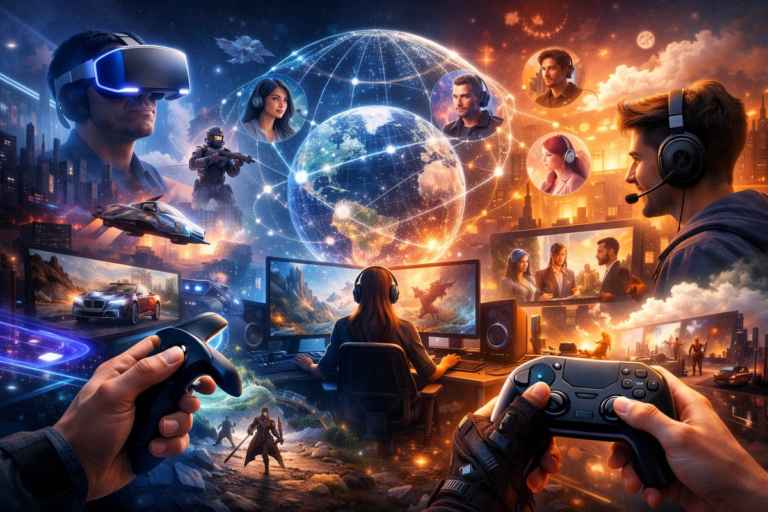
Blending gaming with film has spawned a renaissance in collaborative watch parties. Streaming a blockbuster tie-in like “Ready Player One” on digital rental platforms can be enhanced by simultaneous game sessions based on the movie’s universe. Friends across different homes can synchronize playback, share live commentary via voice chat, and compete in custom mini-games inspired by key scenes. These virtual watch parties harness game mechanics-leaderboards, timed challenges, digital rewards-to keep everyone engaged, even during slower plot moments.
No movie night is complete without snacks, of course. Nostalgia-driven popcorn makers-capable of popping corn kernels in just minutes-bring the aroma of the theater home. Paired with an array of collectible tins and flavored seasonings, they turn any living room into a cozy concession stand. For seamless playback, a dedicated 4K streaming media player connects to TVs or projectors, ensuring crisp visuals and low-latency streaming of both games and films.
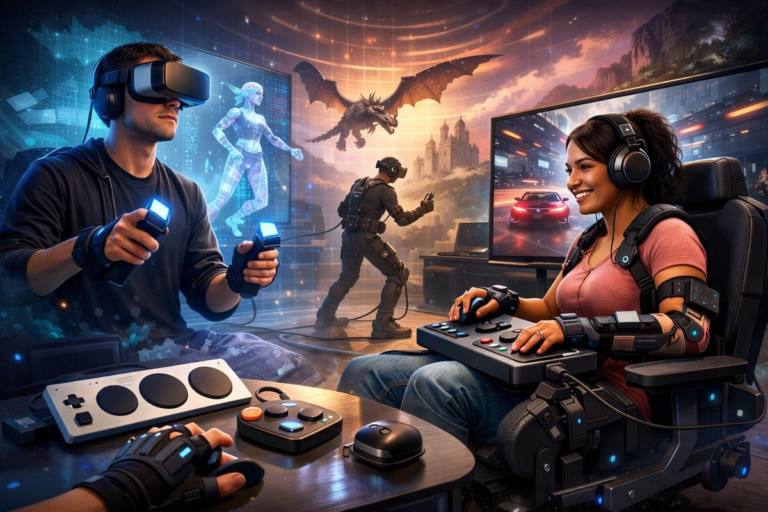
Beyond aesthetics and comfort, hybrid play environments are raising the bar on accessibility. Venues are investing in adaptive controllers with remappable buttons, oversized joysticks, and adjustable trigger sensitivities. Colorblind-friendly display modes and haptic-feedback options allow players of all abilities to join tournaments and social sessions. Cloud save states and cross-play compatibility further democratize access, so someone using a handheld tablet can team up with a friend on a console or PC without hassle.
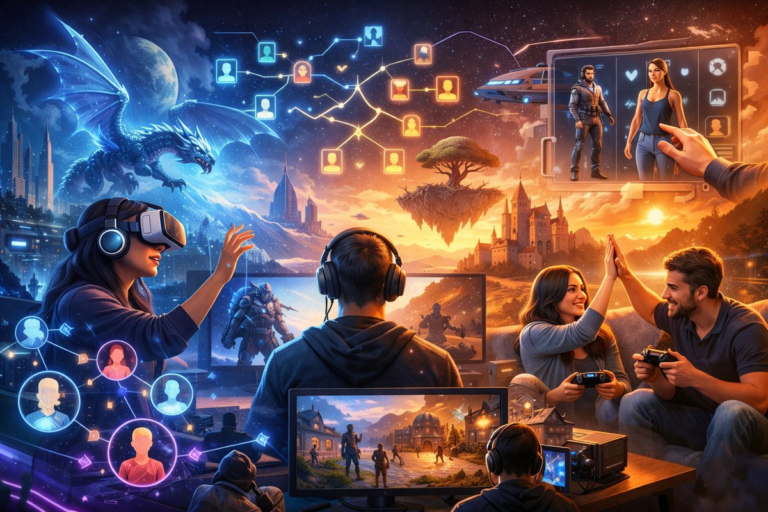
Community-building remains at the heart of this entertainment evolution. Grassroots LAN parties, once confined to basements and dorm rooms, are migrating to public cafés equipped with high-speed networks and modular furniture. Organizers host genre-specific meetups-fighting game nights, retro-console afternoons, indie showcase evenings-fostering niche fanbases. Meanwhile, film clubs are expanding their repertoire to include interactive screenings, where audience choices influence the narrative in real time, bridging the gap between passive viewing and active play.
Looking ahead, the infusion of artificial intelligence promises even deeper personalization. Game worlds that adapt storylines to individual playstyles, NPCs that learn player preferences, and venue management systems that recommend tailored event schedules are already in pilot phase. Imagine walking into a lounge where an AI concierge greets you by name, suggests a new VR experience based on your workshop attendance, or cues up a short film to match your mood.
Sustainability has also become a core value. Hybrid hubs are adopting energy-efficient servers for cloud gaming, LED fixtures for lighting, and recycled materials for furniture. At home, power-saving modes on consoles and smart outlets prevent devices from drawing energy when idle. These eco-conscious practices reduce carbon footprints and underscore a growing belief: play can-and should-be kind to the planet.
Emotional intelligence is fueling the social dynamics of hybrid play. Hosts are integrating icebreaker activities, digital badges, and real-time analytics to highlight positive behavior-teamwork, creativity, and sportsmanship-over pure competition. Virtual reality sessions often begin with guided introductions in a calming lobby area, where players can customize avatars, pick joint objectives, and foster rapport before diving into more intense scenarios.
For those looking to recreate a slice of this experience at home, a handful of practical upgrades can make a big impact. Start by creating distinct zones: a relaxed lounge area for movie marathons with plush seating and soft lighting, alongside a dedicated gaming desk outfitted with ergonomic peripherals. Invest in a reliable internet router to handle bandwidth-intensive streams and multiplayer sessions. Finally, adopt a modular approach-choose stackable shelving for game libraries, portable LED light bars for on-the-fly ambiance, and foldable controllers for easy storage.
Across both public venues and private rooms, the future of play is clearly hybrid. The boundaries between gaming, cinema, and socializing are dissolving in favor of fluid, participatory experiences. Whether you’re stepping into a neon-lit micro-arcade, tuning in to a synchronized movie-game watch party, or leveling up your own living room, today’s entertainment ecosystem invites everyone to play, connect, and co-create. And with the next wave of AI-driven personalization on the horizon, the only limit to fun may be the scope of our imagination.