Location
Mount Vernon, WA 98274

Location
Mount Vernon, WA 98274
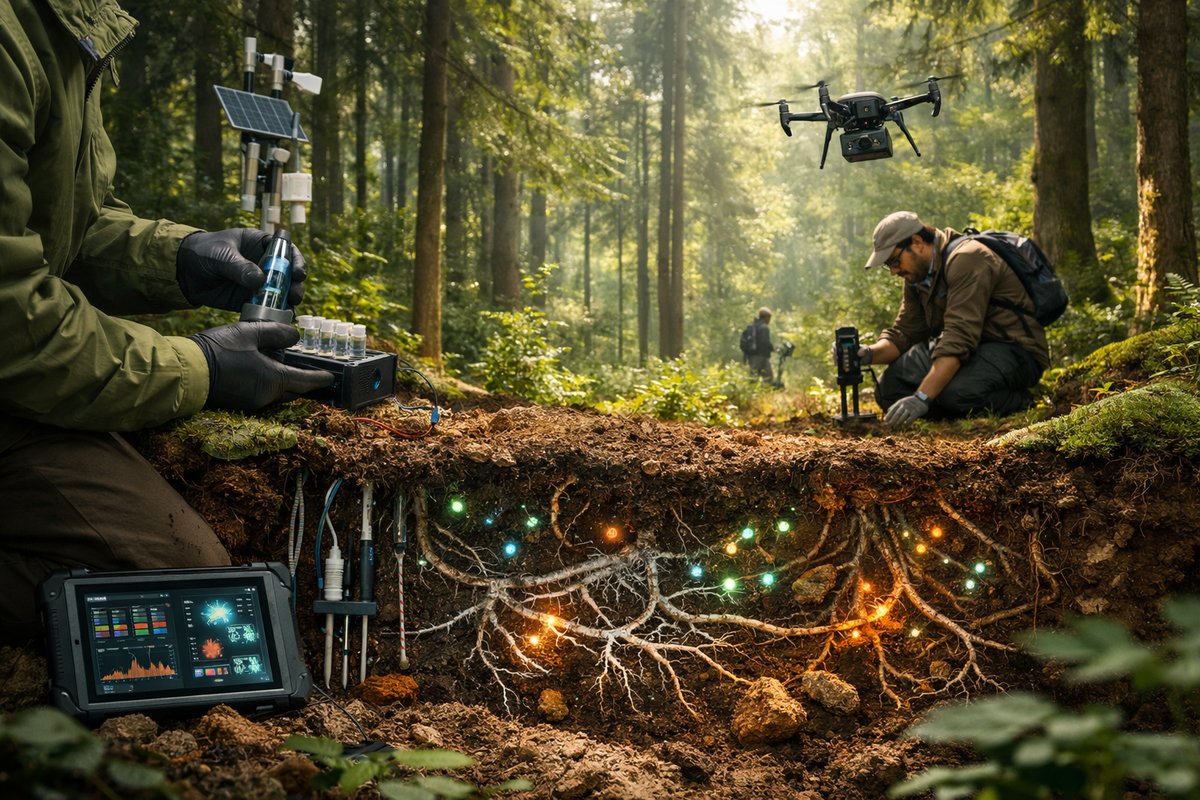
In the hush beneath forest canopies, scientists are turning their attention to the vibrant communities of bacteria and fungi that reside in soil. Cutting-edge sensors, rapid DNA samplers, and drone-based restoration techniques are illuminating how these unseen networks drive carbon sequestration, ecosystem recovery, and sustainable land management.
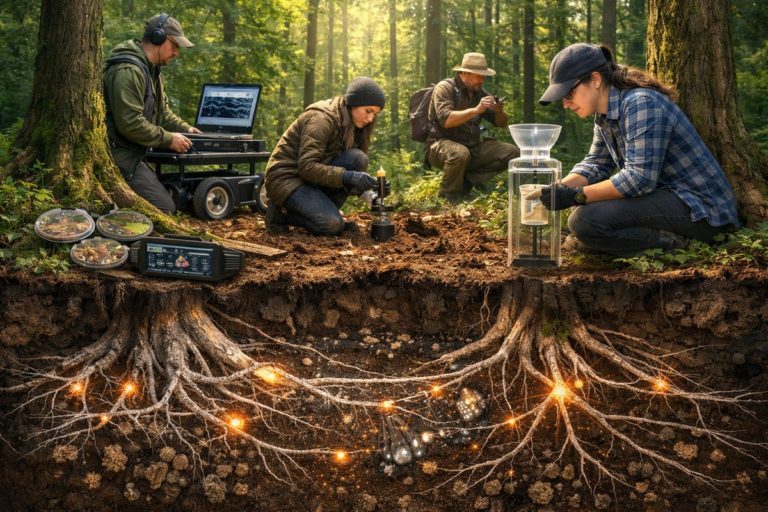
At dawn in a temperate forest, a team of soil ecologists gathers around a clearing where damp loam cradles decaying leaves and fine roots. One researcher kneels with care, pushing a slender probe into the earth to retrieve samples of the hidden world beneath our feet. Each scoop of soil is sealed in sterile vials destined for on-site analysis with portable sequencing tools and microelectronic sensors capable of detecting carbon flux and moisture gradients. In this quiet moment the boundaries between human curiosity and microbial life dissolve. This is where an emerging narrative of climate resilience and ecosystem restoration begins to take shape. Soil is far more than inert ground; it is a living archive of interactions stretching back through millennia. The team’s work signals a shift in environmental science, turning attention to the smallest organisms that hold outsized power over the planet’s health.
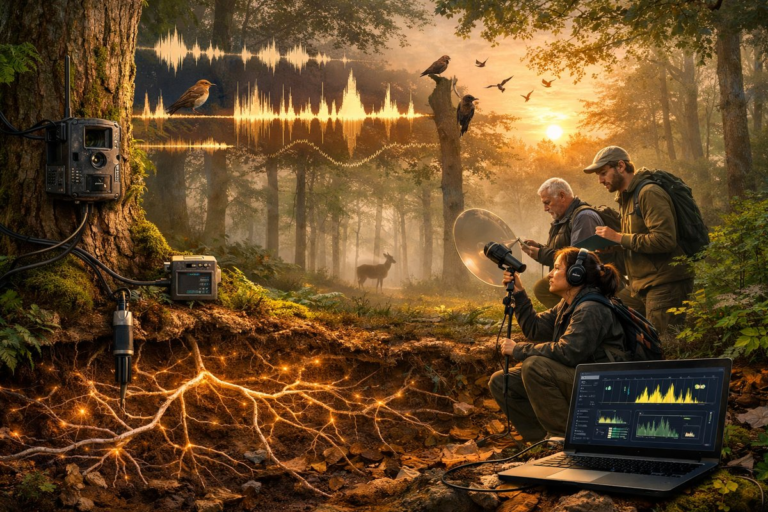
Beneath the canopy of moss-draped branches lies an intricate network of filaments known as mycorrhizae, fungi that form symbiotic relationships with plant roots. These filaments shuttle water, nutrients, and chemical signals across distances measured in centimeters, knitting together trees in cooperative alliances. Recent studies have revealed that this underground web can span entire forest ecosystems, facilitating communication that can warn trees of drought stress or predation. Scientists now refer to this as the wood wide web, a living network that rivals any digital communication system in its complexity. Understanding how these networks respond to warming temperatures and shifting rainfall patterns is critical to predicting forest resilience in the face of accelerating climate change.
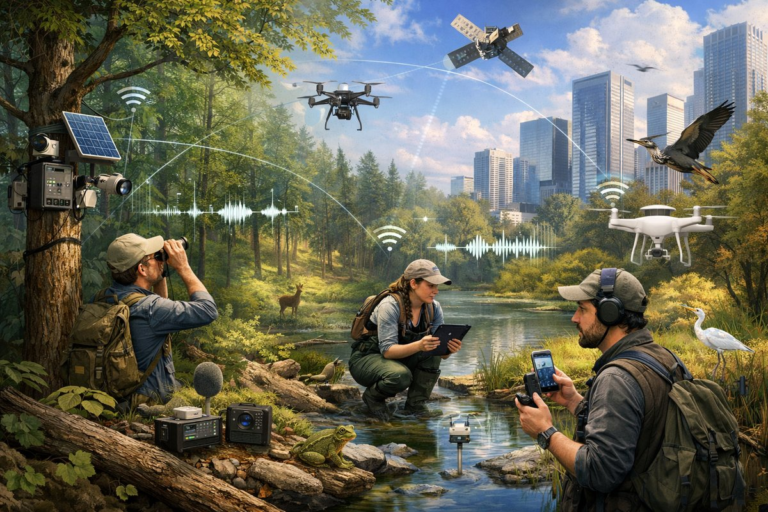
Recent advances in environmental sensor arrays have transformed the way researchers monitor these subterranean dynamics. Miniaturized gas analyzers now measure soil respiration at hourly intervals, while networked moisture probes capture fine-scale variations in water availability after a summer rainstorm. These sensors transmit data via low-power mesh networks to satellite relays, offering near-real-time insights into how soils breathe and release greenhouse gases. Meanwhile, portable environmental DNA samplers enable scientists to identify the composition of microbial communities in minutes, rather than waiting weeks for lab results. By combining sensor fusion with rapid sequencing, researchers can now track ecological shifts as they happen, responding to early warnings of ecosystem stress before entire habitats tip toward collapse.
One breakthrough in mapping microbial diversity comes from integrating quantum cascade laser spectroscopy with machine learning algorithms. In a recent field campaign, researchers directed laser pulses through soil cores to detect trace gases associated with metabolic pathways of specific microbial groups. The resulting spectra were fed into neural networks trained on thousands of laboratory samples, allowing identification of functional guilds such as methane oxidizers or nitrogen fixers. This approach has uncovered hot spots of carbon mineralization in soils long thought to be carbon sinks. It also revealed microrefugia where drought-tolerant microbial strains persist during prolonged dry spells. These discoveries are reshaping conservation strategies by pinpointing which soil patches maintain resilience during extreme weather events.
Field trials in degraded grasslands have tested the power of microbial inoculants to jump-start recovery. In partnership with ranchers managing overgrazed meadows, scientists applied blends of beneficial bacteria and fungi to denuded soil surfaces. After a single season, treated plots showed a doubling of organic matter and a 40 percent increase in native plant cover compared to untreated controls. These results suggest that fostering soil life can accelerate ecosystem rehabilitation, pulling carbon dioxide out of the atmosphere while restoring biodiversity. The trials also demonstrated the economic value of microbial amendments, as land managers reported improved forage quality and reduced erosion. Such win-win outcomes are sparking interest among farmers and practitioners seeking low-impact solutions for sustainable land stewardship.
Drone-based spore dispersal is another frontier in ecological restoration. Researchers have developed biodegradable aerial capsules that release fungal spores and seed mixtures at precise altitudes and coordinates. In post-wildfire landscapes, drones equipped with thermal imaging sensors identify hotspots of soil sterilization and distribute capsules over thousands of acres in a single flight. Early results indicate faster regrowth of pioneer species and improved soil stability compared to manual seeding. The technology promises to extend restoration efforts to remote or dangerous terrain, reducing the time and labor required for traditional methods. As drones become more energy-efficient and carbon-neutral, they offer a scalable route to rewiring damaged ecosystems with the microbial and botanical building blocks of healthy soils.
These technological advances carry profound implications for agriculture and forestry. By harnessing insights into soil microbial networks, farmers can tailor crop rotations and cover crops that cultivate beneficial microorganisms, reducing reliance on synthetic fertilizers and pesticides. Silvicultural practices informed by fungal ecology can enhance tree plantation resilience, boosting timber yields while protecting watersheds. Data-driven soil management platforms are emerging that integrate sensor feeds, remote imagery, and predictive models, guiding landowners through best practices tailored to site-specific microbial signatures. This shift toward precision ecology mirrors trends in precision medicine, treating each plot of land as a unique organism requiring personalized care. Early adopters report lower input costs and healthier yields, setting the stage for broader adoption across diverse production systems.
Yet integrating these diverse data streams poses challenges. Soil ecosystems are notoriously heterogeneous, and scaling up from small research plots to landscapes requires harmonizing methodologies and addressing uncertainties in sensor calibration. Additionally, data sovereignty and privacy concerns emerge when private landowners provide soil data that could reveal competitive information about yields or land value. Efforts are underway to develop open-source data standards and federated learning approaches that allow aggregate analysis without exposing proprietary details. Interdisciplinary teams are working to translate complex model outputs into intuitive dashboards for non-specialist stakeholders, ensuring that farmers, foresters, and land managers can interpret and act on soil health metrics without specialized training.
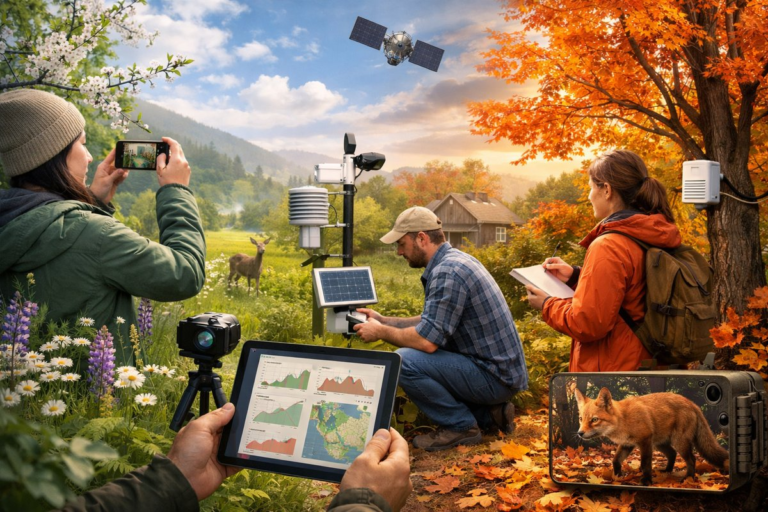
Community science projects are playing a vital role in bridging gaps between research and practice. Volunteers trained in soil sampling protocols contribute data to regional soil health maps, while online platforms enable crowdsourced classification of soil images and microbial sequences. In urban parks and schoolyards, citizen scientists deploy low-cost moisture sensors in rain gardens and pollinator meadows, sharing real-time insights into the effectiveness of green infrastructure. These grassroots efforts not only expand the spatial coverage of monitoring networks but also foster environmental literacy and a sense of stewardship. By engaging diverse communities in hands-on exploration of soil ecology, researchers hope to nurture a generation that values and protects the foundation of terrestrial ecosystems.
For policymakers and funding bodies, the message is clear: investing in soil science and microbial technology yields dividends for climate mitigation, food security, and biodiversity conservation. Recent policy briefs advocate for supporting research in soil microbiome engineering, scaling field trials of inoculants, and subsidizing the adoption of precision soil sensors by small-scale farmers. International climate agreements are beginning to recognize the importance of soil carbon sequestration, creating new incentive programs for landowners to adopt regenerative practices. As global ambition to curb greenhouse gas emissions intensifies, soil management emerges as a cost-effective and versatile strategy. Redirecting resources to this underappreciated frontier could tip the balance in the race against climate change by unlocking nature’s own capacity for resilience.
In the hush beneath the trees, where filamentous threads weave secrets of survival and regeneration, lies a hopeful vision for the planet’s future. Every sensor beep and every sequenced sample is a step toward decoding the language of soil life and restoring balance to threatened landscapes. The convergence of cutting-edge technology, microbial science, and community engagement has opened a pathway to heal degraded ecosystems and bind carbon beneath the surface. As citizens, scientists, and stewards of the land, our collective task is to listen closely to the earth’s hidden conversations and act with care. In doing so, we honor the resilience encoded in every grain of soil and safeguard the promise of thriving ecosystems for generations yet to come.