Location
Mount Vernon, WA 98274

Location
Mount Vernon, WA 98274
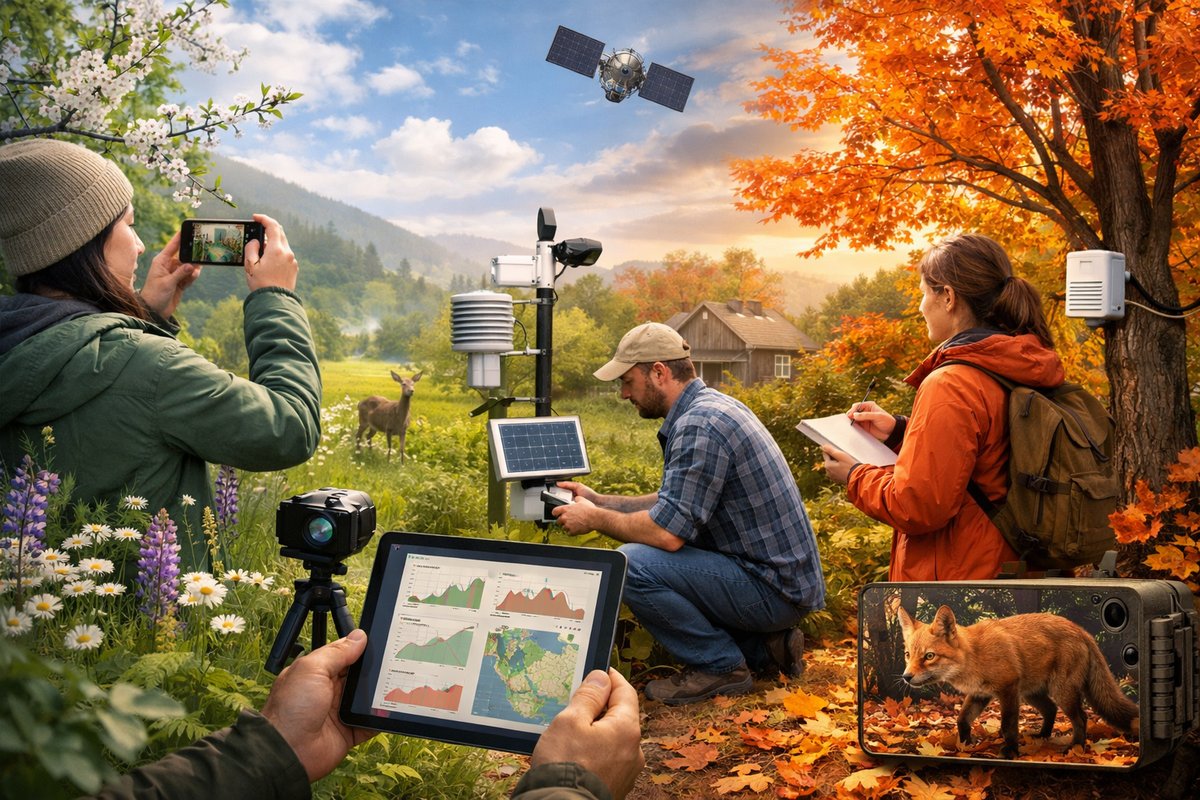
As spring buds unfurl and autumn leaves blush, a quiet revolution is reshaping how we track nature's calendar. Across rural valleys and suburban backyards, citizen scientists armed with smartphones, time-lapse cameras, and low-cost sensors are documenting seasonal shifts at an unprecedented scale. This grassroots movement is not only deepening our connection to the living world-it's fueling climate research and policy with real-time, hyperlocal data.
When morning light spills across a misty meadow, the first pale crocus petals signal a shift that echoes from mountaintops to city parks. Those delicate blooms mark more than the arrival of spring: they join thousands of observations in a vast tapestry of seasonal change. For centuries, humans have watched phenological events-migrations, budding, flowering, hibernation-as a seasonal compass. Today, that tradition is being turbocharged by digital tools and community collaboration, yielding new insights into climate-driven transformations and forging a shared sense of stewardship.
In a hillside village skirting a temperate forest, local students lean into smartphone screens to log the first robin sighting of the year. A macro lens clipped onto a phone camera captures tiny leaf buds inching open, turning minutes into magnified worlds of life unfolding. Across town, a suburban family sets up a weatherproof time-lapse camera on their oak tree. Night after night, the device frames emerging catkins and shifting constellations, stitching together animations of seasonal drama. These accessible technologies-once the province of professional labs-are now democratizing data collection, inviting anyone with curiosity and an internet connection to become a phenology correspondent.
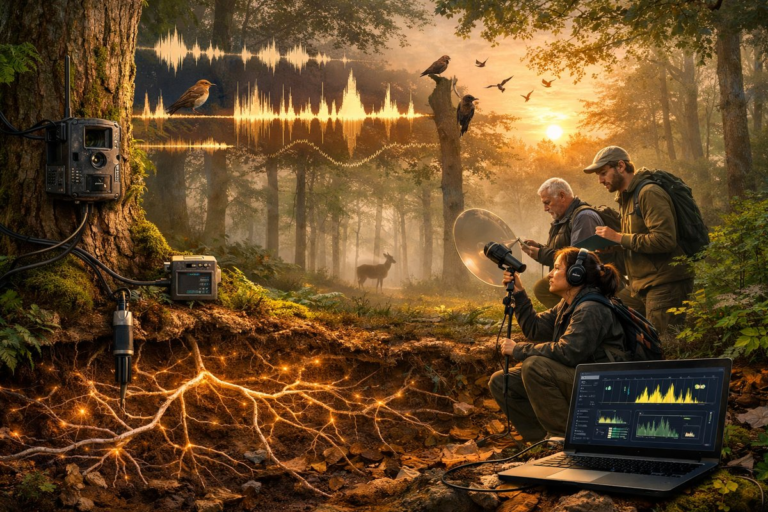
Time-lapse cameras perched on tree branches and garden fences are revolutionizing visual phenology. Equipped with infrared triggers and programmable intervals, trail and security-style cameras record changes in plant structure and wildlife activity. Enthusiasts can schedule snaps at dawn or twilight, capturing deer browsing young shoots or bees dancing among blossoms. When stitched into a video, those stills evoke cinematic journeys through the seasons. The resulting footage not only delights viewers but also provides researchers with continuous, timestamped records of events like leaf-out and pollen release-key markers for gauging ecological health under warming trends.
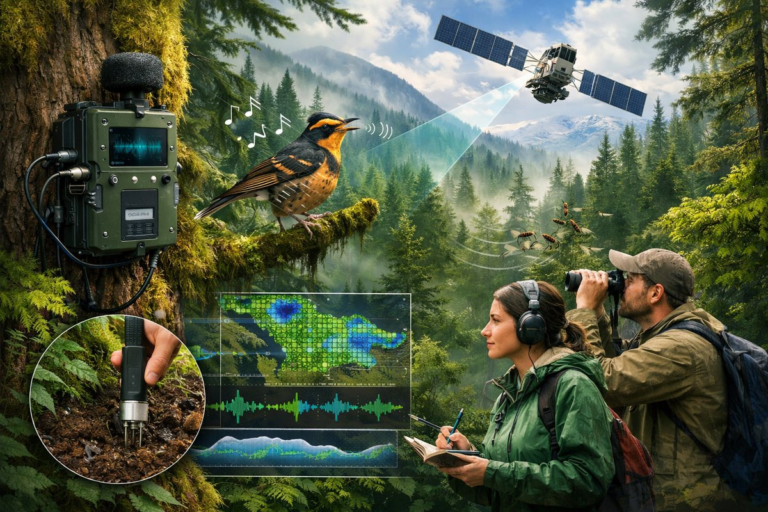
At the heart of many citizen-driven projects lies a network of backyard weather stations. Compact devices measure air temperature, humidity, rainfall and barometric pressure in real time, feeding data into open-access platforms. When paired with smartphone apps, these microclimate readings reveal how conditions vary block by block-sometimes showing warmer pockets around pavement and cooler, damp zones in shaded yards. By mapping urban heat islands and rural microclimates side by side, community scientists can spot emerging patterns that escape broad-scale monitoring. This hyperlocal granularity is a powerful complement to satellite raids, filling gaps in global climate models and improving forecasts for frost risk, drought onset and pollen season.
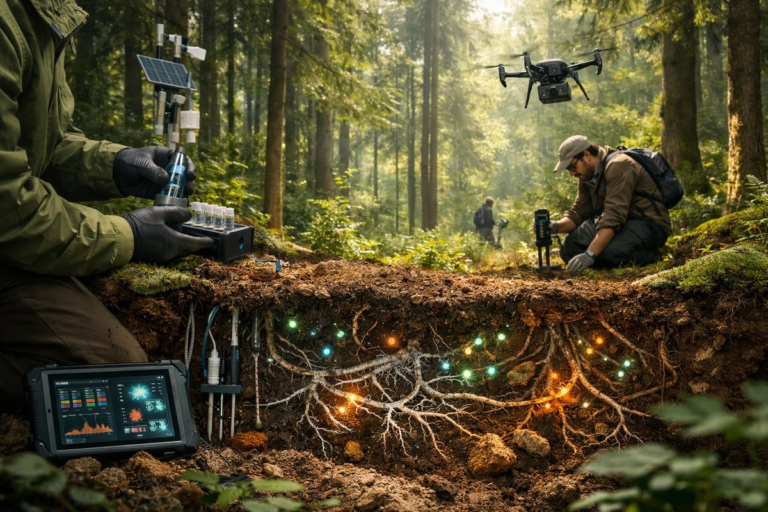
Digging below the soil surface, digital thermometers and moisture probes are adding another layer to phenology research. Gardeners and farmers insert slender sensors into flower beds, orchards and pastures to log soil temperature and water content at regular intervals. When uploaded via Bluetooth to a mobile device, those measurements become early warning signs of drought stress or optimal planting windows. In regions facing erratic rainfall, these low-cost tools help growers adapt practices on the ground, conserving water and maximizing yields. Scientists, in turn, can correlate root-zone conditions with aboveground phenological milestones, deepening our grasp of how subterranean shifts drive ecosystem responses.
Indigenous communities and traditional land stewards have long blended seasonal observation with cultural knowledge, marking emerging berries, cicada calls and salmon runs on bark calendars and oral narratives. Now, some are weaving their ancestral wisdom into digital databases alongside crowdsourced entries. Field workshops teach participants how to record sighting locations with handheld GPS units, photograph signposts of change and share contextual stories about land management practices. This synthesis of old and new knows that data points gain depth when accompanied by generational insights into rainfall cycles, soil fertility, and wildlife corridors-elements often overlooked by technology alone.
The real-time phenological network extends online, where interactive maps aggregate entries from tens of thousands of contributors. These portals filter data by event type-first bloom, leaf fall, insect emergence-offering time-lapse heat maps that illuminate advancing spring fronts sweeping northward. Teachers integrate maps into lesson plans, guiding students to compare their local timelines against regional norms. Conservationists use the platforms to pinpoint mismatches, such as pollinators arriving after peak flowering, which can disrupt food webs. Local councils consult dashboards before scheduling planting festivals or setting mowing schedules in parks, tuning municipal operations to the pulse of nature.
Policy planners and ecosystem managers are beginning to lean on citizen-gathered phenology data to craft climate adaptation strategies. In agricultural districts, forecasted shifts in planting and harvest dates inform crop insurance parameters and extension services. Wildlife agencies calibrate migration corridor protections based on trending arrival dates for waterfowl and ungulates. Even urban designers are consulting seasonal datasets to choose tree species that will bloom when allergy sufferers are fewer, or to schedule irrigated plantings during cooler months. The infusion of near-instantaneous observations is turning slow-moving policy cycles into more responsive, place-based actions.
Beyond the practical value lies an emotional transformation. As observers tune in through apps and cameras, they report a deepened sense of connection-with neighbors exchanging morning sighting alerts and families sharing time-lapse reels at dinner. Journals fill with sketches of unfolding petals and scribbled notes on bird song cadences. That attentive engagement fostered by technology reawakens a dormant rhythm within us-the ancient practice of living in sync with the natural world.
Yet challenges remain. Data quality varies as novices learn to distinguish similar species or calibrate sensors correctly. Participation skews toward communities with reliable internet access and disposable income for devices, leaving under-resourced regions underrepresented. Privacy concerns arise when location-stamped images inadvertently reveal personal spaces. Addressing these gaps requires inclusive outreach, low-tech options like printed logbooks, and clear guidelines for anonymizing sensitive site data. Only by widening the circle of participation can the phenology movement deliver comprehensive insights.
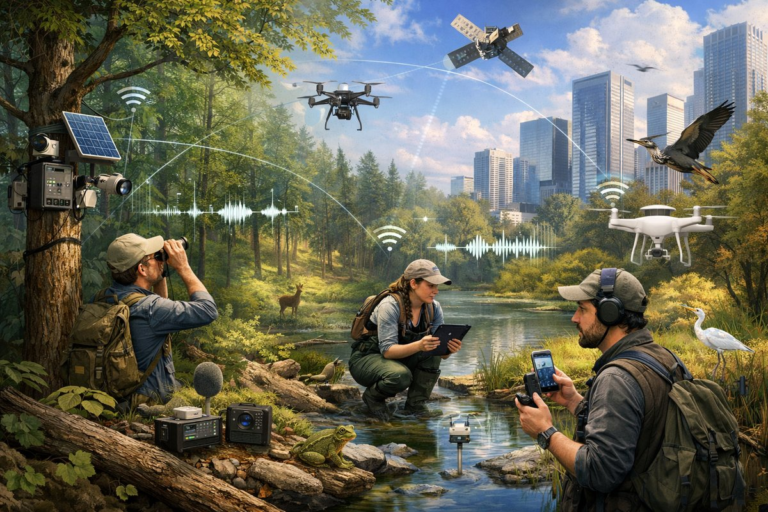
Looking ahead, advances in machine learning and edge computing promise to lighten the observational load. Automated image analysis can identify plant species from user-uploaded photos, while predictive algorithms forecast phenological events days or weeks in advance. Drones equipped with multi-spectral sensors could scan entire forest canopies for leaf-on timing, integrating seamlessly with ground-based observations. As these innovations mature, citizen scientists will shift toward roles of verification and local adaptation of model outputs, ensuring that big data remains rooted in lived experience.
For those eager to begin a personal phenology diary, the entry point is simple: look around and record. Note the date when your yard’s first daffodil unfurls, the hour of the first cicada song at dusk, the day singing finches flit through the feeder. Share that observation through a mobile app or tin-nook data card. In doing so, you become part of a vast chorus of observers, each voice attuned to nature’s seasonal song. Together, these individual notes compose a global symphony that can guide science, policy and community toward a future where humans listen carefully to the living world and act in harmony with its rhythms.