Location
Mount Vernon, WA 98274

Location
Mount Vernon, WA 98274
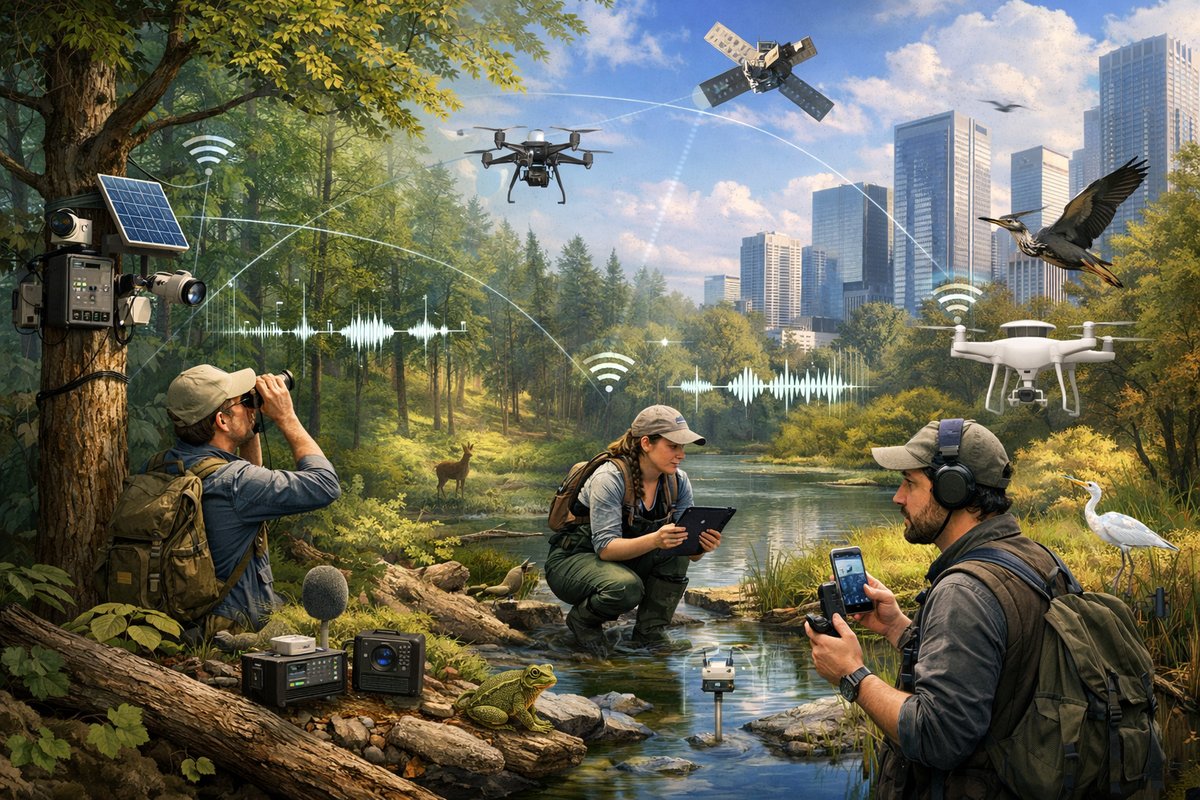
A pioneering network of sensors, drones, and community scientists is shedding fresh light on how forests, wetlands, and cities are interconnected. By blending remote monitoring, bioacoustics, and citizen observations, researchers are building a dynamic map of biodiversity and resilience-from amphibian calls in urban creeks to canopy health in protected woodlands.
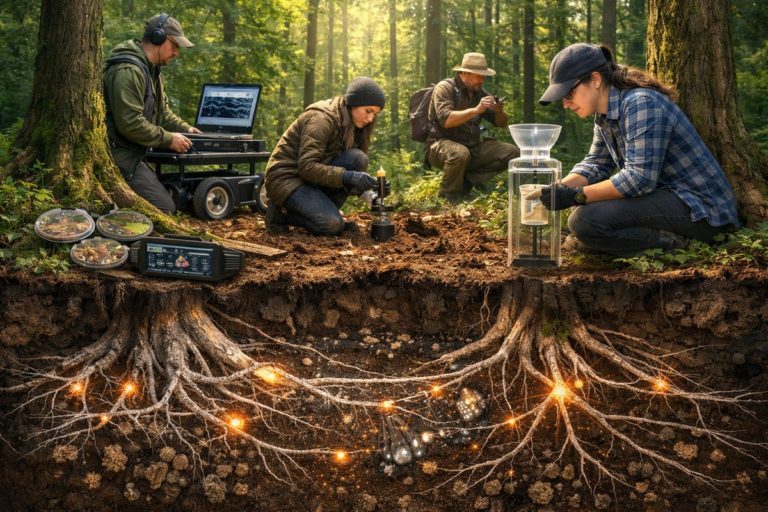
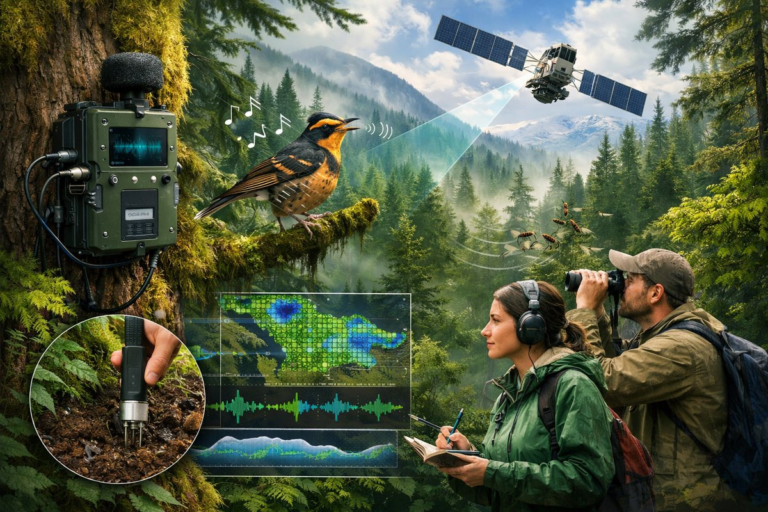
In a quiet woodland clearing, a small device the size of a paperback book listens to the dawn chorus. Across town, a sleek drone hovers above a rehabilitated wetland, its infrared camera scanning for signs of new vegetation shoots. Meanwhile, volunteers dip test strips into a trickling urban stream, logging pH levels and temperature readings into a smartphone app. This three-pronged approach-combining bioacoustic sensors, aerial surveys, and citizen science water monitoring-is part of a bold initiative aiming to weave together scattered data points into a living tapestry of ecosystem health.
The initiative, dubbed EcoLink, launched last autumn with a pilot spanning a 50-kilometer corridor of forest, river, and city parkland. Conceived by a coalition of ecologists, data scientists, and local nonprofits, EcoLink seeks to move beyond siloed studies of individual habitats. “We know species migrate, nutrients flow, and human impacts ripple across boundaries,” explains one project ecologist. “Our goal is to capture those cross-ecosystem connections in real time, so restoration efforts in one area reinforce resilience elsewhere.”
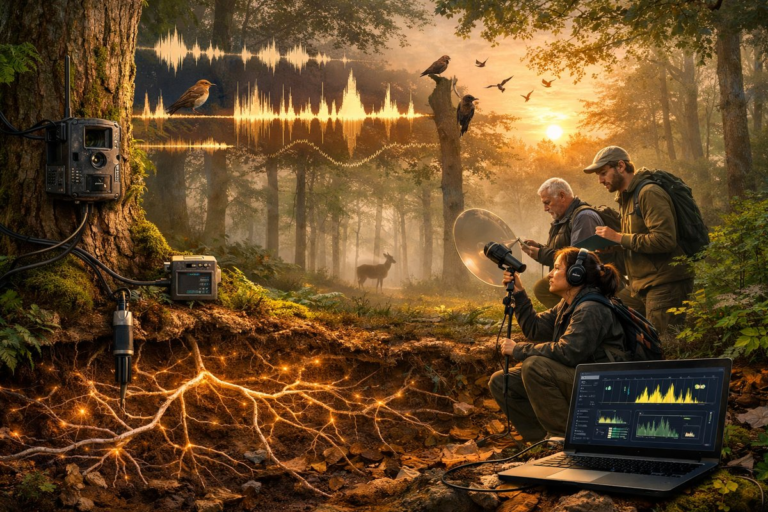
At the heart of EcoLink’s strategy are compact bioacoustic recorders installed on tree trunks and fence posts. Priced under a few hundred dollars each, these solar-powered units continuously log ambient sounds. Advanced software then parses out bird songs, amphibian calls, and even the buzz of insect communities. In the pilot phase, the network has recorded more than 120 distinct species across dawn and dusk samples, including several that hadn’t been confirmed in the region for over a decade.
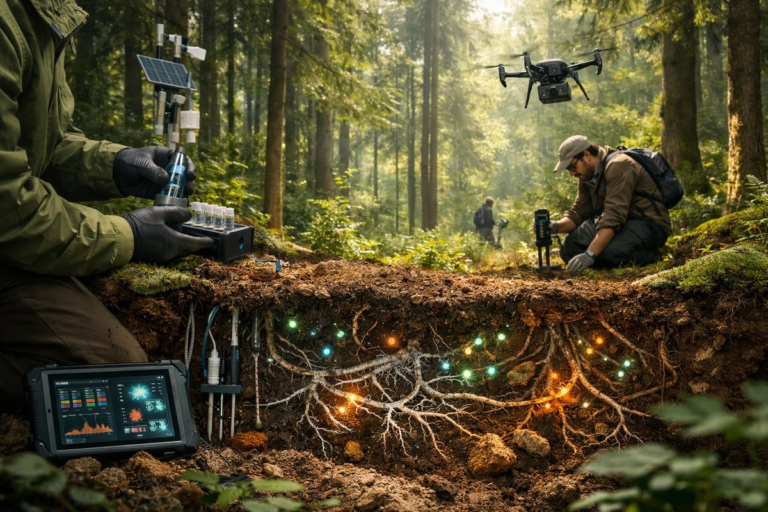
Meanwhile, drones equipped with multispectral and thermal cameras scan the forest canopy and wetland fringes every two weeks. By analyzing leaf reflectance patterns and surface temperatures, researchers can pinpoint stressed stands of trees suffering from drought or disease. In one case, an infrared drone flight triggered an early response to an emerging pathogen outbreak among saplings-allowing managers to apply targeted treatments before the infection spread.
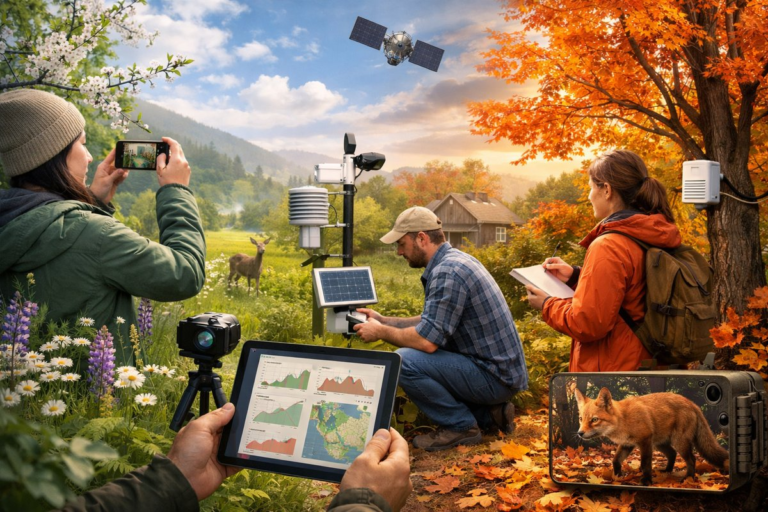
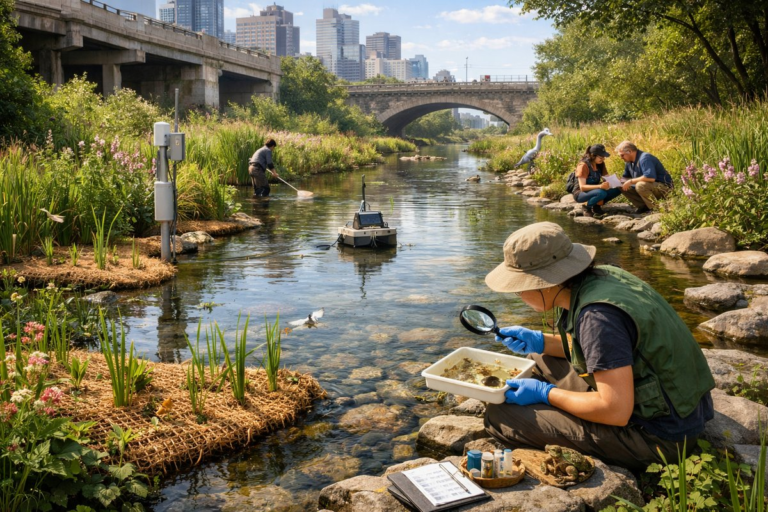
Downstream in a revitalized urban creek, citizen volunteers play an equally crucial role. Armed with water quality test kits, they measure parameters like dissolved oxygen, turbidity, and nitrates. Data uploads populate a public dashboard that flags potential pollution spikes. In a recent incident, elevated nutrient levels traced back to a malfunctioning stormwater grate prompted swift municipal repairs, safeguarding sensitive amphibian breeding pools.
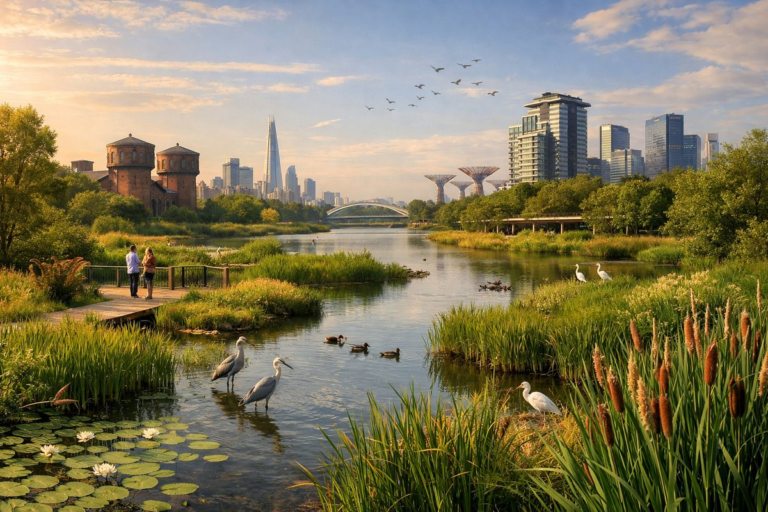
Interwoven data streams have already yielded unexpected insights. Analysis showed a clear correlation between decreased frog call activity in early spring and higher nocturnal urban temperatures-linking city heat islands to downstream declines in amphibian reproduction. Armed with this knowledge, the EcoLink team is collaborating with urban planners to expand tree canopy cover along key corridors, aiming to moderate temperatures and preserve habitat continuity.
EcoLink’s modular design encourages expansion. New sensor nodes can be added easily, while drone flight paths are updated via open-source software. Local schools have embraced the platform as a teaching tool, with students deploying sensors in backyard gardens and identifying insect species via smartphone apps. “It’s empowering to know our data feeds into regional conservation efforts,” says a high school program leader. “Kids get firsthand experience in environmental stewardship.”
Behind the scenes, a cloud-based analytics engine ingests terabytes of raw audio, imagery, and water-quality logs. Machine learning models sift patterns that human observers might miss-such as shifts in nocturnal insect frequency or subtle thermal anomalies indicating emerging algal blooms. These automated alerts reach researchers and land managers via短信 or email, streamlining decision-making across jurisdictions.
The project team is also forging partnerships with regional climate scientists, integrating EcoLink data into larger predictive models. Early results suggest that preserving upstream canopy cover can significantly buffer temperature and flow variability downstream-critical under scenarios of more extreme rainfall and drought. Such findings strengthen the case for landscape-scale conservation, illustrating how investments in one habitat ripple benefits across river basins and urban centers alike.
Yet challenges remain. Maintenance of sensor hardware in remote woodlands demands coordinated field crews, while drones still require regulatory approvals for certain flight zones. Data privacy concerns surface when geotagged citizen observations inadvertently reveal private property details. EcoLink addresses these issues through robust community engagement, clear data-use policies, and rotating maintenance schedules that blend professional staff with trained volunteers.
Looking ahead, the network’s architects envision adding underwater acoustic sensors to track fish migrations in connected waterways, and expanding into adjacent agricultural lands to monitor pollinator movement. Partnerships with conservation finance groups are exploring payment-for-ecosystem-services models-where landowners receive compensation based on measured improvements in biodiversity or water quality.
As dawn breaks over the corridor, the bioacoustic recorder captures the first call of a returning migratory warbler. A few kilometers away, the drone’s latest flight logs show a healthy burst of new growth along a wetland bank. And in a city neighborhood, a group of volunteers gear up for another evening of stream sampling. Together, these efforts form the living spectacle of EcoLink-a testament to how sensors, community passion, and data science can reveal nature’s hidden threads and guide us toward a more resilient future.