Location
Mount Vernon, WA 98274

Location
Mount Vernon, WA 98274
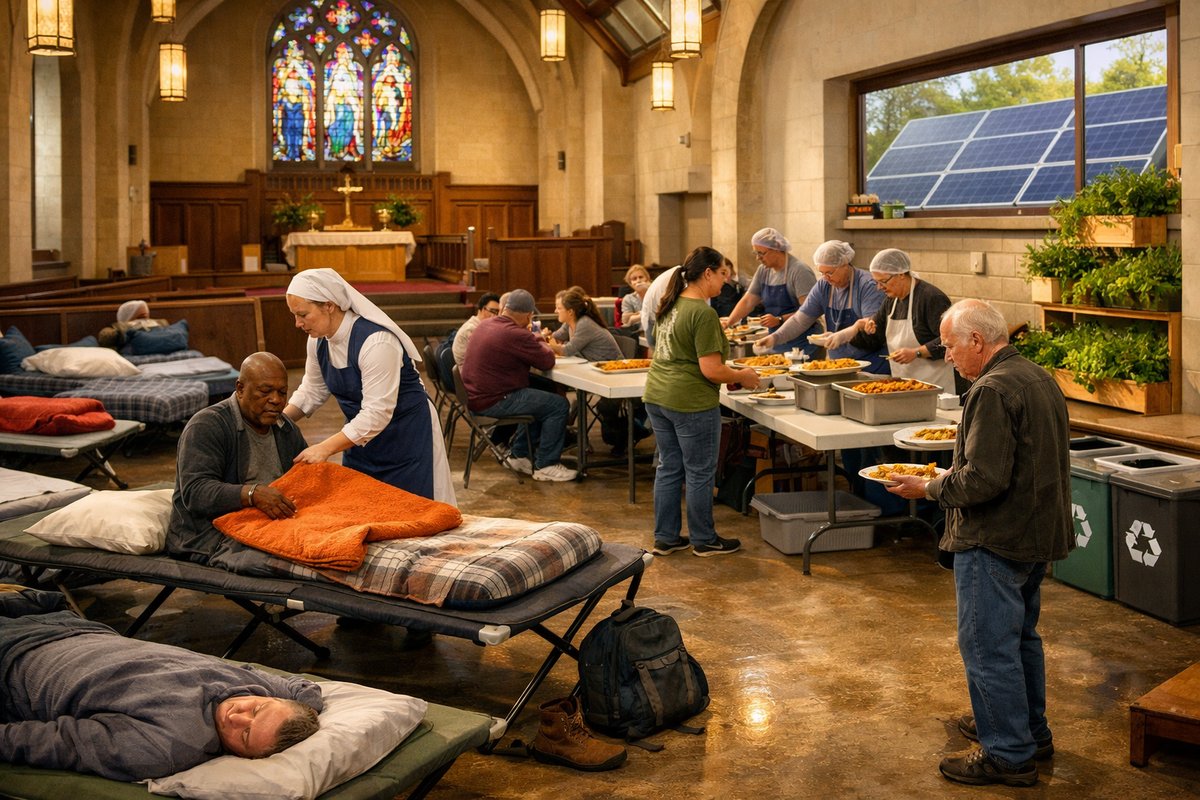
In cities across the nation, faith communities are transforming sanctuaries into safe havens for people experiencing homelessness. From pop-up night shelters in church basements to faith-rooted meal programs and green building projects, these initiatives blend compassion, sustainability, and practical care to meet urgent needs.
Night falls over the city skyline, but for dozens of people seeking refuge, the lights inside a small brick church burn late into the evening. The fellowship hall at St. Mark’s Community Church has been repurposed into cots and low-profile sleeping areas, each outfitted with an insulated emergency blanket and a portable sleeping bag donated by local volunteers. A long table near the entrance holds hot soup and sandwiches, served up by members of Grace Outreach Ministries.
This scene isn’t a one-off event. In recent months, neighborhood churches have mobilized resources to confront a growing urban crisis: nearly 600,000 people experiencing homelessness nationwide on any given night, according to the latest federal housing report. While many shelters operate independently, faith communities are stepping in to fill gaps-offering not only shelter, but emotional support, job training, and access to medical care.
As city officials scramble for long-term solutions to rising housing costs and economic displacement, pastors and lay leaders are widening the scope of traditional charity. “We realized that offering a meal once a week wasn’t enough,” says one volunteer coordinator. “People need dignity, privacy, and a path forward.”
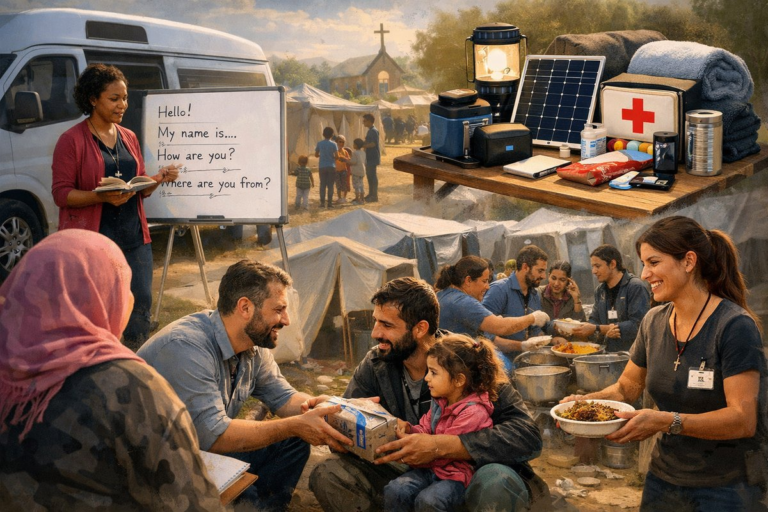
In downtown communities, an ecumenical coalition known as Urban Sanctuary Network has retrofitted four church buildings into rotating night shelters. Each site operates for two weeks at a time, creating a predictable schedule that allows clients to plan ahead. Volunteers accompany residents to local clinics and job workshops, equipping them with sturdy work gloves and transportation vouchers. When temperatures plummeted last winter, members of the network shipped in insulated blankets and heavy-duty LED lanterns to keep everyone safe through power outages.
Faith and Sustainability
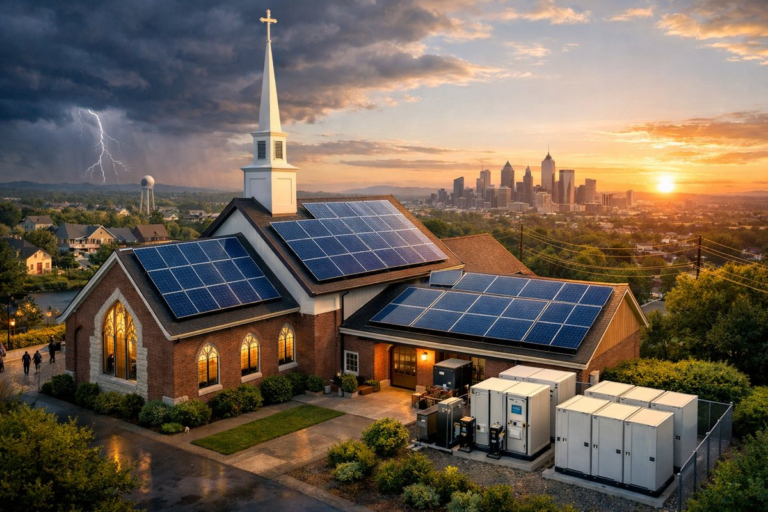
Beyond immediate relief, some congregations are embedding sustainability into their programs. One example: Christ Covenant Church partnered with a local green-building nonprofit to convert unused church office space into modular shelter units built from reclaimed wood and recycled insulation panels. Solar panels on the roof help power lighting and charging stations, while a rainwater collection system provides water for sanitary stations and kitchen prep. This approach not only reduces the church’s environmental footprint-it cuts operational costs, freeing up funds for case management and counseling services.
“Our faith calls us to stewardship of creation,” says the building committee chair. “By investing in eco-friendly infrastructure, we honor that call and extend hospitality to our neighbors.”
Meeting Holistic Needs
Safe sleep and meals address basic survival, but many who find themselves without permanent housing also face mental health challenges and social isolation. To bridge this gap, congregations are recruiting social workers and licensed counselors to work alongside clergy. In one pilot program, trained volunteers distribute first aid kits and hygiene packs-complete with soap, toothbrushes, and shampoo-while offering confidential check-ins and prayer moments.
Weekly worship services are held at shelters, with portable audio speakers and projectors set up to accommodate gatherings. Attendance fluctuates, but for many guests, these moments provide a sense of belonging. One shelter resident commented, “I haven’t felt seen in years. Coming here reminds me of family.”
Volunteers also facilitate small-group discussions on topics like financial literacy and resume building. Local nonprofits donate meal prep container sets so that leftovers from community dinners can be portioned out in microwavable containers-allowing guests to carry nourishment with them during the day.
Collaboration and Funding
Collaboration has been key. City officials have begun streamlining permitting for temporary shelters on church properties. Philanthropic foundations have awarded grants to faith-based coalitions that pilot innovative models. And tech volunteers have set up solar-powered Wi-Fi hotspots, enabling residents to search for jobs, access telehealth services, and stay connected with family.
However, funding remains a challenge. Many congregations rely on small-scale fundraisers-bake sales, holiday gift drives, and community garage sales-to cover operating expenses. Some have negotiated bulk discounts on supplies like reusable meal containers and sleeping bags; others have launched online giving campaigns emphasizing privacy and donor anonymity.
Stories of Resilience
Among the success stories is a woman who secured stable housing after participating in a six-month mentorship program hosted by a coalition of Lutheran, Methodist, and non-denominational churches. Through weekly check-ins, she rebuilt her credit score and learned to navigate the rental market. Today, she volunteers alongside new residents, distributing donated sleeping bags and encouraging others not to lose hope.
Another young man credits the church’s evening prayer gatherings for helping him overcome addiction. The combination of spiritual practice and peer support-held in the same hall where volunteers once served soup-proved transformative.
Looking Ahead
As winter approaches, faith communities are planning expanded shelter hours, emergency supply drives, and partnerships with medical outreach teams. Churches in multiple districts have already begun stockpiling menstrual care kits, socks, and thermal hats. They’re exploring options for installing on-site laundry facilities to offer basic hygiene services, recognizing that clean clothes can be a stepping stone back into employment.
Some leaders hope that these faith-based models will inspire secular organizations to adopt similar practices-prioritizing dignity, privacy, and holistic support over temporary fixes.
A Call to Action
The rise of sanctuary-turned-shelter initiatives demonstrates how faith in action can reshape urban landscapes. By combining compassion with sustainable design and professional social care, churches are creating blueprints for community-centered solutions. As more congregations join the effort, the hope is that homelessness will no longer be met with crisis response alone, but with enduring pathways to stability and renewal.
Whether through donated meal prep containers or the quiet comfort of a prayer circle, these projects remind us that every act of hospitality has the power to restore dignity-and that faith communities remain vital partners in addressing society’s most pressing challenges.