Location
Mount Vernon, WA 98274

Location
Mount Vernon, WA 98274
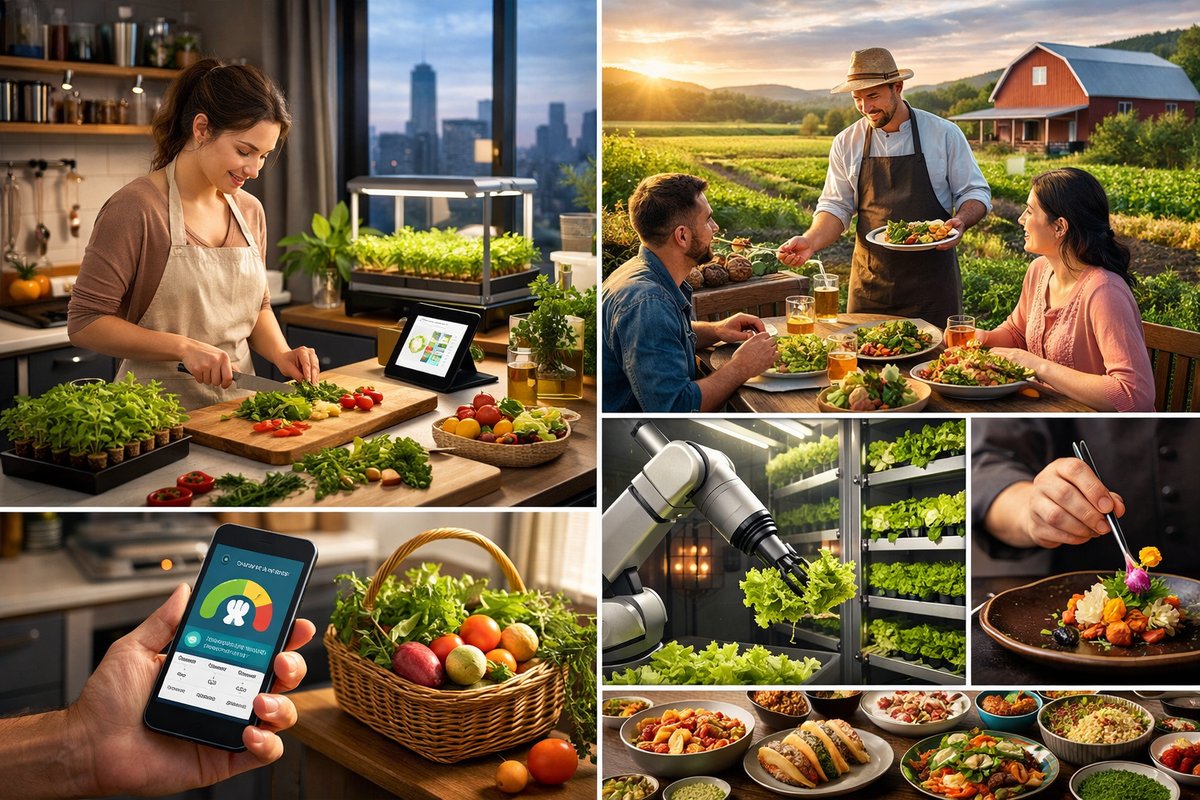
From urban home kitchens to farm-to-table restaurants, new culinary forces are redefining how we source, prepare, and enjoy our meals. In a world driven by sustainability, technology, and cross-cultural curiosity, five emerging trends are guiding us toward more mindful, connected dining experiences.
In bustling city apartments and rustic country kitchens alike, a quiet revolution is unfolding. Long gone are the days when meals were simply about sustenance. Today, cooking has become a statement-an act of ethical engagement, technological experimentation, and sensory storytelling. As diners and home cooks seek deeper connections with the ingredients, the people who grow them, and the broader food system, five defining currents are shaping our plates and our perspectives.
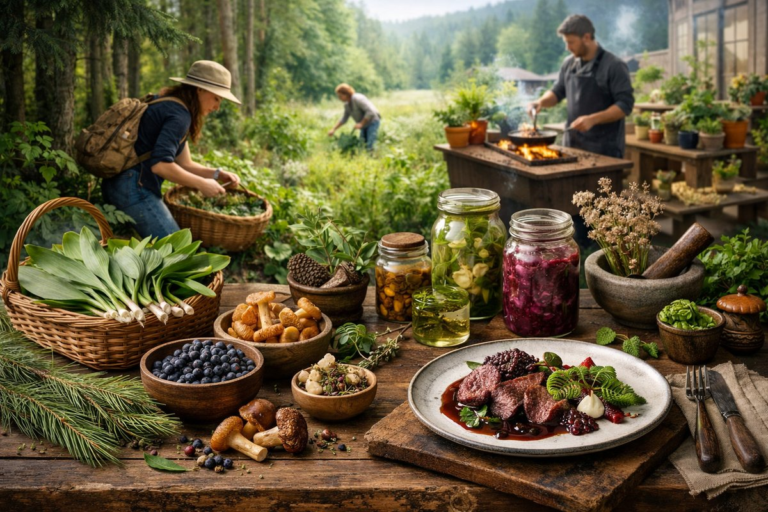
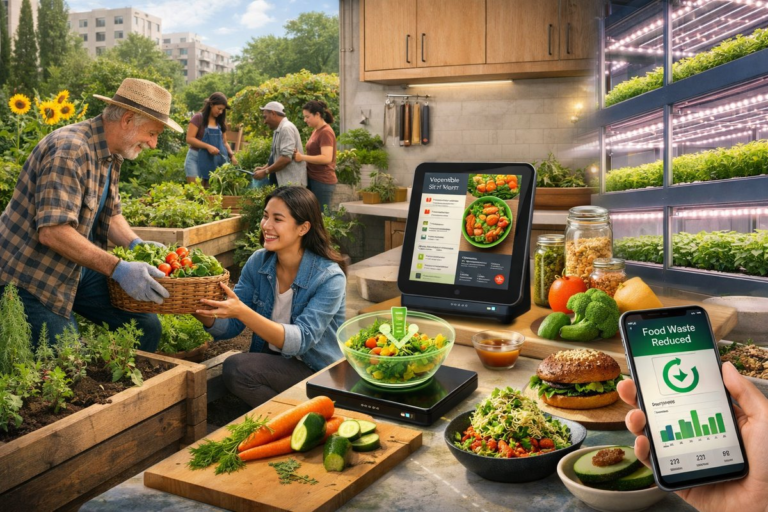
One of the most profound shifts is the embrace of regenerative agriculture and hyper-local sourcing. Beyond the familiar mantra of “farm to table,” a growing number of chefs, community organizers, and home cooks are supporting soil-regeneration projects that prioritize biodiversity, carbon sequestration, and water conservation. Micro-farms tucked into vacant lots are supplying nearby bistros with lettuces ripened under the same sun that warms the kitchen. Meanwhile, mobile butchers and seafood co-ops cut out long supply chains, delivering grass-fed meats and line-caught fish directly to doorsteps. This shorter, more transparent journey builds trust and reduces carbon footprints while allowing cooks to articulate the story behind every leaf of kale or slab of salmon.
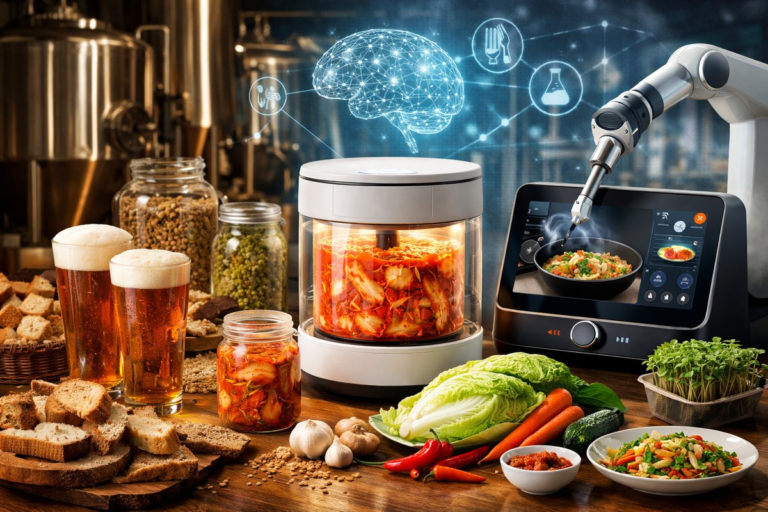
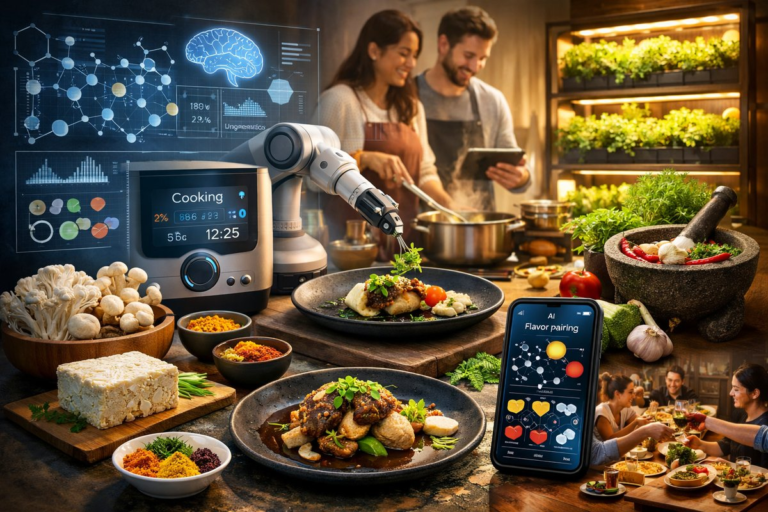
Technology is weaving its way into even the most time-honored culinary traditions. Home chefs are experimenting with precision tools once reserved for professional brigades: immersion circulators for sous-vide tenderness, instant-read thermometers synced to smartphones, and countertop fermentation chambers that maintain perfect temperatures and humidity for kimchi, sauerkraut, and kombucha. AI-powered recipe platforms can suggest flavor pairings based on chemical profiles, recommending the unexpected match of roasted carrots with pistachio dukkah or citrus-cured mackerel dusted in smoked paprika. These digital helpers don’t replace intuition; they act as curious collaborators who expand the boundaries of what we can taste and explore.
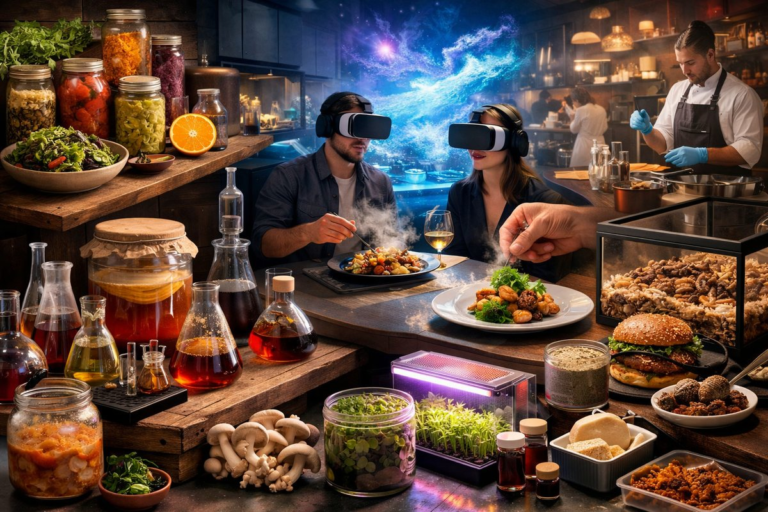
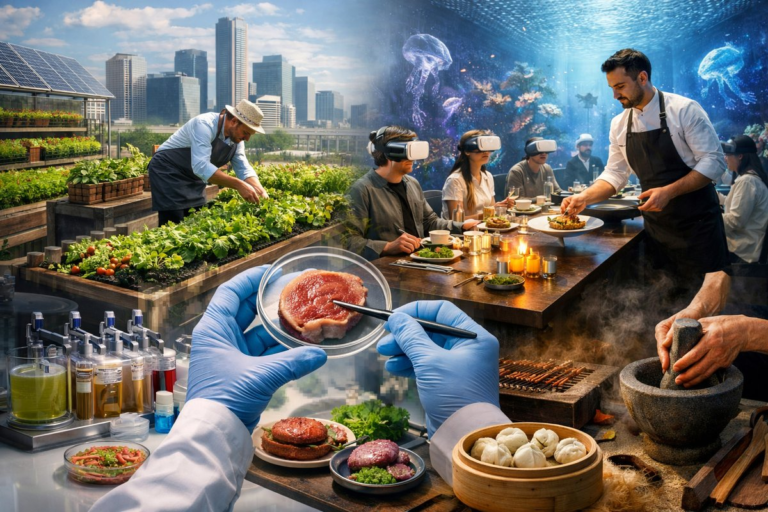
Immersive, multi-sensory dining experiences are gaining traction beyond exclusive pop-ups and design-studio dinners. Think of a meal where projected images of swirling oceans complement a seaweed salad, while curated playlists heighten the crunch of a perfectly blistered tortilla. Some ambitious dining rooms incorporate subtle scent diffusers, releasing woodland aromas during foraged-mushroom courses to transport guests into the forest. Others use tactile elements-tables dressed with sand or gravel under glass panels-to visually and physically connect the diner to the terroir of regional grains. This blending of art, gastronomy, and technology heightens awareness and forges emotional bonds with each plate.
At home, fermentation has entered a golden age. Social media communities dedicated to house-made misos, hot sauces, and artisan vinegars have seen membership swell by more than 40 percent in recent months. DIY enthusiasts are building pantries stocked with bubbling jars of lacto-fermented pickles alongside wild-yeast sourdough starters that develop rich, tangy notes over weeks. This revival of age-old preservation methods reflects a desire to engage with processes that unfold slowly, demanding patience and rewarding resilience. Each batch carries the fingerprint of its maker: the local milk proteins that feed kefir grains, the particular strains of yeast caught from an open window, or the unique spice blends stirred into kimchi brine.
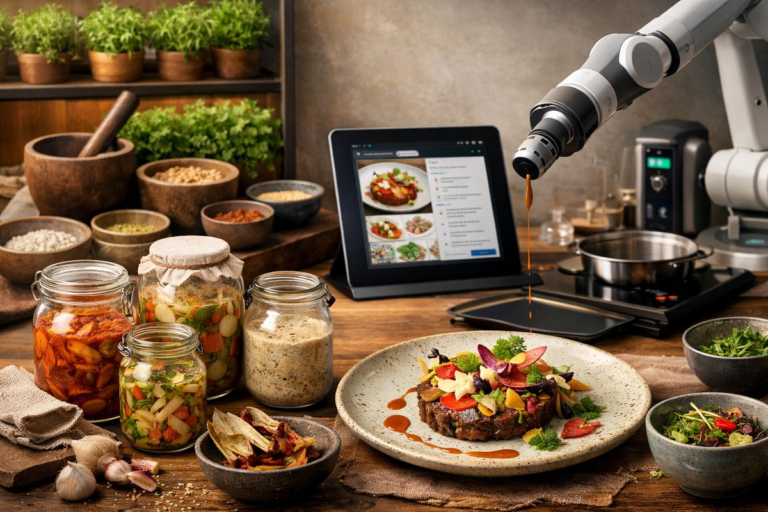
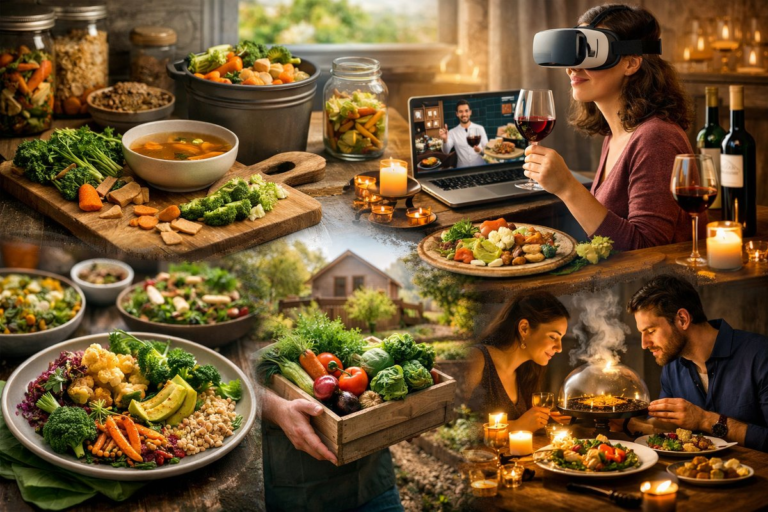
Plant-forward indulgence is no longer a niche interest but a mainstream expectation. Meat alternatives crafted from pea protein and mycelium are finding their way onto fine-dining menus, while edible flowers, heirloom grains, and avocado-based spreads elevate comfort dishes to artful presentations. At the same time, zero-waste strategies are moving from back-of-house good intentions into everyday cooking. Crisped vegetable peels become soup toppers, stale bread transmutes into piquant croutons, and fruit pits and rinds are steeped into fragrant syrups and oils. Even oil infusions made from herb scraps add depth to dressings and marinades without generating a scrap of waste.
Behind every trend lies a communal heartbeat. Neighborhood kitchens are hosting monthly potlucks where attendees swap seasonal harvests, fermentation jars, and seed packets. Virtual workshops connect a global network of fermenters who troubleshoot batches in real time, while online farmer-to-chef forums foster direct dialogue between those who grow food and those who prepare it. In these shared spaces, the simple act of passing a dish across the table becomes a statement of solidarity, curiosity, and respect for the arc of nourishment-from seed and soil to hands and heart.
As these five currents intertwine-regenerative sourcing, precision tools, multi-sensory experiences, fermentation revival, and plant-centric creativity-they form a dynamic ecosystem that reimagines what food can mean. It’s no longer just about flavor, nutrition, or convenience. It’s a holistic practice that honors the planet, celebrates diverse traditions, and harnesses innovation to enrich every bite. Whether you’re a professional chef or a first-time dinner-party host, this moment invites you to become an active participant in a movement that transcends the plate and invites connection at every step.
The future of food is alive and unfurling in home kitchens, community gardens, and experimental restaurants alike. By engaging with these emerging trends, we can cook with intention, eat with empathy, and savor each meal as both nourishment and narrative. So preheat your oven, fire up your fermenting jar, or dust off that cast-iron pan. A new era of cooking beckons, where each recipe is a doorway to discovery, and every shared dish is an invitation to build a better table for all.