Location
Mount Vernon, WA 98274

Location
Mount Vernon, WA 98274

A wave of innovation is reshaping kitchens and dining tables around the world, blending ancient practices with cutting-edge technology. From home fermentation revivals to AI-driven recipe assistants and zero-waste plate presentations, the latest culinary movements champion sustainability, cultural curiosity, and deeper connections to what we eat.
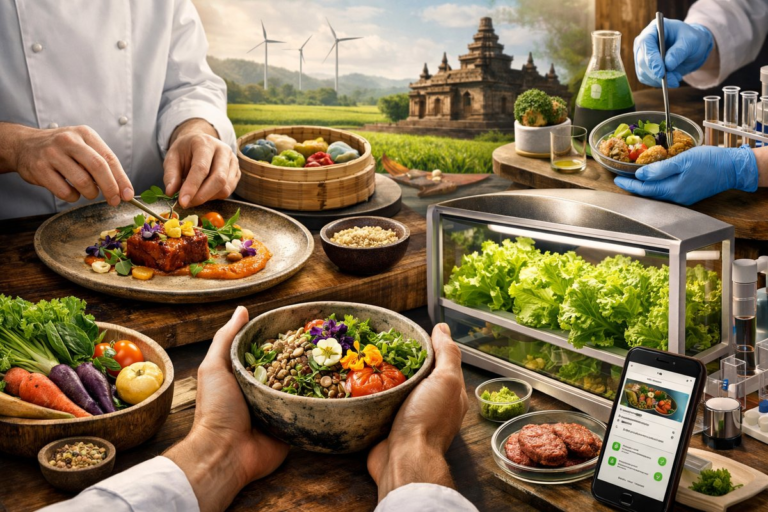
Across bustling urban apartments and quiet rural kitchens alike, a quiet revolution in how we grow, cook, and consume food is taking root. Amid rising concerns about climate impact, supply-chain fragility, and social justice, chefs, home cooks, and entrepreneurs are reimagining every stage of the food journey. Today’s culinary trends spotlight a powerful combination of hands-on tradition and digital wizardry-transforming fermentation crocks and indoor gardens into high-tech labs of flavor exploration.
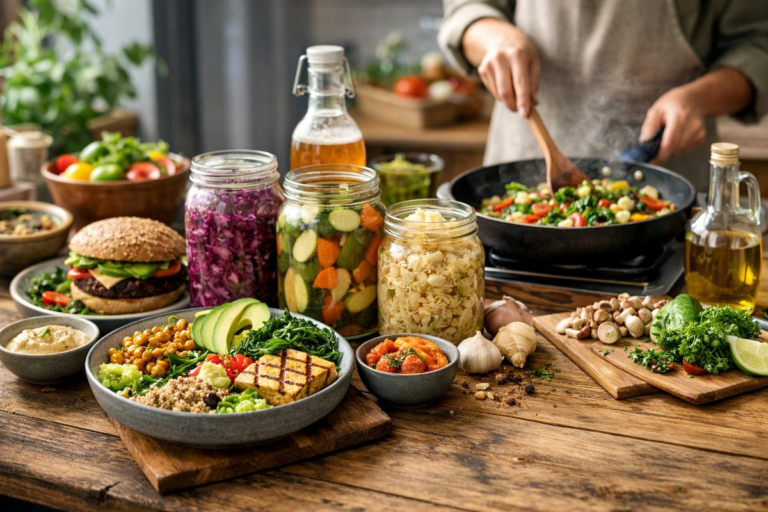
Long before smartphones curated recipe feeds, fermentation was an age-old method for preserving produce and enhancing nutrition. Now, modern home cooks are rediscovering that same slow alchemy, armed with temperature-controlled fermentation crocks, pH-monitoring sensors, and online communities sharing precise starter cultures. From tangy kimchi made with backyard-foraged seaweed to homemade miso churned from local grains and beans, fermentation has become a conduit for zero-waste cookery and a celebration of regional biodiversity. The result is both greater food sovereignty and creative license to infuse unexpected ingredients into staples like sauerkraut and pickled vegetables.
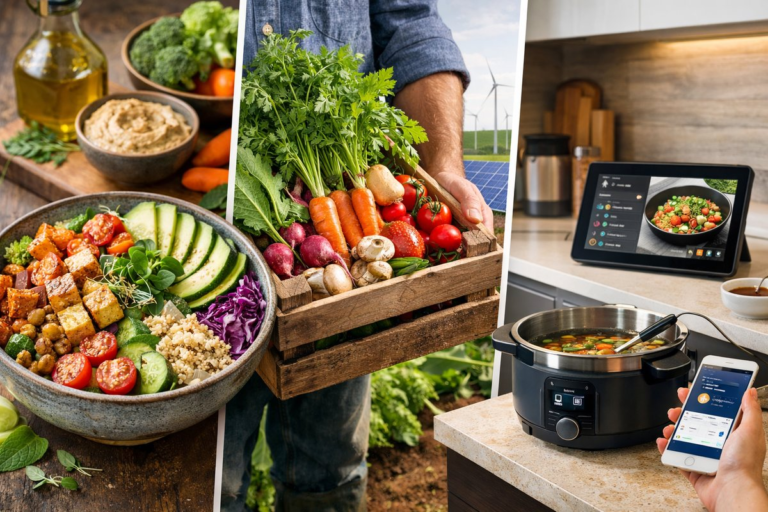
While fermentation revivals tap into ancient wisdom, digital platforms are racing to become the next indispensable kitchen companion. Imagine a voice-activated recipe app that uses AI to scan the contents of your fridge, suggests meals tailored to your dietary needs, and even adapts cooking times based on local humidity or air pressure. Some emerging services integrate with smart ovens and induction cooktops, automatically adjusting heat profiles to prevent overcooking. Others leverage computer vision to detect doneness or plate presentation, offering real-time feedback on texture and color. For many home cooks, these tools are shifting the boundary between professional techniques and everyday meal prep-lowering the barrier to mastering sous-vide, tempering chocolate, or pulling the perfect loaf of sourdough.
Simultaneously, the zero-waste ethos has drifted from the margins to mainstream menus. Michelin-starred kitchens and neighborhood cafés alike are championing nose-to-tail butchery, root-to-stem foraging, and the creative upcycling of food by-products. One chef turned spent coffee grounds into a rich cocoa substitute, while another transforms carrot tops into a pesto with a zesty green bite. On the retail front, bulk-shopping clubs and package-free storefronts entice shoppers with refill stations for grains, oils, and even kombucha. These initiatives not only cut landfill waste but also spark inventive new dishes and snack concepts-reinforcing the idea that sustainability and flavor can be partners rather than compromises.
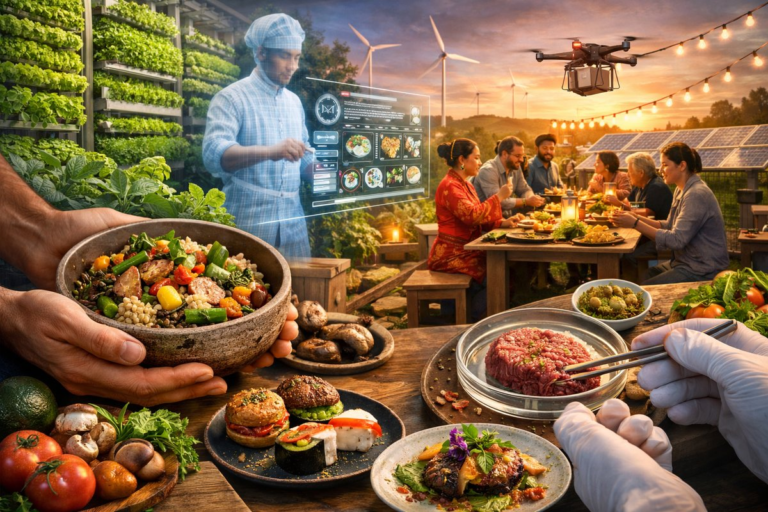
At the same time, urban agriculture is sprouting on balconies, rooftops and spare countertops. Compact hydroponic and aeroponic systems enable anyone to grow leafy greens, microgreens and herbs year-round-independent of climate or soil conditions. Some setups even boast app-based dashboards to monitor light cycles, nutrient levels and water quality. For cities coping with supply interruptions, these countertop farms represent a crucial pivot toward localized resilience. Beyond leafy greens, pilots of indoor mushroom cultivation kits promise homegrown gourmet and medicinal varieties, while small-scale insect farms are quietly testing edible crickets and mealworm powders as protein-rich additives for baked goods and smoothies.
In parallel, the rise of plant-based products is entering its next evolutionary phase. Beyond the initial wave of burgers made from legumes and soy, innovators are exploring hybrid formulations that blend mushrooms, microalgae and ancient grains to craft dairy-free “cheddars” with melt-and-stretch properties. Precision fermentation is unlocking the potential to produce collagen, egg white proteins and casein analogues without animal slaughter-laying the groundwork for lab-cultivated seafood, foie gras and artisanal cheeses. As distribution networks scale and production costs decline, these category-bending ingredients are appearing on pizzerias, gastropub menus and meal-kit services, challenging our assumptions about what constitutes authentic flavor.
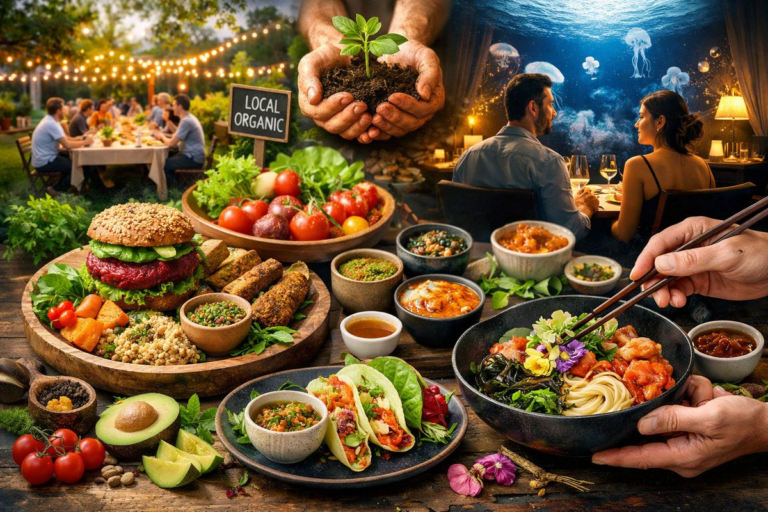
But culinary innovation isn’t fueled by technology alone. A deeper social movement is driving chefs and farmers to reexamine the stories behind every plate. Food justice collectives are forging partnerships between urban growers and underserved communities, offering cooking workshops that revive ancestral recipes and teach skill sets for new food enterprises. Agri-tech entrepreneurs are building blockchain platforms to trace produce back to remote cooperatives, granting consumers full visibility into ethical practices from seed to sale. Crowdsourced mapping projects are documenting indigenous crop varieties at risk of extinction-preserving genetic diversity and cultural heritage in the face of climate volatility.
At the dining-out end of the spectrum, ghost kitchens and micro-restaurants are multiplying in commercial districts and food halls. These lean, delivery-centric operations experiment with niche menus ranging from global street-food mashups to hyper-local tasting boxes. Freed from the constraints of traditional front-of-house service, they can pivot weekly or even daily-testing novel concepts like edible insect tacos or adaptogenic dessert bars. For adventurous foodies, mobile ordering apps serenade them with limited-edition specials and transparent sourcing information, encouraging a sense of culinary exploration without leaving home.
Underlying many of these trends is a pursuit of functional foods and well-being. Mushroom adaptogens, collagen-infused broths, CBD-laced condiments and turmeric tonics are cropping up in juices, cocktails and casual snacks alike. Consumers are hungry for experiences that promise mood support, immune boosts or gut health benefits-without sacrificing taste or texture. Beverage innovators are packaging “no-and-low” alcohol cocktails with botanicals and electrolytes, while snack brands infuse chips and popcorn with pea protein or algae-derived vitamins. The result is a blending of nourishment and ritual, as consumers seek meaningful connections between what they eat and how they feel.
All these currents converge around a core aspiration: to create food systems that are just, resilient and joyful. The challenges are formidable-rising temperatures, supply instability, social inequity-but the responses are brimming with creativity and optimism. Whether it’s a weekend hobbyist coaxing wild yeast into a tangy loaf of naturally leavened bread, a tech startup embedding sensors into farm fields, or a local nonprofit redistributing surplus produce to families in need, each initiative reminds us that food is never just fuel. It carries history, identity and hope for a more sustainable future.
As we navigate this era of culinary transformation, one lesson stands clear: innovation thrives when it honors both heritage and possibility. The kitchen becomes a laboratory, the table a crossroads of cultures, and the act of sharing a meal a statement of values. From the humblest home ferment to the most sophisticated AI-driven cooking appliance, each ingredient and tool shapes not only what we eat, but how we relate to one another and to the planet itself. In the months ahead, these trends will continue to ripple outward-inviting us all to explore new flavors, challenge conventions, and savor the profound connections that food can foster.