Location
Mount Vernon, WA 98274

Location
Mount Vernon, WA 98274
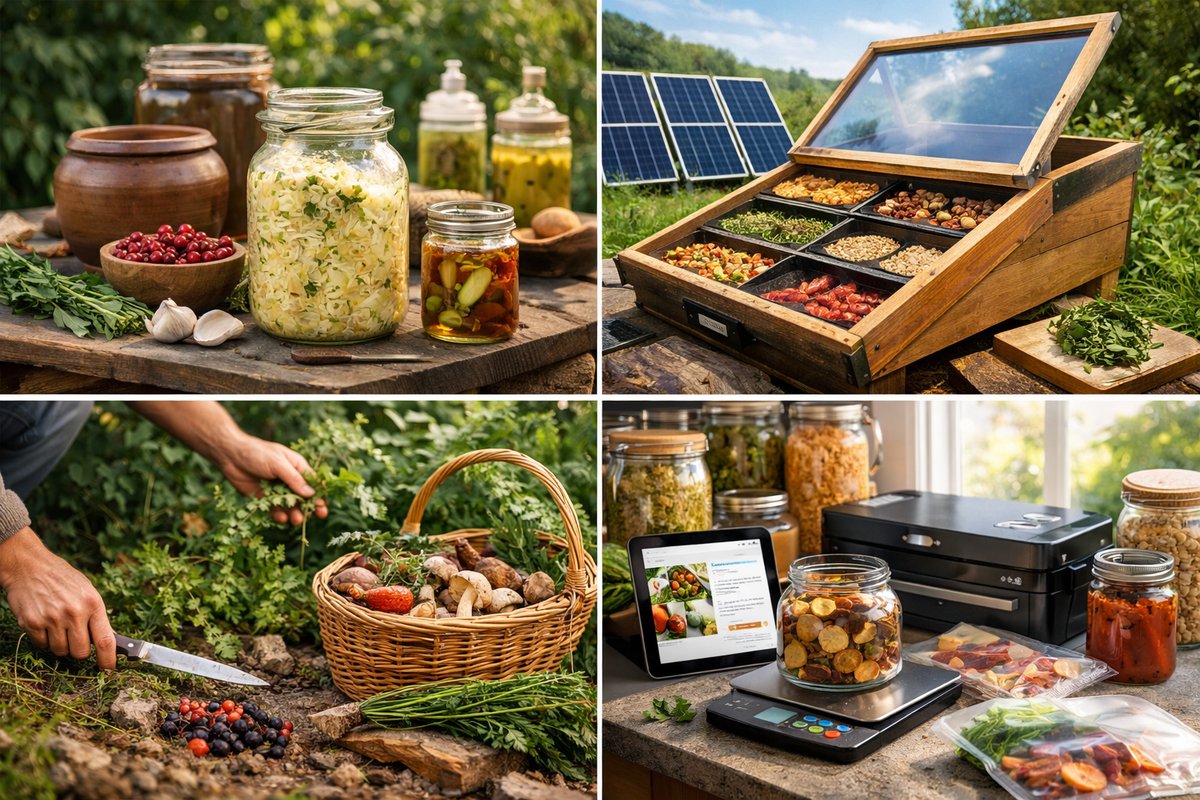
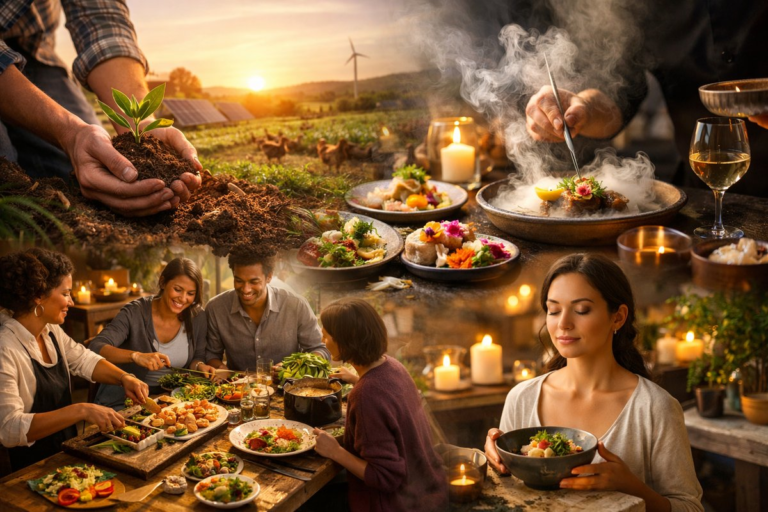
From backyard fermentations to solar-powered dehydrators, a new wave of culinary practice is merging tradition with innovation. As communities embrace seasonal foraging, zero-waste methods, and digital kitchen tools, the very act of eating becomes a story of cultural renewal and environmental stewardship.
In kitchens around the world, the turn of each season now carries more significance than ever. Home cooks and professional chefs alike are tracing ingredients back to their roots, honoring once-forgotten grains and reviving wild flavors gathered from local hedgerows. This movement transcends mere gastronomic novelty: it stitches together practices of sustainability, cultural heritage, and modern technology into a cohesive culinary narrative. Whether you’re cultivating your own “micro-farm” on a sunny balcony or experimenting with AI-driven recipe recommendations, today’s table is an intersection of past wisdom and future possibility.
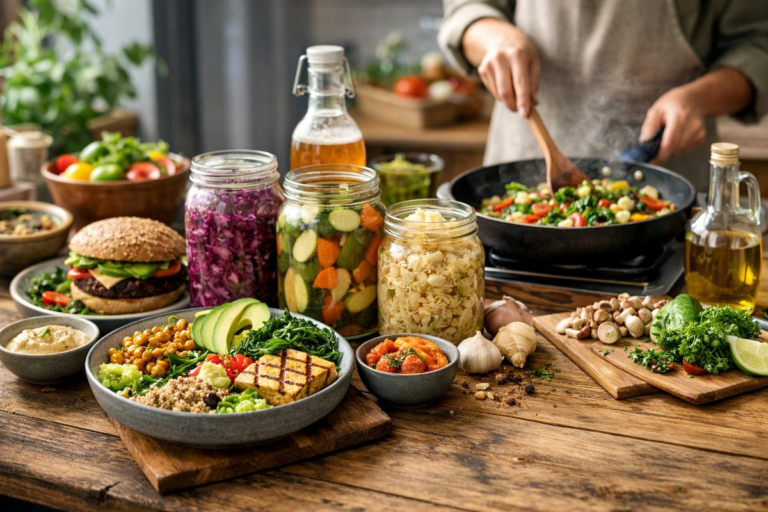
At the heart of this trend is a renewed fascination with fermentation. Kombuchas, kefirs, misos and vinegars have long belonged to households steeped in tradition, but now they’re mainstream fixtures in urban apartments from coast to coast. Cultures once relegated to artisanal corners of the food world-kimchi from Korean home kitchens, Japanese tsukemono, Nordic milk whey pickles-are finding fresh audiences. By converting simple ingredients into probiotic-rich staples, fermenters reduce food waste, extend pantry life, and infuse meals with umami layers that grocery-shelf condiments can’t replicate.
Local fermentation clubs have sprouted in metropolitan neighborhoods and small towns alike. Enthusiasts gather to swap starter cultures, compare jar shapes designed for optimal air-flow, and troubleshoot tricky batches prone to mold or off-flavors. These gatherings are more than hobbyist meetups; they’re living workshops in microbial stewardship. Every jar holds a chapter of bacterial lineage that can be traced back generations, a reminder that sustenance often begins with unseen organisms working in concert.
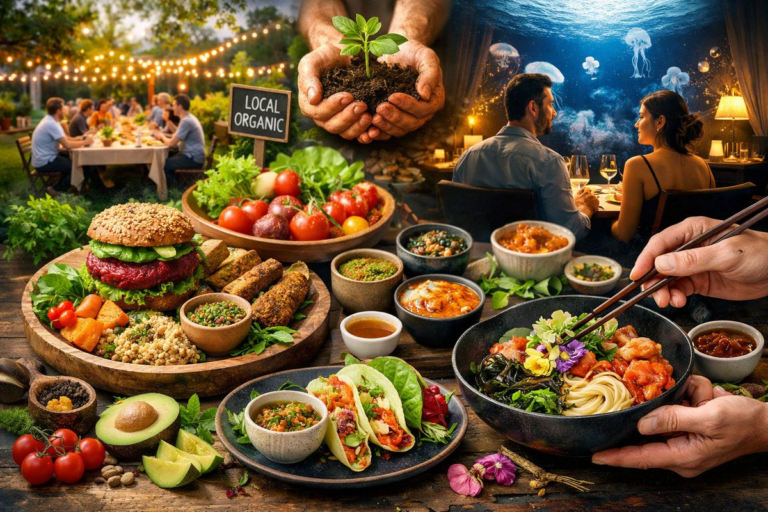
Parallel to this grassroots revival, chefs are exploring hyper-local foraging and wildcrafting. Seasonal menus now feature hand-picked watercress from urban canals, acorn flour milled from native oak groves, and seaweed harvested at dawn from nearby shorelines. This practice honors the ecological tapestry of each locale, encouraging diners to experience food as a landscape rather than a commodity. Wild mushrooms-chanterelles, hen-of-the-woods, oyster varieties-turn ordinary pastas and risottos into forest meditations, linking plate to canopy.
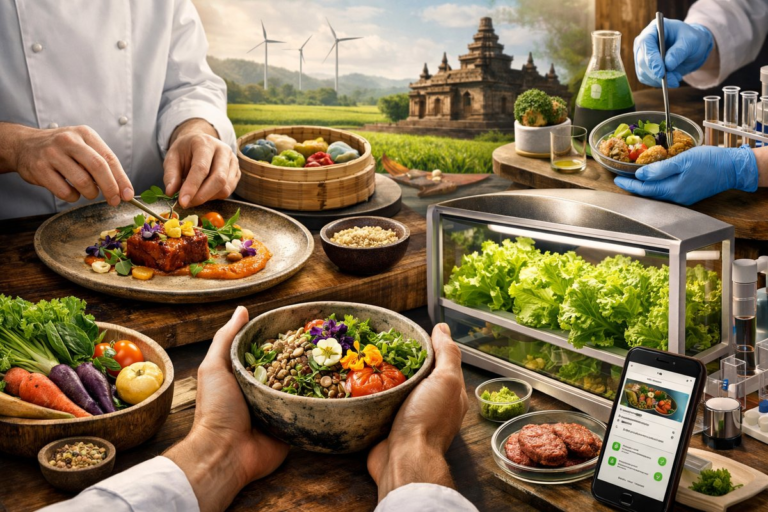
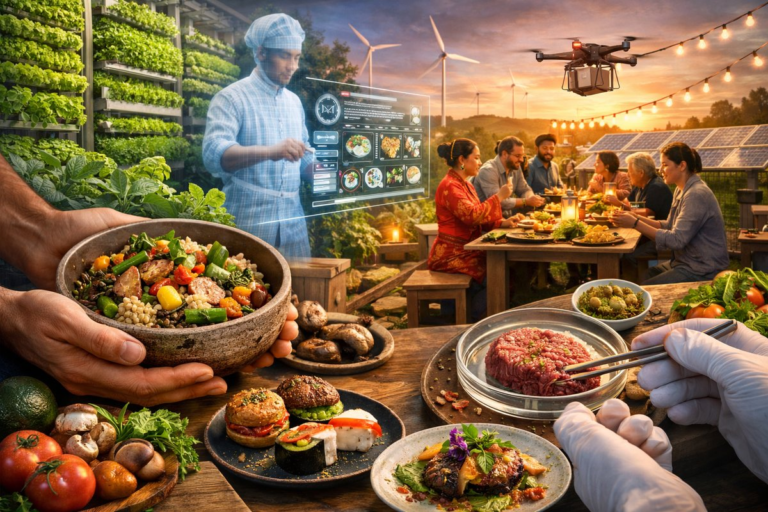
While ancient techniques anchor many of these trends, technology is accelerating and amplifying them. AI-powered recipe platforms analyze personal pantry inventories and dietary preferences to offer custom-curated meal plans. Augmented reality apps overlay step-by-step instructions onto real kitchen counters, eliminating guesswork and reducing food waste by precisely measuring portions. Smart indoor gardens use hydroponics and LED spectrums to coax microgreens, herbs and baby vegetables to life in spaces as small as a bookshelf.
Zero-waste cooking has also found new momentum. Root-to-stem butchery and whole-vegetable charcuterie boards replace sanitized supermarket cuts with textured platters that celebrate every edible portion. Chefs craft sauces from leftover wine lees, churros from day-old baguettes, and biscotti out of coffee grounds. Accessories like silicone storage pouches eliminate single-use plastics, while countertop compost bins turn peels, pits and coffee filters into rich soil for window-box gardens. The result is a kitchen ecosystem where nothing is disposable and every scrap becomes an opportunity for flavor.
Powerful tools bring these ideals into reach. Solar-powered dehydrators harness ambient sunlight to preserve fruits, herbs and fish without electricity. Stainless steel fermentation crocks maintain stable temperatures, while immersion circulators deliver restaurant-quality sous-vide precision to home cooks. Compact grain mills turn barley and farro into fresh flours that elevate everything from flatbreads to dense, chewy loaves. Each innovation reframes what home cooking can achieve, blurring the line between amateur enthusiasm and professional technique.
Online communities keep pace with these developments. Virtual potlucks unite participants across continents: one cook in the Mediterranean region shares a sun-dried tomato tapenade while another in the Pacific Northwest posts a cedar-plank salmon roasted over alder chips. Recipe blogs and live-streamed cooking classes showcase how to transform discarded carrot tops into chimichurri or old beer into tangy pancake batter. These digital connections strengthen social bonds and foster a spirit of open-source experimentation.
In restaurants, this ethos has led to hyper-seasonal tasting menus where each course tells a story of soil, weather and human care. Patrons are invited to sample samphire that sprouted after a spring rain or sip whey-washed cheese aged in an abandoned railway tunnel. Chefs collaborate with climate scientists to predict harvest yields, adjusting their menus to optimize for abundant crops and avoid contributing to monocultures. The result is not only more varied plates, but a deeper transparency that reconnects eaters to the systems feeding them.
Even everyday rituals like coffee breaks and snacks are undergoing reinvention. Single-origin beans are roasted in micro-lots, then brewed in self-tamping devices that deliver café-level espresso at home. Upcycled snack bars use spent grain from local breweries, bound together with honey and dried cherries. Tea blends incorporate foraged rosehips, pine tips and chamomile petals grown on rooftop gardens. These offerings celebrate place and season, subverting the one-size-fits-all approach of mass production.
All these currents converge around the idea that food isn’t just sustenance-it’s a narrative thread weaving together environment, technology, history and community. When you ferment, forage, compost and preserve, you become both author and reader in that story. You learn to steward ingredients as carefully as you might tend a relationship, recognizing that each flavor holds lessons about resourcefulness, patience and interconnectedness.
As culinary innovation accelerates, the real journey lies not in exotic ingredients or high-tech gadgets, but in the willingness to question how we nourish ourselves. Are we supporting diverse ecosystems, honoring cultural wisdom, reducing waste and forging genuine connections around the table? The most exciting trend of all may be this reawakening of curiosity-a collective desire to move beyond convenience and rediscover the alchemy that turns simple provisions into shared sustenance.
Whether you’re brewing your first batch of sauerkraut or experimenting with plant-based charcuterie pairings, the door is open. Your canvas may be a countertop or a farmhouse kitchen; your collaborators, microbes and neighbors. The only limit is the scope of your imagination and the care you invest in each step. Tomorrow’s table is being cultivated today-one jar, one grain, one seedling, one recipe at a time.