Location
Mount Vernon, WA 98274

Location
Mount Vernon, WA 98274
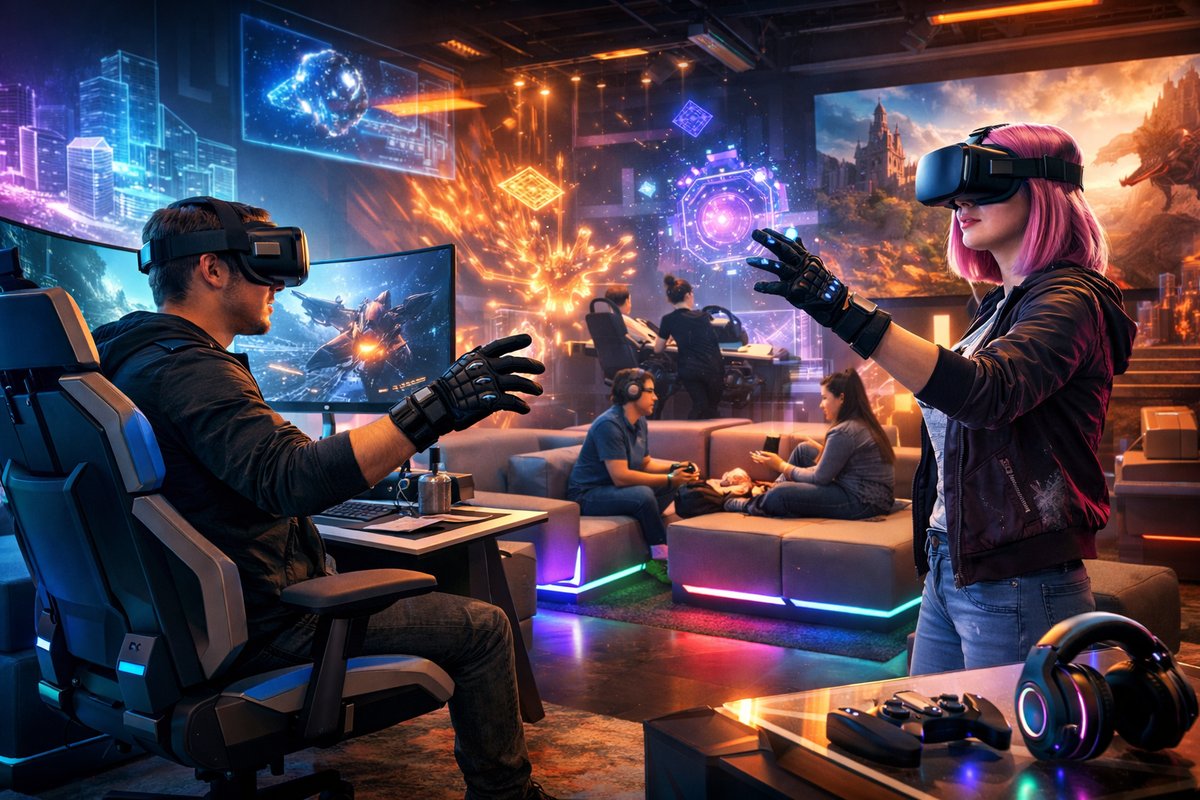
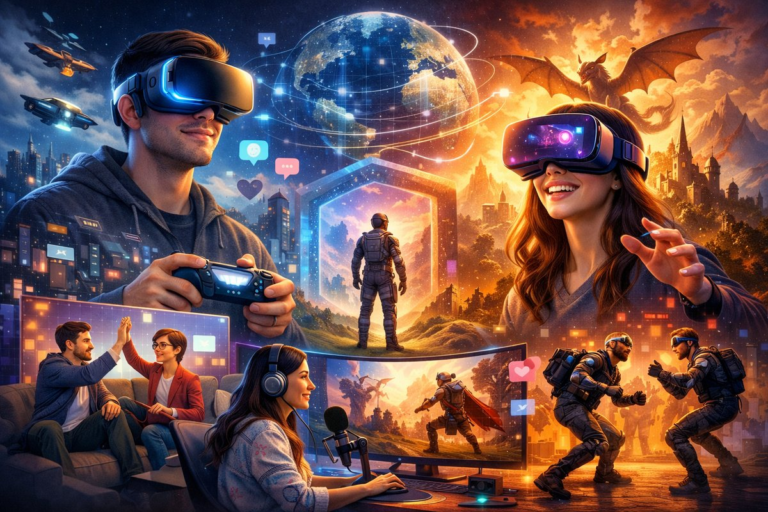
From modular furniture to haptic feedback gloves, today's gaming environments are evolving into multi-sensory playgrounds. As hybrid and community-driven experiences take hold, enthusiasts are blending physical and digital elements to craft immersive arenas for connection and creativity.
When gaming first moved from arcades to living rooms, it was enough to swap a joystick for a controller and dim the lights. Today, the landscape of entertainment has shifted again, driven by a mix of cloud connectivity, sensory technology, and a growing hunger for communal play. Enthusiasts no longer settle for a single screen on a desk-they’re rethinking entire rooms, layering modular furniture, ambient lighting, and even tactile surfaces to collapse the boundary between digital worlds and physical space.
Modular gear has become a buzzword, but it’s more than marketing jargon. Customizable shelving units, snap-together desk extensions, and stackable risers let players reconfigure their environments by the hour. Want to switch from a solo PC session to a four-seat console couch experience? Slide in a lower shelf for extra controllers, swap desk attachments for cup holders, and attach magnetic backdrops to turn a plain wall into an ever-changing themed mural. These components are engineered to work together, so whether it’s for a late-night raid or a weekend board-game livestream, the room adapts around the group’s needs in minutes.
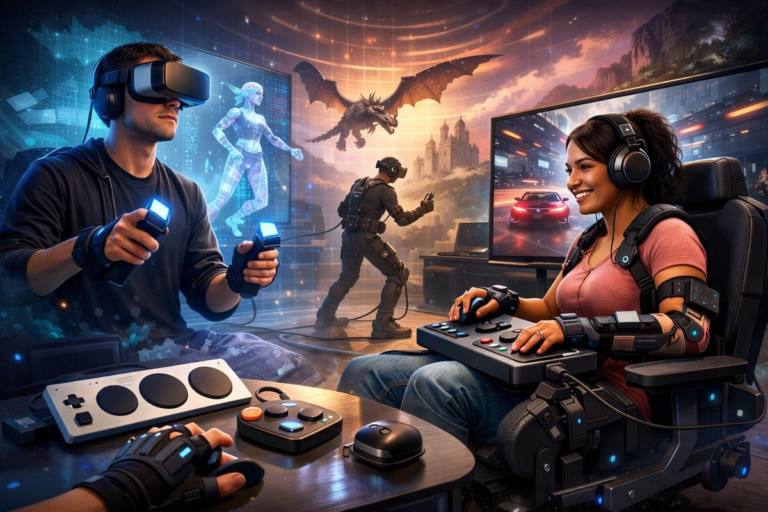
Simultaneously, sensory add-ons are pushing immersion to surprising new depths. Haptic feedback gloves and vests, once the domain of prototypes and research labs, are now reaching consumer price points. They tap into vibration motors distributed along fingertips or across the torso, simulating impacts, recoil, and texture in real time. When a virtual arrow strikes or a door creaks open, your sense of touch completes the illusion. Developers are already integrating this support into action titles, survival games, and even rhythm experiences. Early adopters report a stronger sense of presence-and faster learning curves in complex virtual training modules.
Lighting is another frontier that has graduated from basic color cycling. Smart LED strips with ultra-wide color gamut can match in-game skies, ambient sounds, or on-screen cues. Advanced setups sync with key events: a boss encounter might bathe the room in deep crimson, while a calm exploration sequence shifts hues toward gentle blues and greens. Beyond visual flair, these systems are calibrated to reduce eye strain by dynamically adjusting brightness. Gamers who used to rely on harsh overhead bulbs are now embracing atmospheric illumination that still keeps their eyes fresh over marathon sessions.
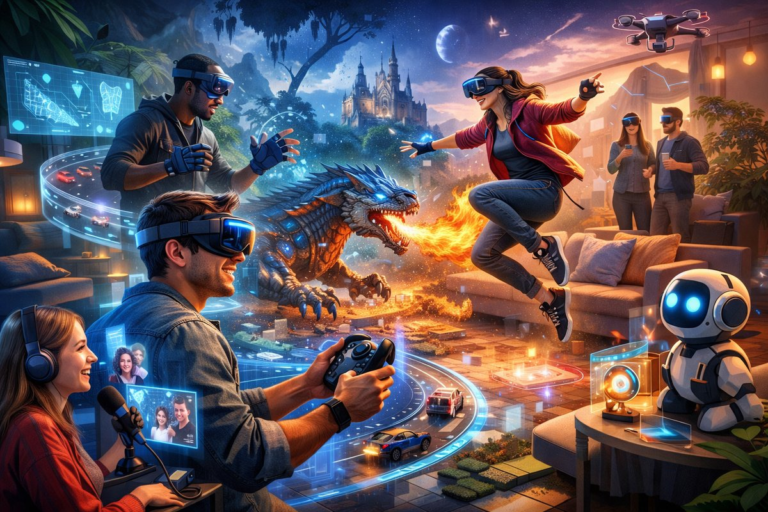
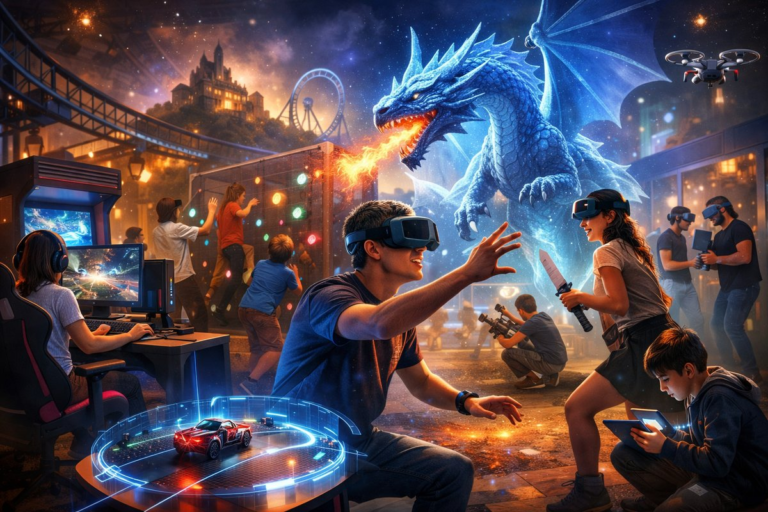
The cloud has upended not only software distribution but also how groups play together. Hybrid gaming lounges-pop-up events in converted warehouses or co-working spaces-combine local hardware clusters with virtual lobbies. You can sit elbow-to-elbow with friends on identical modular chairs while streaming from remote servers that handle the heaviest graphics loads. Even smaller communities can host instant tournaments: participants plug into a shared power bus, connect their controllers, and jump into a bracket with minimal setup time. Organizers appreciate that cloud-based instances eliminate compatibility headaches, so everyone arrives ready to play.
On the opposite end, tabletop enthusiasts are giving their analog hobby a digital facelift. Bluetooth-enabled dice towers automatically log rolls to a connected tablet, while RFID-tagged cards update on-screen character sheets. Deck-building titles share real-time stats across remote participants, merging the social pleasure of in-person play with cloud persistence. Small indie developers have created hybrid board-game kits that unlock new scenarios when players hit physical achievements, incentivizing exploration of homemade gaming dens as much as the game itself.
Communities are also focusing on sustainability, integrating reclaimed materials and upcycled gear into their playspaces. Discarded pallets become stage-like platforms for group play; second-hand shelving from recycled steel is repurposed into console stands. DIY builders swap out old circuit boards from retired machines to craft custom controllers, breathing new life into hardware that might otherwise end up in landfills. Local meetup groups trade parts and share repair tutorials, reducing waste and strengthening social ties through collaborative builds.
DIY kits have followed this trend by offering modular controller shells, open-source boards, and step-by-step guides. Novice makers can snap together a retro handheld using off-the-shelf modules, then tweak the software to apply custom color palettes and button mappings. Advanced creators remix light rings and joystick sensors into art installations that react to crowd noise during streaming parties. The barrier to entry keeps falling, inviting more voices into the conversation about how playspaces should look and feel.
On the commercial side, furniture brands are taking notice. Gaming chairs with retractable footrests and adjustable armrests are now marketed alongside matching pedal platforms for racing simulations. Some designs fold flat to double as regular office chairs, making it easy to reclaim living-room real estate when playtime ends. Desks with hidden cable channels and pop-up wireless charging pads help maintain a tidy environment, so setups don’t resemble tangled knotworks of wires.
Retailers are also experimenting with modular pop-up showrooms. Instead of a static row of displays, they create adoptable “room scenes” that customers can digitally customize using touchscreen stations. Buyers configure the desk, shelving, lighting, and décor on screen-then see a full-size replica built on the showroom floor within days. This on-demand manufacturing model speeds up delivery, reduces storage costs, and gives consumers near-instant gratification when their perfect play den comes to life.
In parallel, streaming parties have surged as a social glue. Viewers and hosts coordinate through chat platforms while the host’s modular sound-dampening panels and multi-camera rig ensure crystal-clear audio and dynamic angles. Overlay systems let audience members vote to spawn virtual items in the game or trigger physical room changes via connected microcontrollers-turning passive viewers into active participants. These interactive streams blur the line between spectator sport and group gaming, encouraging more immersive shared viewings.
Esports arenas have taken inspiration from these home trends. Flexible stadium seating that can be rearranged for different titles, mobile server racks that travel from venue to venue, and eco-friendly flooring made from recycled rubber are all making appearances. Some organizers are even deploying temporary LED walls in open-air venues, combining the energy of live events with the visual spectacle of high-end studio productions.
On the innovation front, AI-driven dungeon masters are emerging for tabletop RPGs. They listen to player dialogue, adapt storylines on the fly, and control NPC voices-all hosted on compact servers small enough to sit on a crowded gaming table. Groups have reported more immersive narratives and fewer interruptions when co-DMed by an AI partner that tracks stats, loot distribution, and branching plot points without missing a beat.
Health and well-being are also coming into focus. Play areas now feature ergonomic flooring panels with anti-fatigue foam, encouraging standing or light movement rather than hours of rigid posture. Fitness-gamified titles sync with smart scales and biometric wristbands to prompt stretch breaks or breathing exercises. Integrations with ambient scent diffusers can release subtle mint or citrus aromas to boost alertness during intense sessions and gentle lavender during cooldown periods.
As setups evolve, so do best practices for sharing and inspiration. Online repositories host user-generated templates for room layouts, lighting scripts, and controller mappings. Enthusiasts frequently upload detailed breakdowns of their builds, complete with parts lists and 3D-printed stencils. Video tours of micro play spaces-clipped pantry rooms converted into gaming nooks-have become a popular subgenre, proving that room size need not limit creativity.
The future of entertainment looks less like a fixed console plugged into a TV and more like a dynamic, multi-layered ecosystem. Play will continue to weave together physical textures, light, sound, cloud services, and even scent. Whether you’re a solo streamer testing a new haptic vest or a neighborhood crew building a pop-up LAN cafe out of recycled pallets, tomorrow’s playspaces will embrace modularity, sustainability, and shared experiences. As technology and community passions intersect, one thing is clear: when it comes to play, the more senses we engage, the more real the adventure feels.