Location
Mount Vernon, WA 98274

Location
Mount Vernon, WA 98274
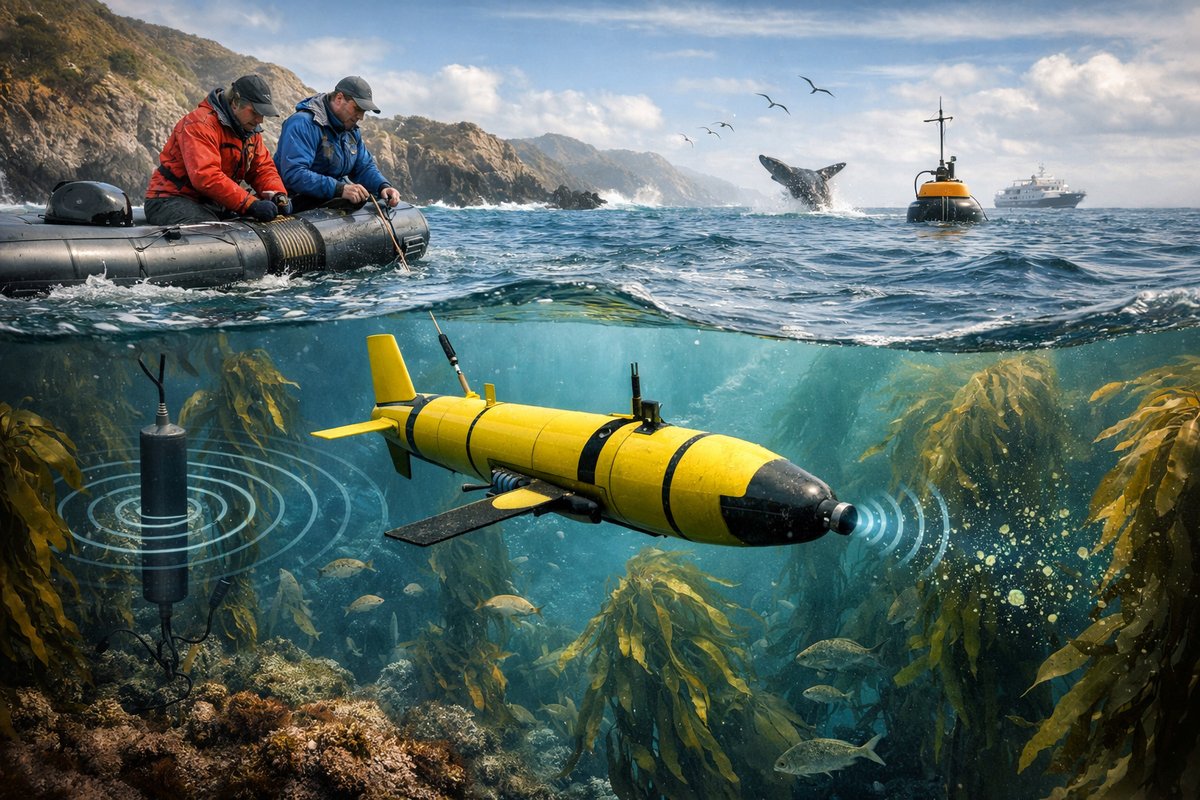
Along windswept shores, researchers are deploying autonomous underwater gliders equipped with hydrophones and eDNA samplers to chart the hidden rhythms of kelp forests. By combining acoustic soundscapes with water-borne genetic traces, this initiative offers a novel window into marine resilience and invites coastal communities to join the quest for ocean stewardship.
Along the rugged coasts where towering kelp forests sway, a new frontier of marine monitoring is emerging. As climate change, pollution, and overharvesting put pressure on these underwater oases, scientists are racing to develop tools that can track ecosystem health in real time. A recently launched partnership between oceanographers, technologists, and coastal communities is welding together acoustic gliders, environmental DNA sampling, and citizen observations to create a living atlas of kelp forest resilience.
The project’s centerpiece is an autonomous underwater glider fitted with a miniature hydrophone array and a flow-through sampling system. Programmed to patrol predetermined transects, the glider collects continuous audio recordings of the forest’s soundscape-capturing everything from snapping shrimp and kelp‐cracking waves to the distant calls of marine mammals. At set intervals, it diverts seawater through a fine filter that traps trace amounts of DNA shed by fish, invertebrates, and microbial communities.
Bioacoustic monitoring has long offered insights into biodiversity, but until now, most efforts relied on stationary recorders. By mounting hydrophones on a mobile platform, researchers can survey vastly larger areas, pick up shifting biological hotspots, and pinpoint emerging threats such as boat noise or invasive species. The glider’s hydrophone system boasts a sensitive frequency range, ideal for detecting quiet invertebrate chatter and low-frequency whale vocalizations alike.
Complementing the acoustic data, environmental DNA-or eDNA-sampling reveals which species have recently passed through a given site. Once filtered, the samples are brought back to shore laboratories where high-throughput sequencing identifies genetic material to species level. This dual approach uncovers both who is present and what stories their calls tell, bridging gaps in visual surveys that can miss cryptic or nocturnal organisms.
Built from lightweight composites and powered by renewable energy cells, the glider hull is designed to blend durability with minimal environmental footprint. Solar panels on the surface unit recharge batteries, while a small wave-energy generator extends mission duration by harvesting ocean swell. Engineers have calibrated buoyancy and trim to allow smooth, level glides at depths between five and fifty meters-precisely where dense kelp canopies flourish.
Local residents have been invited to co-design the mission plans, suggesting transect locations and hosting temporary docking stations. At several coastal villages, citizen scientists attend workshops to learn how to maintain shore-side sampling kiosks, conduct species spot‐checks using smartphone apps, and annotate acoustic recordings when unusual signals appear. This shared ownership cultivates a sense of stewardship, reminding participants that the fate of kelp forests ripples through local fisheries, tourism, and coastal protection.
Early voyages have already yielded surprising discoveries. In regions once thought monospecific, the glider’s eDNA nets revealed small populations of spiny lobster eluding conventional traps. Acoustic recordings captured nocturnal fish choruses previously undocumented in the area, while patterns of mid-day boat noise highlighted bottlenecks in marine traffic control. Researchers are using these data to advise local authorities on setting quiet-zones and temporal restrictions to safeguard critical breeding grounds.
The combined data streams are fed into a cloud-based modeling platform, where machine-learning algorithms map biodiversity hotspots and forecast ecosystem shifts under different warming and acidification scenarios. By integrating long-term acoustic trends with genetic detections, the model can flag early warning signals-such as a sudden drop in kelp‐grazing urchins or the arrival of nonnative filter feeders-that might foreshadow a tipping point in forest health.
The ripple effects extend beyond pure science. Coastal councils are exploring how the project’s outcomes can inform marine spatial planning, beach nourishment projects, and even local school curricula. Educators are weaving acoustic clips and DNA visuals into lessons, encouraging students to understand the ocean as a dynamic community of voices and genetic legacies. In doing so, young learners forge a personal link to the living pulse beneath the waves.
Yet challenges remain. Processing terabytes of audio and tens of thousands of DNA sequences demands significant computing resources, while long-term funding is never guaranteed. Training volunteers to manage complex sampling procedures requires ongoing support, and ensuring the gliders avoid entanglement with fishing gear calls for careful coordination with commercial fleets.
To scale up, the team plans to establish regional hubs where multiple gliders can be launched seasonally, building a network that spans hundreds of kilometers of coast. They also envision integrating additional sensors-such as turbidity meters, pH probes, and miniature cameras-to weave a richer tapestry of the underwater environment. By layering physiological, chemical, and visual data onto their acoustic and genetic maps, scientists hope to unlock deeper insights into how kelp forests adapt to changing seas.
At its heart, this initiative is an exercise in listening and inclusion. The kelp forests have stories to tell-of bloom and collapse, of predator-prey dances, of silent resilience beneath storm-tossed surfaces. By marrying emerging technologies with community curiosity, we are finally learning to translate their whispers and guard the ecosystems that shelter marine life and shorelines alike.
As the first gliders complete their maiden voyages, the data streams trickle in like distant murmurs from an unseen realm. With each new acoustic clip and eDNA readout, scientists and citizens alike are piecing together a portrait of underwater forests in flux. In this shared pursuit of quiet awe and careful stewardship, we discover not only the fragility of kelp landscapes but our own capacity to listen, learn, and belong.