Location
Mount Vernon, WA 98274

Location
Mount Vernon, WA 98274
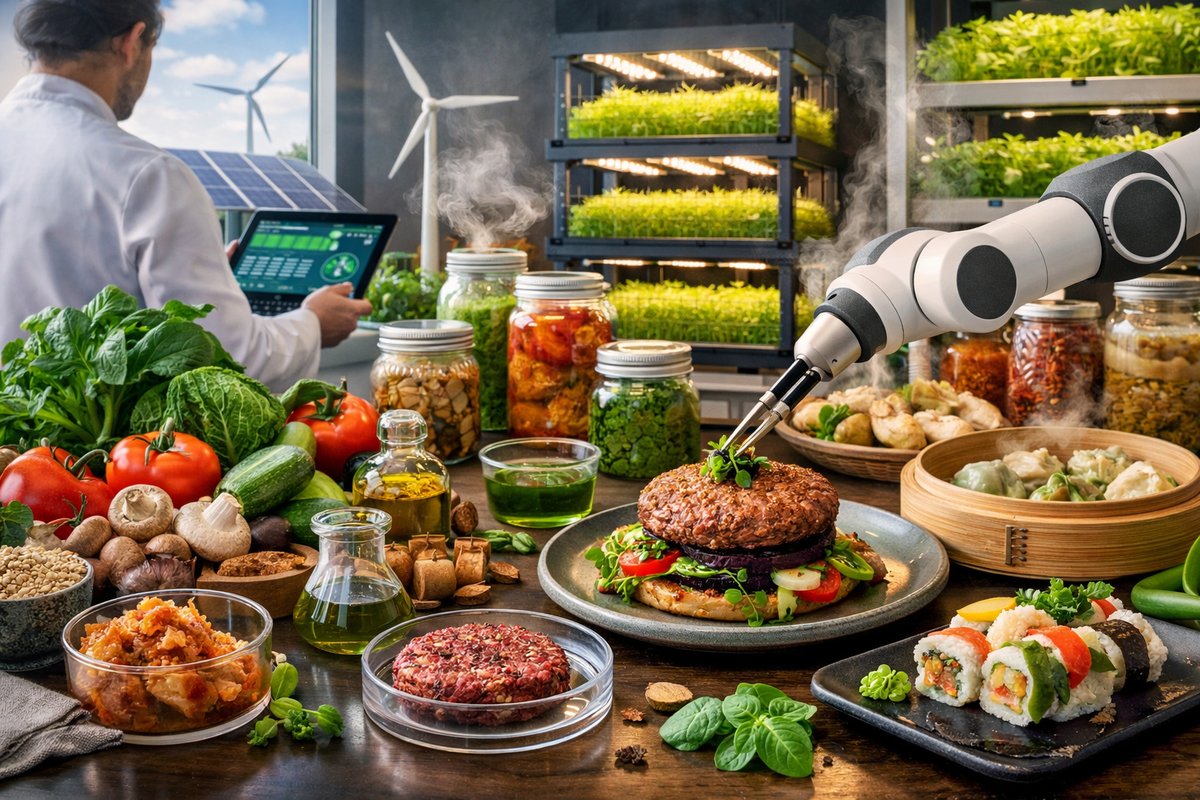
In kitchens around the world, chefs and home cooks are blending sustainability, technology, and global flavors to redefine mealtime. From lab-grown proteins to zero-waste fermentation, five key trends are converging to create a more inventive and conscience-driven food culture.
As diners seek both novelty and responsibility on their plates, a new wave of culinary innovation is rising. Recent data from a global food industry report shows the plant-based meat sector grew by over 15 percent in the past year, while zero-waste cooking classes and urban foraging tours sold out in major cities from London to Tokyo. Against this backdrop, five distinct movements are reshaping what, how, and why we eat.
First, lab-cultured proteins are entering restaurant kitchens and test-home dinners. Though still a niche, the technology behind cultivated meat-growing animal muscle cells in bioreactors-has advanced rapidly. Several small restaurants now host invitation-only tasting events, pairing cultured chicken nuggets with fermented hot sauces and microgreen garnishes. Advocates highlight potential environmental benefits: cultured meat could reduce greenhouse gas emissions by up to 90 percent compared with traditional livestock, and use a fraction of the land and water.
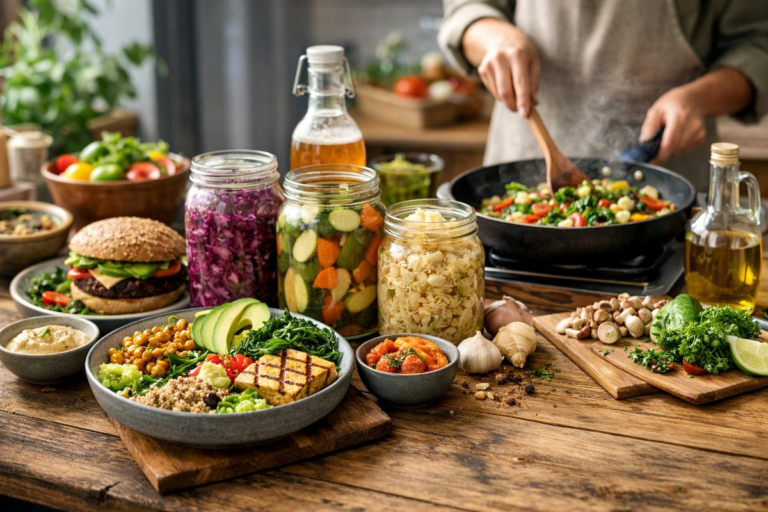
Meanwhile, home fermentation is seeing a renaissance. Social media videos featuring glistening jars of pickled shiitake, beet kvass, and kimchi slaw have racked up millions of views. Fermented foods not only impart probiotic benefits but also embody the zero-waste ethos by preserving surplus produce. In Portland, an urban community kitchen recently partnered with local farms to collect bruised or misshapen vegetables for bulk sauerkraut batches. Leftover brine then finds a second life in soups, marinades, or shrubs for cocktails-an approach that chefs refer to as “liquid upcycling.”
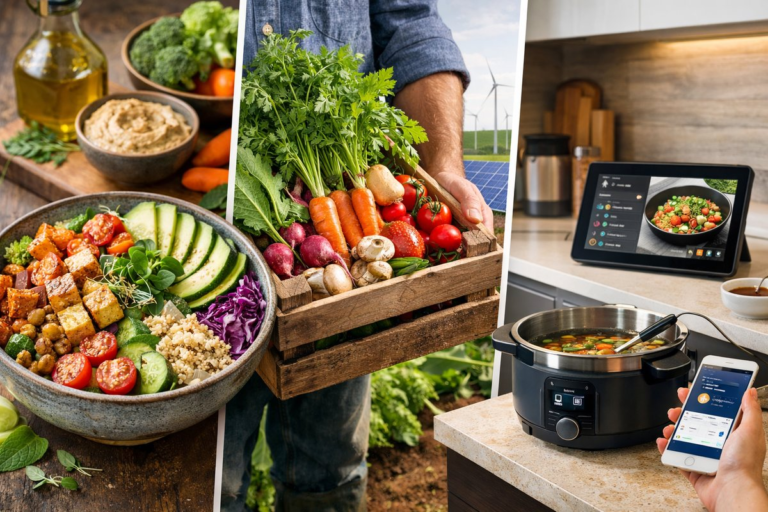
Technology is also transforming everyday cooking. Smart induction cooktops with integrated temperature sensors and recipe apps now account for nearly 20 percent of new kitchen appliance sales in North America. These devices guide users through precise sautéing and searing techniques, compensating for stove-top hotspots or fluctuations in cookware thickness. In parallel, AI-powered recipe generators are surfacing on several cooking platforms: by analyzing pantry inventories and dietary preferences, they suggest meals ranging from creamy oat risotto to turmeric-spiced jackfruit tacos. Early adopters say the tools spark creativity while reducing food waste by repurposing leftovers.
At the same time, climate-conscious chefs are looking seaward for inspiration. Seaweed farms, once confined to coastal markets, now supply snack producers with dried kelp chips and upcycled seaweed protein powders. The ocean’s bounty extends to invasive shellfish removal programs that divert mussels and oysters from crowded shorelines into fine-dining menus. In Chicago, a Michelin-starred restaurant launched a pop-up featuring “blue carbon” tasting menus-dishes designed to sequester carbon by incorporating captured ocean algae and seagrass components.
Finally, restaurant experiences themselves are being reimagined as multi-sensory journeys. Dining rooms now include atmospheric soundtracks, curated lighting schemes, and interactive tables that display local farm footage or ingredient histories. One chef collective in Barcelona installed tactile dishware embedded with temperature-sensitive patterns that shift color as the plate cools. Diners report that the added layers of engagement deepen their connection to the food’s origin story and its environmental footprint.
Taken together, these trends signal a shift from purely taste-driven dining toward a holistic model that values sustainability, transparency, and innovation. Consumers increasingly ask where their food comes from, how it was grown or made, and what impact its production had on the planet. Restaurants, brands, and home cooks are responding by experimenting with new ingredients, adopting precision tools, and finding creative ways to eliminate waste.
Critics caution that some of these movements risk elitism. Lab-cultured meats remain costly, and the high-tech appliances that power AI recipes and immersive dining can carry premium price tags. To ensure broader access, several nonprofits have begun running community fermentation workshops and pop-up vegetable co-ops, where participants exchange jars of homemade kimchi or red cabbage kraut. Local libraries in a growing number of cities now loan out kitchen gadgets-from sous-vide immersion sticks to countertop dehydrators-encouraging communal experimentation.
Meanwhile, educators are integrating these topics into culinary school curricula. Students learn not only classic knife skills but also the science of bacterial cultures, marine ecosystems, and carbon accounting frameworks. In one European program, apprentices spend a semester alternating between a research lab culturing edible algae and a restaurant kitchen developing zero-waste tasting flights. The goal is to cultivate chefs who are both artisans and innovators, ready to tackle environmental challenges through flavor and design.
As these disparate threads intertwine, the future of food emerges as both pragmatic and poetic. The precision of AI-guided cooking can coexist with the unpredictability of wild foraged mushrooms. Luxury tasting rooms can partner with grassroots gardens to turn surplus crops into elegant preserves. And molecular-biology techniques can advance beyond novelty to address fundamental questions about food security and resource conservation.
For diners, that future arrives one bite at a time. Whether enjoying a seaweed-infused cracker at a backyard barbecue, experimenting with a home fermenter, or reserving a table for a cultivated-meat tasting, we’re all participants in a global culinary experiment. Each decision-from selecting reusable silicone storage bags to choosing an AI-driven sous-vide recipe-becomes an ingredient in a much larger recipe for change.
In an age where every meal carries ecological and ethical weight, the kitchen transforms from a stage for personal indulgence into a hub for collective stewardship. Here, innovation isn’t a fleeting trend but a continuous conversation between tradition and technology, taste and responsibility. As these five movements continue to evolve, they remind us that food is not only sustenance but a powerful lever for shaping our relationship with the planet and with each other.
Read on to discover chef-tested techniques, expert insights, and practical tips for joining the culinary revolution-one mindful mouthful at a time.