Location
Mount Vernon, WA 98274

Location
Mount Vernon, WA 98274
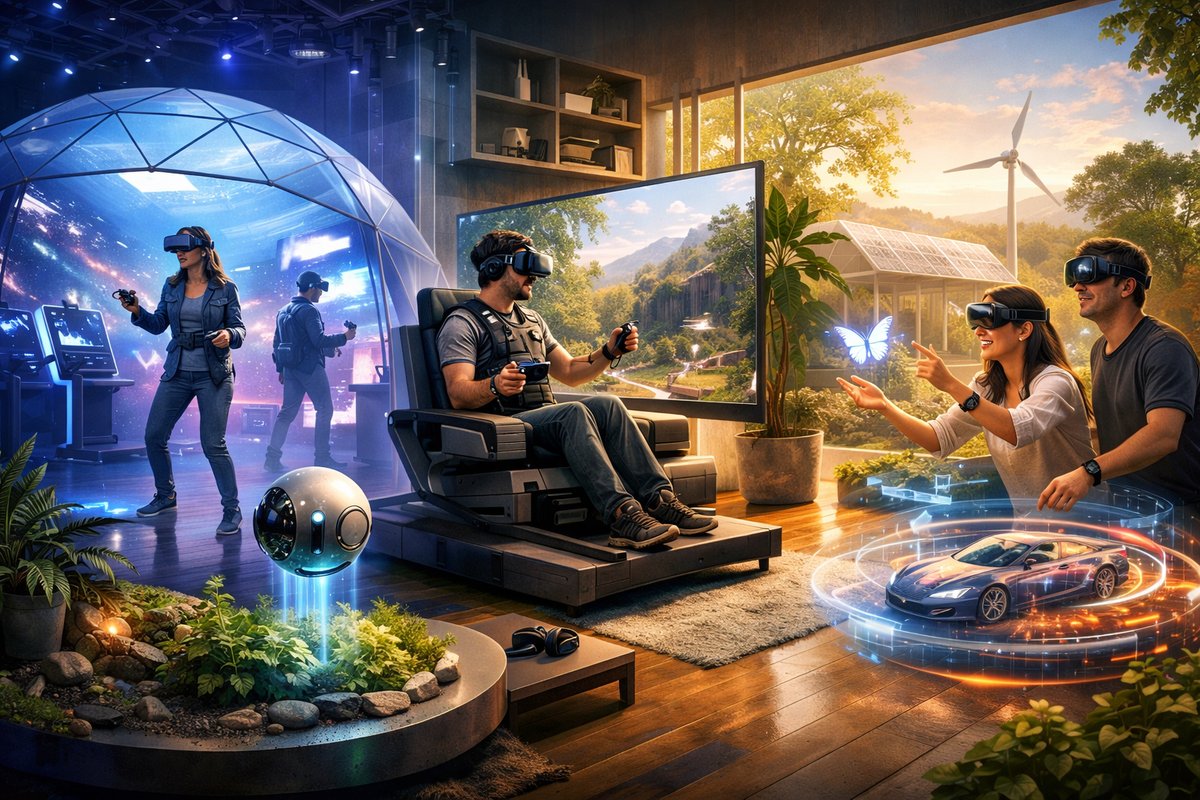
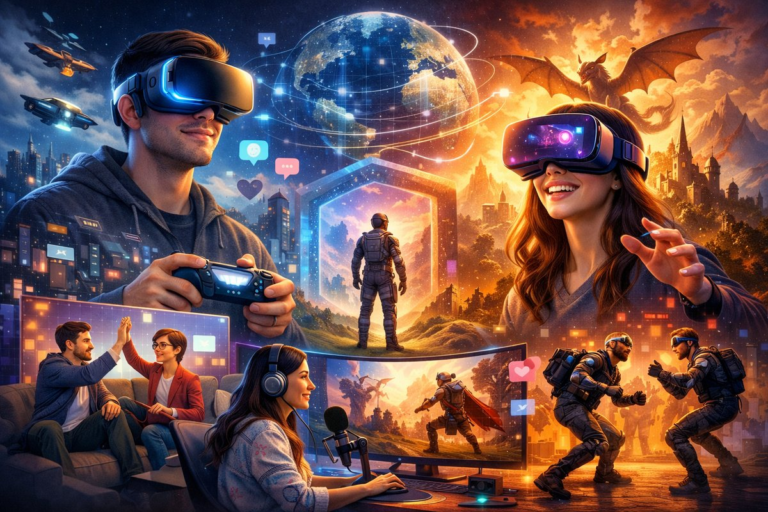
From pop-up VR arcades to modular living-room setups, gaming is breaking free from the console. New hybrid environments blend physical and digital worlds, emphasizing sustainability, social connection, and sensory immersion. Discover how gear and spaces are evolving to meet the demands of today's curious players.
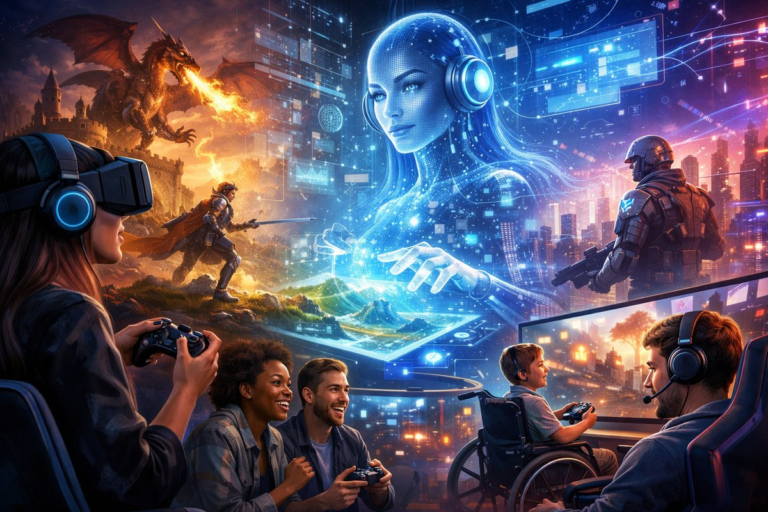
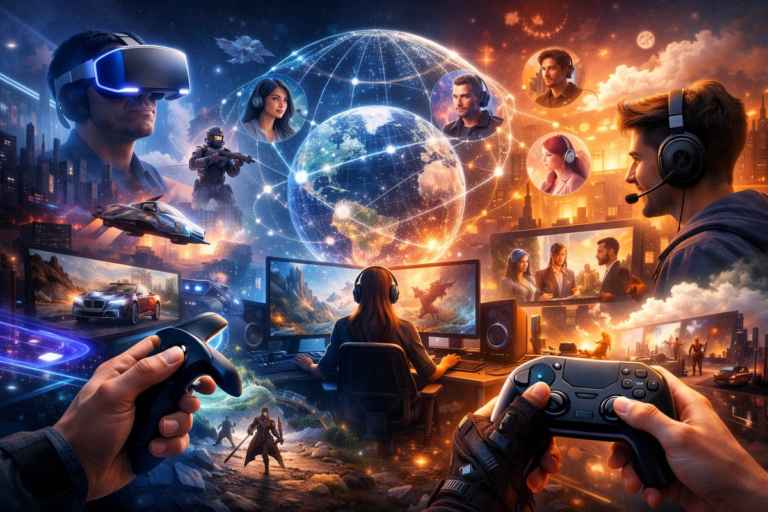
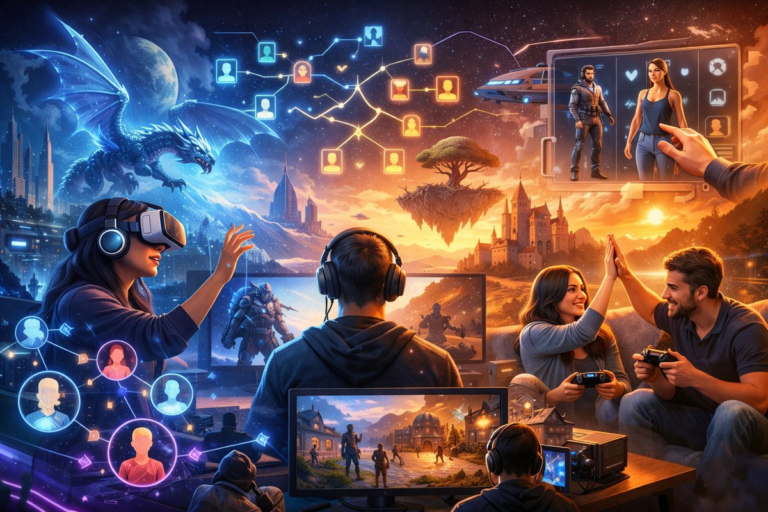
In a year marked by rapid technological advances and renewed focus on social experiences, gaming has embarked on an experimental journey far beyond the traditional console-and-TV setup. Across global pop-up venues and home dens alike, hybrid gaming environments are redefining what it means to play. By interweaving digital platforms with modular hardware, sensory elements, and community spaces, these next-generation playgrounds invite players to curate experiences that reflect their personalities, values, and social desires.
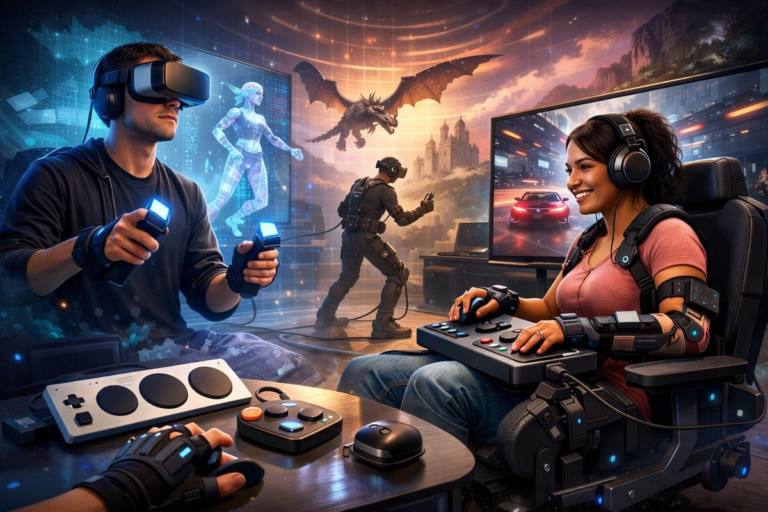
At the heart of this shift are modular setups that adapt to urban apartments, sprawling living rooms, or temporary event spaces. Picture a collapsible gaming desk that unfolds into a multi-screen command center by day and converts into a board-game table by night. Some designs feature sliding panels that conceal cables, integrated shelving for collectible figurines, and magnetic mounting zones for lighting and audio gear. Rather than buying fixed furniture, players can mix and match desktop modules, attachable risers, and angled arms to build a customized staging ground for esports scrimmages or cooperative tabletop sessions.
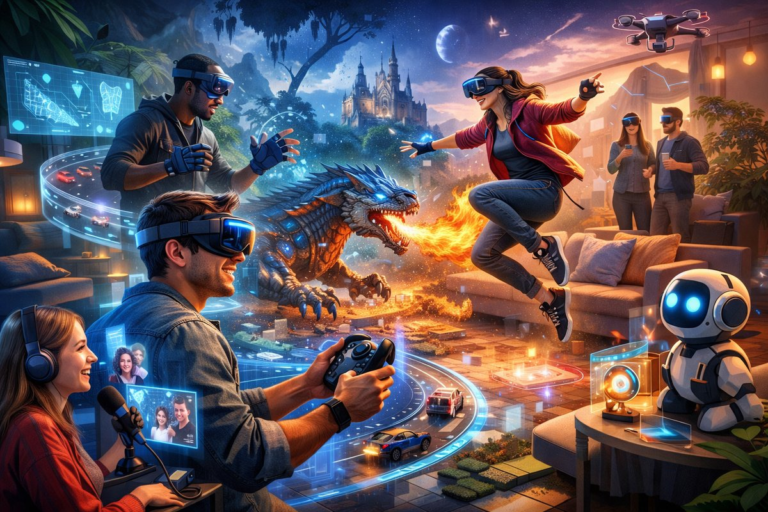
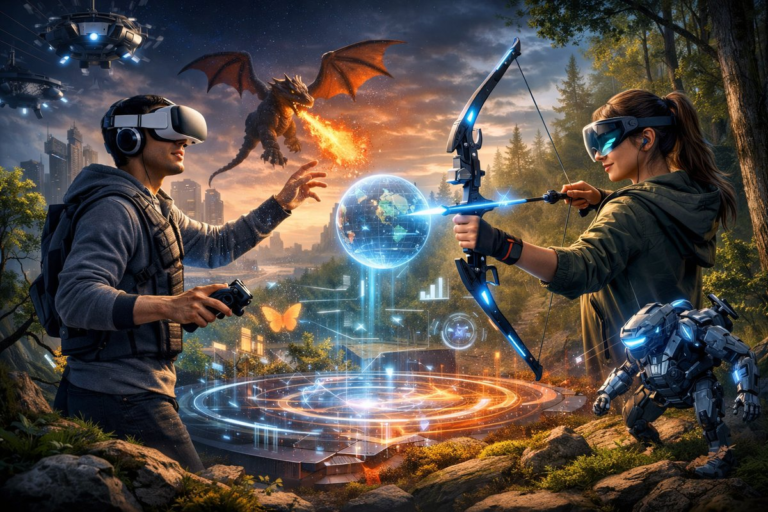
Physical-digital integration goes far beyond cable management. Motion-tracking mats, haptic floor tiles, and projection-mapping systems bring physical spaces to life by extending virtual worlds into the living room. In one prototype, a lightweight mat senses foot placement and alters ambient lighting and sound effects in real time for rhythm-based games. In another, wall-mounted projectors transform blank panels into dynamically changing landscapes that respond to player actions-turning a plain hallway into a dungeon crawl or a futuristic corridor that reacts to every gunshot in a first-person shooter.
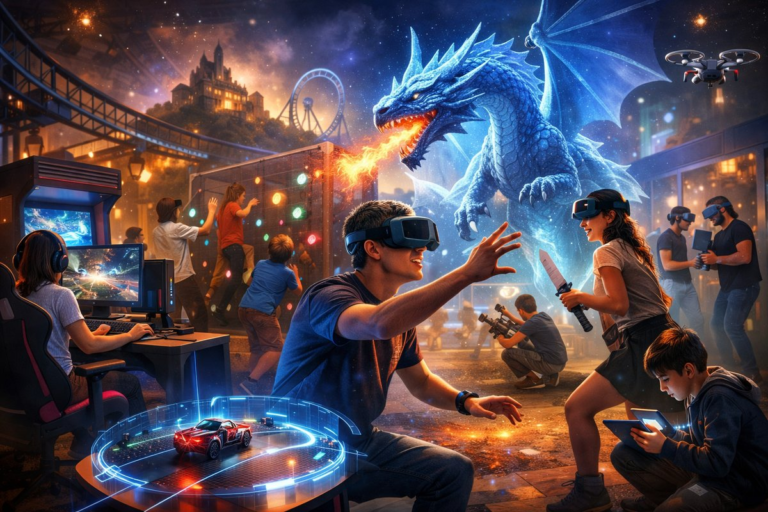
Community arenas have also made an unexpected comeback. Pop-up VR lounges hosted in loft spaces and café basements offer VR headsets, motion controllers, and local multiplayer zones. Players can drop in for a quick session against friends or take turns exploring larger cooperative adventures. By offering themed rooms-space station simulators, haunted mansions, and underwater research labs-organizers tap into cinematic world-building while keeping overhead low. These venues have sprouted in major cities, fostering casual meetups that blur the line between tech demo and social gathering.
While high-end arcades and modular hubs once required deep pockets, a wave of sustainable-focused developers is lowering barriers with recycled-material furniture, energy-efficient LED systems, and refurbished hardware. Some startups salvage old media racks and donor computers to build community stations, cutting waste and costs. Workshops teach local makers how to recondition controllers, upgrade old PCs with entry-level graphics cards, and repurpose shipping pallets into sturdy desk frames. This ethos of repair and repurpose not only curbs environmental impact but also empowers players to become creative tinkerers in their own right.
Portable gaming has surged as well, driven by cloud-streamed titles and on-the-go console designs. Battery-powered handheld screens now rival small tablets, streaming AAA titles from remote servers over high-speed mobile networks. Players can pause a session in a train station and pick it back up on a home console minutes later-complete with saved custom configurations and friend-list chat overlays. For those craving more tactile control, clip-on gamepads attach to the sides of the screen, while fold-out kickstands keep the setup steady on any surface.
Sustainability and social responsibility have become core values in the gaming community. Carbon-neutral data centers, plant-based packaging for peripherals, and repair-friendly hardware revisions all reflect a demand for greener options. Gaming festivals now include e-waste drop-off points and upcycle zones where attendees exchange or donate unused gear, creating secondary-market hubs for controllers, graphics cards, and VR headsets. This collaborative approach extends the lifecycle of gear while nurturing an economy of shared resources.
Beyond hardware, emotional intelligence tools are weaving into game design and community platforms. Real-time voice analysis, facial-expression tracking, and mood-adaptive soundtracks seek to create more empathetic experiences. Some multiplayer titles offer optional “calm mode” lobbies where intensity is dialed down and cooperative objectives replace player-versus-player conflict. Others integrate guided mindfulness breaks between levels, encouraging players to check in on stress levels or practice breathing exercises before diving back into a boss fight.
Content creators and indie developers are piloting modular storytelling frameworks that let local gaming cafes host episodic game nights. A software toolkit streams narrative updates automatically, while physical props and printed materials-puzzles, treasure maps, coded letters-arrive in monthly subscription boxes. Players follow a story arc over weeks, collaborating on real-world challenges and decoding clues in both digital and tangible formats. This form of hybrid entertainment merges immersive theater, escape-room mechanics, and interactive fiction into community-driven campaigns.
Even film and TV tie-ins are evolving. Interactive viewing rooms offer synchronized controller inputs that let audiences influence plot branches, adjust character arcs, or unlock bonus scenes. Paired with surround-sound speakers and ambient lighting systems that shift mood in sync with on-screen action, these “choose-your-own-screening” events transform living rooms into micro cinemas powered by player agency.
The blurring of physical and digital also extends to fitness and wellness. Gyms and studios now host VR-assisted group classes where players pedal bikes through virtual mountains, wield foam swords against swarm-style opponents, or engage in dance battles that track movement accuracy. By combining real-world exertion with gamified feedback, these hybrid fitness platforms motivate participation and foster camaraderie.
While early adopters experiment with projection floors and AI-driven dungeon masters, mainstream players are already upgrading their desks and shelves in small but meaningful ways. Smart LED strips now sync to game audio, shifting colors at critical moments. Precision mechanical keyboards let strafe commands register in milliseconds, while noise-cancelling gaming headsets shut out distractions during tense raids. Portable monitors and streaming devices give living rooms the flexibility to swap between broadcast movies, cloud games, and video chat without swapping cables.
Schools and libraries have noticed these trends too, incorporating hybrid gaming setups into after-school programs and maker spaces. Students learn coding by customizing game mods, build simple VR headsets from cardboard and lenses, or collaborate on community-designed puzzle hunts that combine GPS coordinates with augmented-reality clues. This blending of play, learning, and technology is cultivating digital literacy and creative problem-solving skills long before teenagers set foot in a college lecture hall.
As gaming continues its metamorphosis, several themes stand out: modularity, sustainability, social connection, and emotional well-being. Players no longer accept monolithic hardware locked into single ecosystems. Instead, they demand adaptable spaces that reflect personal tastes and evolving life rhythms. They want gear that can be repaired, repurposed, or shared. They seek gatherings that balance competition with empathy, and worlds that engage all the senses.
Whether you’re hosting a community arcade pop-up, building a compact urban battlestation, or streaming a virtual fitness class at the local gym, the future of play is hybrid-and it’s already here. By blending the best of physical craftsmanship, digital interactivity, and shared experiences, these next-generation setups are poised to turn any room into a limitless playground.