Location
Mount Vernon, WA 98274

Location
Mount Vernon, WA 98274

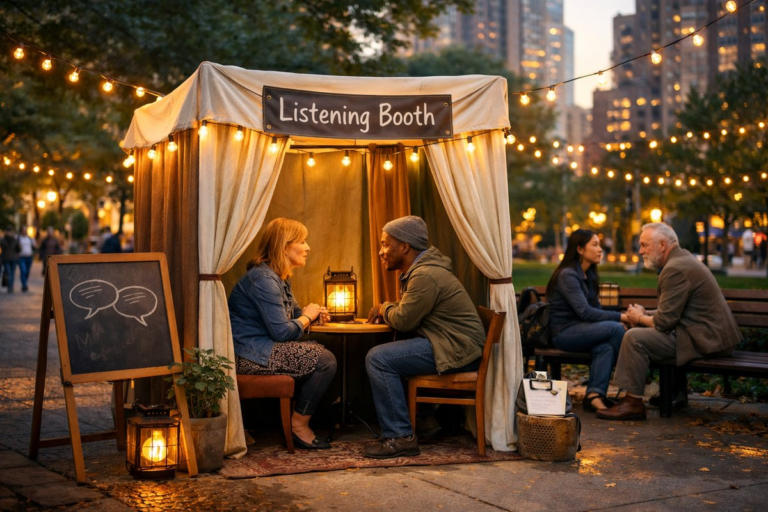
In pockets of city parks and sidewalks, volunteers have been setting up shelter-like booths where strangers are invited to share voices, fears, dreams and memories. As urban loneliness climbs, these ephemeral listening posts are offering safe space for honest dialogue, sparking deeper connection and healing old wounds.
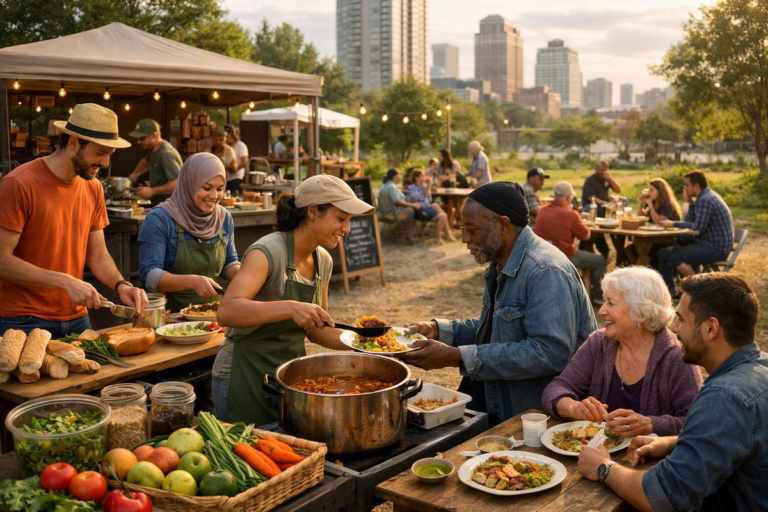
On sidewalks, in parks and vacant lots, pop-up community kitchens are transforming urban isolation into shared hope. Driven by volunteers, sustainability advocates and those who've known hunger firsthand, these mobile food hubs are nourishing both bodies and the social fabric of cities.
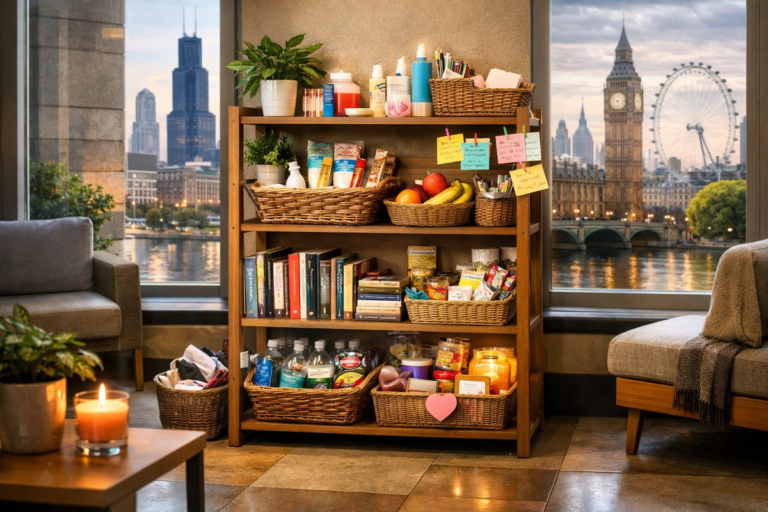
In apartments and condo lobbies from Chicago to London, small self-service "Care Corners" are sprouting, stocked with toiletries, snacks, books and handwritten notes. What started as a single shelving unit to help a neighbor in need has evolved into a global mutual-aid movement that celebrates everyday resilience, trust and interdependence.
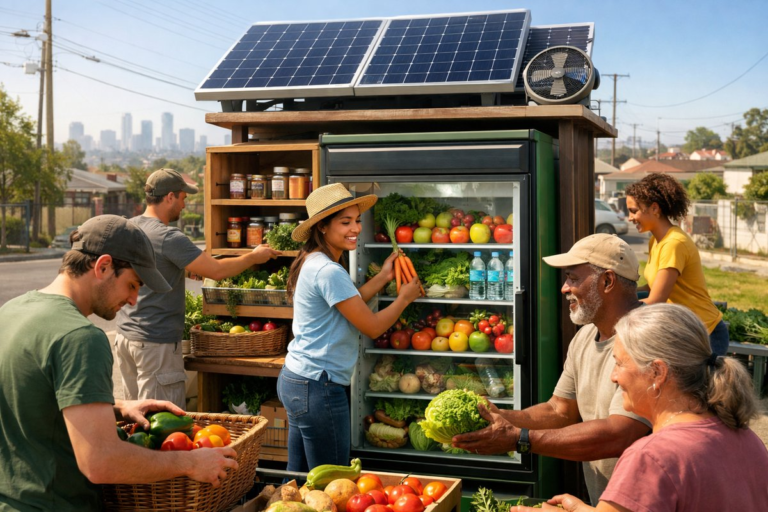
In neighborhoods where heatwaves and supply chain disruptions threaten fresh produce, volunteers are installing solar-powered community fridges to bridge gaps in food access and reduce waste. These grassroots cooling stations blend renewable energy and mutual aid to nourish bodies and restore hope.
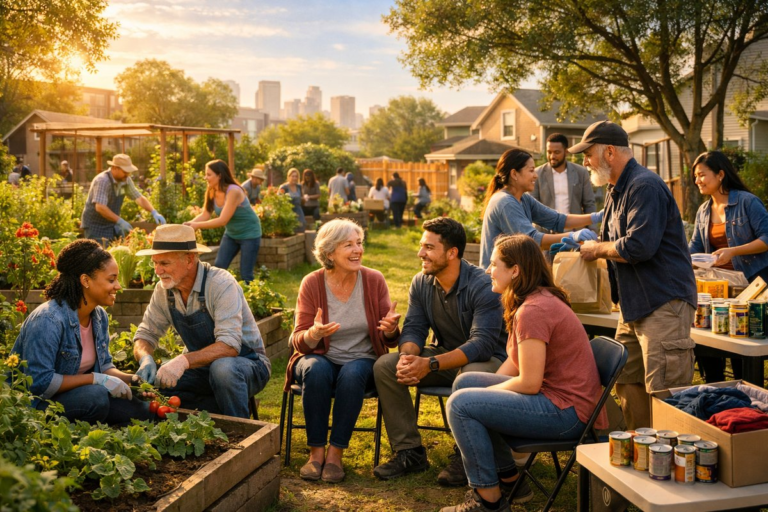
Across towns and cities, grassroots initiatives are transforming isolated individuals into connected neighbors. Through community gardens, mutual aid networks, and peer support circles, volunteers are rediscovering purpose, tackling mental health challenges, and nurturing hope in the face of adversity.
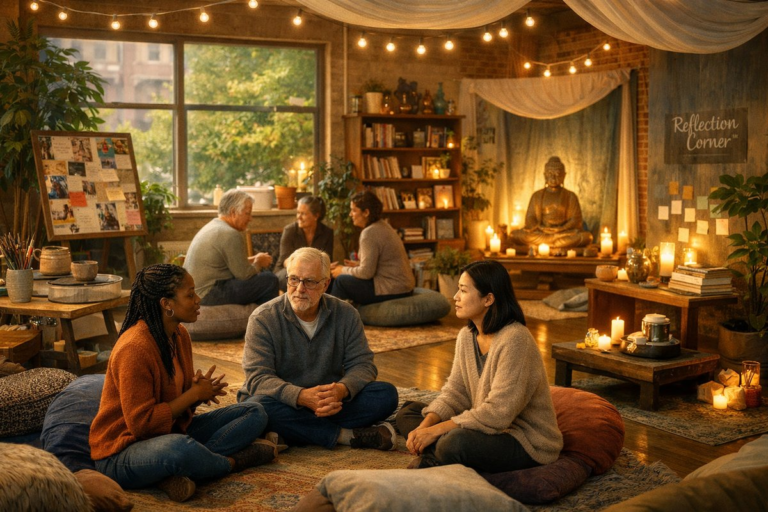
Across urban neighborhoods, repurposed spaces known as community reflection hubs are offering a gentle refuge for those grappling with disappointment and loss. By combining creative tools, peer-facilitated circles, and a welcoming environment, these initiatives help individuals reframe failure as a catalyst for renewed purpose.
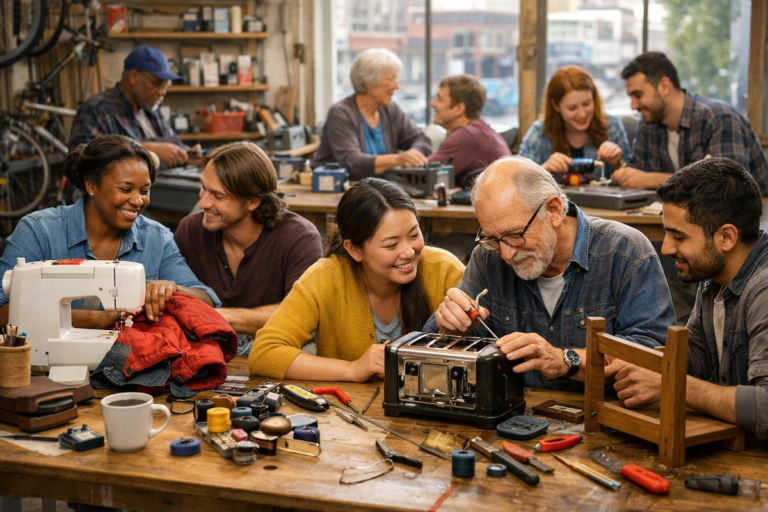
In city neighborhoods around the globe, volunteer-run repair cafés are emerging as hubs of creativity, learning, and connection. By bringing broken toasters, torn jackets, and rattling chairs to communal worktables, residents are rediscovering hands-on skills, forging unexpected friendships, and turning waste into opportunity.
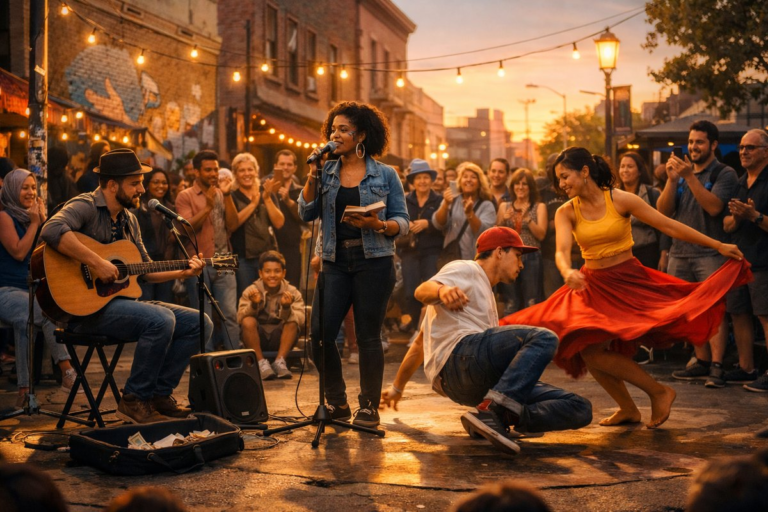
In neighborhoods around the globe, spontaneous street shows are transforming urban corners into gathering places of hope, laughter, and shared humanity. Musicians, poets, and dancers are armed with little more than a folding stool, a portable speaker, and unwavering courage, proving that creativity can mend social fractures and reignite collective purpose.
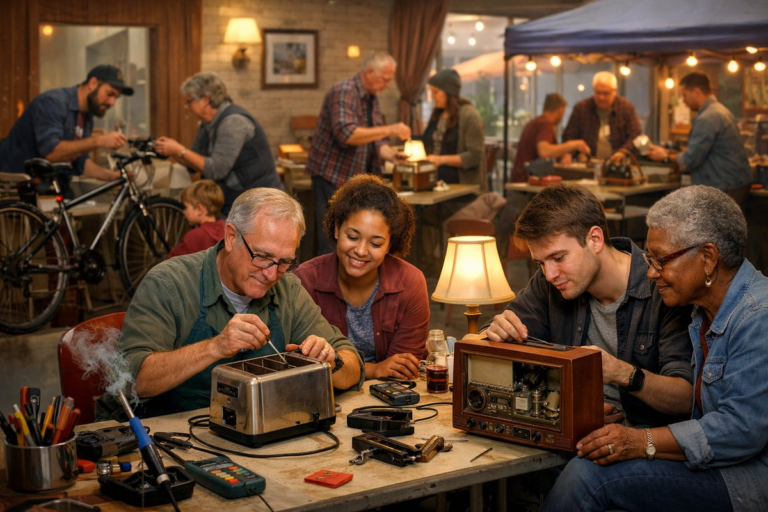
A growing network of neighborhood repair cafes is breathing new life into discarded toasters, bicycles and radios while weaving a tapestry of trust and skill across communities. In living rooms, church basements and pop-up tents, strangers become collaborators, turning the act of fixing into a ritual of resilience and connection.
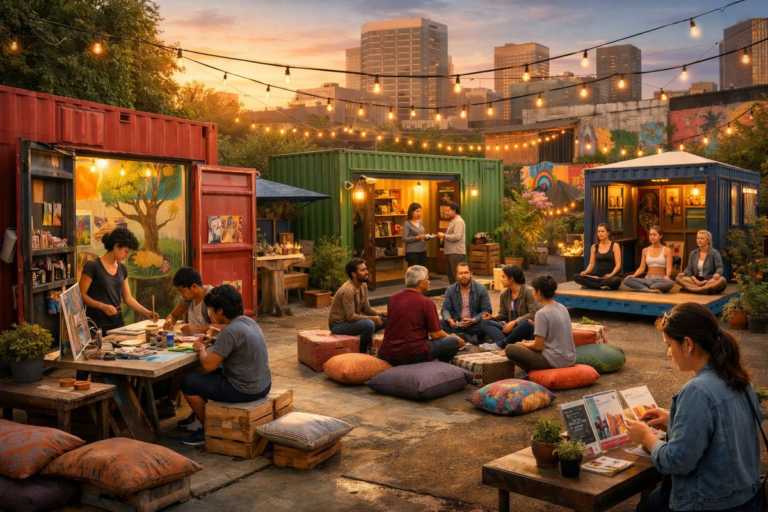
Across cities, volunteers and social workers are transforming cargo containers and street corners into pop-up Resilience Hubs-spaces offering peer support, art workshops, and mental health resources. These grassroots sanctuaries are bridging isolation gaps and sparking new models for collective healing.