Location
Mount Vernon, WA 98274

Location
Mount Vernon, WA 98274
A growing number of parents are blending emotional awareness exercises with narrative play to nurture curiosity, resilience, and communication skills in young learners. By combining story-driven prompts, role-playing tools, and simple mindfulness activities, families are creating dynamic at-home learning rituals that engage both heart and mind.
In living rooms across the country, kitchen tables are transforming into hubs of imaginative exploration. Parents are trading traditional worksheets for story-driven prompts and emotional check-in rituals. The result is a home learning experience that engages children’s cognitive skills alongside social and emotional development, building resilience and curiosity in equal measure.
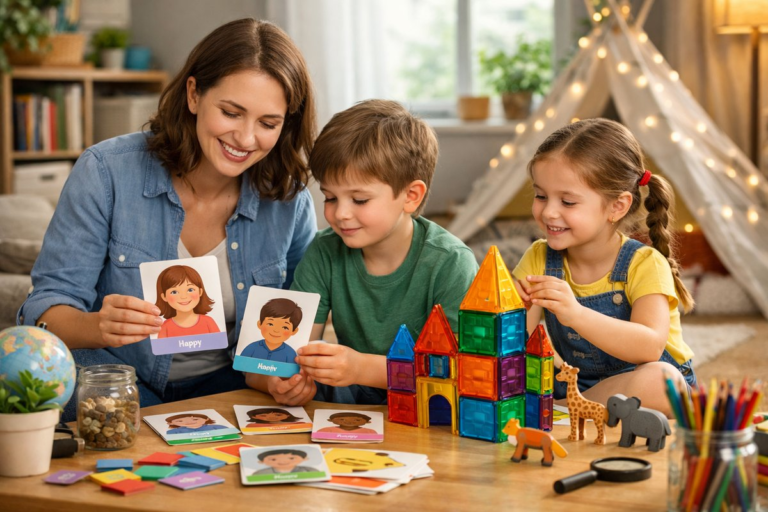
At the heart of this shift is a simple insight: when children feel heard and understood, they learn more deeply. One parent describes beginning each morning by drawing an emotion wheel on a whiteboard and inviting their five-year-old to place a magnet on the face that best matches how they feel. That single gesture sparks conversation-sometimes about worries over a big sibling fight, other times about excitement for a family outing. These brief emotional check-ins set the tone for the day, grounding lessons in a sense of empathy and mutual respect.
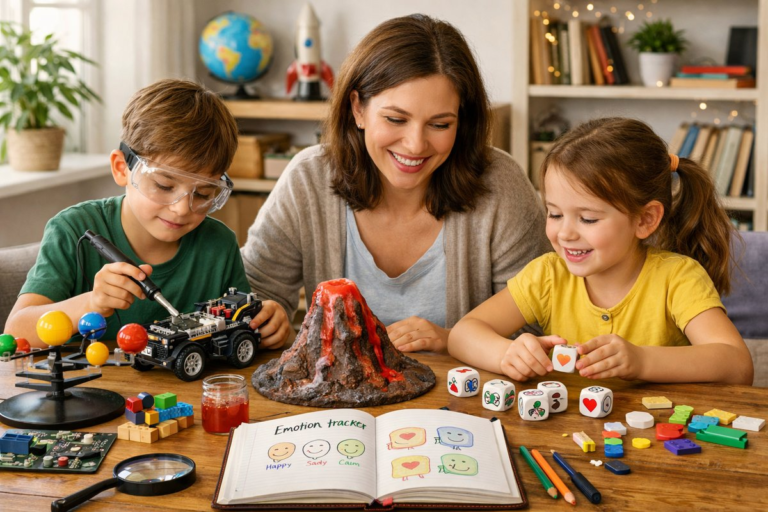
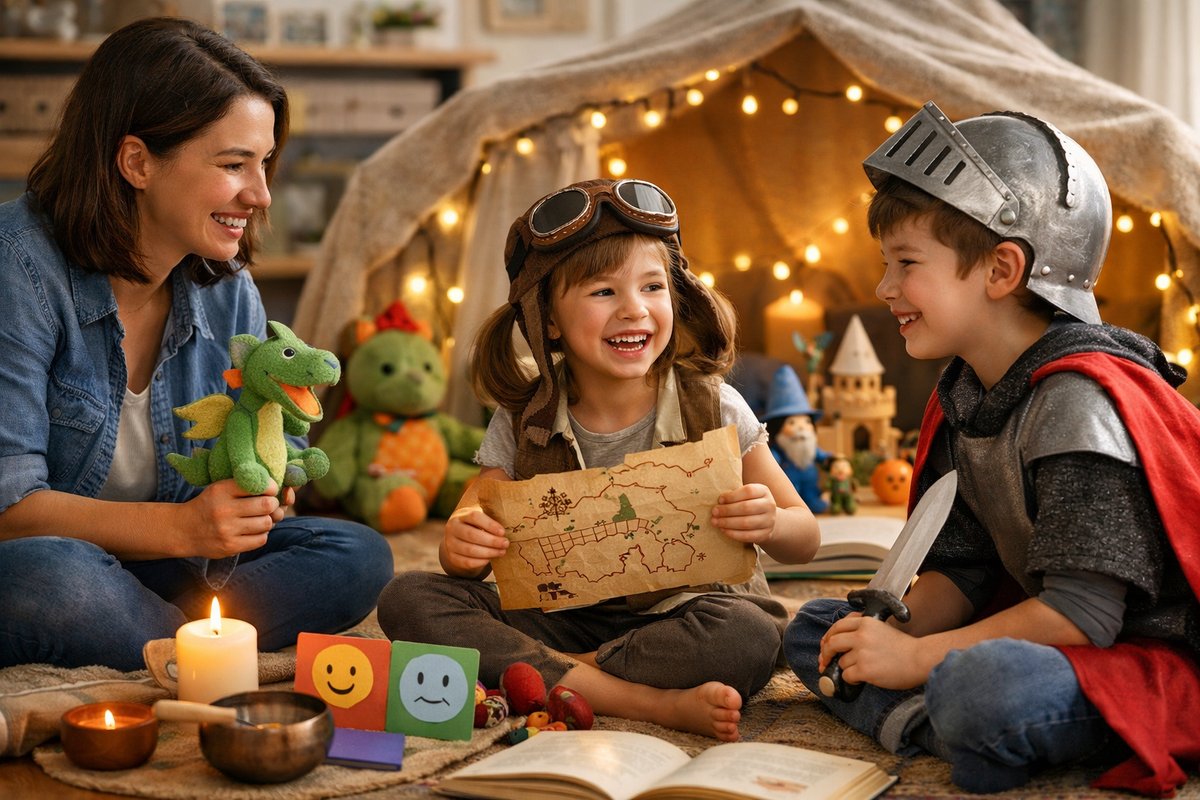
Storytelling is another cornerstone of this approach. Rather than reading straight from a textbook, families are using interactive tools like story dice and character cards to co-create adventures. A roll of the dice might introduce a brave explorer or a mischievous dragon, and children shape the unfolding narrative. As the tale grows more complex, parents weave in problem-solving questions: “What happens when the dragon feels sad?” or “How can the explorer help a friend in trouble?” The resulting narratives become micro-lessons in empathy, logic, and language skills.
Recent research highlights the power of narrative to accelerate learning. A study from a leading university found that children who engage in guided storytelling exercises develop stronger vocabulary and improved memory retention compared to peers using conventional drill-and-practice methods. Moreover, those same children demonstrated greater emotional vocabulary, reporting more nuanced awareness of their feelings over a six-week period.
These findings resonate with parents who have adopted microlearning rituals. One family shares how they punctuate math challenges with brief mindfulness pauses. After tackling a set of addition problems, they spend two minutes following a guided breathing exercise led by a calming voice recording. Children learn to notice how their bodies feel-tight shoulders or fluttering hearts-and then practice releasing tension. The practice not only refocuses attention but also builds self-regulation skills that carry over into academic tasks.
The benefits extend beyond cognitive and emotional growth. Families report deeper connection amid the sometimes-frantic pace of daily life. One parent notes that her ten-year-old often chooses to lead the mindfulness exercise, showcasing a newfound confidence and a budding interest in guiding others. Siblings, too, find common ground: collaborating on story prompts or taking turns hosting a “feelings check-in” circle and listening as each person shares their highs and lows.
Educators are taking notice. A growing number of homeschool co-ops now incorporate parent-led workshops on emotional storytelling and reflective play. These gatherings include demonstrations of simple DIY tools-like laminated feeling cards or homemade story dice-and group discussions on tailoring activities to different age ranges. Word spreads quickly when parents see how easy it is to adapt a few low-cost materials into a transformative learning experience.
Technology also plays a supporting role. Interactive drawing boards with built-in story templates encourage children to illustrate scenes and then record voiceovers, turning each drawing into a narrated tale. Free mobile apps offer parent-guided mindfulness scripts and emotion-tracking charts that sync across multiple devices, allowing family members to compare insights and celebrate progress together.
While these innovations may sound high-tech, many families emphasize simplicity and sustainability. Reusable tools-such as dry-erase boards, wooden blocks, and paper tokens-replace single-use materials. Story cards are printed on recycled cardstock, and digital recordings live on shared cloud folders rather than accumulating on multiple devices. This eco-conscious mindset reinforces the lesson that thoughtful, intentional design can support both personal growth and environmental responsibility.
Of course, no method is one-size-fits-all. Parents navigate challenges such as balancing screen time with unplugged activities, adjusting the emotional complexity of prompts for different developmental stages, and finding moments of calm amid busy schedules. Online forums and social media groups have sprung up as supportive spaces where families share templates, success stories, and troubleshooting tips. In one popular thread, members exchange ideas for tailoring story-based math problems-like calculating the dragon’s treasure weight or mapping a traveler’s journey across a make-believe continent.
Experts caution that emotional storytelling should complement, not replace, formal educational curricula. But when integrated thoughtfully, these techniques can bolster motivation and deepen understanding. Teachers who partner with homeschooling parents report that students arrive better prepared to discuss themes, ask questions, and tackle challenges with curiosity rather than fear of failure.
Looking ahead, the next frontier may involve more structured collaboration between educational publishers and developers of emotional learning tools. Imagine textbooks that open with a family-check-in template or math workbooks that include prompts for reflecting on frustration and celebrating persistence. Such hybrid resources could streamline lesson planning for busy parents while ensuring that emotional wellness remains front and center.
For now, families are building their own playbooks. A fetchingly simple shelf might display a row of labeled baskets: one holding story dice, another stocked with emotion cards, a third containing mindfulness timers and breathing guides, and a fourth with art supplies. Each morning, a child chooses which basket to open first-sometimes guided by mood, other times by sheer curiosity. Whatever the choice, the day’s learning adventure begins with a question of the heart: “How do you feel, and what story will we tell today?”
In an era where standardized metrics often dominate discussions of academic success, these heart-centered home learning rituals offer a refreshing reminder: education is more than content mastery. It’s about nurturing empathy, fostering creativity, and empowering children to become thinkers and storytellers in their own right.