Location
Mount Vernon, WA 98274

Location
Mount Vernon, WA 98274
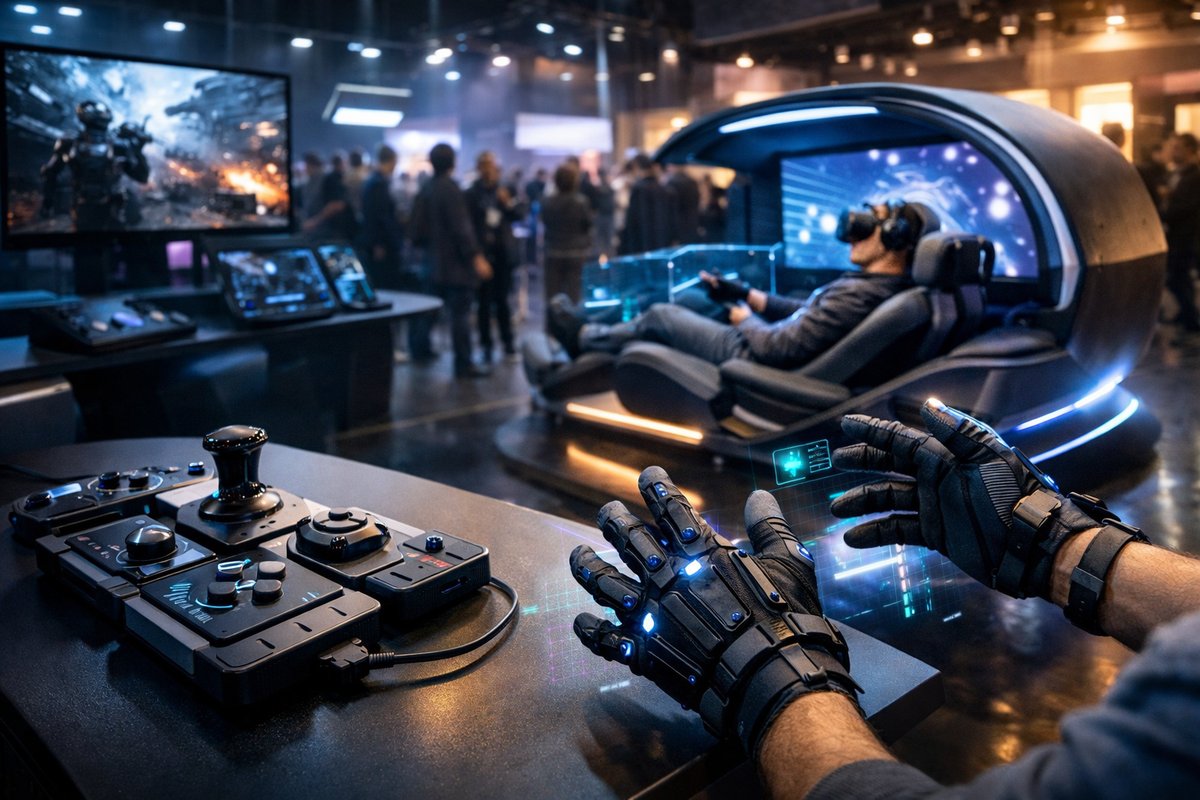
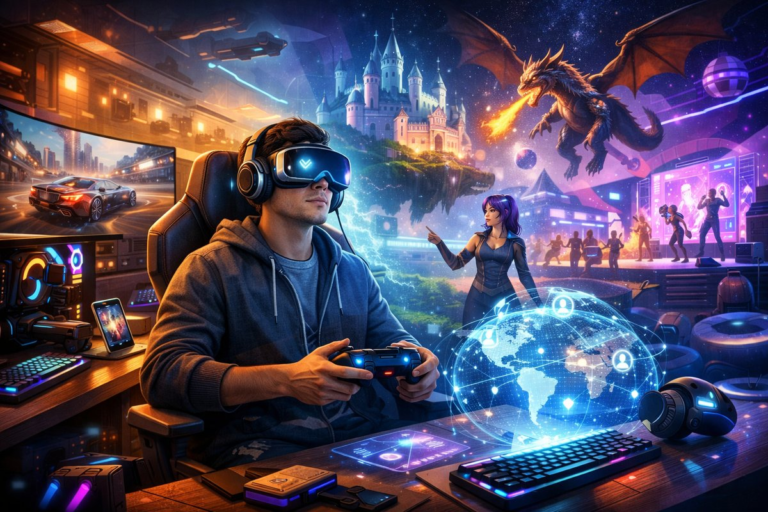
At a recent tech showcase in Berlin, innovators unveiled a wave of hardware and software designed to blur the line between living room leisure and professional-grade gaming. Modular controllers, haptic gloves, and cloud-powered lounges are rewriting expectations for what it means to play.
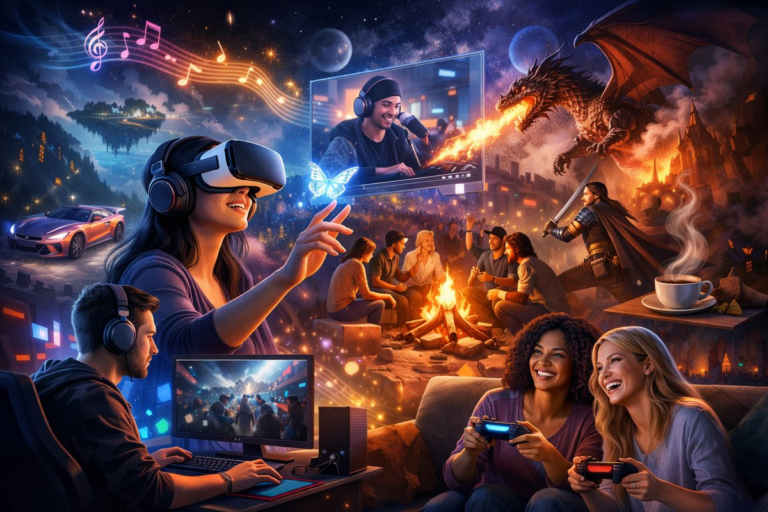
In a cavernous hall on the outskirts of Berlin, rows of glowing pods beckoned attendees to step inside and experience the next frontier of interactive entertainment. Far from the traditional crowded booths of yesteryear, this year’s Global Tech Playground Expo featured living-room-style lounges, modular gaming carts rolling among demo stations, and concept rooms that adapted lighting and sound in real time to match each player’s experience. The message was clear: play is no longer a passive pastime but a dynamic ecosystem of hardware, software and even architecture.
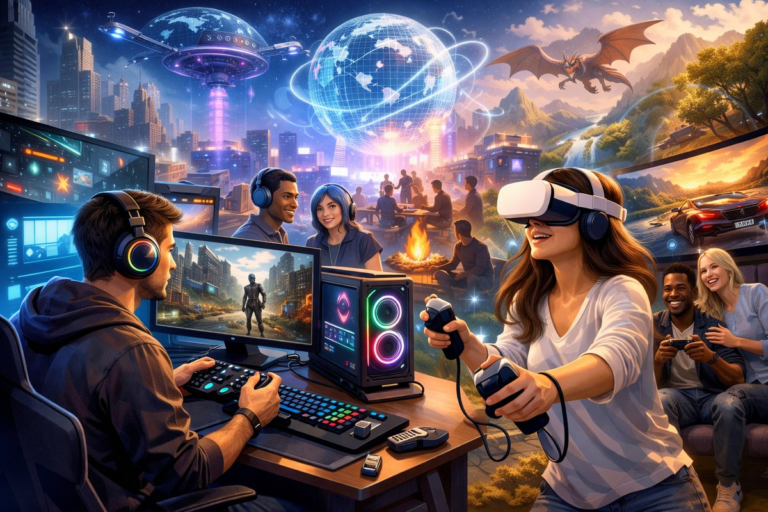
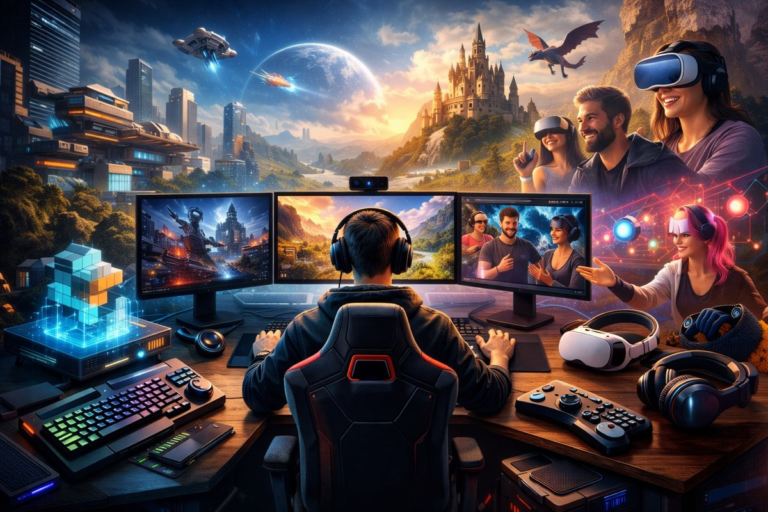
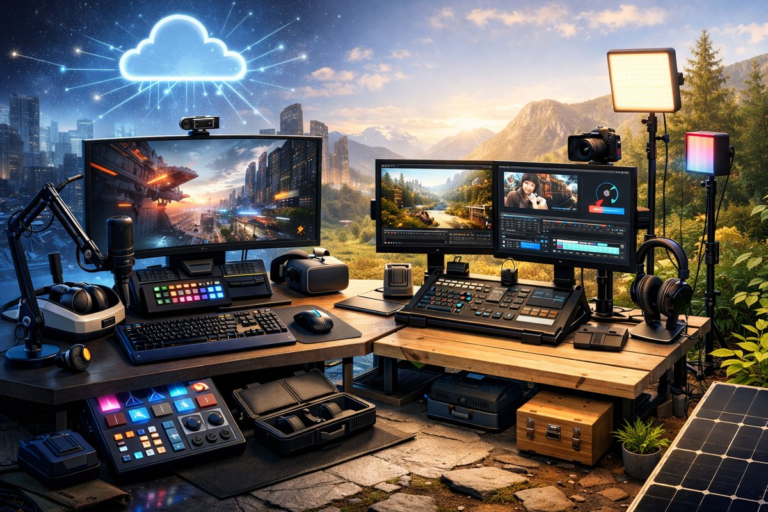
Organizers described this edition of the Expo as a celebration of “adaptive playscapes,” where every piece of equipment-from handheld controllers to full-body haptic rigs-can be reconfigured on the fly. One highlight was a cluster of custom workstations showcasing hot-swappable controller modules that let players swap out analog sticks, D-pads and trigger assemblies in seconds. Whether tackling a high-speed racer or a turn-based strategy title, gamers can now fine-tune their input devices to match genre conventions, hand size or ergonomic preferences.
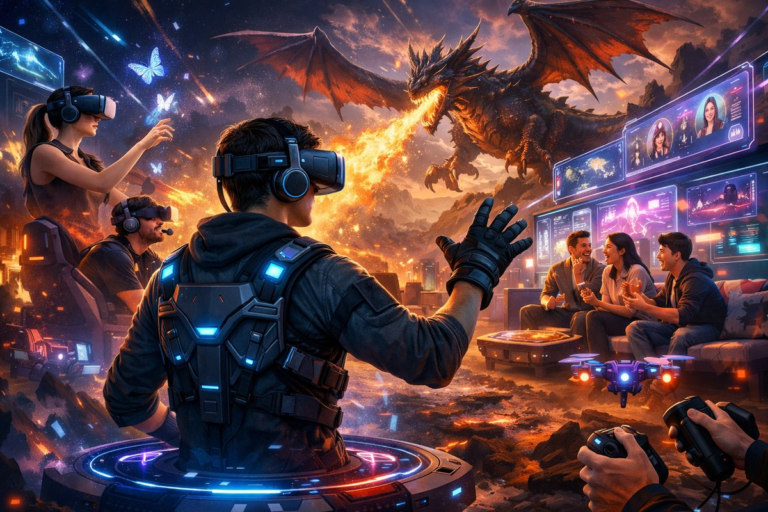
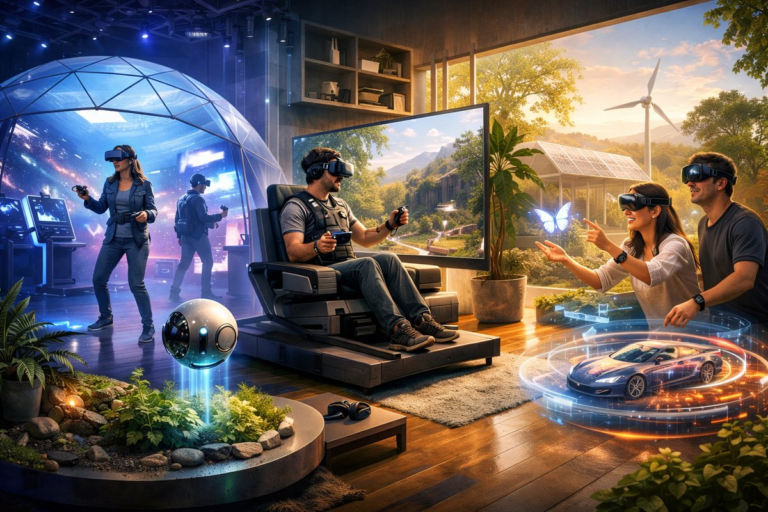
Alongside those modular controllers, several startups revealed wearable haptic feedback gloves that transmit nuanced pressure sensations. By mapping virtual interactions-grasping a magic staff, feeling the kick of a horse’s heels or sensing the rebounding tension of a bowstring-the gloves add a tangible layer of immersion once confined to science fiction. Developers at the expo demonstrated live demos linking the gloves to multiuser VR realms, so a group of players could feel the same in-game object as they passed it from hand to hand.
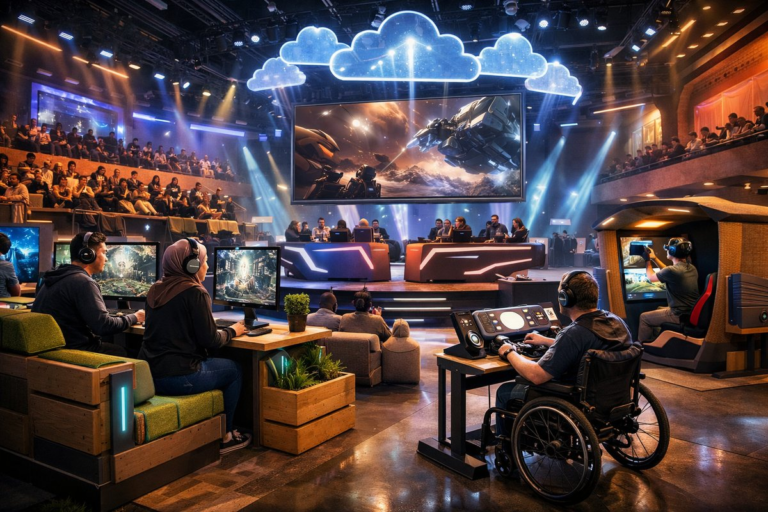
But hardware alone can’t carry the vision. Host venues at the Expo were outfitted with smart lighting rigs, spatial audio arrays and AI-driven environmental controls that shifted ambiance according to in-game events. When a horror demo grew tense, lights dimmed and soundscapes narrowed to heighten focus. If a cooperative shooter heated up, overhead fixtures pulsed in time with soundtrack beats. These adaptive ecosystems promise to transform not only dedicated gaming rooms but also public arcades, esports arenas and home theaters.
Cloud gaming also took center stage. Attendees tested high-fidelity PC and console titles on lightweight handheld streaming devices, free from bulky local rigs. Impressively, several presentations showed near-zero latency across international test servers, making remote play feel as responsive as plugging into a local console. This seamless shift between local processing and cloud bursts opens the door for instant launch experiences, cross-platform matchmaking and even dynamic difficulty adjustments powered by real-time analytics.
One of the more eye-catching exhibits invited visitors to bring their own games and load them onto shared modular cabinets. These rolling game hubs contain integrated screens, slot-in compute modules and variable seating heights, so communities can host pop-up game nights at cafes, college campuses or office lounges. Organizers touted the sustainability angle: rather than discarding entire consoles, operators can upgrade compute modules as new chipsets arrive, reducing electronic waste and prolonging the lifespan of display and control hardware.
Some developers took a different tack, blending physical board games with augmented reality overlays. Patrons sat around a traditional table, moving sculpted miniatures while wearing lightweight AR glasses that projected animated effects onto the board. A mocked-up dungeon crawler came alive with virtual guards, trap animations and dynamic lighting, while an AI game master narrated the action. This fusion of analog and digital play caters to tabletop enthusiasts who crave the social, tactile nature of in-person gaming but want the spectacle of modern graphics.
In the sidelines, indie titles embraced accessibility and sustainability. Designers showcased low-power handhelds built from recycled plastics and open-source electronics kits. One nonprofit booth offered tutorial decks for schools, allowing students to assemble their own controllers and program basic games from scratch. By demystifying the machinery behind play, advocates hope to foster the next generation of hardware and software creators.
Industry veterans noted that this convergence of modular hardware, cloud services and intelligent environments marks a tipping point. For decades, consoles and PCs were static platforms with defined lifecycles. Now, the boundaries are dissolving. Players who invest in a modular gear library can iterate continuously, adding new modules for emerging control schemes or swapping outdated parts for fresh innovations. Venues that adopt adaptive ecosystems can host myriad experiences-from competitive tournaments to collaborative art installations-without building separate spaces for each.
Yet challenges remain. Standardizing module interfaces across manufacturers is crucial if players are to mix and match components without compatibility headaches. Network infrastructure must expand to support widespread low-latency cloud streams, especially in regions with less robust internet access. And content creators need tools that seamlessly integrate haptic and environmental data into their pipelines, ensuring games can dynamically adapt to evolving hardware setups.
Early adopters are already experimenting. A handful of boutique gaming lounges in North America and Asia have begun installing modular cabinets, ambient lighting systems and haptic rigs. Patrons can book themed sessions-like a neon-lit cyberpunk adventure or a retro pixel party-and the venue reconfigures hardware, décor and even soundtracks to match. Meanwhile, remote teams are piloting “play pods” at coworking spaces, enabling colleagues to gather for brainstorming sessions that unfold as collaborative game quests.
The impact could extend beyond leisure. Sports teams are exploring adaptive gear for training simulations, using room-scale audio and haptics to recreate game-day pressure for rookies. Therapeutic centers see potential in immersive environments for physical rehabilitation and stress relief. Meanwhile, educators eye augmented board games and modular controllers as gateways to teach coding, physics and teamwork through experiential learning.
As the Expo wrapped up, visitors lingered in the demo halls as if reluctant to leave. Conversation buzzed with speculation about what home-based play setups might look like in a few years. Will custom controller racks become a standard furniture item? Could cloud-driven microservices deliver personalized game narratives on demand? And how will developers strike a balance between accessible simplicity and deep configurability?
One thing is certain: the era of one-size-fits-all consoles is drawing to a close. Modular controllers, haptic gloves, adaptive playscapes and cloud-based streaming are converging into a vast, user-driven playground with near‐infinite customization. For players, that means crafting personal spaces of wonder and challenge that evolve alongside their tastes and skills. For venues and developers, it’s a call to build experiences that transcend the limitations of any single device or genre.
In the end, play may be serious business, but it’s also a canvas for creativity, community and connection. By embracing modular ecosystems and immersive technologies, the industry is opening new portals of possibility-where the only limit is the player’s imagination.