Location
Mount Vernon, WA 98274

Location
Mount Vernon, WA 98274
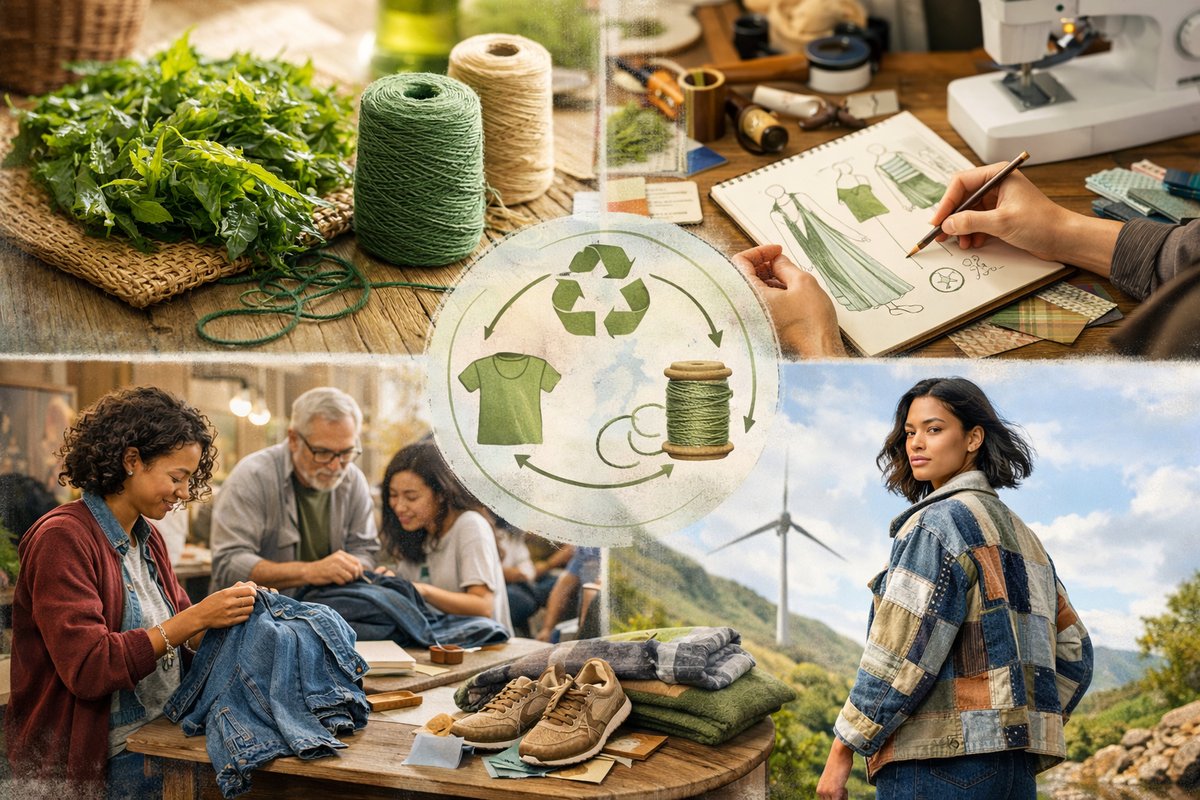
From seaweed-derived yarns to community repair pop-ups, the latest wave of apparel is weaving narratives into every stitch. Discover how designers, activists and innovators are redefining style with sustainable materials, circular systems and human-centered experiences.
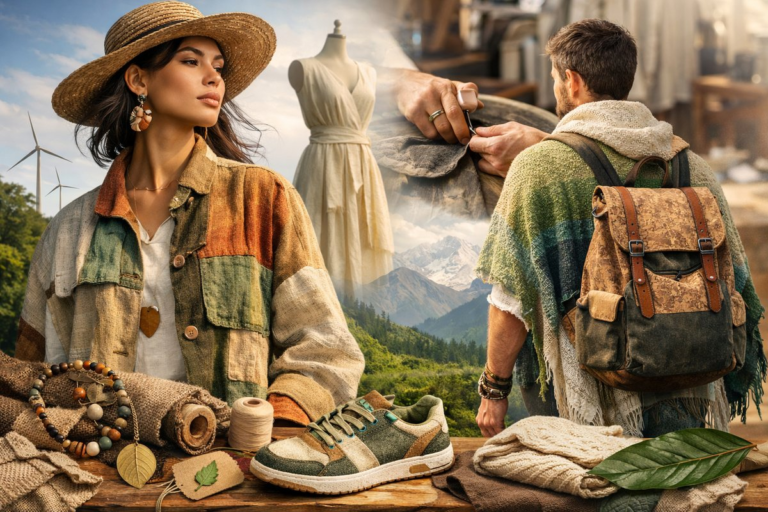
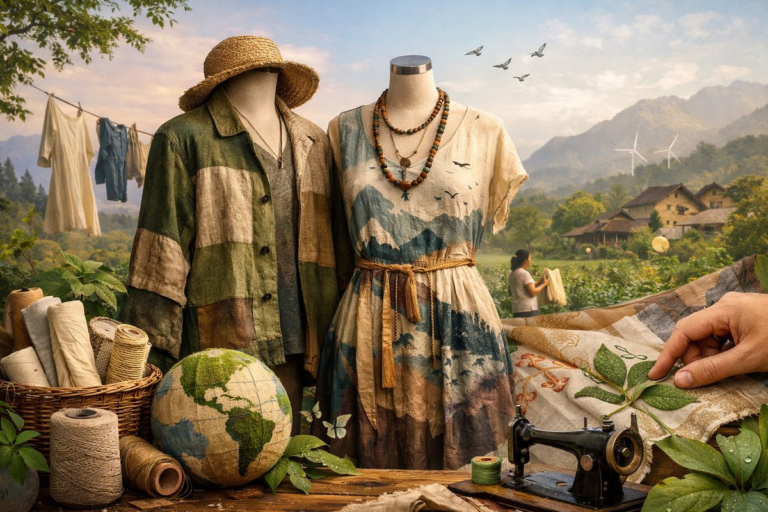
In a sunlit warehouse repurposed from an old shipping terminal, a line of mannequins stands draped in garments that feel more like chapters of a novel than off-the-rack ensembles. One features a shawl dyed in swirling cobalt hues made from food-waste pigments. Another sports a lightweight blazer spun from fibers derived from algae biomass. Nearby, customers shop amid racks labeled “Repair Station,” where storytellers guide them through patchwork, mending circles and personalized design consultations.
This isn’t a pop-up store, a museum exhibit or a runway show. It’s the latest incarnation of narrative fashion-a movement that merges sustainability, heritage craft and emotional intelligence to turn wardrobes into living archives of values and experiences.
Brands and startups around the globe are converging on a central premise: clothing isn’t just an object, it’s an opportunity to express identity, forge community ties and address urgent social and environmental challenges. As the industry wrestles with its 10 percent share of global carbon emissions and the fact that nearly 70 percent of the planet’s textile waste ends up in landfills or incinerators each year, this story-driven approach offers a roadmap for regeneration.
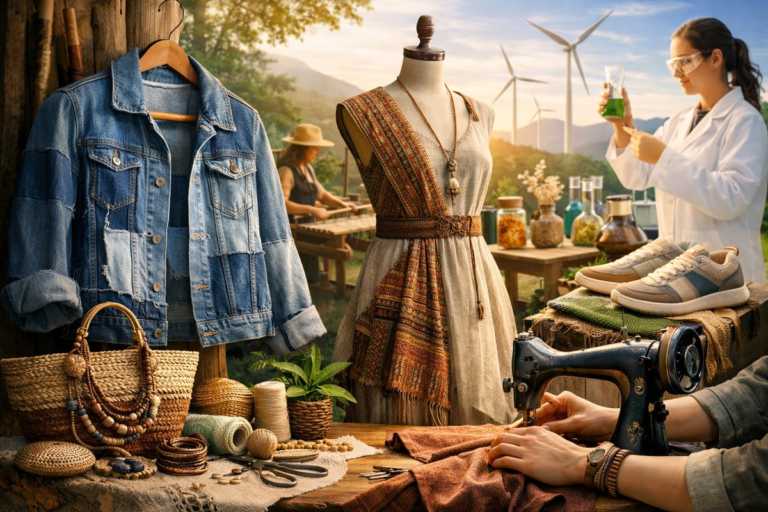
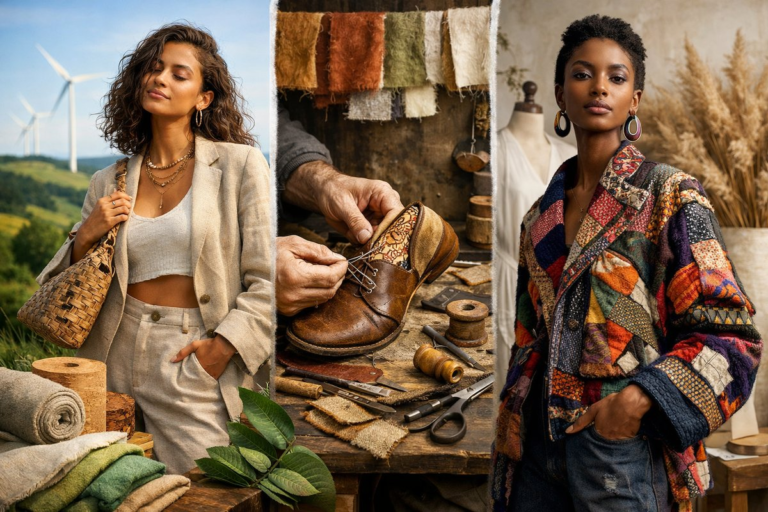
At the forefront are designers harnessing bio-based materials. In Denmark, a collective of chemists and textile artisans is perfecting a waterborne dye extracted from spent coffee grounds, eliminating harmful synthetic colorants. In coastal Japan, seaweed harvested by local fishers is processed into a silky filament that biodegrades harmlessly at end of life. These experiments harken back to ancient craft traditions while pointing toward a circular supply chain.
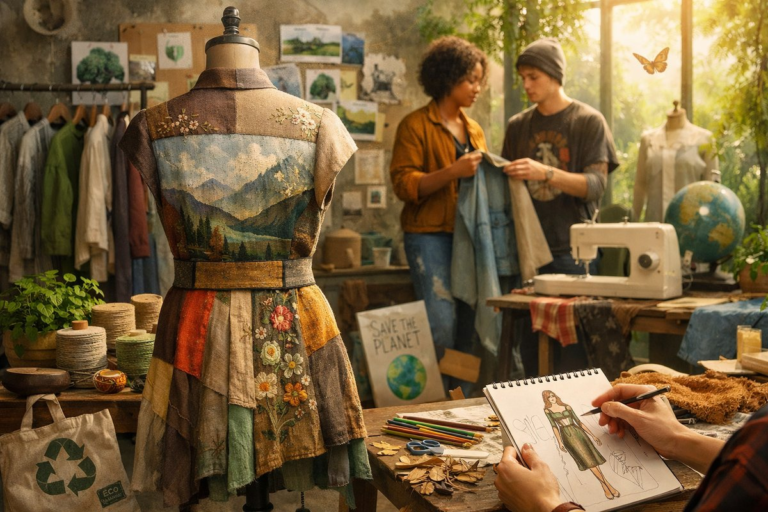
Meanwhile, activists and nonprofits are creating platforms that connect consumers, makers and repair experts. In Berlin, the annual “Make Mend Merge” fair invites anyone to bring a cherished garment in need of TLC. Professional tailors lead workshops on sashiko stitching, while digital kiosks archive each item’s history-its original purchase location, the story behind its first wear, even notes from friends who gifted it. The result is a living database of personal style stories, reinforced by a culture of care over disposability.
Tech innovators aren’t standing on the sidelines. Modular garment systems equipped with snap-on linings and interchangeable collars are streaming down factory lines in the Netherlands. Users can swap components to adapt to changing weather, personal taste or evolving body shapes. Embedded NFC chips let wearers access care instructions, styling tips and even video interviews with the artisans who crafted the piece.
Data from the UN Environment Programme underscores why these efforts matter: the fashion sector generates 20 percent of global wastewater and consumes nearly 79 billion cubic meters of water each year-roughly equivalent to the annual drinking water needs of five million people. By shifting to regenerative fibers, low-impact dyes and closed-loop production, storytellers in fashion aim to shrink that footprint.
Consumer behavior is shifting too. Surveys by a leading market research firm reveal that nearly 65 percent of shoppers aged 18-35 say they prioritize brands that can share the provenance of their materials. Close to 40 percent report being willing to pay a premium for repairable or modular garments that can evolve over time. This stands in stark contrast to the rapid-turnover “fast fashion” model that once dominated closets worldwide.
Yet challenges remain. Scaling artisanal processes can conflict with the economies of larger production volumes. Ensuring fair wages for craftspersons while keeping price points accessible demands innovative financing models and cooperative structures. And building consumer trust in new materials requires rigorous transparency and third-party certification.
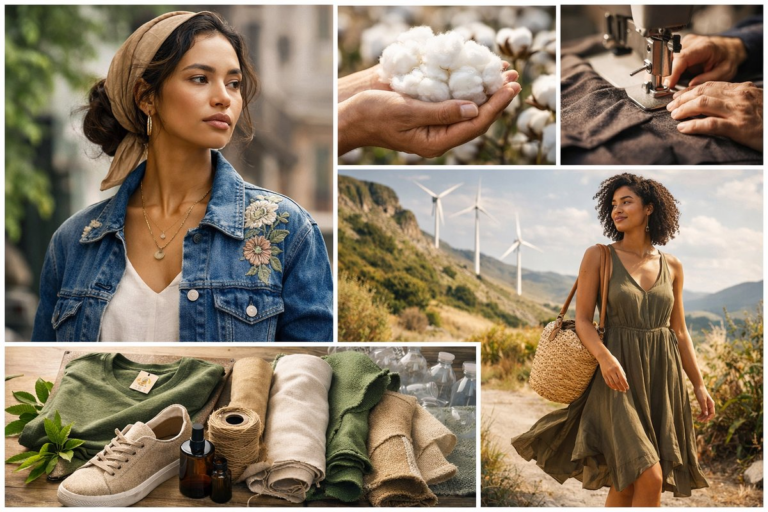
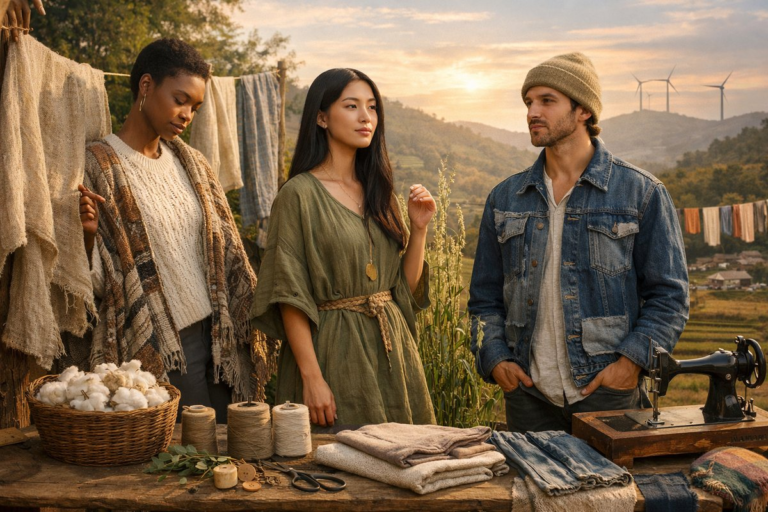
Some early successes point the way forward. A collaboration between a French weaving co-op and a nonprofit in West Africa has introduced a premium architextile made from locally grown cotton and native dye plants. Profits are reinvested into community education and soil-restoration initiatives. At a pilot phase in Parisian boutiques, the line sold out in under a week-suggesting that consumers crave authenticity and impact as much as they crave aesthetics.
Community-sourced fashion marketplaces are also gaining momentum. Online platforms now let independent designers host livestreamed events showcasing upcycled collections made from fabric offcuts. Viewers can chat directly with makers, place custom orders or join limited-edition drops. These digital experiences blend the immediacy of social media with the intimacy of a local craft fair.
Experts emphasize the need for emotional intelligence in this next chapter of fashion. “Clothing carries our memories and aspirations,” says a sustainability strategist who consults for major apparel groups. “When brands treat customers as storytellers rather than consumers, they unlock deeper loyalty and drive meaningful change.”
For consumers eager to embrace this narrative wave, practical steps abound. Before buying, ask what happens after the garment’s primary life: Are there repair services available? Can the materials be composted or recycled? Seek out labels that openly publish their chemical-management data and support third-party ecolabels.
At home, extend each piece’s lifespan through simple rituals: hand-wash with low-impact detergents, mend small tears right away, swap garments with friends or participate in local clothing swaps. Digitally log the stories behind each favorite item-a first-date dress, a backpack from a transformative trip or the sweater your grandmother knitted.
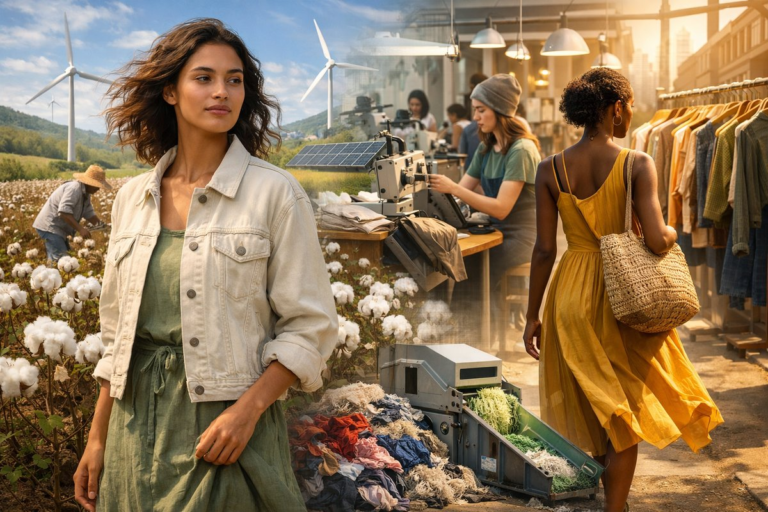
Looking ahead, the fusion of storytelling and system thinking may redefine entire supply chains. Imagine a future where harvesting seaweed for textile feedstock simultaneously restores coastal ecosystems. Picture modular garments embedded with AR markers that unlock digital narratives when scanned through a smartphone. Envision fabrics that change color and texture to reflect mood, health data or environmental conditions, creating an emotional dialogue between wearer and world.
That horizon may feel distant, but the current pulse is unmistakable: style powered by purpose. As creative minds, social entrepreneurs and everyday dressers come together, our closets can become canvases for collective impact. When each jacket, scarf or pair of pants carries a purpose and a story, what we wear transcends fashion-it becomes a catalyst for connection.