Location
Mount Vernon, WA 98274

Location
Mount Vernon, WA 98274
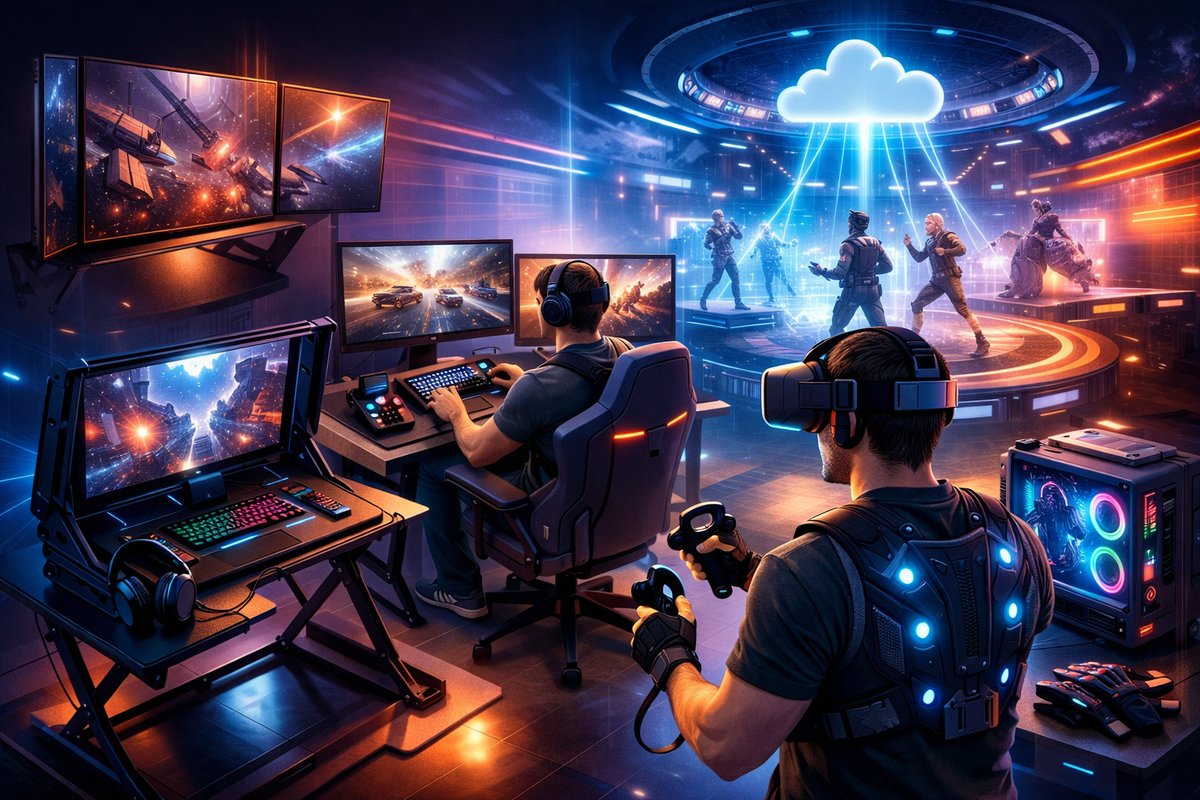
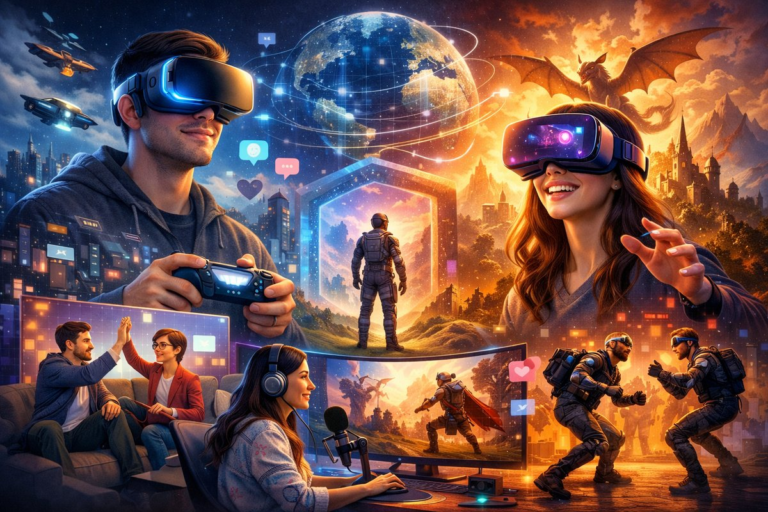
As play continues to evolve from casual living room sessions to full-blown multisensory experiences, the tools and spaces we equip ourselves with are becoming more modular, adaptive, and community-driven. From foldable gaming desks to haptic feedback vests and cloud-powered arenas, discover how the latest gear and designs are reshaping where and how we play.
Gaming and entertainment have shed any resemblance to simple pastimes. What once began as a single console under a TV has grown into sprawling setups that merge sleek hardware, ambient lighting, and communal hubs. At its core, the modern play space is a lab for experimentation, a place to test new tech, reconfigure existing gear, and build worlds that feel tangibly real. This shift isn’t just cosmetic. It marks a deeper recognition that play can be a catalyst for creativity, social connection, and even wellness.
Modular setups are taking center stage for players who crave adaptability. Gone are the days of one rigid desk and stack of monitors. Instead, we’re seeing foldable gaming desks that can be stowed against a wall or reconfigured into standing stations. These designs often pair with modular shelving systems that let you slide in soundproof panels, attach controllers, or tuck away VR headsets when not in use. One highlight is the rise of multi-angle brackets that hold curved ultra-wide monitors, giving you both a sprawling panoramic view during space-flight simulators and a streamlined straight-on perspective for strategy titles.
Lighting has become as important as the hardware under your desk. Multi-zone LED strip lights not only chase the rhythm of game soundtracks but can be calibrated to match in-game skies, explosions, or ambient effects. Integration software now syncs with popular streaming platforms, so viewers see exactly what you see, down to the flicker of a torch or neon glow of a cyberpunk skyline. Beyond LED strips, desk lamps with adjustable color temperature help reduce eye strain during marathon sessions, while dynamic floor lighting can serve as visual alerts for in-game events or incoming messages.
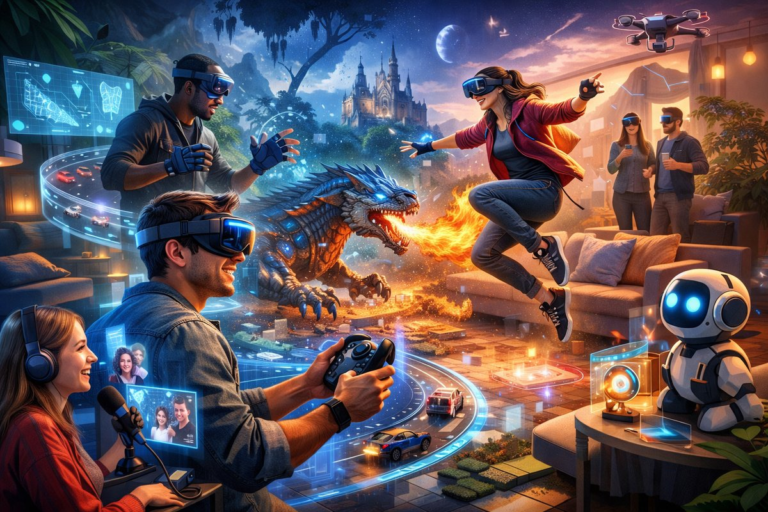
Virtual reality, once a novelty, is maturing into a staple of immersive play. The latest VR headsets offer improved field of view, higher refresh rates, and built-in audio drivers that negate the need for separate headphones. Wireless adapters free you from tethering, while lightweight motion controllers track finger movements with precision. These setups often pair with dedicated play mats that mark your safe zone and track foot motion for combat or sports simulations. Notably, portable VR backpack rigs are becoming more accessible, enabling true room-scale exploration without tripping over cables.
Haptic feedback gear is also popping up in living rooms and dedicated arenas. Beyond rumble packs, we now have vests, gloves, and even full-body suits that transmit subtle taps, pulses, or pressure. Imagine feeling the recoil of a futuristic rifle, the brush of enemy claws, or the gentle sway of a virtual roller coaster. Developers are beginning to integrate haptic cues into game designs, allowing these devices to communicate off-screen events and environmental hazards, heightening immersion.
As worlds grow richer and file sizes balloon into the hundreds of gigabytes, hardware alone isn’t enough. Cloud gaming services and high-speed Wi-Fi 6 routers are bridging the gap. Players can stream AAA titles at high bitrates from remote servers, bypassing local hardware limitations. In-home mesh networks ensure consistent coverage across basements, garages, and backyard pop-up pods. This makes it possible to run edge-to-edge 4K streams, invite friends over for couch-style co-op in an outdoor tent, or even broadcast local tournaments without lag hiccups.
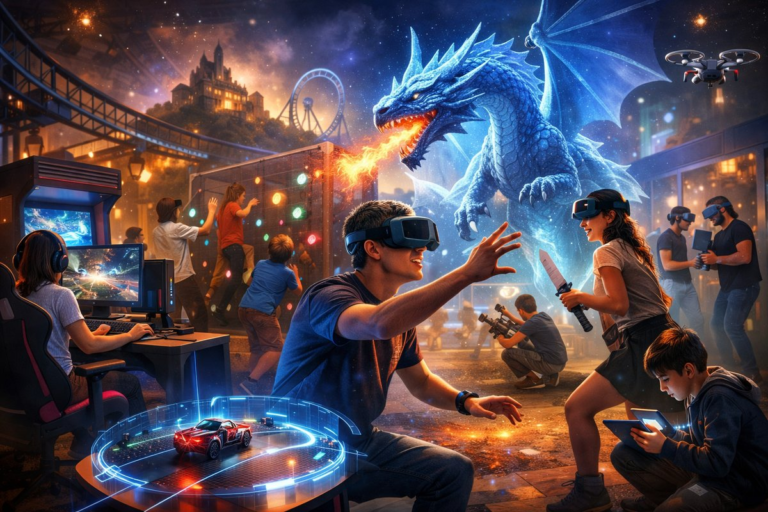
Innovation isn’t confined to private spaces. Hybrid gaming hubs-pop-up events in warehouses, bars converted into arcade lounges, and mobile gaming trailers-are forging new social frontiers. These venues often showcase retro cabinets alongside cutting-edge VR booths, offering a playful contrast between old-school coin-ops and modern modular rigs. Community organizers highlight local artists, indie studios, and hardware tinkerers who build custom controllers from joystick kits and drift belts. Live-coding sessions, speedrun competitions, and cosplay meet-and-greets add to the festival atmosphere.
For those without access to massive community spaces, DIY home arenas deliver a slice of the action. Enthusiasts construct fold-out projection screens for backyard movie nights and LAN parties, complete with blackout curtains on wheels. Sweat-resistant mats define play zones for dance or boxing simulations. Everything is stored in labeled bins on industrial-style shelving, ready to deploy at a moment’s notice. This on-demand flexibility is ideal for families balancing multiple interests and living arrangements.
Audio is often the unsung hero in immersive design. Surround-sound speaker systems, soundbars with virtual height channels, and upward-firing modules transform rooms into mini-theaters. For those who prefer headphones, wireless gaming headsets with low-latency transmission and spatial audio processing make every gunshot, ambient whisper, or orchestral sting more pronounced. Noise-cancelling features help maintain focus during critical raids or competitive matches.
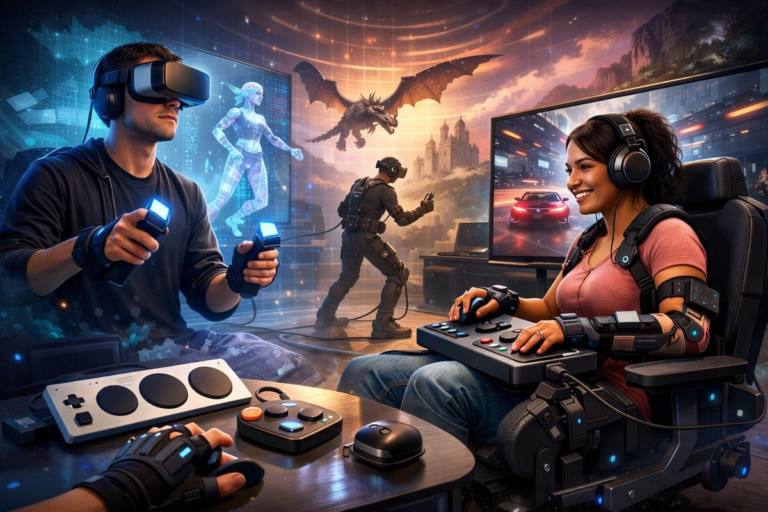
Health and comfort considerations are woven into every modern setup. Ergonomic gaming chairs now come with adjustable lumbar support, breathable mesh backs, and detachable headrests. Some feature reclining angles that double as nap modes after marathon sessions. Desk risers allow fluid transitions between sitting and standing, while footrests encourage proper posture. Smart desk mats with pressure sensors can remind you to shift positions if you’ve remained static too long.
Of course, no entertainment haven is complete without snacks and side activities. Popcorn makers, mini-fridges, and built-in cup holders keep energy levels high and spills low. For movie or series binge sessions, portable streaming devices that plug directly into projectors or TVs are popular. Many players create dedicated “chill corners” with modular bean bags and blanket supports to unwind after intense gameplay.
Gaming and entertainment are no longer isolated experiences. They’re fluid ecosystems that blur lines between hardware, software, community, and creative expression. Whether you’re a solo explorer trekking through alien landscapes or hosting a weekend LAN marathon, the tools at your disposal have never been more versatile. By embracing modular designs, immersive peripherals, and hybrid spaces, you transform play from a pastime into a multi-dimensional adventure. Now is the moment to rethink your setup,level up your gear, and forge the next generation of interactive worlds.