Location
Mount Vernon, WA 98274

Location
Mount Vernon, WA 98274
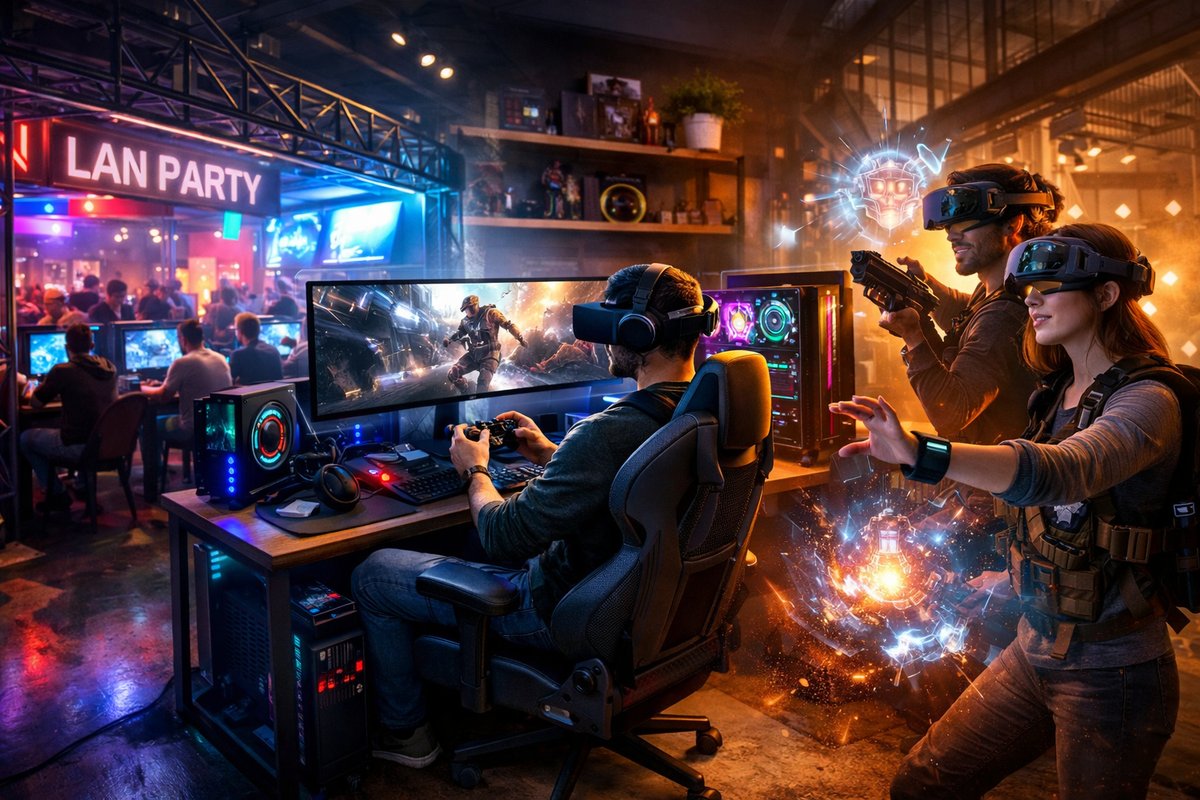
As gaming and entertainment converge, enthusiasts are redefining play with hybrid venues, DIY home rigs, and immersive tech. From pop-up LAN cafes to AR-infused live action experiences, discover how modular gear and communal spirit are transforming the way we game and gather.
In the ever-shifting landscape of games and entertainment, play has evolved beyond solitary screen time. A growing movement of creative innovators, venue owners, and at-home builders is forging new paths-blending high-tech hardware, communal spaces, and DIY ingenuity to craft experiences that spur both fun and focus.
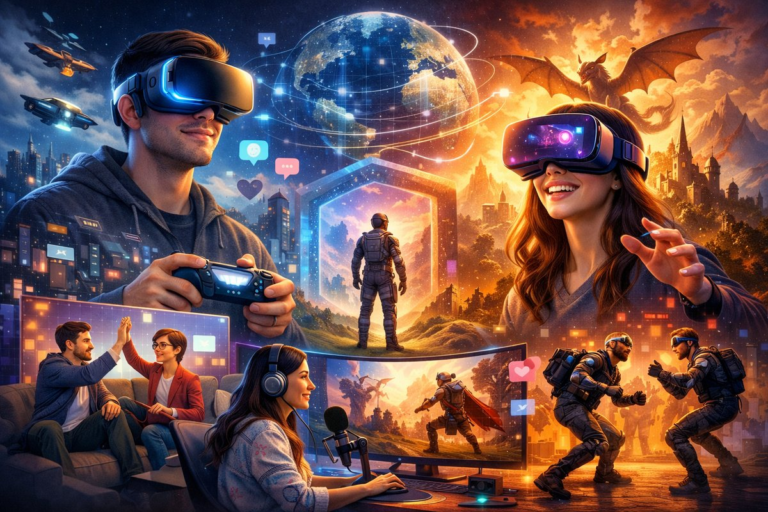
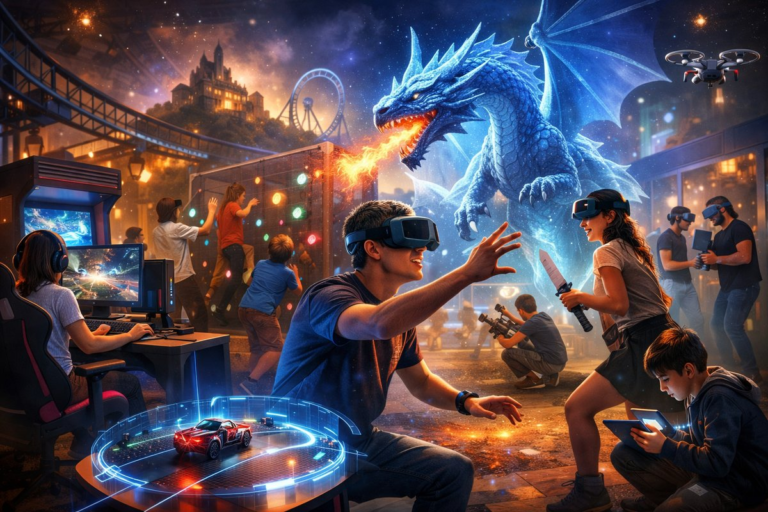
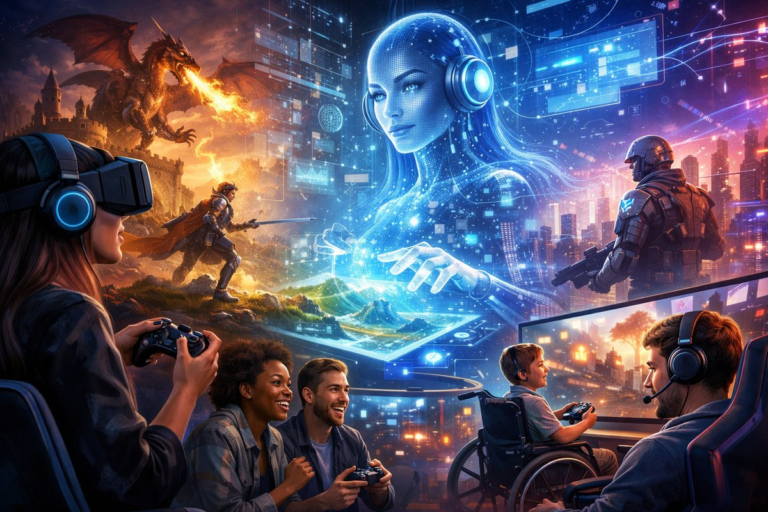
Across major cities, hybrid gaming hubs are popping up in storefronts, warehouses, and co-working spaces. Visitors might drop in for a VR roller-coaster ride, settle at a communal tabletop section to tackle a cooperative board game, and wind down in an ambient lounge for indie game demos streamed on modular LED wall panels. These venues cater to diverse tastes, whether you’re chasing the next esports tournament or simply seeking a new backdrop for multiplayer sessions.
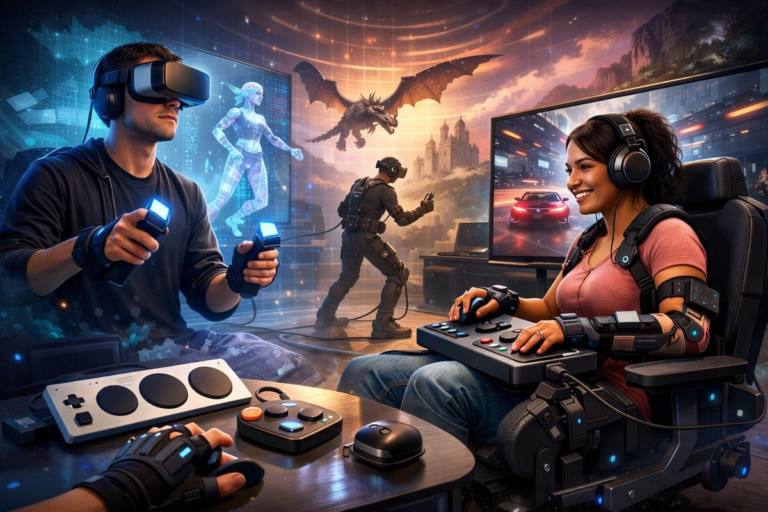
One notable example emerged in a repurposed industrial loft near a prominent art district. Organizers installed dozens of flexible mini-LED cubes, creating pixel-perfect backdrops that sync with DJs spinning chiptune sets. Adapters let attendees plug in handheld consoles, while a row of ergonomic gaming chairs, complete with lumbar support and adjustable armrests, ensures comfort during marathon sessions. This fusion of music, art, and gaming has drawn crowds eager for an offbeat night out-proof that community-driven play can rival the pull of conventional nightlife.
But it’s not only city dwellers capitalizing on the trend. Across suburban basements and spare bedrooms, hobbyists are embracing modular home gaming setups. A budding niche of kit sellers supplies magnetic shelving systems, customizable desk mounts for multiple monitors, and mountable accessories for headsets, controllers, and ambient lights. For those with a knack for woodwork, repurposed furniture finds second life as streaming station desks, with cable management trays hiding power strips and capture cards.
DIY arcade cabinet building has also seen a renaissance. Pre-cut MDF panels, joystick encoder kits, and open-source software images empower builders to replicate vintage machines or design brand-new controllers for indie titles. Enthusiasts document their journeys on video platforms, sharing tips on soldering arcade buttons, fine-tuning amplifier settings for retro speakers, and installing low-lag HDMI switchers to keep gameplay smooth across multiple consoles. These grassroots efforts cultivate tight-knit communities, where beginners exchange advice on tension springs and joystick calibration.
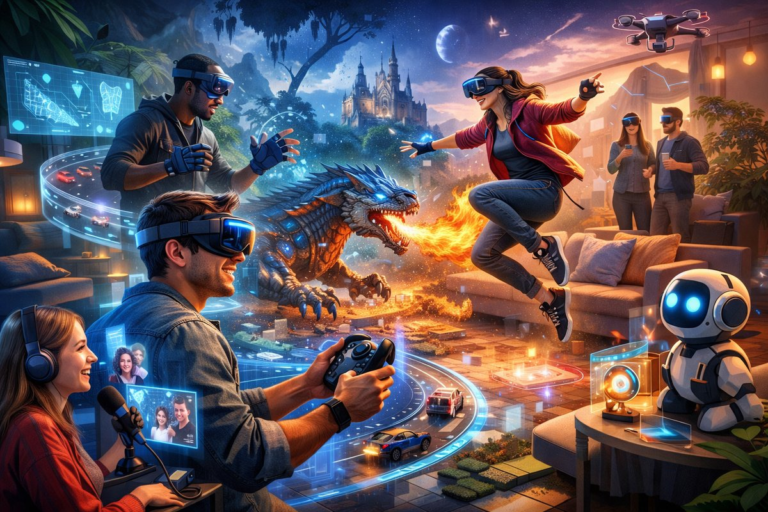
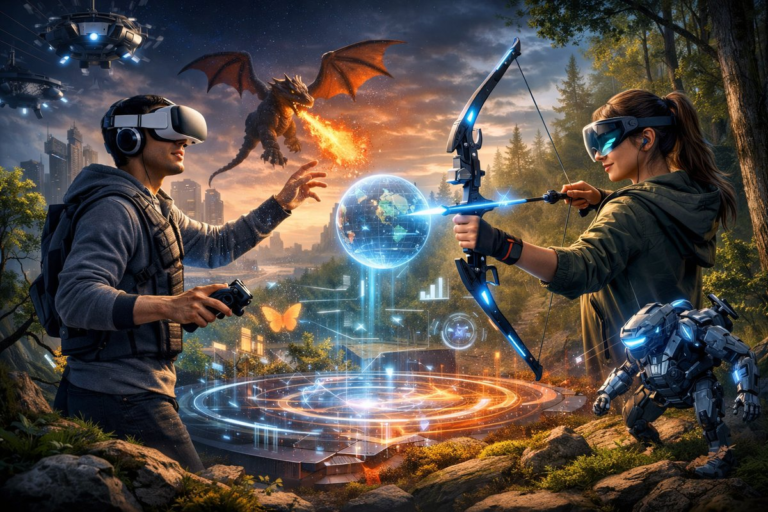
At the bleeding edge of immersion, a wave of experiments is pushing play into the physical world. Augmented reality headsets combine real-time location data with digital overlays, letting teams work through live-action puzzle hunts in city streets. Clues embedded in murals or smart-linked NFC tags guide participants through interactive narratives-detecting patterns, scanning QR codes, and occasionally triggering discrete haptic rumble packs that punctuate the story. Organizers tout these adventures as “city-scale RPGs,” attracting both families looking for weekend outings and hardcore gamers craving novel quests.
In parallel, haptic feedback vests and gloves designed for VR have begun trickling into open venues. At a recent media showcase, visitors donned a vest that simulated the recoil of virtual firearms, pulses from in-game explosions, and the subtle vibrations of footsteps on different surfaces. Paired with motion-capture cameras, these setups transform large rooms into digital playgrounds, enabling free-roam VR battles or cooperative escape-room challenges without tripping over wires.
Sustainability sits at the heart of many of these innovations. Eco-minded builders salvage retired desktop PCs, retrofitting them as server nodes for cloud-based multiplayer sessions. Old smartphone batteries find new purpose powering small LED accent lights. And local chapters of makerspaces offer workshops on circuit repair, extending the lifespan of gaming mice, mechanical keyboards, and controllers that might otherwise head straight to the landfill.
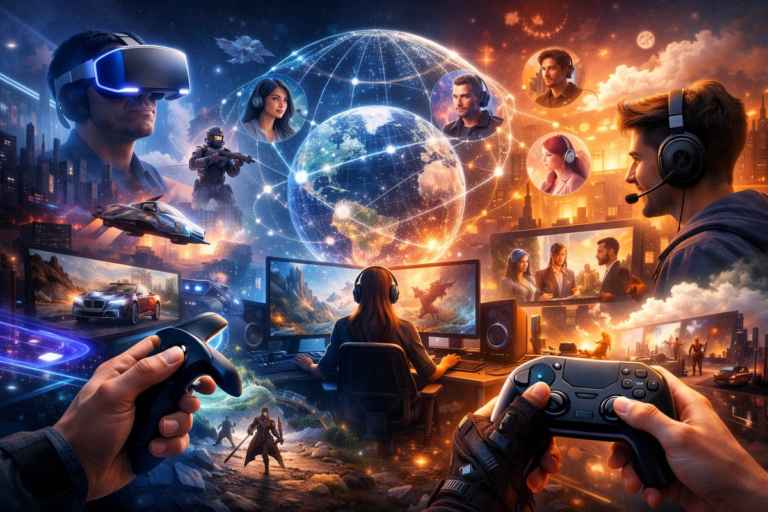
On the software side, cloud streaming platforms have lowered barriers to entry for both players and content creators. Lightweight devices connect to high-performance remote servers, offloading rendering workloads and delivering premium graphics to modest hardware. This shift is expanding access across regions with limited gaming infrastructure, fostering global communities around indie titles and competitive leagues alike.
Meanwhile, console builders and accessory designers are responding to demand for more modularity. Snap-together faceplates allow gamers to customize controller aesthetics on the fly. Magnetic mounts secure wireless earbuds or headsets to a desk stand, freeing up tabletop real estate. And plug-and-play capture modules slip into expansion slots, letting streamers record gameplay directly to external SSDs or broadcast live with minimal latency.
The intersection of play and productivity is especially evident in remote-work culture. Creatives have adapted gaming chairs for extended desk sessions, finding that the ergonomic design and multiple recline angles reduce fatigue during design sprints or code jams. RGB-backlit mechanical keyboards, once purely decorative, now help signal status in shared workspaces-different color schemes indicate whether a teammate is in “do not disturb” mode or open for quick collaboration calls.
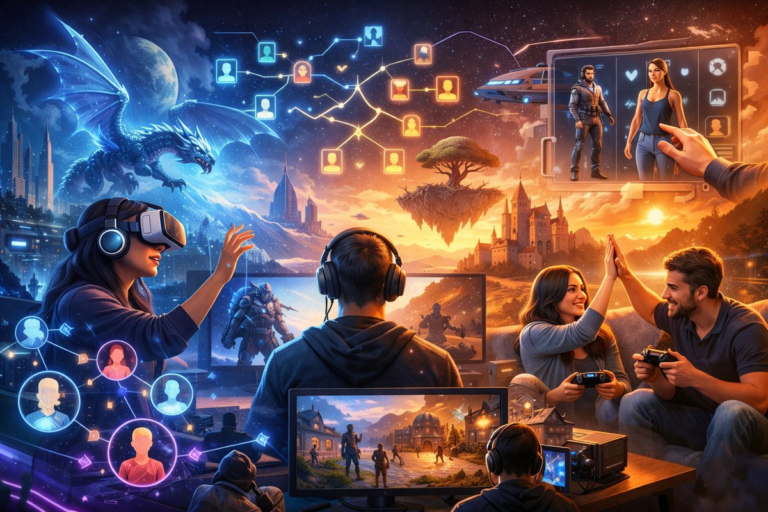
Yet with all this innovation, the core appeal remains the human connection. Whether gathering around a home theater with ambient LED strips echoing on-screen action or congregating in a pop-up LAN cafe with pixel art murals, people are drawn to shared moments of excitement and discovery. The tools and venues may evolve-with haptic vests, modular setups, and AR-driven scavenger hunts-but the impulse to play, connect, and explore together endures.
As we look ahead, expect to see more cross-pollination between industries. Fitness studios might adopt VR dance-battle rigs, while art galleries commission interactive game installations. Even traditional theme parks are eyeing portable, containerized VR pods that can rotate through different franchises. On the home front, AI-driven lighting and soundscapes could adapt in real time to gaming scenarios, syncing ambient room conditions with in-game weather, day-night cycles, or narrative beats.
One thing is certain: play is serious business. Whether you’re an event organizer designing the next hybrid entertainment hub, a woodworker building your first arcade cabinet, or a streamer upgrading your rig, there’s never been a more exciting moment to tinker, innovate, and level up. The emerging synergy of communal venues and personalized home setups promises a future where boundaries blur between the digital and physical, the solitary and the social. So plug in, power up, and get ready: your next unforgettable play experience might be just around the corner.