Location
Mount Vernon, WA 98274

Location
Mount Vernon, WA 98274
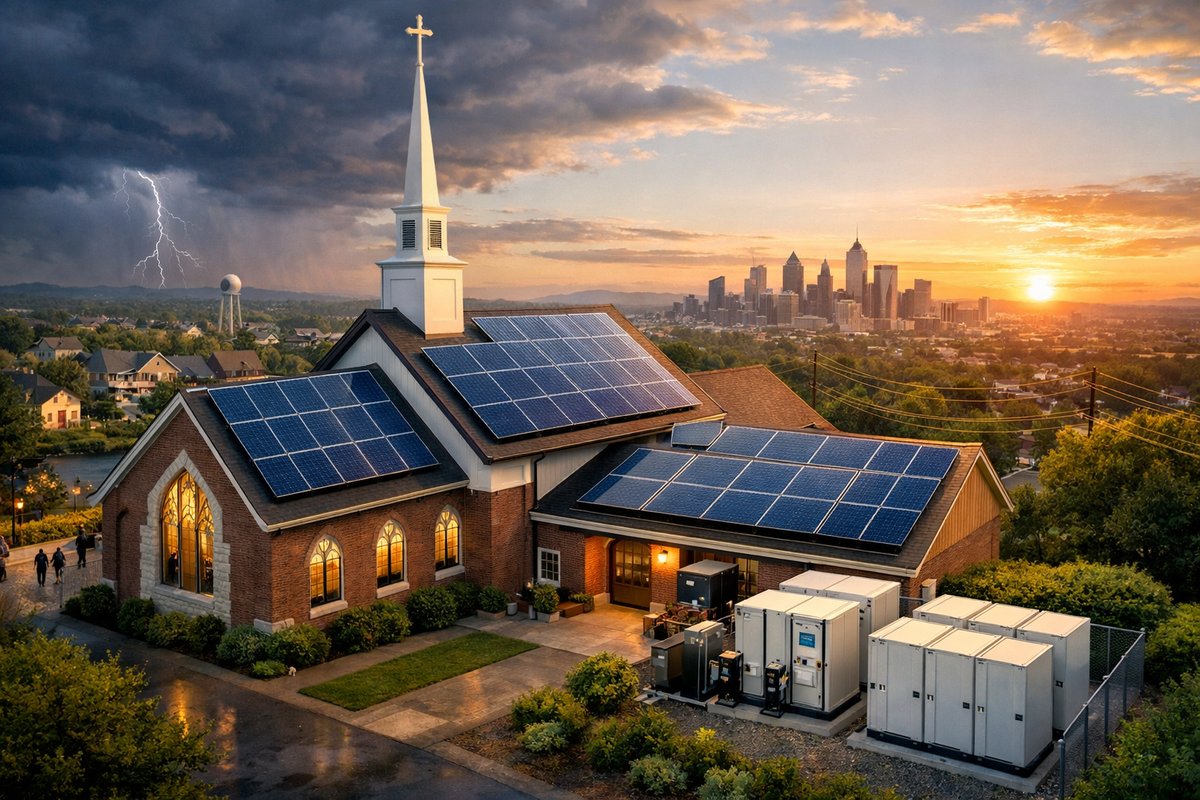
Across small towns and urban centers, congregations are turning to rooftop panels and battery banks, transforming church buildings into resilient, off-grid hubs. This shift blends ancient teachings on stewardship with modern technology, empowering communities during storms, power outages, and economic uncertainty.
On a crisp autumn morning, members of a rural congregation gather beneath an array of photovoltaic panels glinting in the low sun. These panels, perched atop the sanctuary roof, trace lines of light across white clapboard siding. For this church, and hundreds like it, solar arrays have evolved from experimental installations to essential infrastructure-fueling lights, powering community meals, and sustaining wireless internet during severe weather.
Traditionally, the church building has served as both a spiritual home and a neighborhood center. In the face of rising energy costs and unpredictable utility grids, faith communities are now reclaiming that role by investing in renewable power. Drawing from ancient convictions about caring for creation and supporting one another, congregations are adapting cutting-edge solar technology to strengthen community bonds and ensure a reliable source of electricity when it’s needed most.
In small towns across the Midwest, church leaders once saw their steep winter heating bills as an unavoidable expense. That picture began to change when a coalition of volunteers pooled donations to cover the upfront costs of solar panels. Today, photovoltaic arrays generate a significant portion of the sanctuary’s daytime power, driving down monthly utility statements by more than half. Surplus energy flows into a battery bank, storing enough electricity to power lights and heat pumps through the first hours of a blackout.
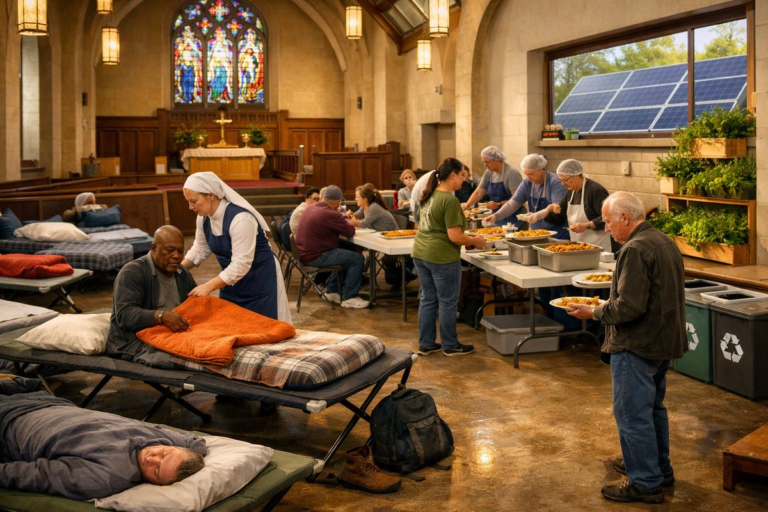
The financial relief has been profound, but many congregants emphasize the social and spiritual payoffs. After a recent storm knocked out power to the entire county, the church welcomed neighbors seeking warmth and phone-charging stations. The sanctuary basement became a makeshift warming shelter, with fresh coffee brewed on electric hot plates and blankets draped across pews. Children played board games under LED bulbs powered by solar reserves, while adults swapped stories of ice-coated roads and fallen trees.
Beyond emergency relief, renewable installations are seeding new ministries. Youth groups have launched “eco-developments,” helping elderly residents retrofit their homes with simple solar kits. Adult education classes now include workshops on clean-energy fundamentals, teaching participants how to size panels, wire charge controllers, and safely maintain battery banks. Sunday school lessons have woven in creation care themes, inviting children to think deeply about resources, responsibility, and hope.
National data confirms that Christian congregations are at the forefront of faith-based environmental action. In surveys conducted by reputable energy research labs, faith institutions rank among the top sectors adopting distributed solar power. Thousands of houses of worship have signed up for community solar programs, while hundreds of church campuses host their own arrays. In some dioceses and synods, sustainability teams collaborate across denominations, pooling grant money to underwrite renewable projects in lower-income parishes.
The momentum stems from a convergence of factors. Rising electricity rates strain budgets already stretched thin by building maintenance and charitable outreach. Aging wiring and HVAC systems push congregations to explore integrated upgrades. At the same time, an emerging generation of church leaders is energized by environmental ethics rooted in scriptural traditions. Passages emphasizing care for the earth and compassion for the vulnerable now inform practical decisions about rooftops and parking lots.
Technical challenges remain. Solar performance can dip during winter months, when daylight hours shrink and snow accumulates on panels. Battery storage adds complexity and cost, with lead-acid or lithium-ion banks requiring careful ventilation and monitoring. Even with grants or tax credits, the initial investment can intimidate smaller congregations. To address these hurdles, some regional nonprofits offer turnkey packages, pairing solar installers with volunteers who handle routine panel cleaning and system diagnostics.
A team of retired electricians and college interns has become the backbone of one church’s maintenance crew. Wearing safety harnesses, they clear winter snow and troubleshoot charge-controller alarms. At a recent training session, a volunteer instructor laid out best practices for wire gauges and fuse sizing. These sessions not only build technical skills, but also strengthen personal connections across generations of congregants.
Looking ahead, faith communities are exploring hybrid systems that integrate solar generation with small-scale wind turbines, micro-hydro pumps and even geothermal heat loops. Some are investigating smart inverters that automatically shift surplus power to community refrigerators stocked with donated food. Others envision mobile solar trailers that can be towed to natural disaster sites or remote neighborhood block parties.
Churches in coastal regions have begun equipping floating platforms with panels and battery banks to serve congregations and first responders in flood-prone towns. Urban parishes are mapping out solar canopy installations over parking lots, creating shaded gathering spaces above carports. Across denominational lines, leaders are drafting policy statements on energy justice, advocating for low-income households to receive priority access to clean power programs.
Amid these innovations, the spiritual dimension remains central. Clergy emphasize that stewardship extends beyond tithes and alms, calling congregants to steward resources with both humility and joy. At one church’s Earth Day service, a choir processed with LED-lit lanterns, symbolizing the partnership between divine guidance and human ingenuity. During the final hymn, solar panels were blessed alongside loaves of bread and jars of honey, underscoring the interconnectedness of all creation.
In a world buffeted by environmental uncertainty, these solar sanctuaries stand as testimonies to resilience. Each array installed atop a church roof represents more than kilowatts generated; it embodies hope, solidarity, and a deeply rooted faith that the tools of modern science can be harnessed in service of timeless values. As congregations continue to refine their systems and share lessons learned, the light they capture from the sun becomes a beacon-illuminating both sanctuary walls and the wider community they cherish.