Location
Mount Vernon, WA 98274

Location
Mount Vernon, WA 98274
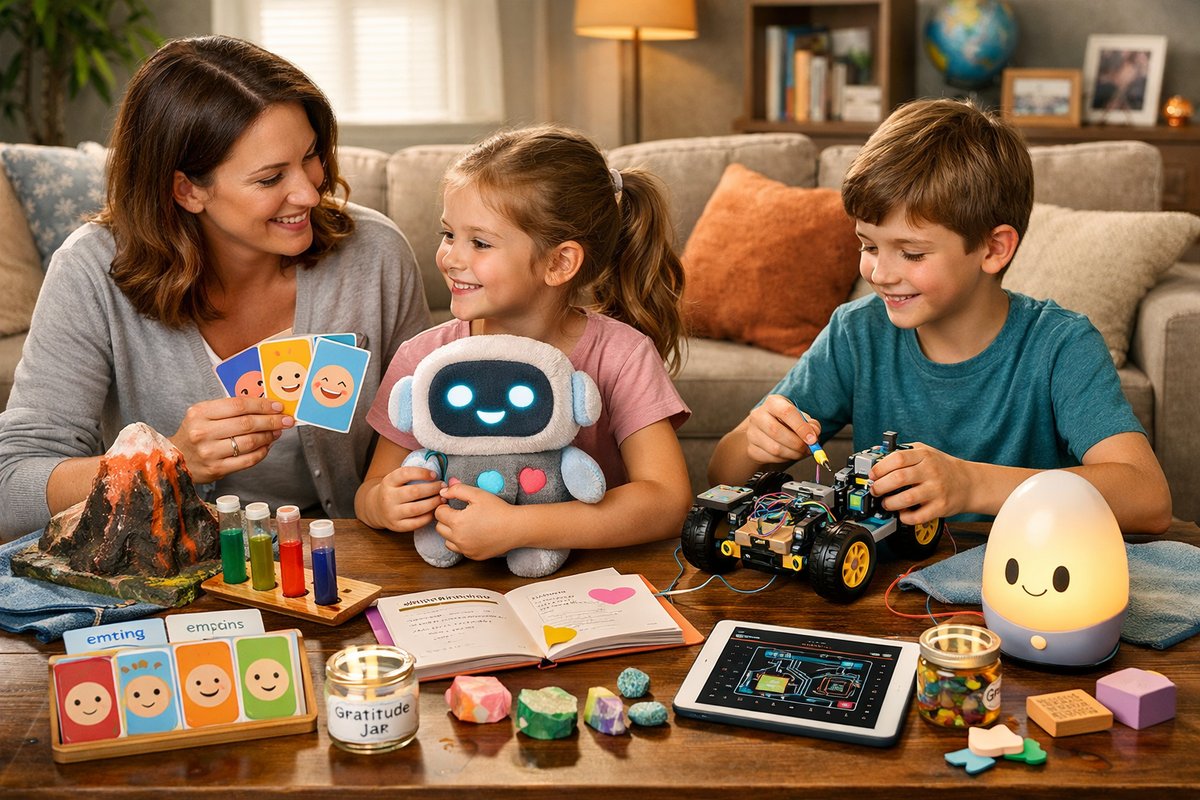
A growing wave of parents is transforming living rooms into hubs of emotional learning, combining hands-on discovery with heartfelt conversations. New studies show that when children use empathy-focused kits and reflective tech companions alongside traditional STEM activities, they develop stronger problem-solving skills and emotional resilience.
When ten-year-old Maya settles in front of a glowing companion device each afternoon, she isn’t just tinkering with circuits-she’s navigating the nuanced landscape of her own feelings. The voice-activated reflective robot asks open-ended questions: “What did you learn about patience today?” or “How did teamwork make a difference in your project?” Across the country, families are integrating these empathy-driven gadgets into daily routines, elevating at-home education from pure academic pursuit to a holistic exploration of mind and heart.
The shift has roots in an emerging body of research. A recent white paper from the Center for Developing Minds found that children exposed to deliberate emotional scaffolding alongside cognitive challenges scored up to 20% higher in creative problem-solving tests. Educational psychologists attribute this gain to the interplay between emotional self-awareness and curiosity-when kids understand their feelings, they’re more willing to take intellectual risks.
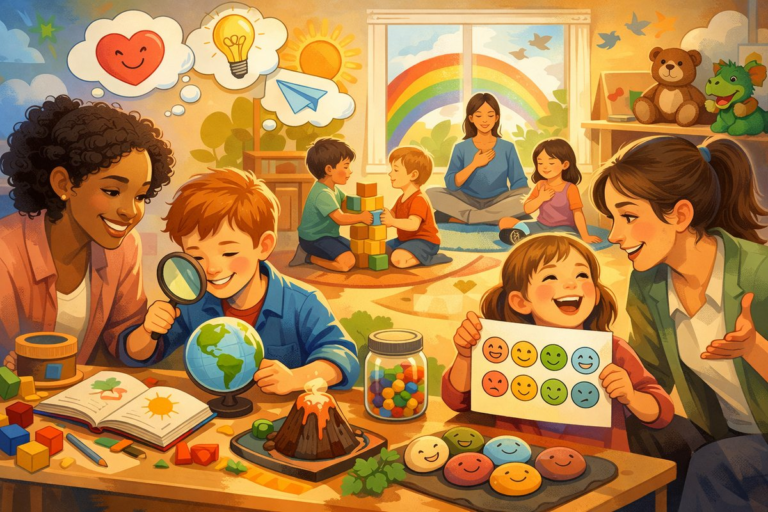
Experts say the trend really took off last year, when a midwestern learning-innovations conference unveiled prototype tools designed to prompt emotional check-ins during play. Soon after, several edtech startups began shipping interactive storytelling kits that blend narrative prompts with scrub-and-write boards. One popular kit invites siblings to map out character journeys on magnetic story tiles, then reflect on choices with emotion-tracking stickers. Parents report that these recurring rituals spark deeper conversations at the dinner table-transformative outcomes they didn’t expect from a simple playset.
“We’ve always known that social-emotional learning is critical,” says Dr. Elena Sorensen, a developmental psychologist who has advised district curricula for over a decade. “But bringing those skills into home life, where authentic emotion is already in play, multiplies the impact. When a child tests a hypothesis on a coding robot, and then narrates how frustration drove them to iterate, the experience cements both technical know-how and self-regulation.”
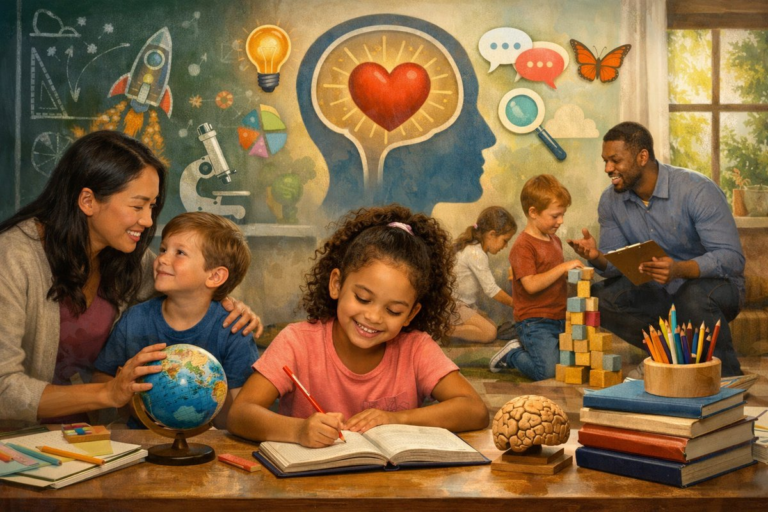
In one Brooklyn townhouse, the Miller family transformed their spare bedroom into a modular micro-classroom. The space features an adjustable whiteboard easel, a low shelf of magnetic building tiles, and a cozy reading nook brimming with emotion-coaching picture books. On any given afternoon, eleven-year-old Eli may sketch a cityscape for a solar-energy exercise, then pause to color-in an “I felt proud when…” journal page. His mother, a software engineer, alternates between guiding circuits and asking, “How did your creation make you feel?”
Consumer fascination with DIY emotional-learning tools has rippled into classroom markets. Major office-supply retailers now stock emotion-flashcard decks alongside colored markers and sticky notes. And online platforms are abuzz with parent-led reviews of reflective journals that prompt kids to record daily triumphs, setbacks, and gratitude lists. Industry analysts estimate the social-emotional learning market will reach $1.2 billion in consumer sales this year-up nearly 35% from the previous year-driven largely by home-use purchases.
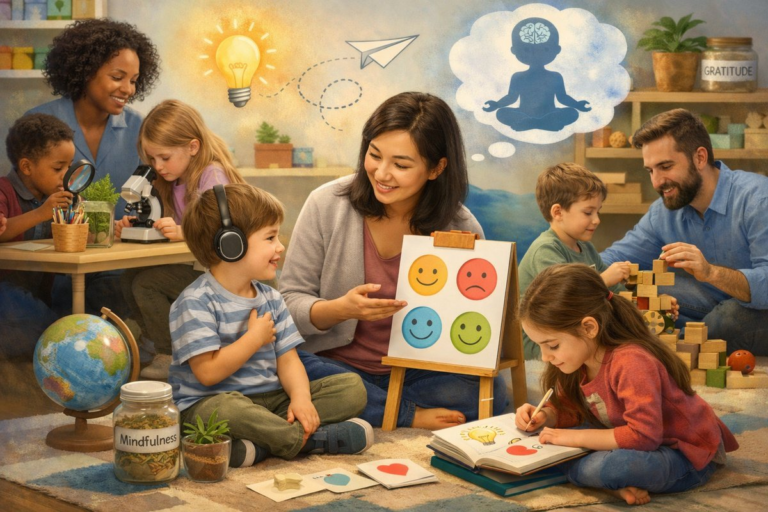
Digital platforms haven’t been left behind. A prominent open-access curriculum provider recently launched a mindfulness challenge designed for families. Daily prompts encourage teens to record two minutes of breath-awareness meditation, then share a self-portrait depicting their emotional state. Younger children access animated videos featuring friendly storytelling avatars that guide them through role-playing scenarios: consoling a befriended puppet after a fall, or celebrating a peer’s success with a dance party.
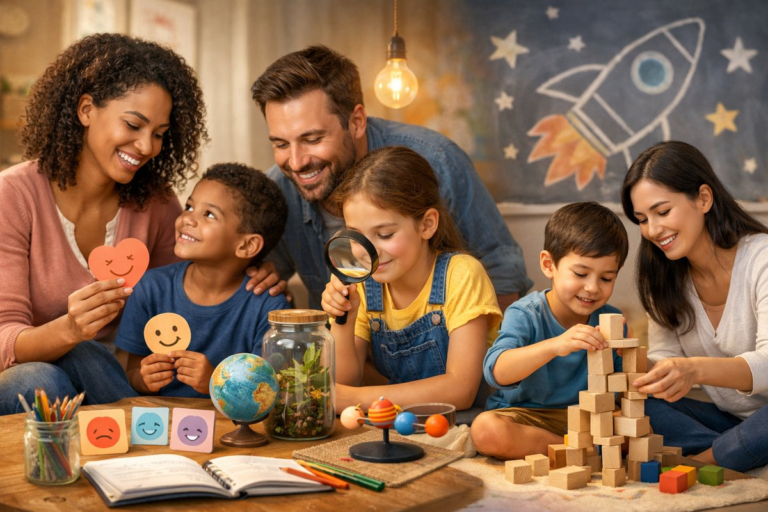
The appeal of these blended experiences is simple: they honor children’s agency. By combining tactile play, creative challenges, and guided emotional reflection, families are forging routines that feel both playful and purposeful. Parents report calmer evening wind-downs, smoother sibling negotiations, and a newfound eagerness from kids to document their own growth.
Yet integrating empathy tools into everyday life is not without challenges. Some parents worry that digital companions could replace genuine human connection. Others struggle to find time for guided debriefs when remote work and household tasks collide. To address these concerns, community leaders are organizing neighborhood learning circles-informal gatherings where families rotate hosting small cohorts of children for collaborative projects and group discussions.
At a recent meet-up in Austin, Texas, ten families assembled in a backyard under shade sails. They set up stations for solar-powered car builds, emotion snapshot cameras (instant-print photos tagged with mood icons), and a storytelling tableau crafted from felt pieces. After three hours of play and problem-solving, parents and kids shared insights on frustration tolerance and peer cooperation over iced tea. Such gatherings turn private practices into collective culture, reinforcing that emotional learning thrives in community.
Educators are watching the homes-to-neighborhoods momentum closely. Public school districts in Portland and Minneapolis have begun piloting outreach initiatives that loan empathy kits to families, then train volunteer ambassadors to facilitate parent-child dialogues. Early feedback suggests that when emotional-learning tools are positioned as shared resources, children internalize reflective habits more deeply than with one-off purchases.
Looking ahead, developers are experimenting with hybrid models: subscription services that deliver quarterly challenge boxes combining cultural art projects, STEM experiments, and guided family questions. Each box invites households to host a themed “family symposium,” complete with discussion cards and a simple reward-system tracker. The goal is to sustain engagement long enough for emotional-learning practices to become second nature.
“The future of home education is not just bespoke curricula or smart gadgets-it’s emotionally attuned routines that grow with your child,” says Natalie Chang, a curriculum designer who spearheaded several empathy kits now used by over fifty thousand families. “When education tools respect children as whole people, the boundaries between play, learning, and emotional growth disappear.” And as more parents embrace that vision, living rooms everywhere are transforming into vibrant laboratories of heart and mind.