Location
Mount Vernon, WA 98274

Location
Mount Vernon, WA 98274
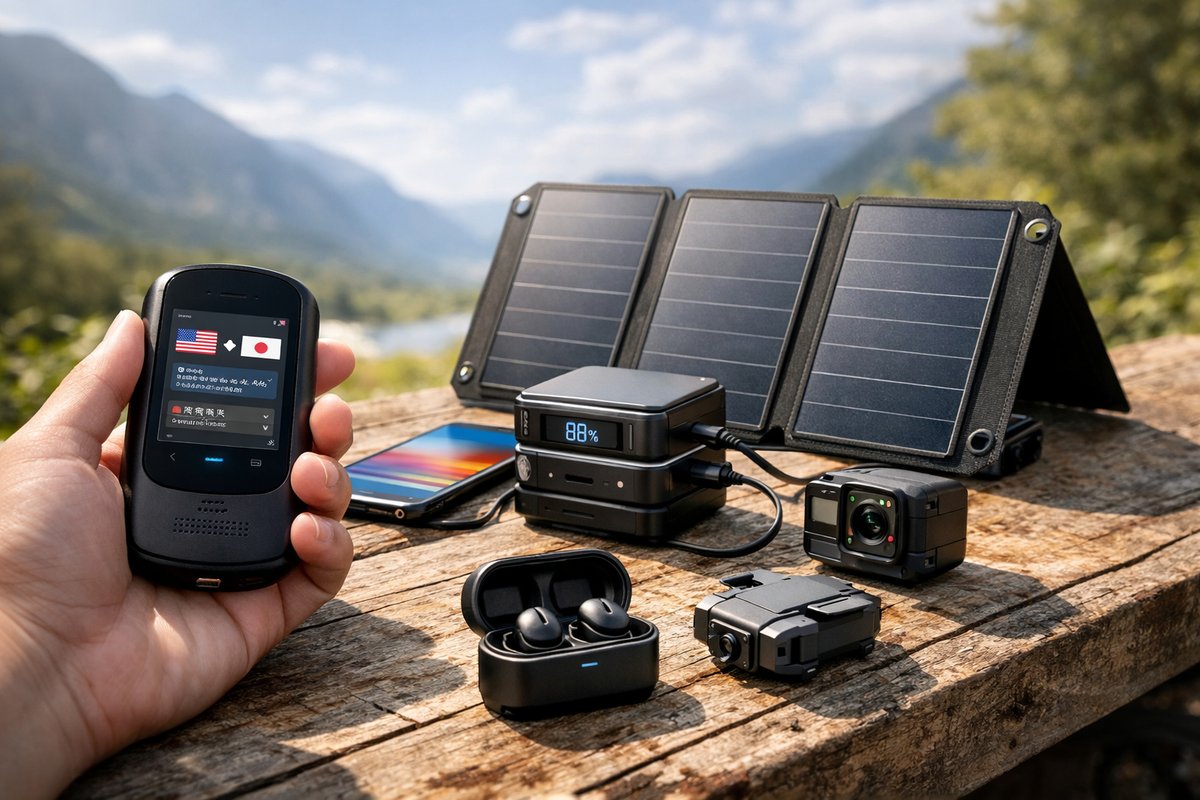
From palm-sized AI interpreters to modular solar chargers, a new wave of ultra-compact devices is reshaping how we work, play, and stay connected on the move. These tiny innovations promise to blend context-aware computing with sustainable design-bringing the future into your pocket today.
In the bustling corridors of global tech expos and the quiet corners of home workspaces alike, a subtle revolution is unfolding. It’s not driven by ever-larger screens or power-hungry processors, but by a new breed of micro gadgets that slip into pockets, bags and even onto clothing. These pint-sized powerhouses pack artificial intelligence, environmental sensing and seamless connectivity into modules so compact they feel almost invisible-until they transform your day.
The Rise of Context-Aware Pocket Tools
Think back only a few years ago: wireless earbuds and fitness trackers were the height of pocket convenience. Now, tiny devices are pushing beyond single-purpose functions. Leading this charge are pocket translators that tap into cloud-based AI to deliver lightning-fast language conversion during a conversation, and modular haptic controllers that pair with smartphones for tactile feedback in virtual reality or navigation apps.
An industry analyst who has tracked miniaturization trends for a decade notes, “The shift is toward devices that sense where you are, what you’re doing and adjust their behavior accordingly. We’re entering an era of ambient computing that lives in your pocket rather than on your desk.” This context-awareness pivot marks a departure from the one-size-fits-all smartphone approach, giving rise to gadgets designed for specific moments-whether you’re hiking in the mountains or giving an impromptu presentation.
Solar-Infused Power Banks and the Quest for Sustainability
Alongside AI-driven functions, sustainability is front and center. A new generation of portable chargers integrates thin-film solar panels with high-efficiency lithium-ion cells, shrinking charging stations to roughly the size of a credit card wallet. These solar-infused power banks deliver enough juice to top up a smartphone or a Bluetooth headset during a midday hike. Engineers emphasize ruggedized casings made from recycled plastics or plant-based resins, reflecting growing consumer demand for low-impact electronics.
On a recent trek through a coastal range, outdoor enthusiast and climate advocate Eva R. tested one such solar charger. “It weighs almost nothing, yet after an hour in sunlight I had a 30-percent boost on my phone,” she says. “Knowing it’s built from recycled materials makes the performance feel even more meaningful.”
Wearable Environmental Sensors for Personal Well-Being
Health-minded users are discovering that micro gadgets aren’t just about convenience-they can safeguard well-being too. Compact air quality monitors, no larger than a key fob, continuously measure fine particulate matter, carbon dioxide levels and volatile organic compounds. When pollution spikes in urban centers, these wearables vibrate gently or flash a color alert, prompting wearers to seek cleaner air or adjust their masks.
Such sensors draw on breakthroughs in microelectromechanical systems (MEMS) that once were exclusive to industrial settings. Now, hobbyists and commuters alike slip these devices onto backpack straps or lapels. Beyond pollution tracking, they link to smartphone apps that log data over time, helping users identify patterns-like how indoor cooking or traffic jams affect their environment.
Modular AI Translators That Learn Your Voice
Real-time translation has long been a sci-fi staple. Today’s pocket interpreters go further by running lightweight AI models locally, reducing reliance on cloud services and protecting privacy. More impressively, they learn individual speech nuances over time, offering more natural translations. Early adopters report that the devices can even preserve tone and formality levels across languages-a boon for business travelers forging global partnerships.
At a recent trade demonstration, one translator handled five languages in under a second per phrase, with latency so low that conversation flowed smoothly. Developers say this responsiveness is possible thanks to specialized neural-processing circuits-chips designed solely to run language models efficiently at low power.
Snap-On Gimbals for Mobile Creativity
Mobile photography was one of the first arenas to benefit from pocket-sized tech. Now, ultra-compact gimbals that magnetically attach to smartphones or action cameras stabilize footage with three-axis motors housed in enclosures the size of a lipstick tube. Content creators praise the seamless setup: unfold the tiny arm, mount a smartphone and film buttery-smooth panoramas or hyperlapses.
Beyond stabilization, some models incorporate programmable shortcuts for triggering time-lapses, motion-timed exposures or follow-focus tracking. This fusion of mechanical design and smart software empowers vloggers, journalists and travelers to craft cinematic stories without lugging bulky rigs.
Digital Notepads That Remember Everything
For those who still cherish the tactile feel of pen on paper, e-ink note-taking pads offer a bridge between analog and digital. Slim enough to tote in a jacket pocket, these devices pair a stylus with an electronic paper display, capturing handwriting and diagrams while syncing to cloud storage. Battery life extends for weeks, since e-ink only consumes power when the page refreshes.
Engineers have begun embedding optional modules-microphones for voice memos, card readers for business-card scans and even tiny speakers for playback-allowing users to customize their digital notebooks based on daily demands.
Challenges on the Road Ahead
Despite the excitement, several hurdles remain. Battery life still limits continuous AI inference on the tiniest devices, pushing manufacturers toward hybrid designs that offload heavier computations to paired smartphones or edge servers. Seamless interoperability is another obstacle: too many proprietary connectors and wireless protocols risk fragmenting the ecosystem.
Privacy advocates also caution that always-on sensing devices could become invasive if data isn’t handled responsibly. On-device processing and transparent data-deletion options will be critical safeguards as these micro gadgets proliferate.
Looking Forward: The Promise of Ambient Micro-Devices
Even with these challenges, the momentum behind pocket-sized innovation shows no sign of slowing. As AI models grow more efficient and energy harvesting techniques-like kinetic charging-mature, micro gadgets will increasingly operate for days without needing a plug. Imagine magnetic modules that snap onto clothing, harvesting body heat to power personal sensors, or self-positioning cameras that automatically frame group shots based on voice commands.
For consumers, the allure lies in devices that blend into daily life, responding to needs without demanding constant attention. Whether tracking air quality on your commute, translating a phrase mid-conversation or stabilizing your next viral video, these unobtrusive helpers will quietly shape how we engage with the world.
The frontier of pocket-sized tech offers a fresh perspective: big change can arise from micro-scale marvels. As designers and engineers push the limits of what can fit in a palm, our definition of “everyday essentials” will continue to shrink-while our capacity to connect, create and care for ourselves grows ever larger.