Location
Mount Vernon, WA 98274

Location
Mount Vernon, WA 98274
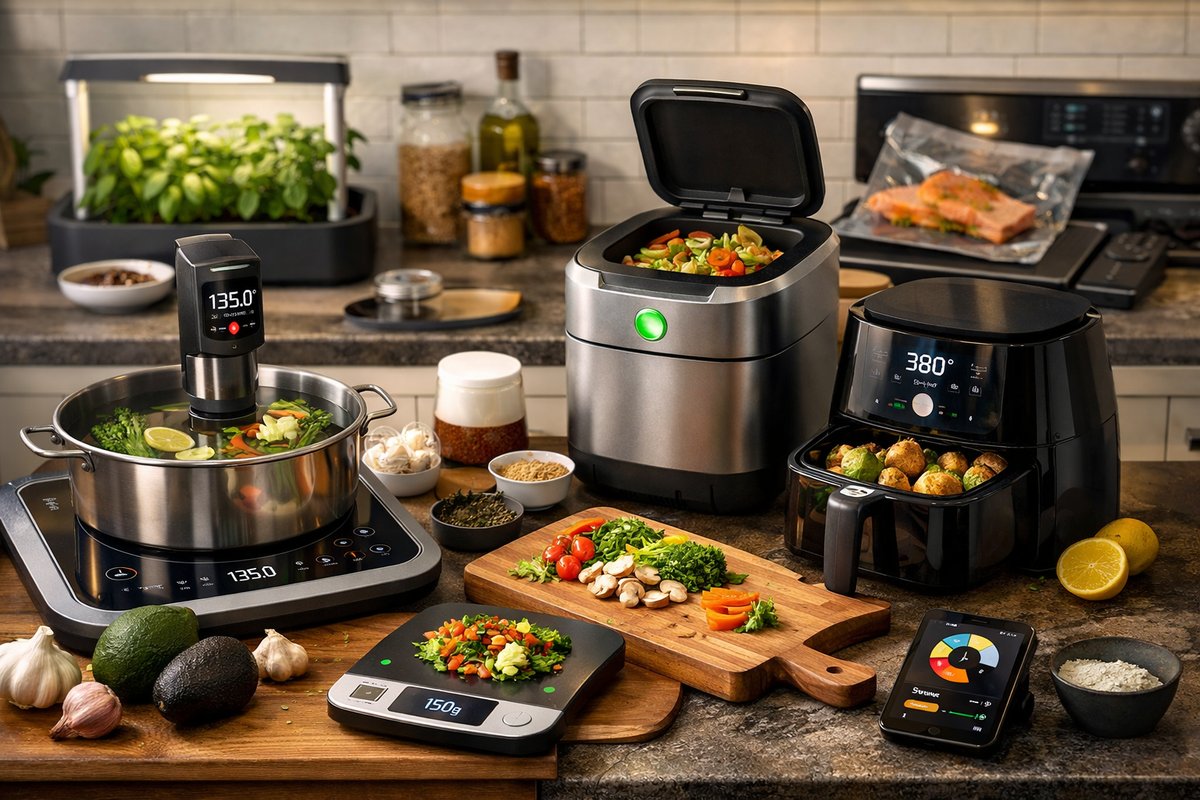
From sensor-packed countertop gadgets to AI-powered recipe assistants, the latest wave of kitchen technology is turning everyday cooking into a precise, sustainable and adventurous experience. Learn how emerging devices are helping home cooks monitor flavor profiles, reduce waste and unlock new culinary techniques.
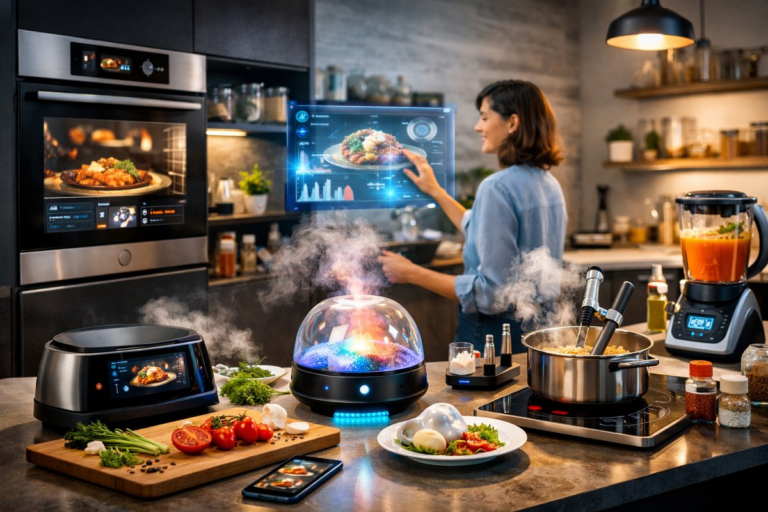
In recent months, the traditionally analog world of home cooking has seen a surge of innovation driven by sensor arrays, machine learning algorithms and even miniature robotic arms. Once a realm dominated by pans, pots and cookbooks, the modern kitchen is evolving into a connected, data-rich environment where every ingredient, temperature swing and flavor note can be logged, analyzed and optimized. These breakthroughs promise not only greater precision for curious cooks but also new pathways toward sustainability and creative experimentation.
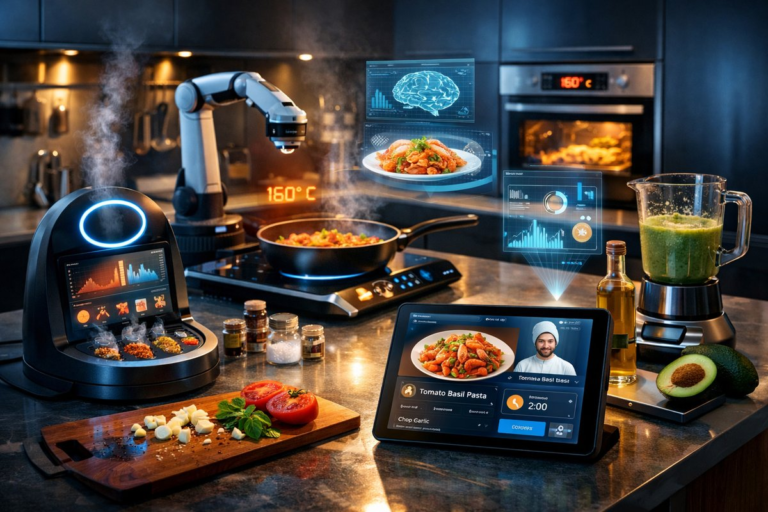
At a recent industry showcase, engineers displayed countertop modules that integrate Raman spectroscopy moisture sensors and atmospheric probes. Mounted on a sleek base, these sensors scan soups, sauces and doughs in real time, feeding data to a paired tablet app. The result: a live fingerprint of consistency, acidity and hydration levels. Home cooks can set target hydration for sourdough starters, track sugar crystallization in jams or detect when a stew’s seasoning is perfectly balanced. Beyond offering peace of mind, this technology helps reduce spoilage by alerting users to subtle changes before food goes off.
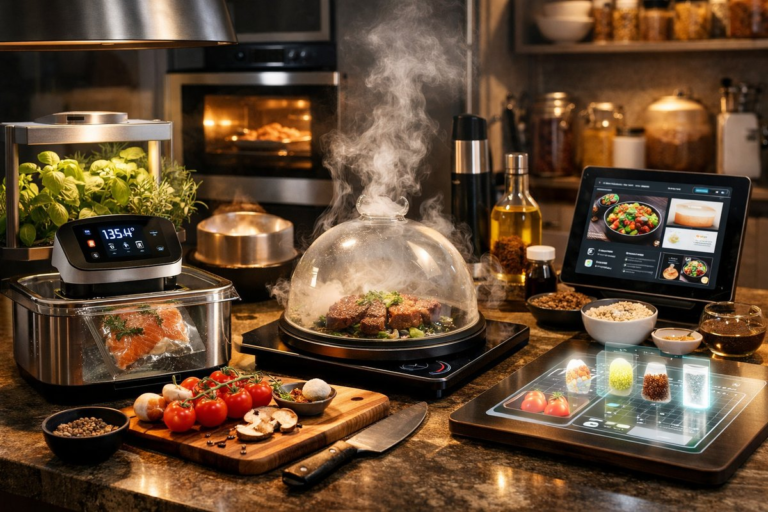
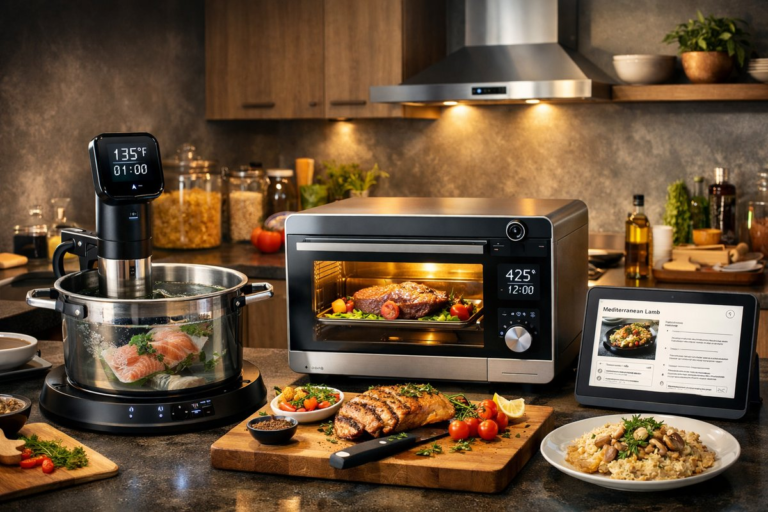
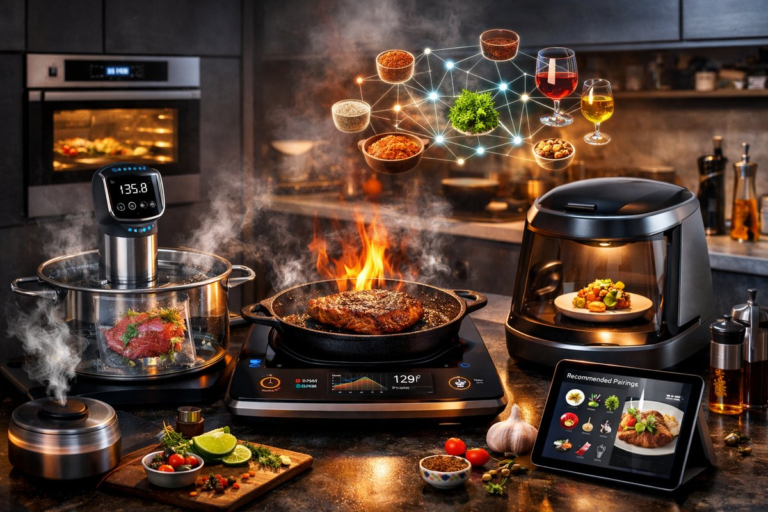
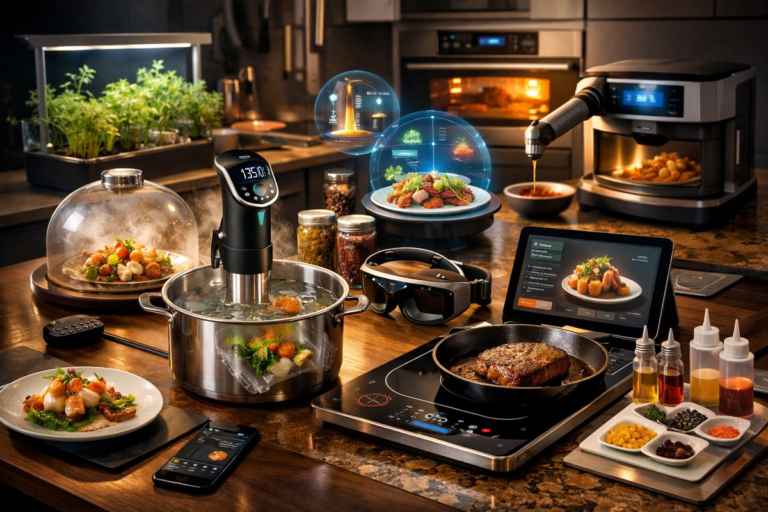
Meanwhile, connected sous-vide cookers and smart induction ranges have become more affordable and user-friendly. One new generation of precision cookers features Bluetooth-enabled probes and integrated timers that adjust heat dynamically based on thickness, cut and desired doneness. Coupled with cloud-based recipe managers, these devices can download chef-developed cooking curves, learn from each user’s preferences and recommend tweaks for next time. The result transforms a simple steak or piece of fish into a customized masterpiece tailored to individual taste profiles.
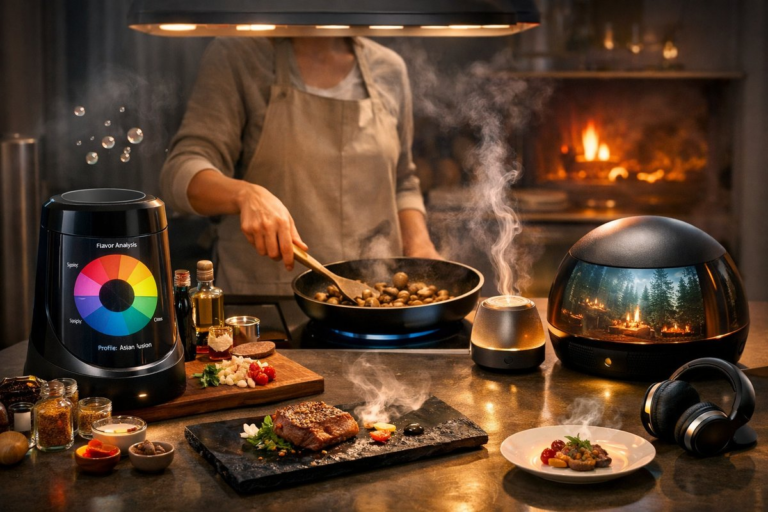
At the heart of these developments lies machine learning applied to flavor. By analyzing thousands of data points-pH levels, temperature curves, aroma compound readings-AI algorithms can predict which spices or herbs will harmonize best in a given dish. Some recipe platforms now allow home cooks to upload a photo of ingredients; within seconds, the system suggests pairing notes and cooking steps. This fusion of analytics and creativity is empowering novices to explore complex flavor combinations once reserved for professional chefs.
Robotic arms designed for countertop use are also making waves. Smaller than a conventional stand mixer, these articulated devices can perform stirring, whisking and gentle folding at precise speeds. Paired with weight-precision dispensers, they handle repetitive tasks such as gradual sugar creaming, egg whisking or consistent sauce reduction. While still a niche market, early adopters praise the way such robots free them to focus on plating and garnish while the machine handles time-sensitive mixing.
Sustainability is a driving theme behind much of the recent buzz. Smart kitchen scales, for example, can now connect to community-driven ingredient databases to recommend portion adjustments that minimize food waste. When combined with fridge-mounted freshness monitors-small sensor pods that detect ethylene levels and humidity-users receive notifications about produce nearing its peak. Instead of tossing half-forgotten vegetables, the system suggests recipes to use them or prompts timely meal planning. The dual goal: elevate flavor while cutting down on discarded ingredients.
Fermentation, once a mysterious art, is also benefitting from data-driven tools. Digital fermentation monitors track temperature, gas production and pH shifts inside sealed jars or crocks. A companion app visualizes the progress of kombucha, kimchi or sourdough, alerting users when optimal tanginess is reached. By democratizing these measurements, home cooks gain more control over flavors and textures previously subject to guesswork, exploring new regional variations with confidence.
3D food printing has moved from science-fair curiosity to kitchen experiment. While still largely in development, compact printers capable of extruding vegetable purees and protein pastes are now accessible to dedicated enthusiasts. These devices allow creators to fashion intricate shapes-from lattice garnishes to personalized cookie cutters-layer by layer. Though not yet mainstream, they hint at a future where aesthetics, nutrition and flavor can be tailored at a molecular level for each diner.
Despite all the high-end gadgetry, designers are paying attention to accessibility. New interfaces rely on simplified touchscreen controls, voice prompts and guided video tutorials so that even technophobic cooks can follow along. Some apps can translate the sensor outputs into simple color codes-green for on-target, yellow for caution, red for adjustment-reducing the learning curve. Others incorporate community feeds where users share custom profiles, tips and photos, turning cooking into a social, collaborative adventure.
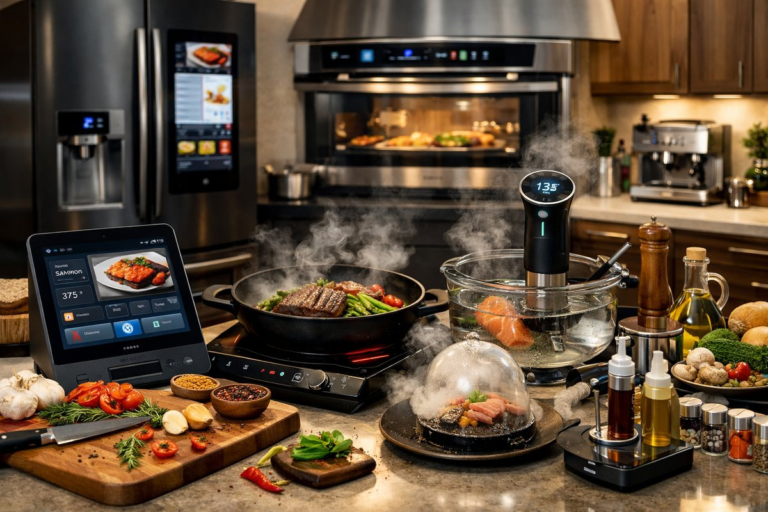
The connected kitchen is also weaving itself into the smart home ecosystem. Refrigerators equipped with internal cameras now pair with ovens and range hoods to suggest recipes based on what’s inside. As ingredients near expiration, meal suggestions pop up on voice-activated displays. Exhaust fans may adjust airflow dynamically when smoke or strong aromas are detected, preserving air quality. Even lighting can shift to warm or cool hues to enhance the dining atmosphere and signal cooking stages.
Critics caution that the growing complexity of these systems may overwhelm some users and create new forms of e-waste. To address this, manufacturers are working on modular upgrades and recycling programs so outdated sensor modules can be replaced without scrapping an entire appliance. Open-source platform initiatives are emerging, allowing independent developers to create new cooking profiles, visualizations and integrations, fostering longevity and community-driven innovation.
For home cooks, the payoff lies in a deeper connection with ingredients and technique. No longer resigned to follow-along instructions, they can experiment with micro-adjustments-shifting one degree here, adding a drop of acid there-and see instant feedback. This granular control not only elevates everyday meals but also invites playful exploration, from crafting novel flavor mash-ups to mastering culinary traditions from around the globe.
As sensors, AI and robotics continue to converge, the kitchen of tomorrow promises to be a laboratory of taste, sustainability and human ingenuity. By transforming raw data into actionable insights, these technologies empower cooks to measure, tweak and share the magic of flavor with unprecedented precision. Whether you’re perfecting a family-favorite soup or venturing into multi-course fine dining from your own countertop, the next wave of kitchen innovation offers endless opportunity for discovery and delight.
Takeaway: Modern kitchen gadgets are bridging the gap between professional technique and home cooking ambition. From moisture-detecting probes and automated stirrers to AI-driven recipe advisors and freshness monitors, the tools of tomorrow are already available for curious cooks seeking greater precision, sustainability and creative freedom.