Location
Mount Vernon, WA 98274

Location
Mount Vernon, WA 98274
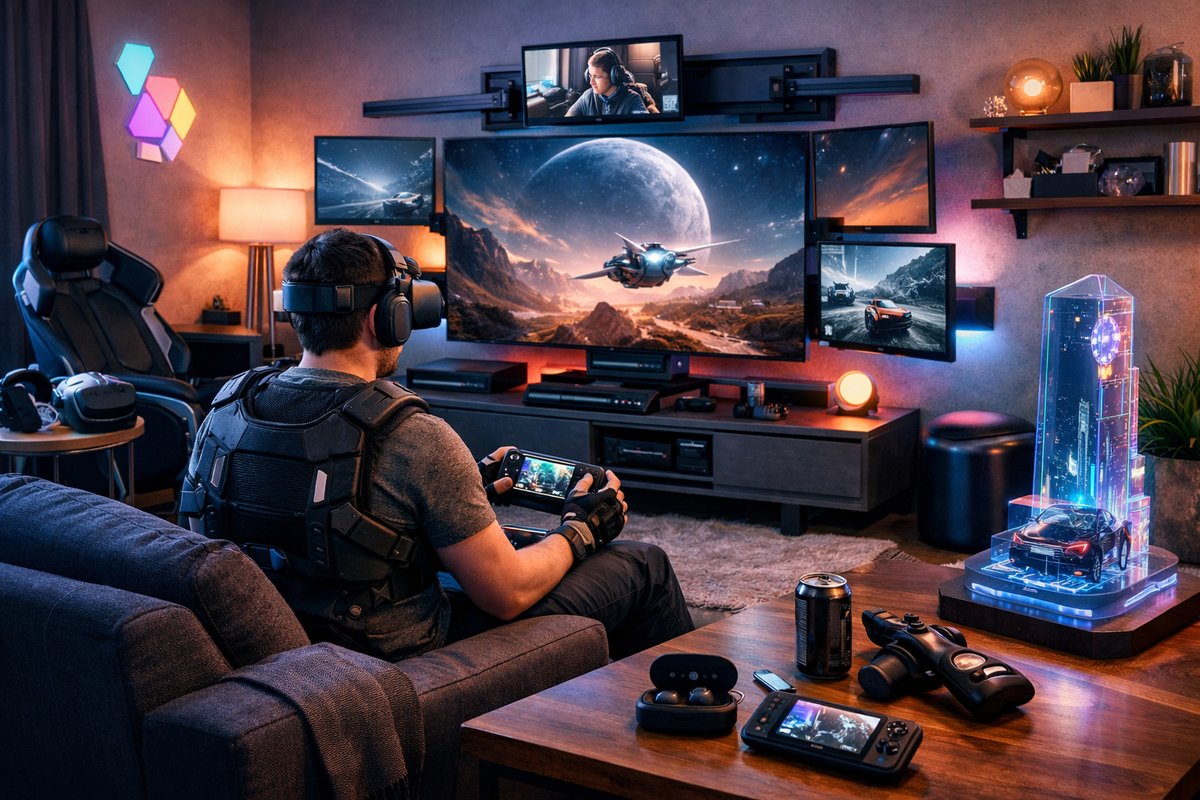
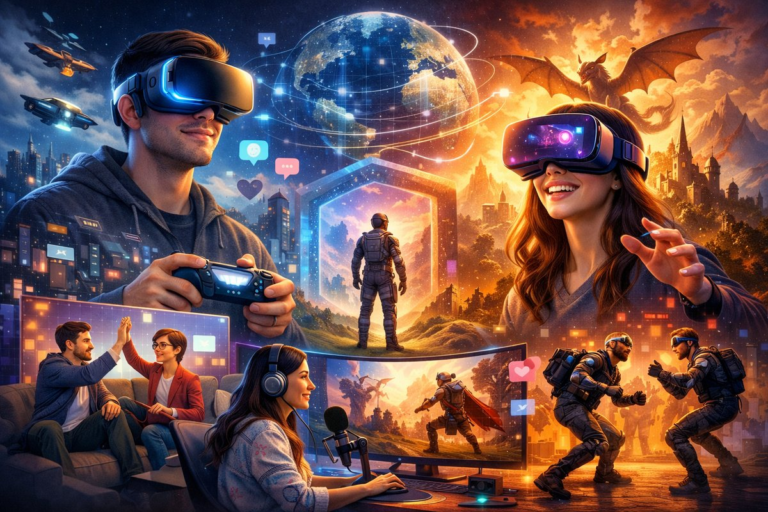
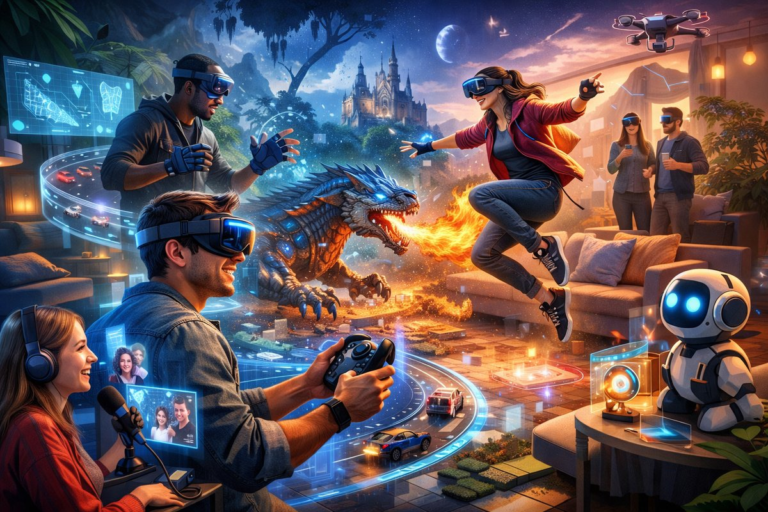
A new wave of gaming and entertainment setups is transforming living rooms into immersive playgrounds. From magnetic modular mounts to wearable haptic feedback and portable micro-consoles, enthusiasts are blending digital and physical realms like never before.
Gaming and entertainment have entered a crossroads where hardware, software, and community converge into fully customizable experiences. At recent expos and virtual showcases, a clear pattern emerged: players are no longer satisfied with static rigs. Instead, they’re embracing modular gear that snaps together with magnetic mounts, ambient light strips that sync to in-game events, and portable micro-consoles that blur the line between handheld and living-room setups. These innovations reflect a broader shift toward flexibility, sustainability, and social immersion.
One of the most talked-about trends is the rise of magnetic mounting systems for monitors, speakers, and accessories. Gone are the days of drilling into walls or wrestling with cumbersome clamp mounts. With magnetized mounting rails, users can slide light bars, webcam arms, and headphone hooks into place without tools. This approach not only makes it easier to reconfigure a desk for streaming, content creation or cooperative play but also reduces material waste by standardizing attachment points across multiple components.
Complementing these modular mounts are intelligent ambient lighting solutions. Rather than rigid LED strips that require precise cutting and messy adhesive, new light bars connect end-to-end like toy bricks and feature plug-and-play software integration. In one demo, colors pulsed in sync with onscreen explosions and boss music, creating a fully immersive mood without additional programming. These systems also boast energy-efficient diodes and low-profile designs, making them ideal for tight shelf spaces or multi-monitor arrays.
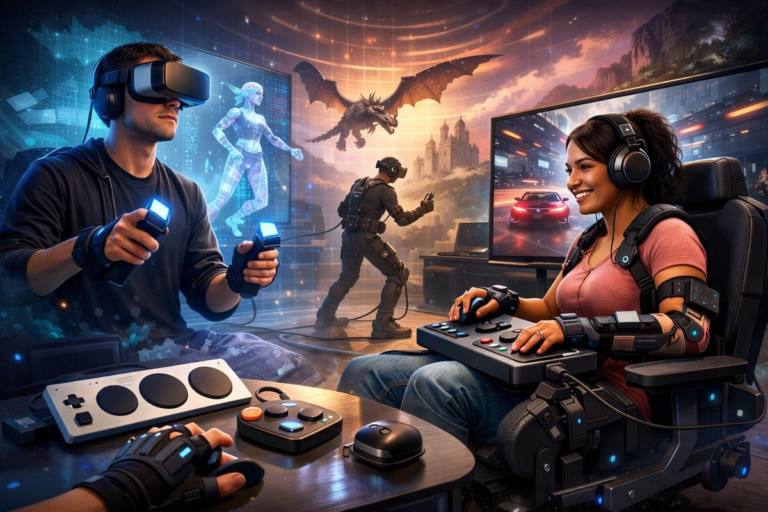
While visual immersion is key, touch has not been forgotten. Wearable haptic devices have evolved beyond rudimentary vibration motors into lightweight armbands and gloves that deliver nuanced feedback. In a space combat simulator, one user reported feeling the kick of virtual photon cannons and the rumble of engine turbulence. Developers are exploring open-source firmware that allows custom vibration patterns tied directly to game physics, opening creative possibilities for indie titles as well as major franchises.
Portability is another focal point. Portable micro-consoles pack flagship-level graphics into handheld rigs that dock to TVs and monitors. Under the hood, they leverage efficient chipsets originally designed for smartphones, combined with bespoke cooling modules. Players can jump from portable co-op sessions at a café to a docked match with friends at home without missing a beat. Some devices even support cross-platform streaming over local Wi-Fi, so the same game session can follow you across different screen sizes.
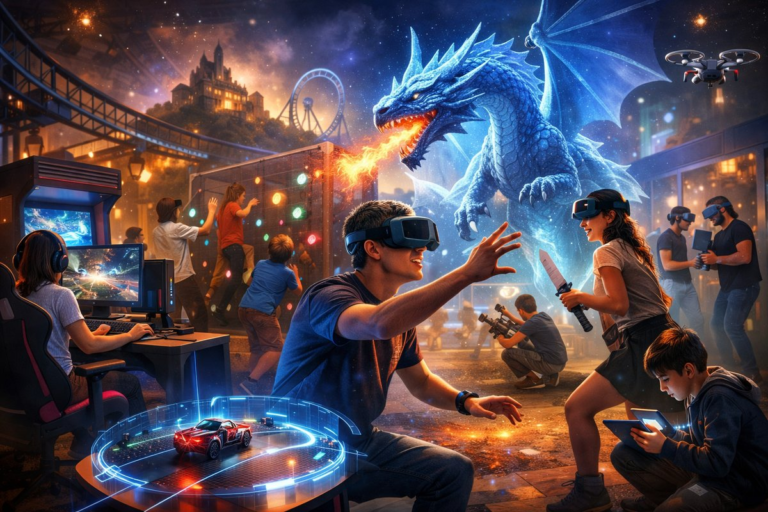
Hybrid arenas and community hubs are emerging to bridge the gap between at-home play and public gatherings. These spaces offer modular tables embedded with inductive charging pads, retractable projection screens, and multi-zone audio systems. Visitors can plug in any portable console, connect modular controllers, or stream PC content to communal displays. Event organizers praise this flexibility, noting that it accommodates retro arcade cabinets one day and cloud-based battle royales the next.
Local community events fueled by these innovations are on the rise. Pop-up LAN cafes deploy collapsible furniture with integrated ambient lighting, often transported in rolling cases. When set up, the result looks more like an art installation than an old-school net-café. Grassroots organizers emphasize that modularity reduces setup time, cuts down on bulky crates, and enables creative spatial layouts tailored to different player counts and game genres.
On the software side, cloud streaming platforms have matured. Low-latency protocols and edge-compute nodes now allow real-time multiplayer on devices that once struggled with frame rates. Players can start a session on a handheld docked rig, then switch to a tablet or smart TV app without losing progress. Cross-device matchmaking lobbies keep friends together even when hardware varies widely, helping beginners and veterans share adventures smoothly.
Sustainability is woven into many of these developments. Brands are touting recycled plastics for cases, low-power modes that throttle hardware when idle, and modular designs that extend component lifespans. Instead of replacing an entire console or computer every few years, gamers can swap a single cooling module or upgrade a second-generation light bar. This circular approach aligns with growing consumer demand for electronics that minimize e-waste.
The material science at play deserves attention. Lightweight aluminum frames, carbon-fiber-reinforced plastics, and recycled thermoplastics are becoming common in chassis and docking stations. Some manufacturers are experimenting with bio-resins derived from agricultural byproducts for controller shells. Early samples suggest these polymers can match traditional plastics in strength and heat resistance, promising a greener future for controllers and peripherals alike.
Key to this ecosystem are software toolkits that unify control across disparate hardware. An open-source dashboard can detect a gaming chair’s built-in vibration motors, a light bar’s mood settings, and a haptic glove’s feedback layers, then choreograph them according to game APIs. Hobbyist communities have sprung up around creating custom profiles for shooters, RPGs, and racing titles, sharing their work on public repositories and social platforms.
One indie studio showcased how modular hardware can change game design. Their narrative puzzle game dynamically adjusted room lighting via a light bar SDK to create suspenseful atmospheres. When a player unlocked a hidden door, wrist-mounted haptic units delivered a rhythmic pulse to mimic a heart racing. This multi-sensory approach deepened immersion and fostered player empathy with the protagonist’s emotional journey.
At a recent expo, hardware designers also explored modular wearables that double as controllers. A lightweight wrist cuff can detect gestures and pinch motions, enabling intuitive spellcasting or menu navigation in VR settings. Another prototype pairs magnetic attachments for additional sensors or battery packs, allowing users to customize balance between runtime and ergonomics on the fly.
Industry insiders suggest that the era of one-size-fits-all gaming rigs is fading. Instead, future systems will be defined by ecosystems of interoperable modules, each addressing a specific dimension of play-audio, haptics, lighting, or comfort. This shift mirrors broader trends in consumer electronics, where modular phones and laptops have flickered into view before, then found renewed momentum in niche markets.
Beyond hardware, community orchestration tools are gaining traction. Mobile apps let friends coordinate local co-op sessions, book hybrid arena rental slots, or join themed tournaments. Event hosts can deploy temporary net-works that automatically prioritize gaming traffic, ensuring lag-free battles even in crowded spaces. These software layers are as critical as physical gear for seamless shared experiences.
Looking ahead, augmented reality could bring modular setups into shared physical spaces. Imagine projecting virtual board games onto a table while ambient lights adapt to match the game’s world. Wearable haptics might simulate the touch of virtual game pieces. Even today’s prototype controllers that magnetically attach to furniture legs hint at a future where a living room transforms into an interactive tabletop at a moment’s notice.
As this landscape evolves, beginners and seasoned enthusiasts alike can join the conversation. Modular setups invite experimentation-mix and match accessories, explore open-source software, and participate in community builds. Whether you crave a cozy solo adventure bathed in dynamic light or a bustling hybrid arena filled with friends, the building blocks are now more accessible and sustainable than ever.
The new frontier of play demands creativity, curiosity, and a commitment to environmental responsibility. When hardware adjusts to individual needs and software unites disparate devices, entertainment becomes more personal and socially engaging. From magnetic mounts that simplify your desk to wearable haptic bands that bring game worlds to life, this wave of innovation is reshaping how we play-and reminding us that serious fun starts with thoughtful design.