Location
Mount Vernon, WA 98274

Location
Mount Vernon, WA 98274
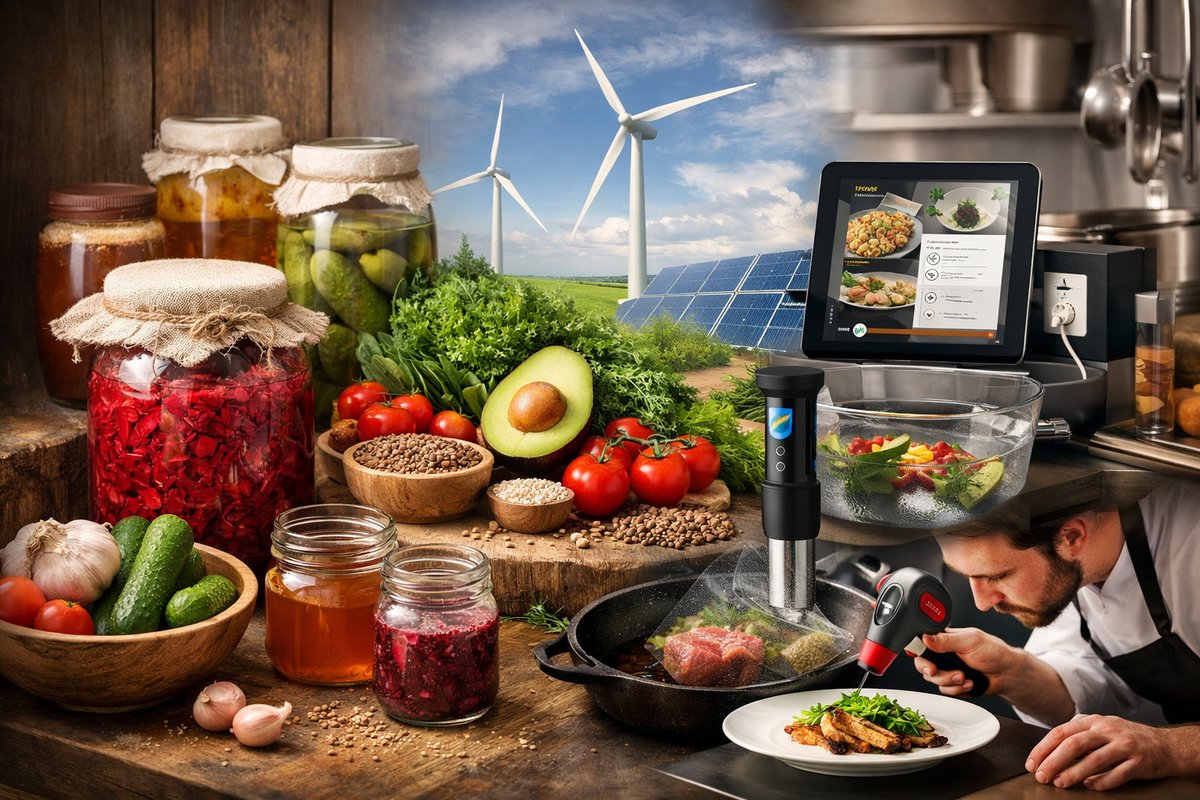
From backyard fermentation to climate-smart ingredients and tech-guided cooking, a new set of trends is reshaping the way we nourish ourselves and connect over meals. This article explores five driving forces behind today's culinary evolution and what they mean for home cooks and professional kitchens alike.
Across urban bistros and suburban home kitchens alike, today’s diners and cooks are embracing a wave of culinary innovation that blends heritage techniques, sustainability goals and smart technology. While last year’s hot topics focused on plant-based meat substitutes and global fusion plates, a more nuanced set of trends has now taken center stage. These movements speak to a broader shift in values-from mindful sourcing and zero-waste practices to personalized cooking guided by data and sensors. Whether you’re an experimental home chef or leading a restaurant team, these emerging flavors and practices offer fresh inspiration for how we eat, cook and connect around food.
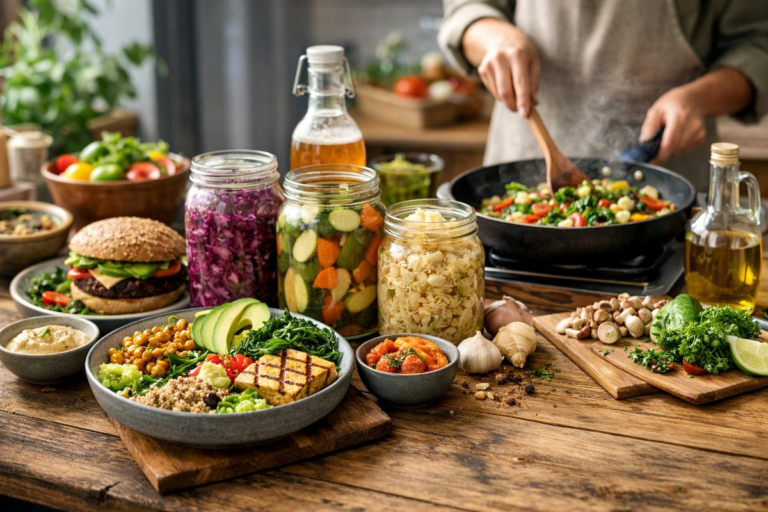
One of the most visible developments is the fermentation revival. Fermented vegetables, artisanal kimchis and homemade probiotic tonics have moved from niche markets into mainstream grocery aisles. Small-batch fermentation cafés have popped up in multiple cities, offering seasonal kombuchas and lacto-fermented pickles alongside tasting flights. For home cooks, the appeal lies not only in the bold flavors and gut-health benefits but also in the low-energy, zero-waste process. Discarded peels and cores become new starters for cultures, while mason jars and reusable airlock lids reduce single-use plastic. Local farmers’ markets have responded by bundling cabbage, beets and radishes into fermentation bundles-complete with recipe cards-making it easy for first-timers to dive in. Culinary educators are now offering virtual fermentation masterclasses, pairing historic techniques with modern safety guidelines, and supporting a community of tinkerers who share their successes and stumbles on social platforms.
Parallel to fermentation techniques, climate-smart ingredients are gaining global traction. In regions prone to drought, chefs have turned to alternative grains like teff, sorghum and millet, preparing them as risottos, porridges and even gluten-free pastas. Seaweeds and microalgae are breaking through as nutrient-dense options adaptable to salads, soups and smoothies. In Costa Rica and parts of Southeast Asia, cocoa husks and coffee pulp-once considered agricultural waste-are being upcycled into dehydrated powders and syrups, finding new life in baked goods and savory sauces. These innovations not only reduce the environmental footprint of high-volume crops but also connect diners to the full story of their ingredients. Partnerships between farmers and chefs now often include on-site visits, so that kitchen teams can observe drought-resistant practices in action and harvest alongside producers. This farm-to-table ethos has deepened the sense of shared purpose between plate and field.
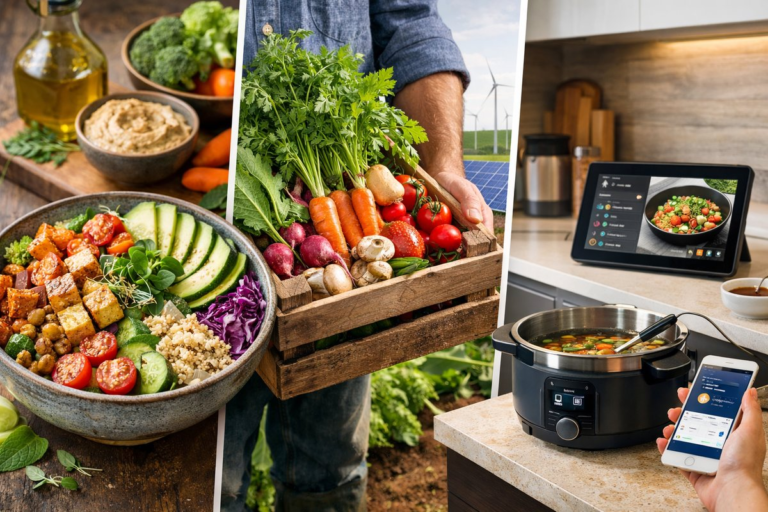
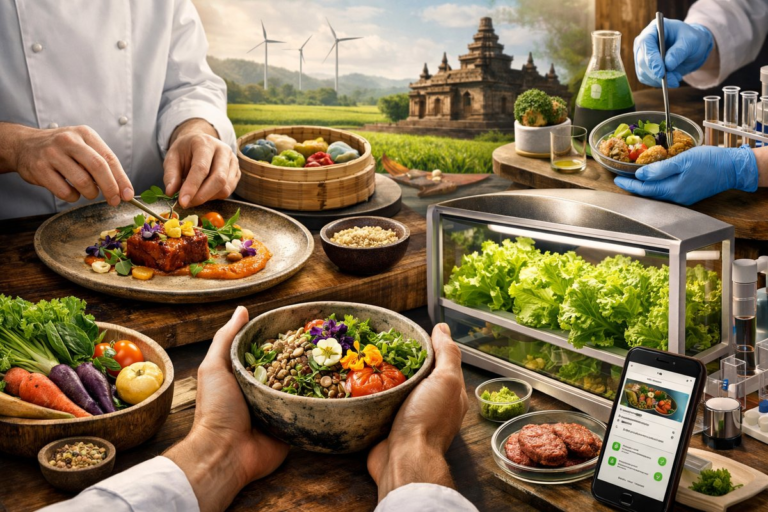
On the technology front, smart kitchen tools are raising the bar for precision and convenience. Wireless probes and Bluetooth-enabled meat thermometers now sync with smartphone apps to alert you at exact doneness, eliminating the risk of overcooked roasts. Induction cooktops with built-in touch displays allow home cooks to follow video recipes step by step without switching screens. Immersion circulators for sous-vide cooking have become more affordable and compact, enabling consistent results on proteins, eggs and even vegetables in vacuum-sealed pouches. Digital scales and ingredient dispensers eliminate guesswork on complex recipes, while AI-powered recipe generators can propose meal plans based on dietary preferences, pantry inventory and seasonal availability. This merging of hardware and software has democratized techniques once limited to professional kitchens, turning everyday cooking into an exercise in controlled experimentation.
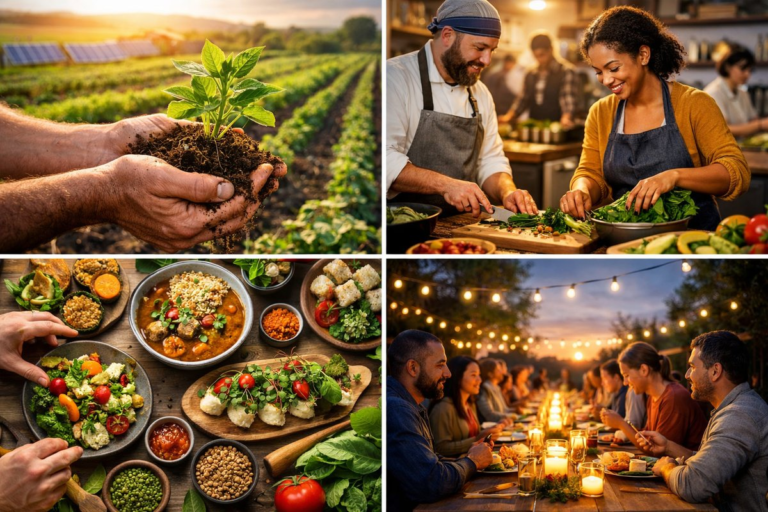
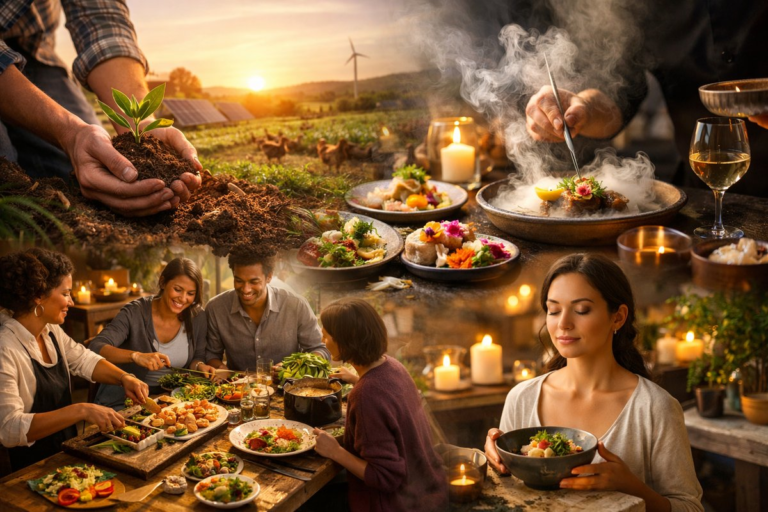
Meanwhile, community and connection continue to drive how we share food. Pop-up supper clubs, once primarily underground ventures, have migrated into vetted event platforms, mixing novice home hosts with local producers, foragers and winemakers. These gatherings often emphasize hyper-local ingredients-wild mushrooms foraged by hand, heirloom tomatoes harvested at dawn, edible flowers grown on urban rooftops. Collaborative cooking platforms allow attendees to vote on menus weeks in advance, ensuring no ingredient goes unused and creating a sense of co-creation. At the same time, digital recipe exchanges and livestream cook-alongs bring together participants from different time zones. Some grassroots networks focus specifically on learning traditional cuisines from elders in rural areas, preserving techniques that might otherwise fade away. The result is a richer tapestry of flavors and stories, shared across both kitchen tables and computer screens.
Institutional kitchens and restaurants aren’t standing still either. Sustainability certifications now account for water usage, food miles and waste diversion metrics, driving chefs to rethink not just menus but entire workflows. Some pioneering establishments have installed on-site anaerobic digesters to convert kitchen scraps into biogas, while others harvest rainwater for irrigation in on-site herb gardens. Multi-unit operations are rolling out standardized zero-waste training modules to staff, ensuring that every peel, trimmings and bones find a second life-whether as stock, compost or even pig feed. In several metropolitan centers, flagship eateries have established ingredient share tables at the end of service, allowing neighboring businesses to claim surplus produce and pastries. This collaborative approach minimizes landfill waste and deepens local industry partnerships.
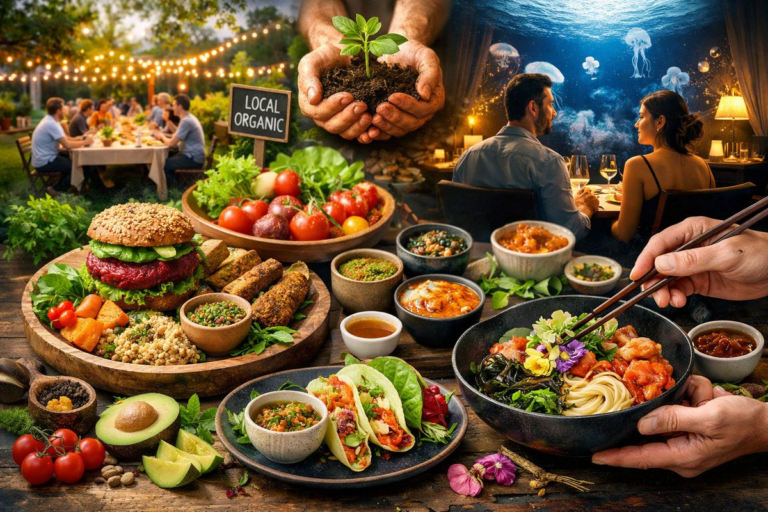
As these trends converge, home cooks and pros alike are finding creative synergies. Imagine a seasonal vegetable ragout slow-braised using climate-resilient grains and finished with a probiotic vinegar reduction. Or a plant-forward salad accented with crispy fermentation-fried greens and drizzles of upcycled fruit syrup. Retail companies have responded by bundling starter packs that combine eco-friendly tools-such as reusable produce bags, compostable labeling kits and modular jar sets-with curated ingredient samplers. Subscription services now offer rotating boxes of rare heritage legumes, seed packets for microgreen growing and fermentation starter cultures to sustain your pantry for months. This ecosystem of products and experiences encourages continual exploration, viewing cooking not just as chore or craft but as a participatory journey in which every ingredient and method tells a story of resourcefulness, resilience and rediscovery.
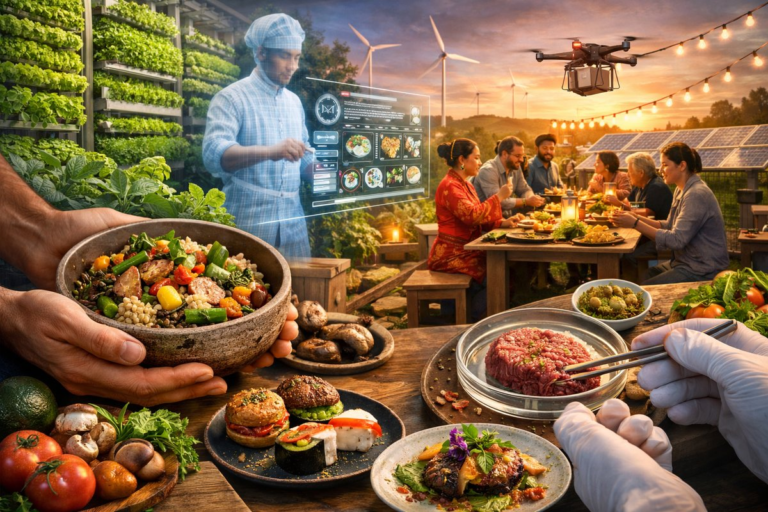
Looking ahead, experts predict that data-driven personalization will continue to expand. Wearable devices that track gut function could one day recommend recipes tailored to your microbiome’s needs. Augmented reality glasses could overlay cooking instructions or food-pairing tips directly onto your countertop. Urban vertical farms and cellular agriculture startups may make locally grown greens and cultured proteins more accessible, further integrating technology into our food systems. Yet even as high-tech solutions emerge, the fundamental drivers remain constant: community, sustainability and the human impulse to share and savor. The most exciting innovations don’t replace hands in the dough or hands around a table-they enhance our capacity to care for the planet and each other.
In a world where shifting climates, resource constraints and diverse palates collide, this next wave of culinary innovation invites both home cooks and professional chefs to rethink the very foundations of nourishment. By weaving together ancient techniques, forward-thinking ingredients and precision tools, today’s culinary community is charting a course toward meals that are richer in flavor, better for the planet and more deeply connected to the people who grow, prepare and enjoy them. Whether you’re fermenting your first jar of kimchi, experimenting with drought-tolerant grains or syncing your induction hob to a recipe app, you’re participating in a global movement that celebrates culture, flavor and the shared joy of breaking bread.