Location
Mount Vernon, WA 98274

Location
Mount Vernon, WA 98274
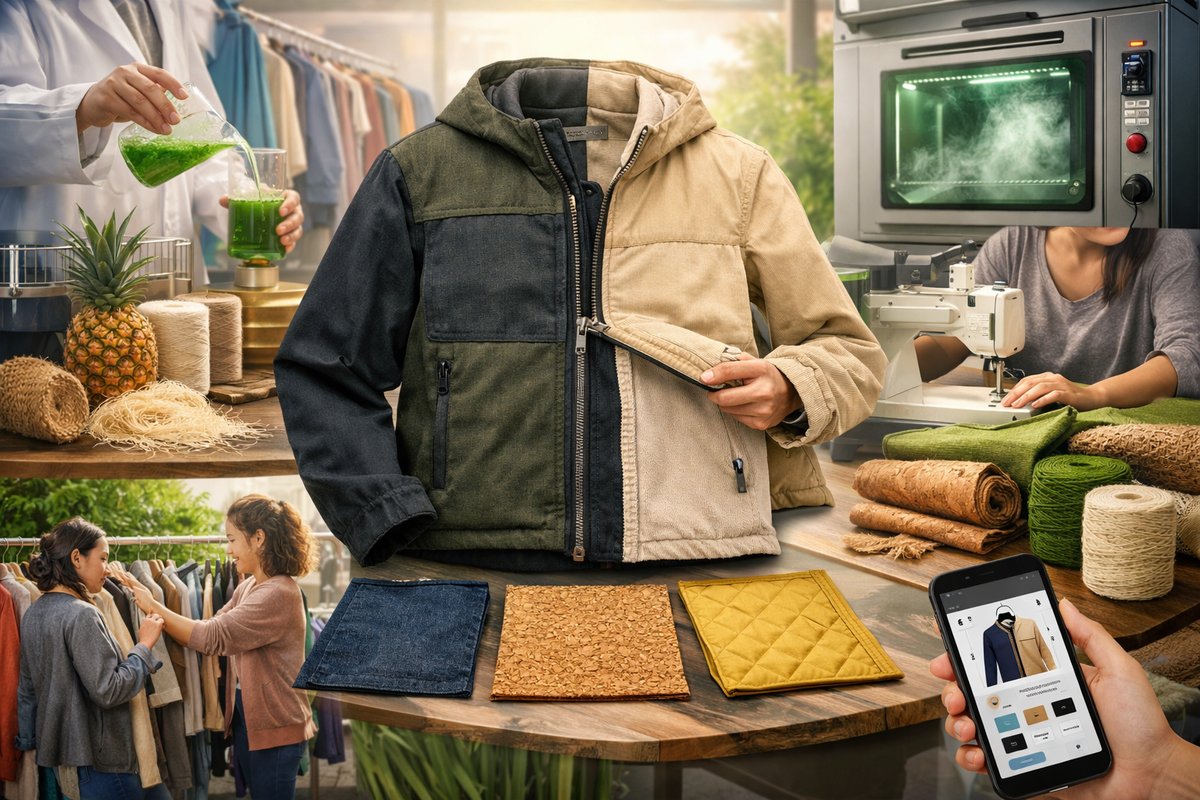
A wave of modular, eco-conscious brands is redefining wardrobes with interchangeable panels, plant-based textiles, and tech-driven personalization. From pineapple-fiber alternatives to waterless dye labs, this movement puts control-and sustainability-back in the hands of wearers. Discover how clever design and community swaps are transforming the way we dress and care for our closets.
A new chapter in fashion is unfolding as modular design and sustainability converge to challenge the one-and-done cycle of mass production. Across Europe, Asia, and North America, emerging labels are offering garments built around interchangeable panels, snap-on accessories, and textile cartridges that slide into standard sleeves. These innovations promise not only a fresh look on demand, but also a radically lower environmental footprint.
At the heart of this movement lies a shift away from single-use trends toward enduring pieces that adapt with the wearer. One such initiative, a Paris-based studio, has unveiled a light jacket crafted with magnetic snap fasteners at shoulders, sleeve cuffs, and hem. Customers choose from a palette of detachable panels-crafted in ocean-plastic yarn, plant-cellulose leather, or recycled cotton knits-to customize color, texture, and insulation level. What began as a crowdfunding experiment has quickly grown into a global preorder, reflecting pent-up demand for truly modular wardrobes.
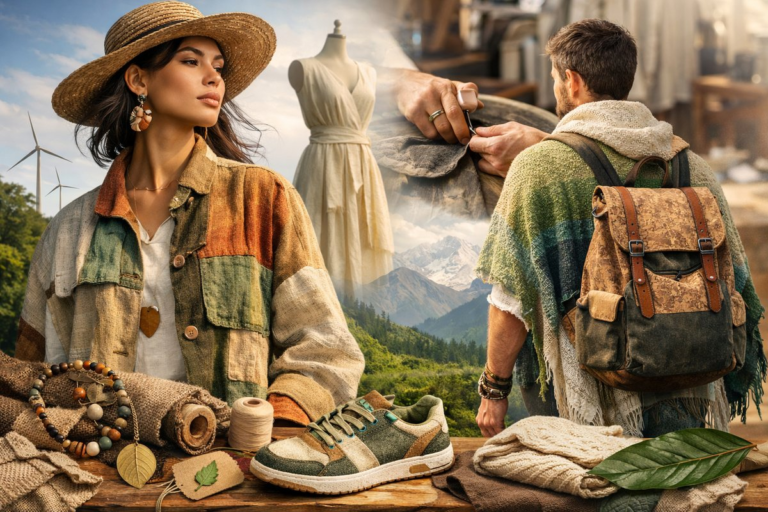
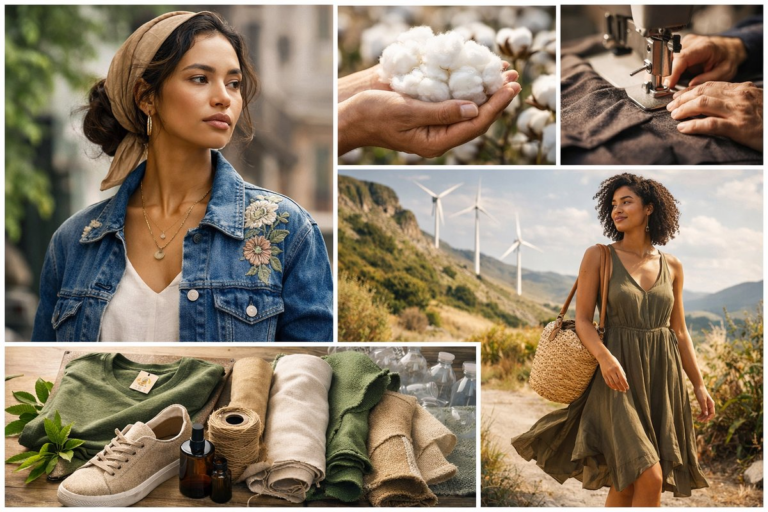
Material innovation fuels much of this momentum. Textile labs are refining biodegradable alternatives to petroleum-based synthetics. A pineapple-leaf cellulose leather substitute, born from pineapple-fiber waste streams, now appears in belts, handbag panels, and shoe accents. Meanwhile, lyocell derived from sustainably managed eucalyptus undergoes a closed-loop solvent-recovery process that drastically reduces water and chemical use. Even denim is getting an eco upgrade: recycled ocean-plastic bottles become fine polyester yarns blended with organic cotton to yield a soft yet durable weave.
Beyond the raw textiles, dyeing technology is experiencing a waterless revolution. High-pressure carbon dioxide chambers dissolve dye directly into synthetic fibers, slashing freshwater use by up to 80 percent. Natural dye kits-using plant extracts like madder root, turmeric, and indigo-are also seeing a resurgence among do-it-yourself enthusiasts. These at-home systems allow hobbyists to refresh faded fabrics, recreate vintage hues, and breathe new life into pre-loved garments.
Tech integration doesn’t end at materials. Several brands now offer virtual fitting tools powered by smartphone cameras and augmented-reality filters. Shoppers upload a quick body scan, select modular components, and instantly see garments rendered over their own image. Customized orders ship preconfigured, eliminating returns and warehousing strain. In parallel, 3D-printed embellishments-such as decorative brooches, buttons, and zipper pulls-can be designed via open-source software, printed on desktop machines, and clipped onto compatible jackets or bags.
Community swaps and rental platforms supplement these innovations with a sharing ethos. Local pop-up events invite members to bring modular panels, accessories, or underused garments for trade. A digital hub matches participants by color palette, size, and desired style update, facilitating peer-to-peer exchanges without a single new thread produced. For more formal occasions, rental services now include modular cocktail dresses and suiting packages that arrive in recyclable carriers and return via prepaid label.
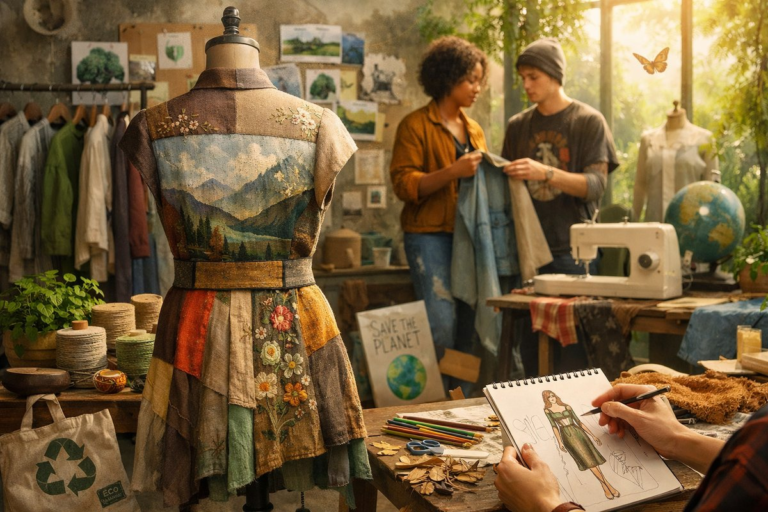
Early adopters report surprising emotional payoff. Instead of the guilt that comes with impulse buys, wearers feel creative agency, as though they’re co-designing each look. A modular scarf can become a vest lapel one day, then a belt the next. That sense of playful experimentation, paired with reduced consumption, builds a more mindful relationship with clothing.
This model also extends garment lifecycles. When panels show wear, users swap them out rather than discarding the entire piece. Textile take-back schemes ensure that spent modules are either mechanically recycled into new yarn or composted in industrial facilities. Brands track each module with QR codes that link to care instructions, mending tutorials, and end-of-life options-transforming garments into living systems rather than disposable goods.
Retailers and investors are taking notice. Specialty boutiques have begun dedicating floor space to modular anchors and seasonal panel collections. Venture funds focused on circular-economy startups are allocating capital to forge supply chains for low-impact fibers, chemical-free finishing, and on-demand manufacturing hubs. Even established fast-fashion conglomerates are piloting modular lines to test consumer appetite for slow-fashion principles.
Yet challenges remain. Upfront costs for consumers can be higher than off-the-rack garments, requiring a longer-term mindset to appreciate total cost-per-wear savings. Standardization of attachment systems-magnets, snaps, or zips-will be crucial if panels from one brand are to fit garments from another. And customer education is needed for proper module care, repair, and eventual return to recycling streams.
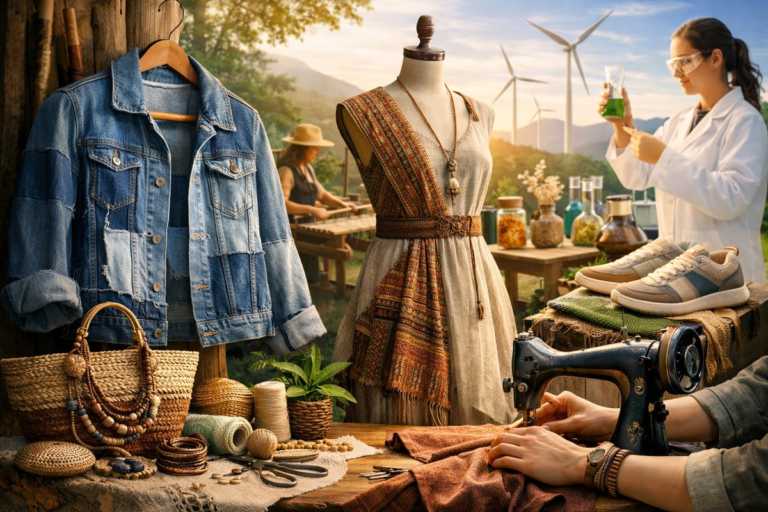
In response, several collectives are publishing open-source specifications for modular fasteners and digital patterns, hoping to spark an interoperable ecosystem. Workshops across major cities teach basic sewing, natural dyeing, and 3D design skills. Online platforms connect hobbyists with local fabric mills, dye houses, and maker-spaces, nurturing a grassroots overhaul of garment production and consumption.
For individuals keen to participate, starting small can yield immediate impact. Swapping a colorful panel or refreshing a faded jacket sleeve with a natural dye kit adds personality while cutting landfill waste. Investing in a portable garment steamer and repairing minor tears prolongs garment health. And attending local swap meets fosters community ties around shared values.
Modular sustainable fashion isn’t a fleeting fad-it reflects deeper shifts in consumer behavior, technology, and environmental urgency. By breaking garments into reusable modules, this approach transcends the conventional linear model of take-make-dispose. Instead, clothing becomes a dynamic, evolving expression of style and stewardship. As more wearers embrace this ethos, wardrobes everywhere may transform into living archives of creativity, community, and conscious choice.