Location
Mount Vernon, WA 98274

Location
Mount Vernon, WA 98274
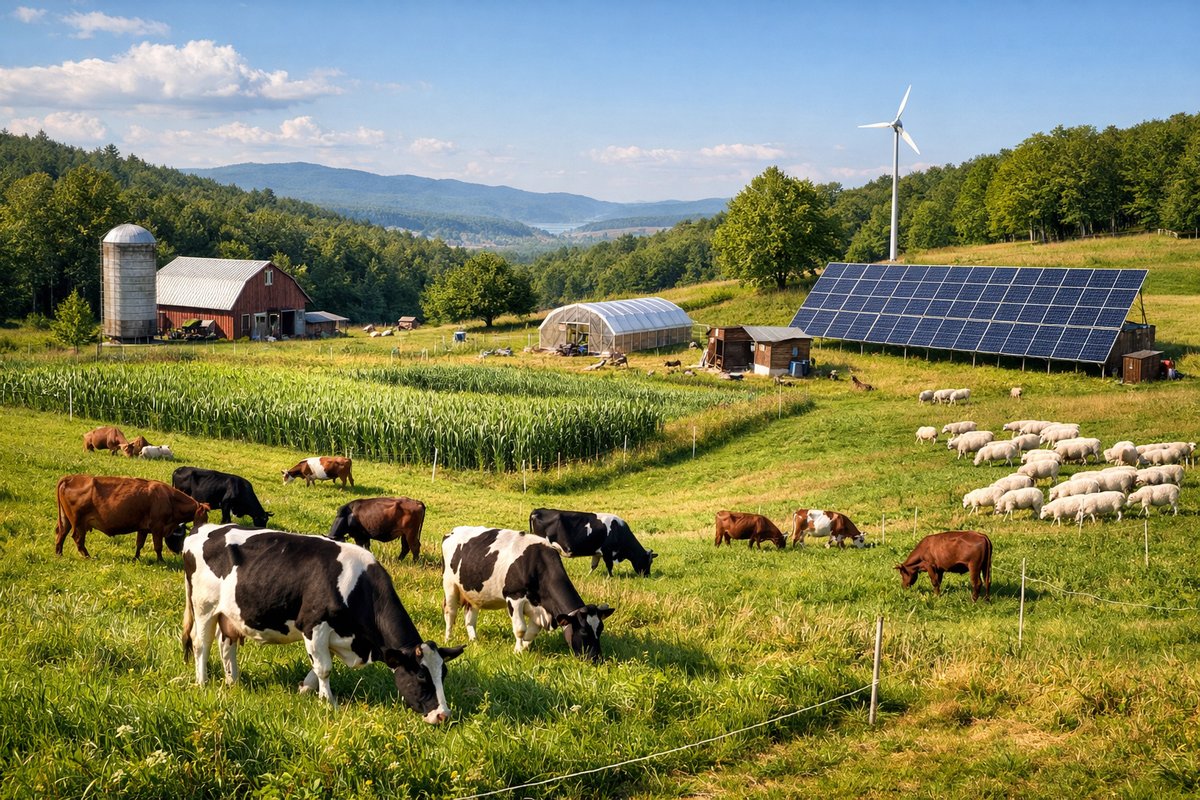
On a rolling hillside in Vermont, a new cooperative farm is proving that livestock health and carbon sequestration can go hand in hand. By combining rotational grazing, pasture cropping, and off-grid solar systems, this initiative is redefining sustainable animal agriculture and rural resilience.
At dawn on a gentle hillside in northern Vermont, a small herd of cattle moves methodically into a fresh paddock. But this isn’t a conventional grazing rotation. Beneath the cows’ hooves, cereal grains are germinating alongside perennial grasses in a system known as pasture cropping. This farm, run by the Green Ridge Cooperative, has become a living laboratory in regenerative livestock management-one that pairs age-old practices with modern renewable technology to nurture soil life, boost animal welfare, and slash the farm’s carbon footprint.
The cooperative formed five years ago when three neighboring family farms decided to pool resources and expertise. Facing rising feed costs and unpredictable weather, they sought a resilient model that could thrive on marginal land. Pasture cropping emerged as a promising solution after a pilot collaboration with the University of Vermont Extension. By overseeding wheat or barley into winter-hardy forage in late fall, the farmers maintain living roots year-round, feed their herd, and capture extra yields at harvest time.
“We went from importing tons of grain to growing nearly 40 percent of our feed right under the cows’ noses,” says one of the co-op’s founders. Beyond self-sufficiency, early soil tests revealed a 15 percent increase in organic matter and a 10 percent rise in water infiltration rates compared with neighbouring conventional fields. Over time, these changes translate to more resilient pastures that withstand drought and reduce runoff into local streams.
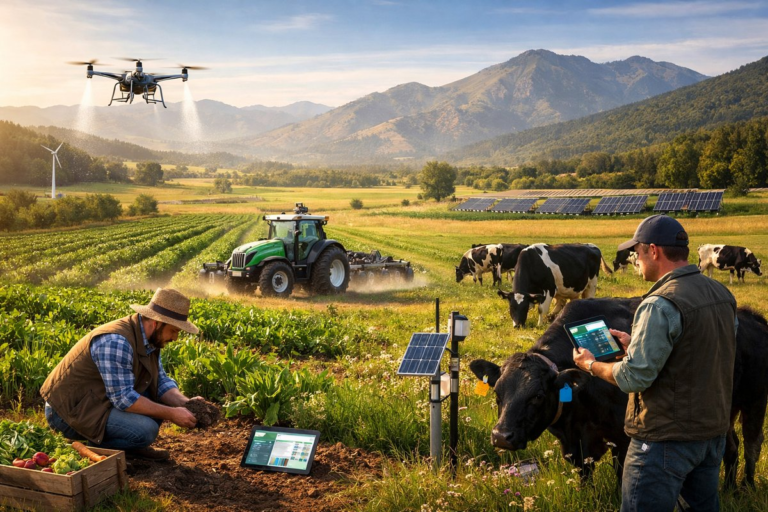
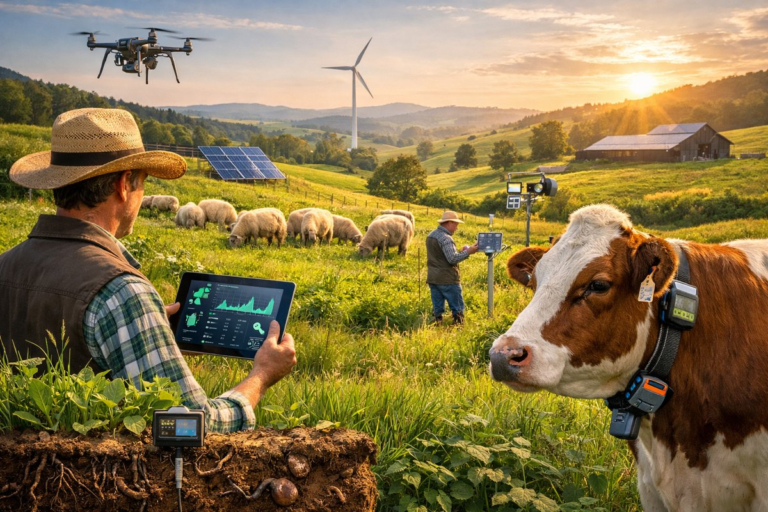
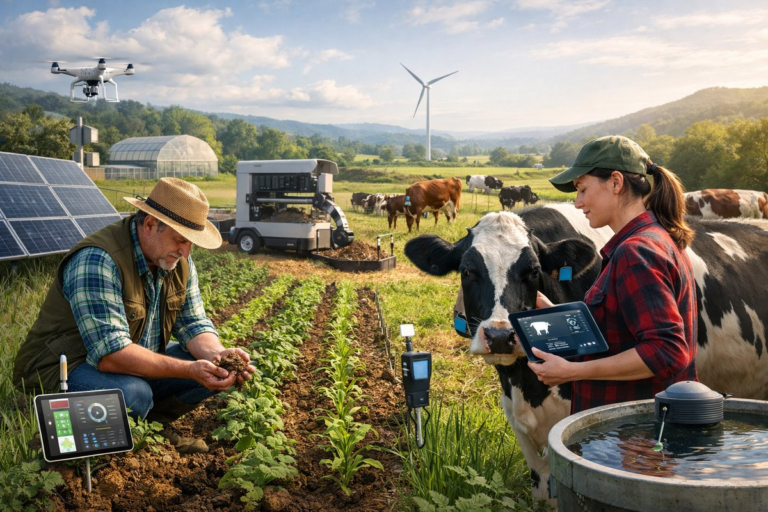
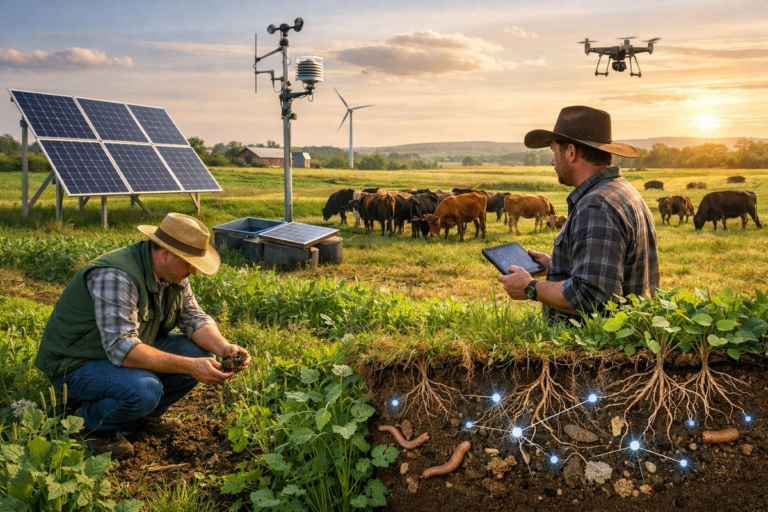
To guide their grazing plans, the cooperative uses low-cost soil moisture sensors and open-source data platforms. Mounted at varying depths, these probes feed real-time readings to a central dashboard powered by an off-grid solar array. During a late-summer dry spell, alerts helped the team shift sheep and goats onto wetter paddocks, preventing overgrazing and maintaining steady forage regrowth. “Knowing exactly when and where to move animals has made all the difference,” says the co-op’s livestock manager.
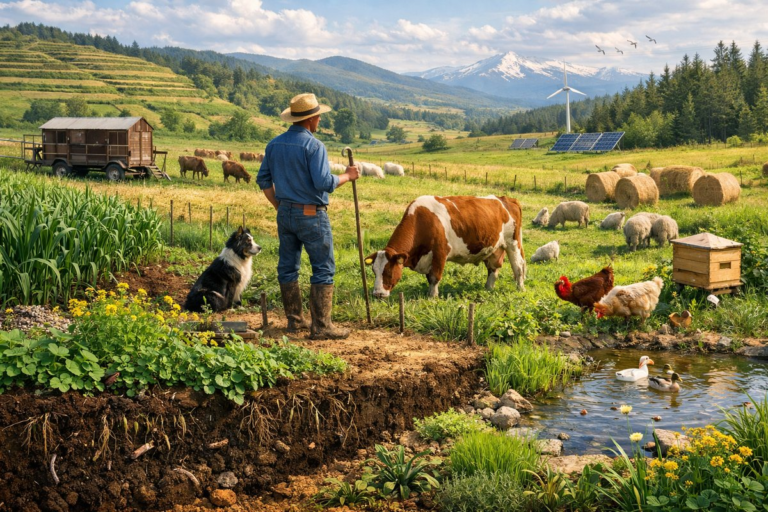
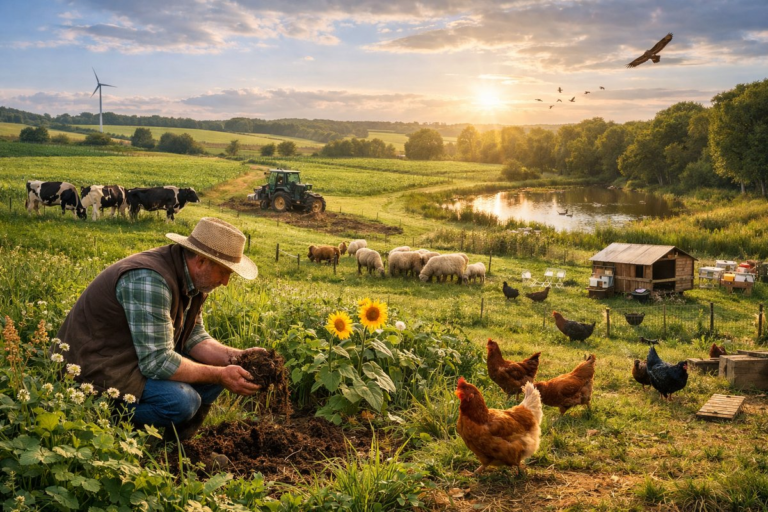
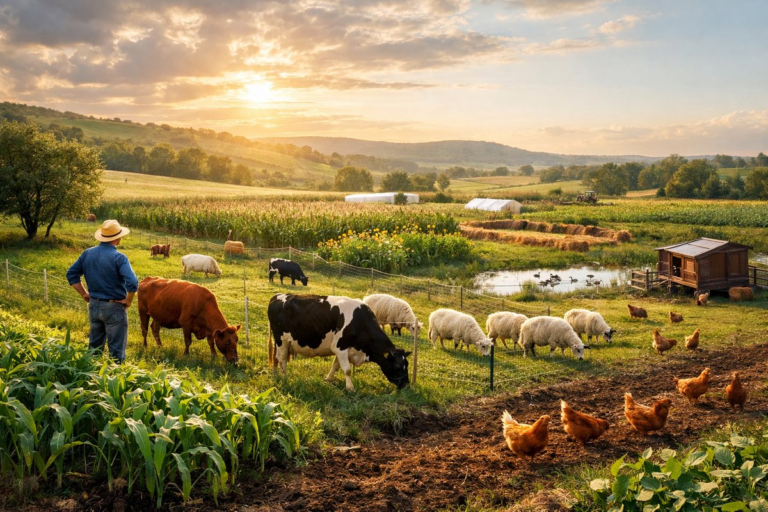
Animal welfare is paramount in the cooperative’s model. Rather than confining cattle into feedlots, every species-from chickens to swine-rotates across diverse pasture cells. Mobile shade shelters and water troughs accompany each move, ensuring comfort in all weather. Stress-free handling facilities built with curved chutes and soft fencing contribute to calmer animals, healthier meat quality, and a more efficient labor routine. A recent University of Vermont study estimates that low-stress handling can improve weight gain by up to 8 percent in beef cattle.
Meanwhile, renewable energy powers the entire operation. A 15-kilowatt solar photovoltaic system sits atop a refurbished barn, supplying electricity for electric fencing, water pumps, processing equipment and the co-op’s workshop. Excess energy feeds into a battery bank that runs night-time lighting and charging for battery-powered tools. On cloudy days, a backup biodiesel generator made from recycled vegetable oil covers peak demand.
In a further bid to close nutrient loops, poultry and swine manures are composted on-site to create bedding and crop amendments. Instead of hauling waste off the farm, the cooperative employs windrow composting, monitored by temperature loggers to maintain safe levels. The resulting humus-rich compost is spread across paddocks to support pasture cropping and enhance soil fertility.
But the team didn’t stop at carbon capture and nutrient recycling. A local seed cooperative partnered with Green Ridge to reintroduce heritage grass and grain varieties adapted to northern climates. These cultivars-some dating back 200 years-are more tolerant of frost and require fewer inputs than modern hybrids. Trials this spring showed that one heirloom wheat line set more stable yields under cool, wet conditions than its conventional counterpart.
Direct-to-consumer marketing completes the cycle. Co-op members operate a seasonal farm stand, an online subscription service for grass-fed meat boxes, and relationships with two regional co-op grocery stores. Customer surveys reveal that buyers appreciate the transparent supply chain: QR codes on packaging link to short videos of the cows grazing and data on soil health improvements. “People want to know where their food comes from, and they’re willing to invest in farms that invest in the land,” explains the cooperative’s marketing director.
The project has spurred broader community engagement. Visiting farmers from neighboring states travel to see the fence-and-sensor setup, while high school students intern on the farm, learning sustainable ag techniques and renewable energy maintenance. The cooperative also hosts quarterly open-barn nights to discuss pasture cropping methods, electric fence design and compost management.
Challenges remain: pasture cropping demands careful equipment calibration to avoid crop damage, and unpredictable weather still tests the system’s flexibility. Maintaining battery health for solar storage requires technical skills that are scarce in this rural region. To address these gaps, the co-op is developing online tutorials and a peer-to-peer support network in collaboration with a local makerspace.
Early environmental metrics suggest promising results: a one-acre trial area showed net greenhouse gas reductions of nearly 1.2 metric tons of CO2 equivalent per year when accounting for soil carbon gains, lower synthetic input use, and avoided emissions from off-farm feed production. Scaling these practices across the northeast could make a meaningful dent in regional agricultural emissions, according to a recent USDA report.
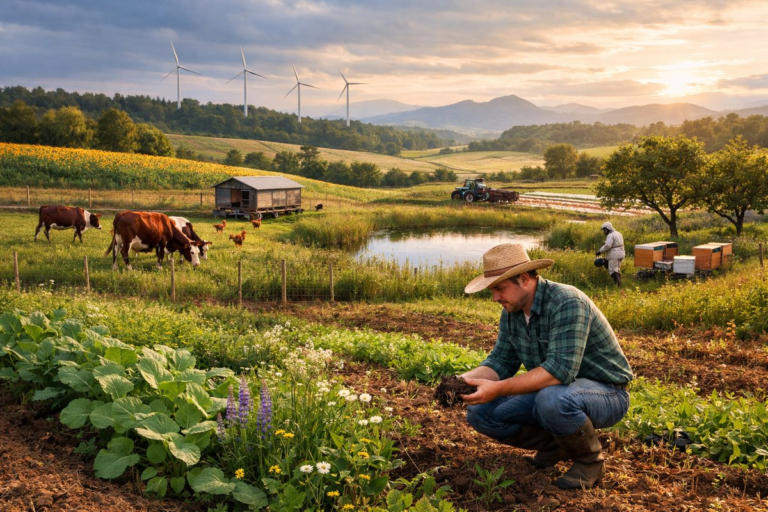
As climate volatility intensifies, the Green Ridge Cooperative’s blend of pasture cropping, modern monitoring and off-grid power offers a blueprint for resilient livestock farming. By reinvesting in soil health, prioritizing animal welfare and harnessing renewable energy, these Vermont farmers are proving that small-scale operations can deliver big environmental and social benefits. Their journey underscores a powerful truth: sustainable agriculture isn’t just about reducing harm-it’s about creating systems that thrive in harmony with the land.
Now in its sixth season, the cooperative is seeking partners to refine seed-drilling equipment and explore mobile solar fencing prototypes. With ongoing research support and a growing network of practitioners, this experiment in regenerative livestock may well signal a turning point for rural innovation.
Whether you’re a farmer, student, or consumer curious about the future of food, the Green Ridge story offers a hopeful vision: one where livestock, soils, energy and communities flourish together. That’s a narrative worth grazing on.