Location
Mount Vernon, WA 98274

Location
Mount Vernon, WA 98274
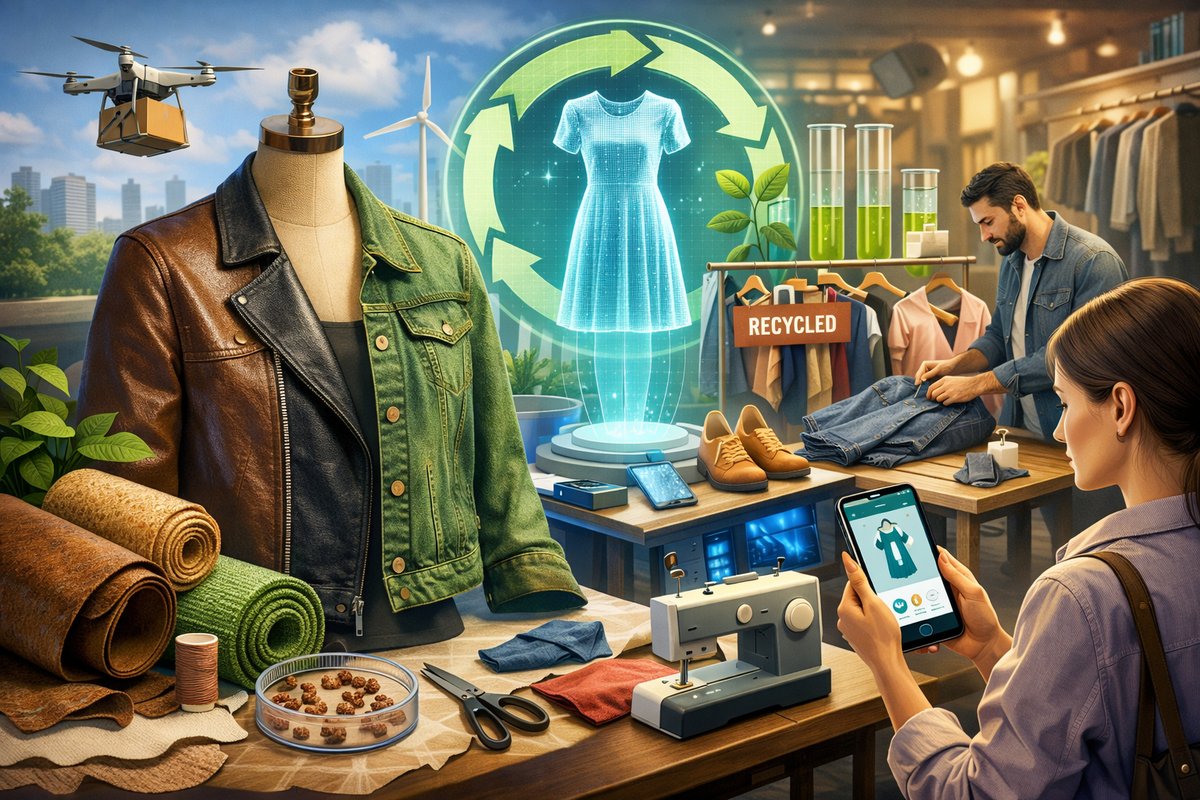
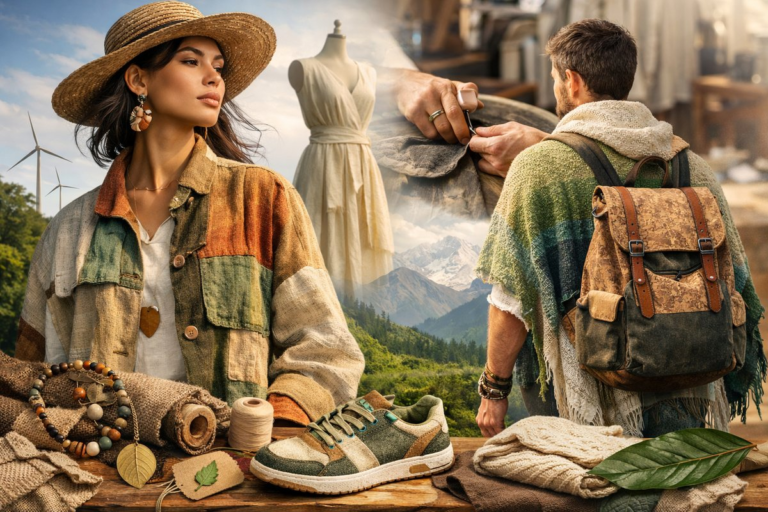
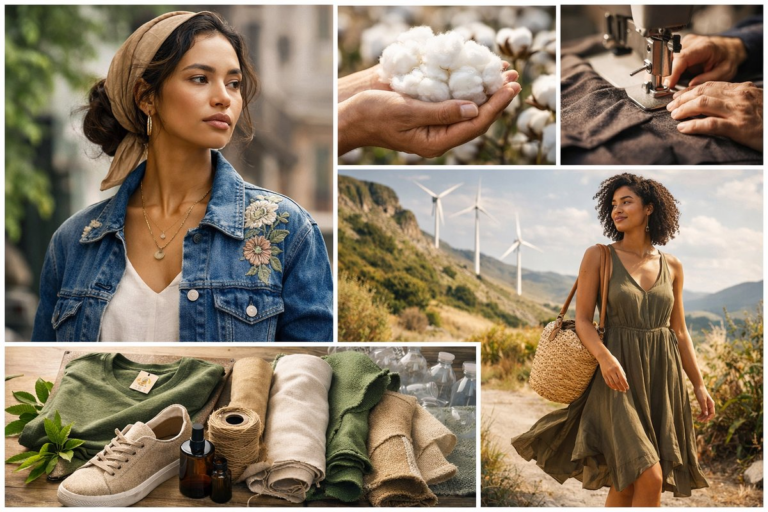
A surge of innovation is propelling circular fashion from niche ateliers into mainstream wardrobes. By blending advanced materials, digital platforms, and community-driven repair networks, consumers can now stitch sustainability into every outfit. From biofabricated leather substitutes to on-demand upcycling apps, this wave of tech-enabled apparel is turning environmental responsibility into a style statement.
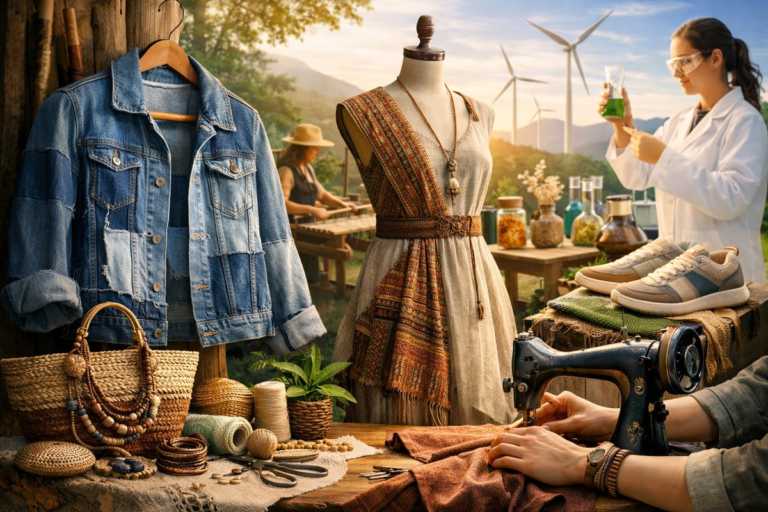
Skyscraper-sized fast fashion empires are facing a new contender: agile, tech-infused circular fashion ventures that promise to close the loop on textile waste and give garments a second, third or even fourth life. Across major urban centers, innovators are pairing materials science breakthroughs with digital tools and grassroots repair communities to create an ecosystem where every fiber can be tracked, reclaimed and reimagined.
In Berlin, a collective of designers recently debuted a line of modular outerwear that can be entirely disassembled, allowing individual panels-insulated, waterproof or reflective-to be swapped out as trends shift or performance needs change. Sporting everything from mycelium-based leather alternatives to recycled ocean-plastic insulation, these coats embody a new breed of hybrid product. Customers can log onto an online portal to diagnose wear points, order replacement modules or even trade in panels for credit toward new styles.
Meanwhile, a consortium in Tokyo is piloting an RFID-enabled garment passport system. Each piece carries a chip that contains its full life history: raw material origin, dye recipes, wash cycles and all repair episodes. When items are returned to designated drop-off points around the city, automated sorting stations read the passport data and redirect fabrics to appropriate recycling streams-whether that means mechanical shredding into new yarn or sterilization for direct reuse.
Material innovation has become the foundation of this circular wave. Econyl, a regenerated nylon spun from discarded fishing nets and industrial scraps, is appearing in everything from performance tights to braided handbag straps. Apple-textile alternatives like Piñatex-crafted from pineapple leaf fibers-and mushroom-derived Mylo leather mimic the look and feel of cowhide without the environmental and ethical baggage. Emerging startups are also experimenting with algae-based dyes that require no harsh chemicals or energy-intensive heating processes; these pigments can be printed onto biodegradable fabrics that compost safely at end of life.
Digital platforms have given these physical breakthroughs the audience they need to scale. On-demand upcycling marketplaces connect local tailors and seamstresses with individuals looking to refresh or restyle existing garments. Photo-based AI tools assess fabric condition and recommend patchwork techniques, enabling novices to follow step-by-step tutorials for simple repairs. Social feeds populated with before-and-after shots celebrate creative reuse and build community around shared values.
Retailers are also adapting. A flagship store in New York City offers a “wardrobe subscription” service. Members receive a curated selection of pieces each season and return or swap items when they’re ready for something new. Returned garments undergo light repairs and cleaning before heading back into circulation for the next subscriber. Buyers pay a monthly fee, gaining access to premium, limited-edition collaborations-such as capsule collections made with lab-grown silk-without contributing to overproduction.
Consumer response has been enthusiastic, particularly among younger demographics who prioritize sustainability alongside aesthetics. A recent survey by an independent research institute found that 72 percent of urban shoppers under 35 would pay a premium for clothing that carries built-in longevity guarantees or reparability features. Focus groups consistently cite emotional attachment: garments co-created with repair kits and personal customization feel more meaningful than disposable trend-driven buys.
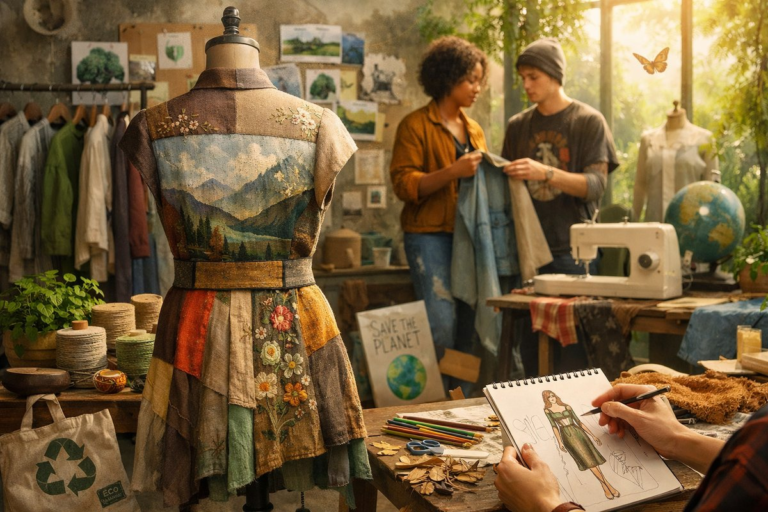
That emotional resonance is key to driving behavior change. Repair cafes and mending parties, once fringe artisan gatherings, have become multimedia events streamed on social platforms. Participants swap patterns, share zero-waste tailoring tips and compete in speed-mending challenges. The joy of reviving a beloved sweater, threading colorful patches over worn elbows, fosters a sense of stewardship that undercuts the impulse to discard at the first sign of fatigue.
Infrastructure remains a challenge. Scaling up advanced recycling processes requires significant capital investment, and many legacy garments carry mixed fibers that complicate material separation. Yet public-private partnerships are stepping in. Grants from environmental agencies and impact investors are funding pilot plants for chemical recycling, aiming to break down polyester blends into virgin-quality monomers. If successful, these facilities could one day accept vast volumes of post-consumer textiles, reducing reliance on oil-based virgin resins.
Subscription models and rental platforms also require careful logistics. Last-mile returns and reverse logistics can generate carbon emissions if not optimized. That’s why several startups are tying into existing postal networks and exploring electric micro-delivery fleets. Some are designing clothing with fold-flat packaging to minimize shipping volume, while others incentivize batch returns through gamified rewards-encouraging customers to accumulate returns and schedule bulk pickups rather than multiple small shipments.
Experts believe that policy interventions will accelerate adoption. Extended producer responsibility regulations in Europe and parts of North America are pushing brands to take financial or physical responsibility for garments at end of life. In response, dozens of labels are launching collect-once programs, embedding small take-back fees into purchase prices. When consumers return items, the fees cover recycling or repair costs, keeping the process economically viable without surprise expenses.
Looking ahead, the melding of technology, materials and community could transform even the way we design. Virtual reality simulations allow creative teams and consumers to co-design garments in 3D environments, reducing physical prototyping waste. On-body sensors embedded in elastane blends could one day relay fit and wear data back to designers, prompting micro-batches of tailored replacements that match the user’s specific measurements and activity profile.
The result may be a new fashion economy-one where products are valued for their stories as much as their style. Garments crafted from waste, repaired countless times, imbued with personal embellishments: each piece becomes a tapestry of responsible choices and cherished memories. Shoppers shift from transactional buyers to custodians of their wardrobes, guided by platforms that reward care and creativity rather than turnover.
For the consumer, the takeaway is clear: adopting circular fashion doesn’t require a radical overhaul of personal style, but rather small shifts in mindset and practice. Mending a sock instead of tossing it, choosing modular pieces over single-use designs, exploring local repair networks-these actions stitch sustainability into daily habits. The tech tools and advanced materials detailed in this article provide the scaffolding, but it’s the collective commitment of individuals that will weave circular fashion into the cultural fabric.
As the circular wave spreads, it promises to unthread the old fast-fashion model and replace it with one where environmental values and aesthetic innovation are inseparable. The wardrobe of tomorrow isn’t built on fleeting trends but on enduring connections between people, products and planet. Whether you’re ordering personalized modules for your jacket or brushing up on basic stitching techniques, this is your moment to join the movement-one patch, panel or pivot at a time.