Location
Mount Vernon, WA 98274

Location
Mount Vernon, WA 98274
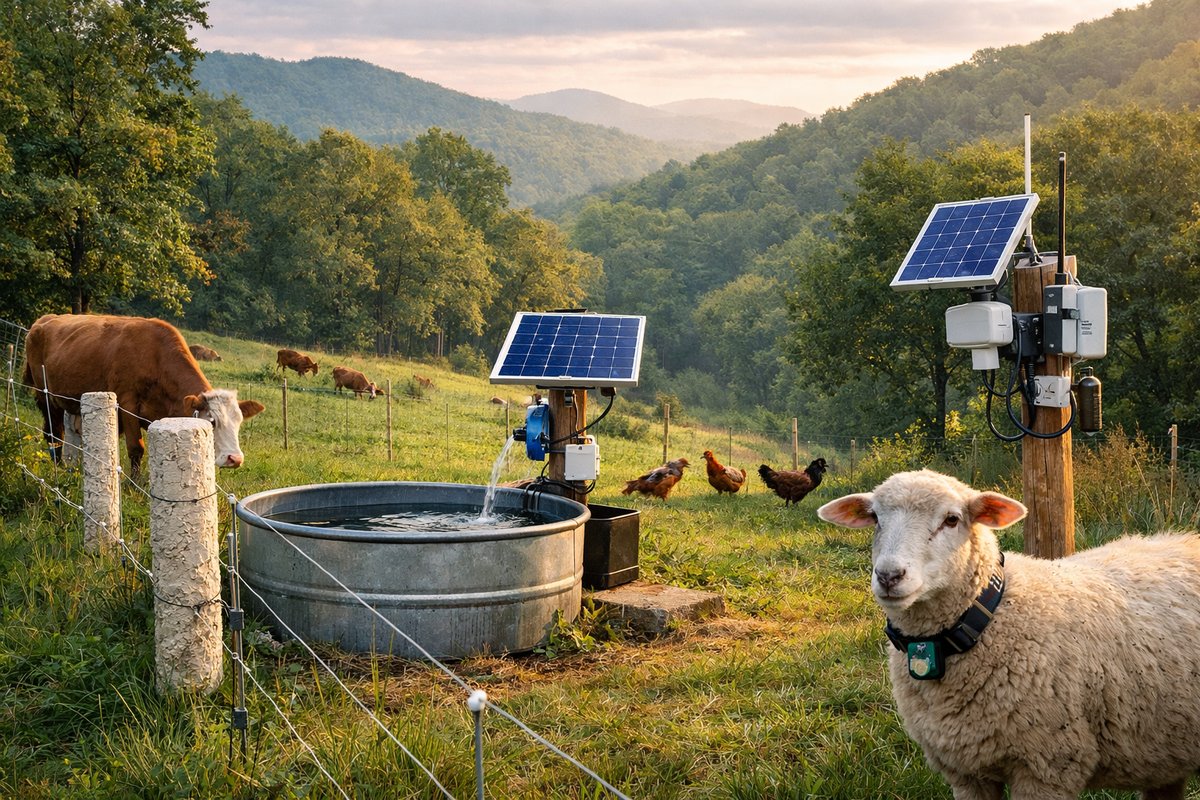
A collaborative trial in the Appalachian foothills is blending mycelium-based fencing, solar-powered water stations and open-source animal sensors to reshape livestock care. Early results point to healthier pastures, reduced inputs and a blueprinted model for small-scale farmers seeking resilience and ecological balance.
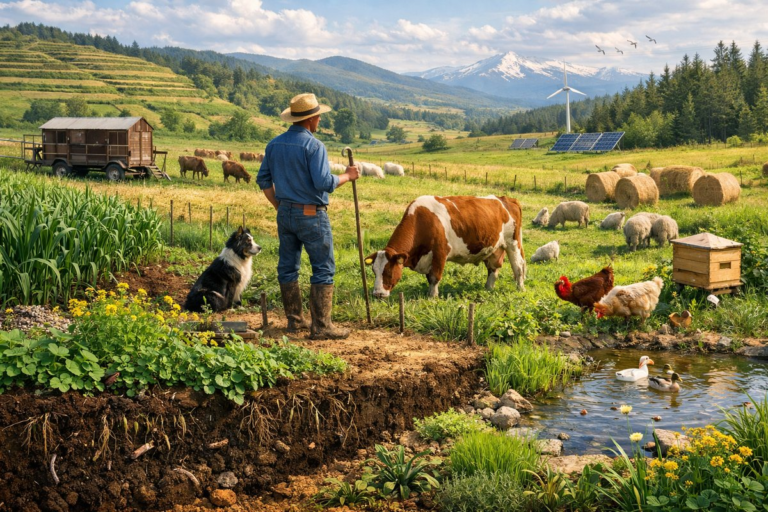
Along a winding creek in the Appalachian foothills, a coalition of small-scale farmers has launched a bold pilot program that weaves together biological ingenuity and digital precision. Rather than rely solely on conventional fencing and feed systems, this initiative employs biodegradable fungal panels that guide livestock movement, solar-charged water dispensers on wheeled carts, open-source GPS collars and AI-driven mineral feeders. The goal: a low-input yet high-impact approach to grazing that boosts pasture health, cuts labor costs and builds carbon-rich soil.
At the heart of the project lies MycoBound fencing, a series of boards inoculated with mycorrhizal fungi. Unlike traditional plastic or wire barriers, these panels degrade over 12-18 months, feeding beneficial microbes into the soil as they break down. Pennsylvania State University research shows that similar inoculation methods can increase soil carbon by up to 0.5 metric tons per acre annually. Participating farms installed 300 linear feet of MycoBound last spring, rotating sheep and goats through the enclosed paddock to ensure even grazing and ample forage recovery.
“We wanted something that does more than just keep animals penned,” explains one co-op member. “The fungal fence actually becomes part of the ecosystem. It stimulates root growth, enhances water retention and gradually enriches the ground.” Within six months, early soil tests revealed a 15% uptick in organic matter compared to adjacent fields using standard electric wires. Beyond the ecological benefits, the panels eliminated the hassle of removing and storing fence line in winter-once their life cycle ends, they simply merge back into the land.
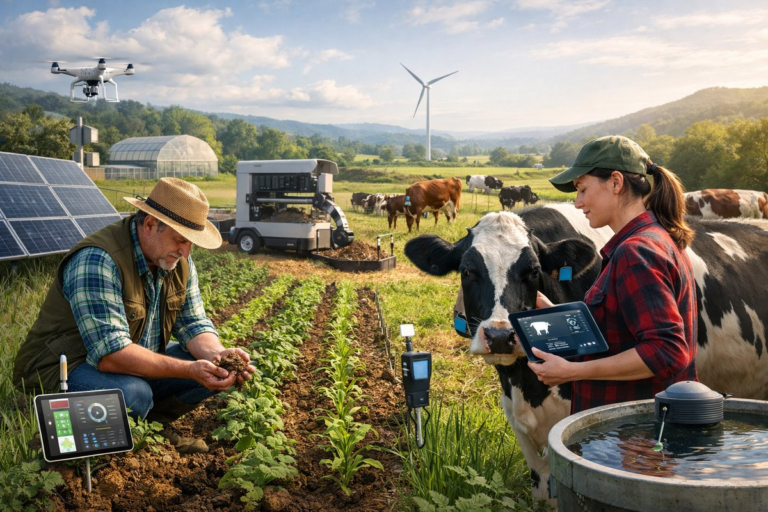
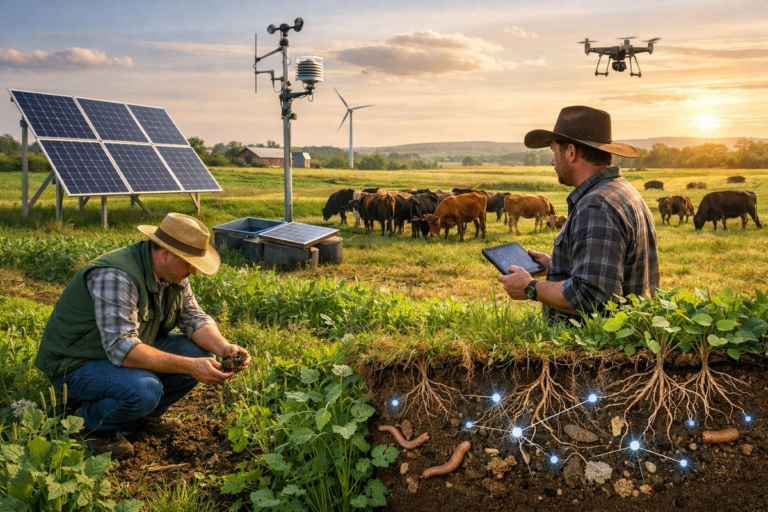
Complementing the fungal barriers are mobile solar water stations crafted from modular photovoltaic panels affixed atop barrel wagons. Each unit powers an automated pump that draws from nearby troughs or stream taps, providing fresh water on demand. Equipped with a float-sensor network, the system can deliver up to 50 gallons hourly without manual intervention. During dry spells this summer, the solar carts kept six paddocks hydrated around the clock, saving farmers two to three daily trips hauling buckets.
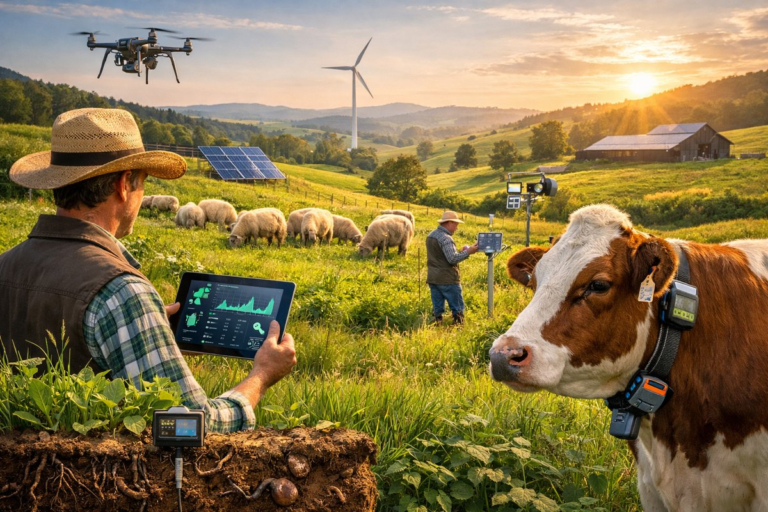
To oversee herd well-being at scale, the pilot integrates open-source Bluetooth collars paired with community-run gateways. These collars transmit body temperature, activity levels and GPS coordinates to a locally maintained server. Farmers log in through a smartphone dashboard to spot anomalies-such as a ewe lagging behind or a cow spending excessive time near a fence line. Early detection of lameness and heat stress cut veterinary visits by 30% compared to previous seasons.
Data privacy and cost were top concerns during planning. Instead of a commercial IoT subscription, the co-op chose an off-the-shelf microcontroller hub with free firmware and a self-hosted database. Open-source sensors cost under $50 each, and the gateway units repurposed old Wi-Fi routers. That DIY ethos translates into transparent data ownership: participating farmers can decide what metrics to share, ensuring a cooperative rather than a corporate model.
Linking soil health with livestock nutrition, the program installed AI-driven mineral feeders stocked with customized blocks. Cameras mounted on the feeders detect animal size and facial features, dispensing precisely measured mineral portions suited to age and weight. This targeted supplementation reduced block waste by 40% in trials, curbed over-licking and balanced trace elements more effectively than one-size-fits-all bins.
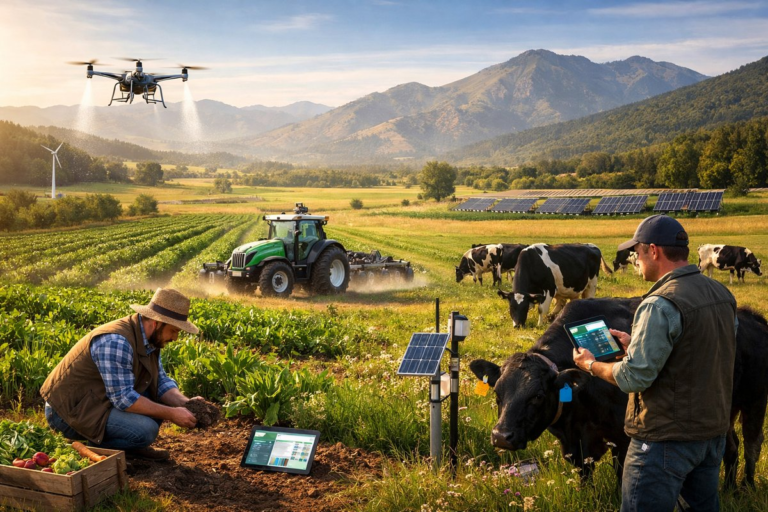
Monitoring pasture recovery between grazing events relied on handheld soil moisture sensors and drone-based multispectral mapping. Volunteers trained in UAS operation flew weekly surveys, comparing NDVI (Normalized Difference Vegetation Index) readings to set resting intervals. Grazing durations adjusted dynamically: paddocks lagging in regrowth remained off-limits until sensors flagged moisture levels above critical thresholds. The result has been more uniform forage density across all fields, with average biomass gains climbing 25% over the previous year.
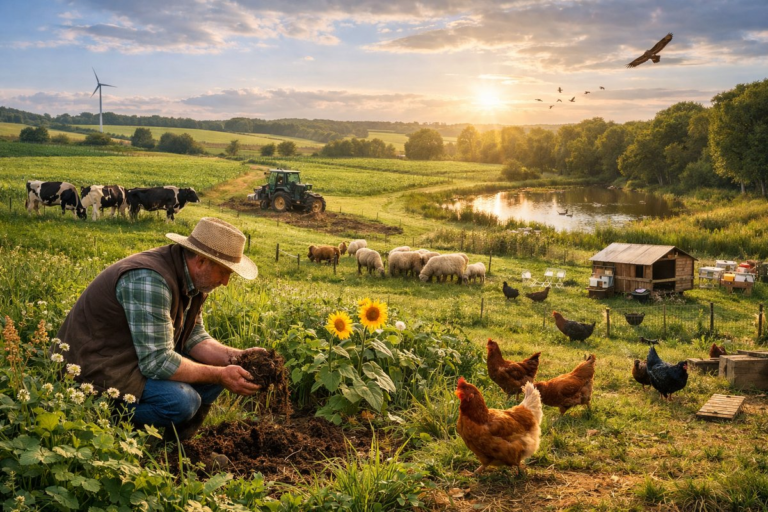
Animal welfare advocates from a regional nonprofit toured the operation this summer and lauded its holistic design. Instead of isolating livestock management as a separate discipline, the pilot views animals as integral partners in soil restoration. Rotational grazing combined with fungal soil amendments can enhance microbial diversity, trap rainfall and sequester carbon-creating a virtuous cycle of animal health and ecosystem vitality.
Yet the project isn’t without challenges. Initial expenses for solar panels and drone equipment totaled over $12,000, outpacing many individual budgets. To offset that, the co-op secured a conservation innovation grant and pooled labor through a volunteer roster. Onboarding new farmers also requires training in open-source electronics and basic microbiology-skills not commonly covered in traditional agricultural extension programs.
“There’s a learning curve,” admits one participant. “But we’ve turned training sessions into community events. People get curious about microbes when they see the soil turn darker and thicker under the fences.” By inviting local schools and youth groups to help lay panels or calibrate sensors, the farm network is knitting rural residents back into the story of their own land.
Looking ahead, organizers plan to share the pilot’s blueprints across other Appalachian counties and farther afield. A digital “toolkit” is in development, complete with parts lists for solar water wagons, wiring diagrams for mineral feeders, drone mapping protocols and fungal panel recipe cards. The goal is to lower barriers to entry, enabling even remote operations with limited internet to replicate the system.
Meanwhile, researchers at the state university continue to analyze long-term impacts. Preliminary findings indicate that farmland enrolled in similar integrated grazing experiments can boost overall farm revenue by up to 15%, factoring in reduced feed costs, fewer veterinary bills and potential carbon credits. That combination of hard economics and ecological benefit could persuade more small holders to embrace these next-gen techniques.
In a rural landscape often framed as the last frontier for fossil-fuel farming, this pilot shines a different light. By merging ancient fungal partnerships with modern sensors and solar energy, small ranchers can pioneer a regenerative path that revitalizes pastures, fosters animal welfare and rebuilds community resilience. As one organizer puts it: “When you let biology do the heavy lifting and technology handle the details, you end up with a system that’s both efficient and alive.” Whether in Appalachia or beyond, that fusion might just rewrite the future of livestock agriculture.