Location
Mount Vernon, WA 98274

Location
Mount Vernon, WA 98274
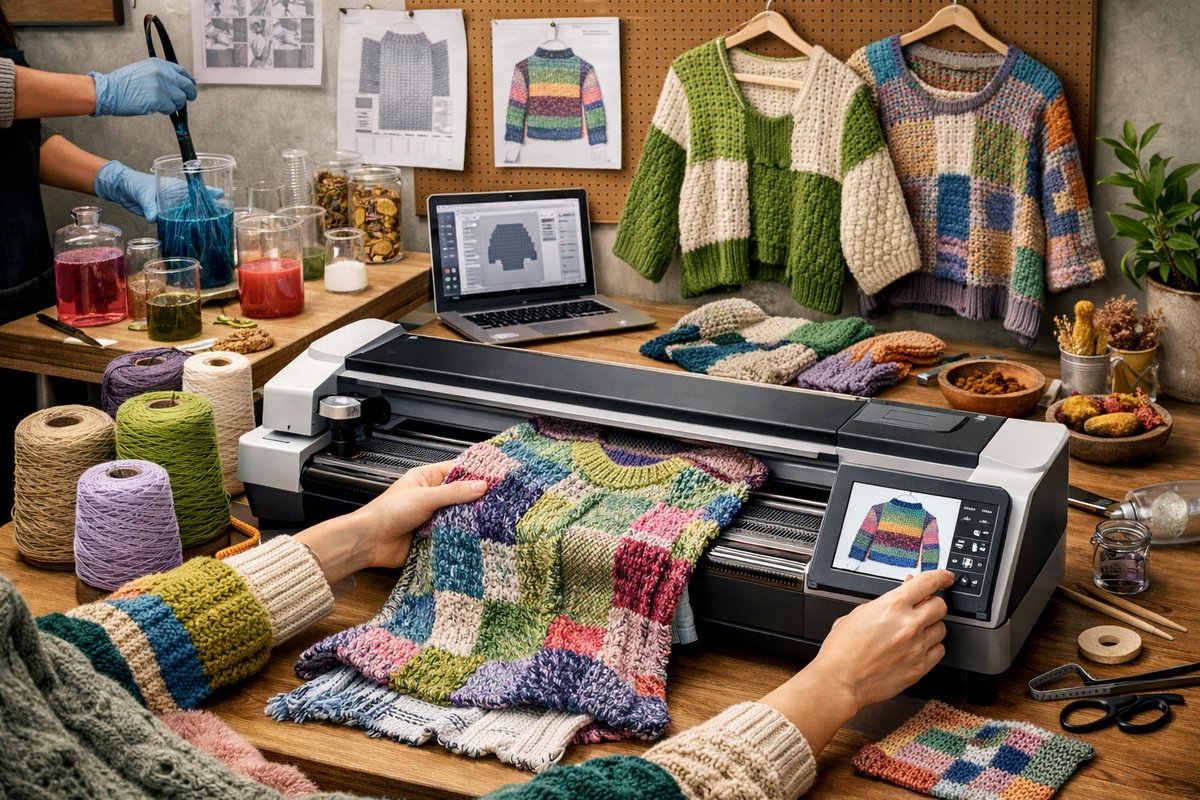
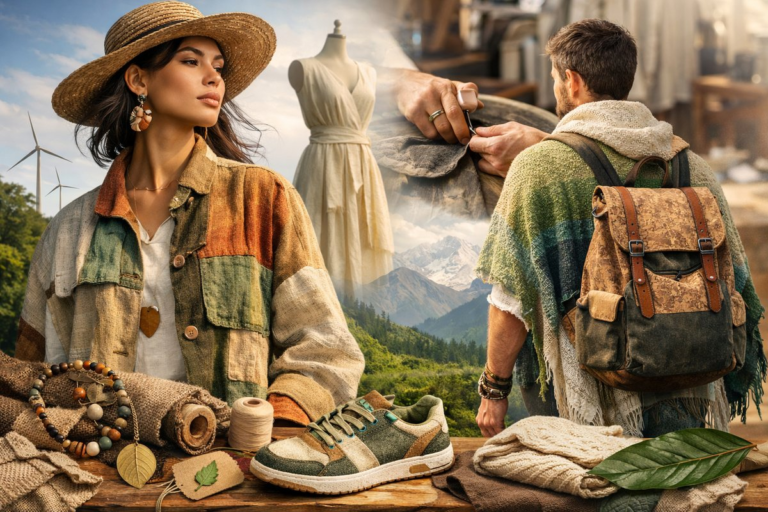
A convergence of open-source patterns, home dye laboratories and on-demand digital knitting machines is giving fashion enthusiasts new ways to craft clothing that speaks to their values. This wave of modular design and decentralized production is transforming wardrobes from passive displays into active stories of personal expression and ecological responsibility.
Design fairs in Copenhagen and London have become laboratories of a new breed of fashion innovation, where digital fabrication tools rub shoulders with vegetable-based dye kitchens and open-source pattern archives. What once seemed like whispers on niche blogs has crystallized into a movement: sustainable style powered equally by pixels and plant pigments. From hand-crank knitting looms that generate custom sweaters in minutes to blockchain-enabled marketplaces that authenticate limited-edition upcycled trousers, the tools that were once reserved for industrial ateliers are finding their way into living rooms, dorm rooms and community studios.
Developers of decentralized fashion platforms have unveiled apps that transform 3D scans of your body into adaptive knitting instructions. Users upload measurements, choose a modular sweater pattern and select from a curated palette of natural dyes. Within hours, a local makerspace equipped with a digital knitting machine brings that design to life. Unworn inventory is eliminated, waste streams are minimized and each garment carries a unique identifier that traces its origin back to the raw fibers, the dye bath and the machine operator.
The debate around sustainability in apparel has long centered on materials and supply chains, but the recent focus has shifted toward empowering individuals to become co-designers and producers. “We wanted to collapse the distance between maker and wearer,” explains an anonymous developer of one such platform. “By giving people direct access to digital knitting tools and artisanal dye methods, we’re rewriting the rules of consumption.”
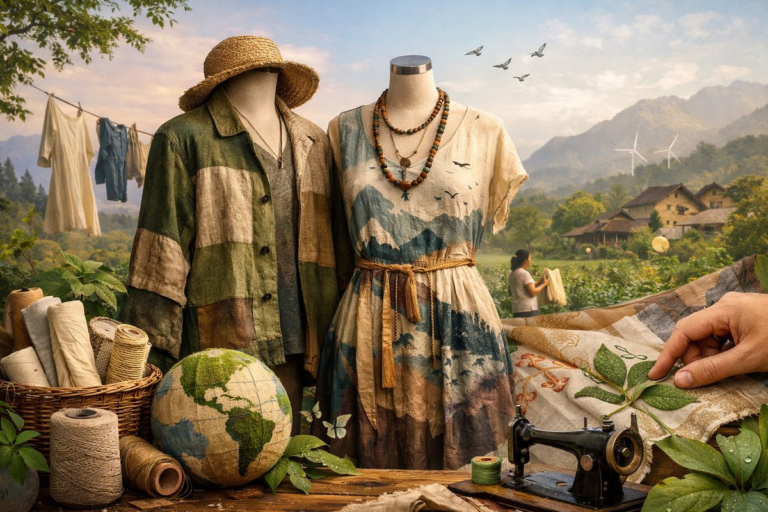
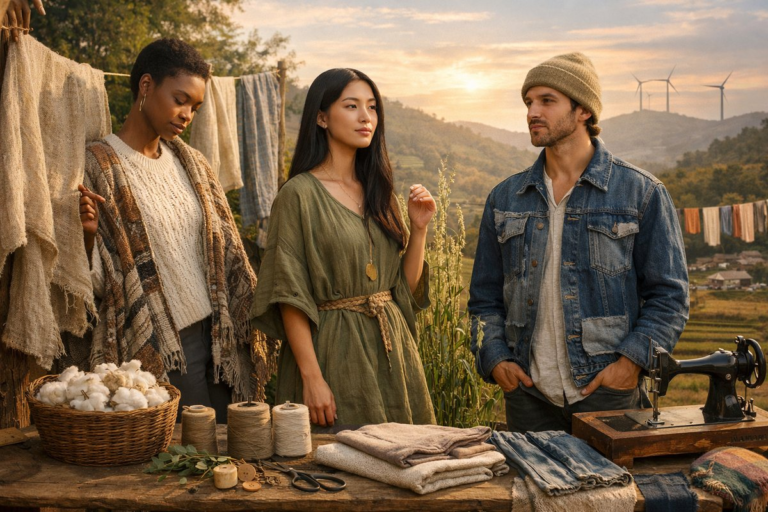
One of the most striking outcomes of this approach is the resurgence of home dye labs. Ingredient kits featuring powdered plant extracts- such as pomegranate skins, onion peels and rusty iron for tonal variation-are shipping alongside illustrated manuals. Enthusiasts are experimenting with solar-heated dye vats on balconies and rooftops, capturing vivid reds, muted ochres and silvery grays without resorting to petrochemicals. These DIY dye sessions have become shared rituals, broadcast live on social channels where participants compare swatches and swap secret recipes.
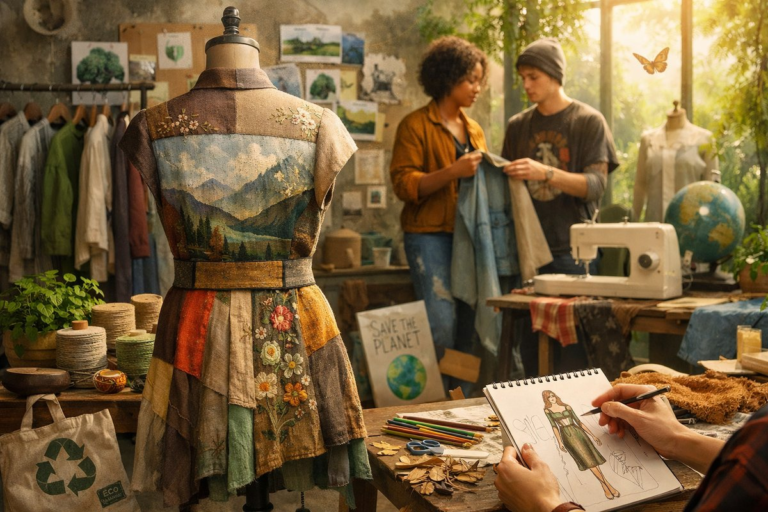
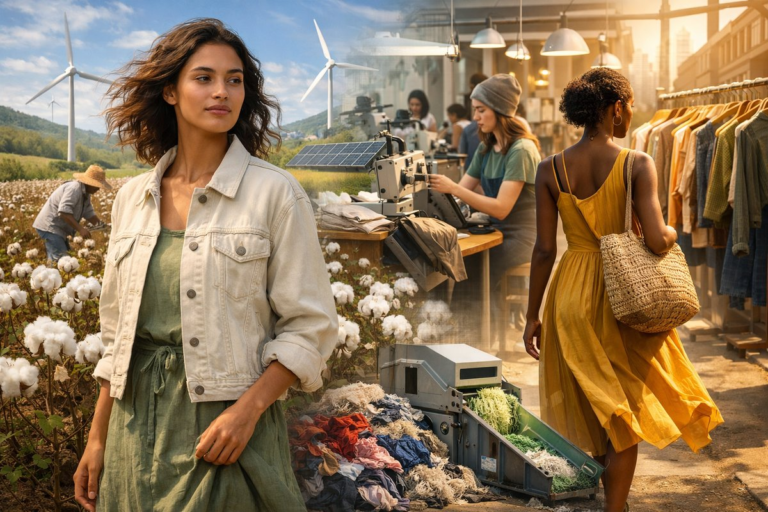
Meanwhile, a growing network of upcycling hubs uses digital photography and AI-driven pattern recognition to transform old garments into new templates. Drop off a pair of jeans, and within days you receive back a set of printed instructions to cut and reassemble them into a minimalist tote bag or a cropped utility jacket. Making the transformation accessible to novices is key: intuitive video tutorials walk users through each snip and stitch, ensuring that no specialist skill is required.
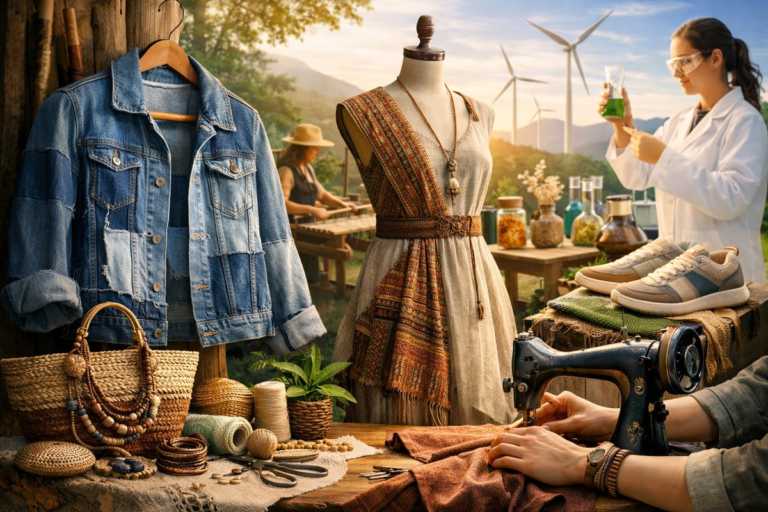
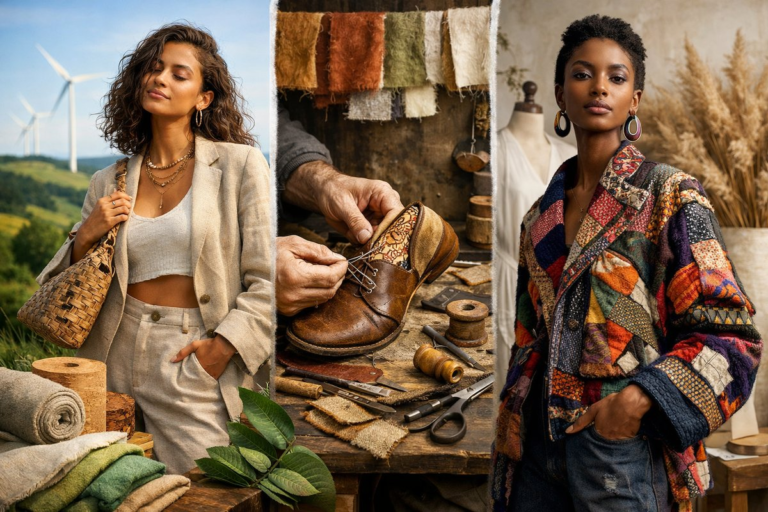
Artisanal cottage industries are also flourishing alongside high-tech initiatives. Small dye studios in urban backstreets have partnered with local wool cooperatives, blending handspun yarns with surplus silk and linen. These partnerships are elevating traditional crafts and guaranteeing fair pay for producers. Customers who once bought fast-fashion T-shirts are now commissioning limited runs of patchwork shawls, each square dyed in a different natural bath and stitched by hand.
At the intersection of heritage and innovation is a new wave of modular accessories. Magnetic clasps, interchangeable straps and clip-on pouches allow wearers to reconfigure bags, belts and jewelry on the fly. One company has even open-sourced the CAD files for its magnetic buckle design, inviting hackers and hobbyists to 3D print their own components. The result is a community-driven ecosystem of color combinations and utility attachments-an expandable toolkit for individual style.
Amid these developments, blockchain authentication is gaining traction as a way to verify provenance. Each garment or accessory is assigned a digital token that records its creation timestamp, constituent materials and maker credentials. Resale marketplaces built on this ledger model ban anonymous sellers and enforce transparent pricing. When a vintage blazer or a hand-dyed wrap changes hands, the token’s history travels with it, reducing fraud and wasteful overproduction.
Critics warn that the techno-utopian veneer can obscure deeper inequalities. Access to reliable high-speed internet, digital fabrication gear and Makerspace memberships is still unevenly distributed. Many of the most innovative platforms seek to bridge these gaps by offering subsidized memberships for students and community grants to underrepresented groups. Portable toolkits-complete with solar chargers, mini dye vats and compact knitting machines-are circulating among rural villages and remote neighborhoods, proving that the model can extend beyond urban design capitals.
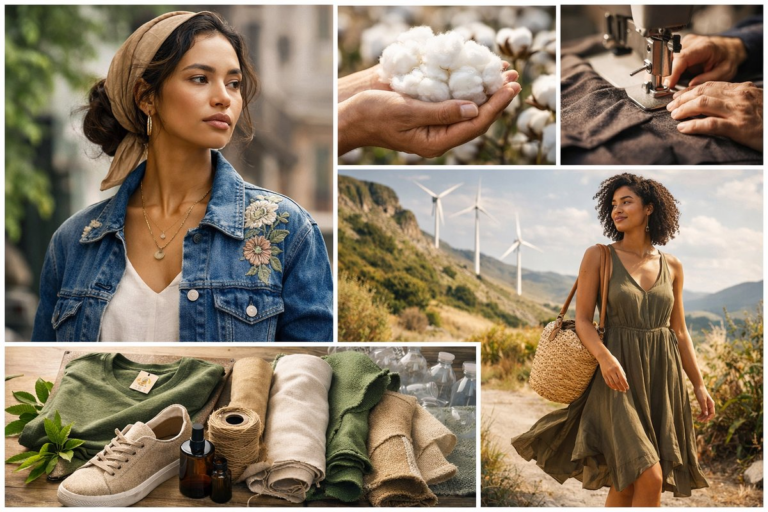
The environmental impact of fashion remains staggering, but the incremental shift toward localized, on-demand production shows promise. Wastewater from home dye projects is being neutralized naturally using composting microbes. Scrap yarn from digital knits is collected and spun into insulation material for eco-housing prototypes. What was once considered useless by-product is now recognized as a resource in a circular system.
For the end user, the benefits go beyond sustainability. Wearing a sweater that you designed, dyed and knit yourself creates a personal connection that no mass-produced label can match. Garments carry the memory of a creative weekend, conversations with fellow makers and the rhythms of hand-powered machines. The result is a wardrobe that evolves alongside the wearer’s values and skills.
Stepping back, this trend represents more than a shift in shopping habits-it’s a redefinition of what fashion can be. No longer confined to seasonal cycles and hierarchical designers, style is becoming collaborative, transparent and value-driven. In this new paradigm, privacy, sustainability and emotional intelligence are woven into every stitch.
As modular tools and artisanal techniques continue to converge, the question is not whether this movement will grow, but how it will integrate with existing systems. Will major retailers adopt open-source design hubs and local microfactories? Can policymakers support decentralized production without sacrificing quality and safety standards? And how will communities ensure that the digital divide does not leave anyone behind?
What is clear is that the next wave of fashion innovation won’t be dictated solely by glossy runways or celebrity endorsements. It will emerge from kitchen counters, community studios and virtual pattern exchanges-powered by people who believe that clothing can be both a personal narrative and a force for ecological repair. In that story, every loop knitted, every dye simmered and every token minted adds a new chapter to the evolving lexicon of sustainable style.