Location
Mount Vernon, WA 98274

Location
Mount Vernon, WA 98274
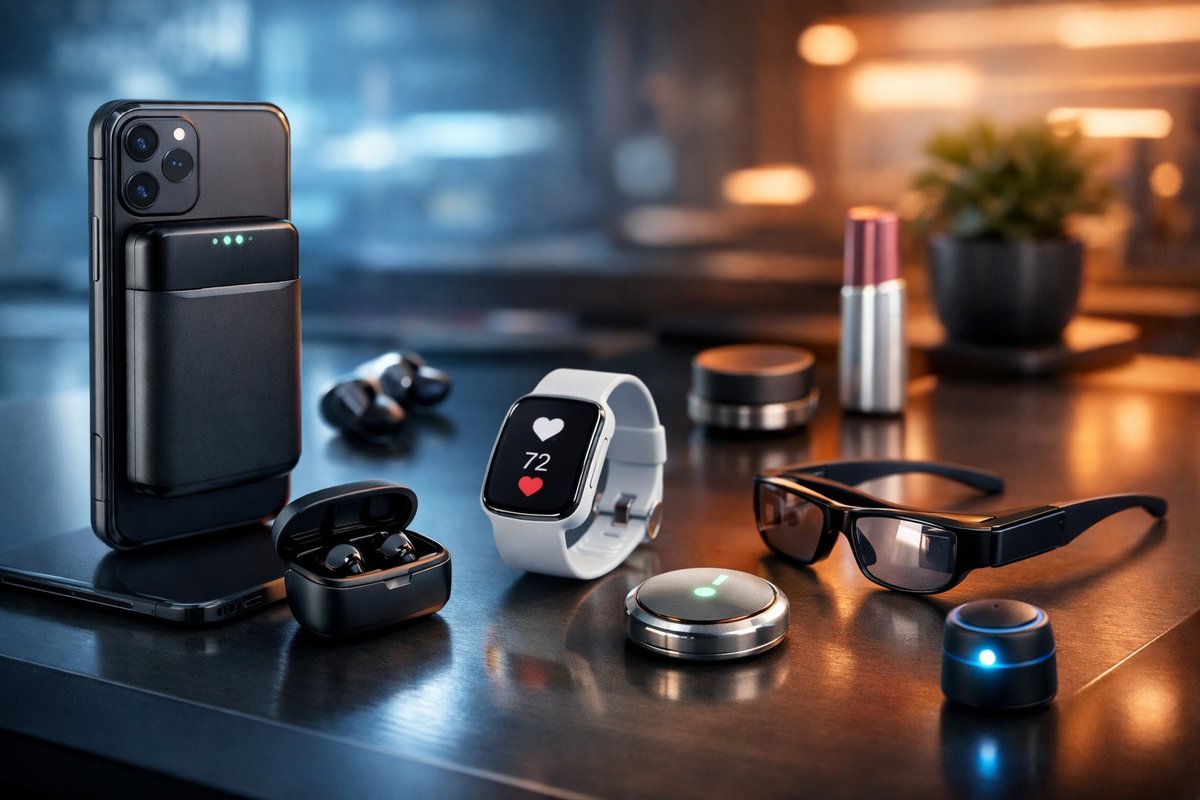
A wave of ultra-compact gadgets is quietly redefining how we interact with technology. From modular battery cases to wearable health sensors, ambient computing is moving from sci-fi prototypes into our pockets and purses.
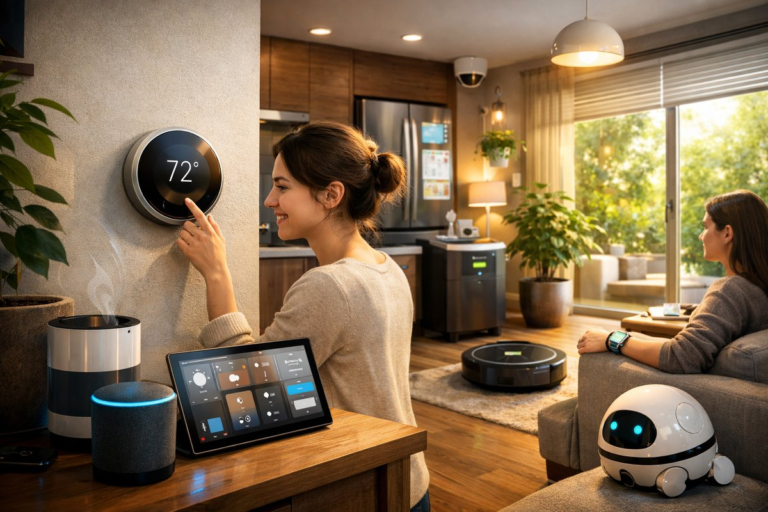
In an age when larger screens and more powerful processors often dominate headlines, a quieter revolution is unfolding in the realm of miniature, ambient gadgets. Recent trade shows and CES demonstrations have showcased pocket-sized devices that blur the line between tool and companion. These tiny innovators are designed to augment our daily lives with subtle intelligence rather than demanding our full attention.
Engineers and designers are refining ultra-compact form factors that can slip into a wallet, clip onto a backpack, or nestle alongside keys. Rather than touting raw specs, these gadgets focus on seamless connectivity, energy efficiency, and contextual awareness. A swappable battery pack can extend a smartphone’s runtime while doubling as a multipurpose power hub. A clip-on sensor module tracks posture, air quality, or UV exposure and delivers discreet haptic alerts. Even a microscopic projector can beam a shared whiteboard onto any flat surface in a crowded café.
Beyond mere novelty, these ambient devices emphasize sustainability by using recycled metals, low-power circuitry, and modular components that can be upgraded without discarding the entire unit. Photovoltaic skins or kinetic charging rings harvest stray energy throughout the day, prolonging battery life and reducing e-waste. Manufacturers are partnering with community recycling initiatives to refurbish returned modules and extract valuable materials through closed-loop programs.
Privacy remains a top concern as sensors proliferate. Designers are embedding local-first processing units that analyze raw data on-device, revealing only summary insights rather than raw recordings. This edge-computing approach keeps biometric or environmental data off cloud servers unless users opt in for remote analysis. Visual indicators and encrypted communication channels further safeguard personal information when these gadgets sync with smartphones or home-automation hubs.
In healthcare, ambient wearables are quietly supporting chronic condition management. Tiny glucose monitors, continuous heart-rate trackers, and posture coaches can clip under clothing, ring gently at key health thresholds, and send anonymized alerts to caregivers when anomalies arise. Meanwhile, educational tools like pocket-sized visualizers enable students to capture plant cells, geological samples, or fabric weaves in the field. Instant E-ink displays let learners jot observations on the spot, preserving raw insights in digital notebooks without draining precious battery.
Travelers benefit from multi-tool accessories that combine local navigation beacons, translation modules, and solar-charged hotspot devices. A scallop-shaped attachment can fold out into a micro projection screen, displaying language hints or train timetables on your palm. Bluetooth trackers integrated into luggage tags provide step-by-step location updates, replacing bulky tracking units with near-invisible chips.
For creative professionals, the appeal is equally strong. A pocket-sized audio recorder captures ambient soundscapes with high fidelity, while a compact pen-shaped stylus writes on any paper surface and transfers stroke data to a tablet in real time. Photographers are experimenting with attachable light meters no bigger than a car key that measure ambient lux levels and communicate with camera apps to suggest optimal settings. Even writers find value in distraction-free typing pads that sync text through minimal radio bursts.
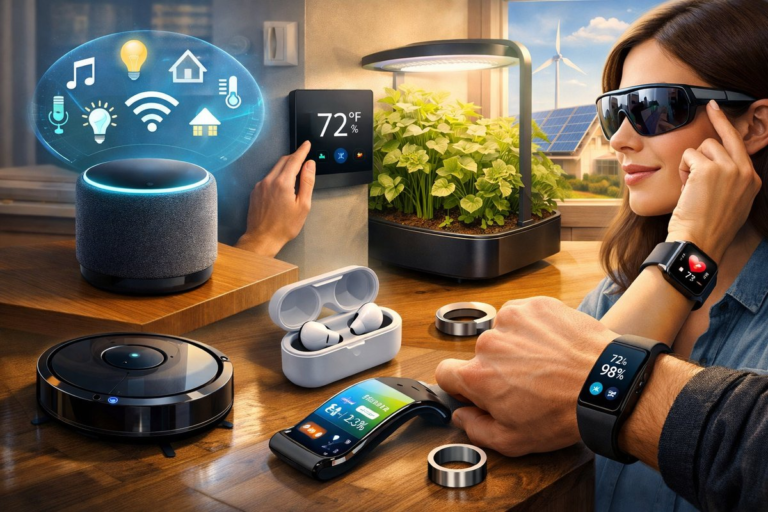
The integration of modular protocols is accelerating this mini-tech momentum. Standard magnetic rails allow third-party modules-ranging from ozone sensors to EKG patches-to snap onto a common base. Open source firmware ensures compatibility across brands, promoting a vibrant ecosystem where hobbyists can mix and match functionalities. Future updates will likely include AI co-processing modules that can set up new workflows on the fly-imagine a one-inch cube that joins your suite of wearables and learns your schedule, sending voice prompts through bone-conduction earbuds.
Yet challenges remain. Battery chemistry at this scale struggles to deliver high capacity without safety trade-offs. Wireless protocols must balance range, throughput, and power consumption against a backdrop of spectrum congestion. And manufacturers are still refining haptics that are perceptible without being intrusive. Governments and standards bodies are racing to define compliance rules for devices that straddle categories-are they medical instruments? Are they toys? Or do they occupy a new regulatory frontier altogether?
Consumer adoption hinges on intuitive design and transparent value propositions. Early demos impressed with novelty, but real-world usage requires reliability under daily wear and tear. Scratch-resistant coatings, waterproof seals, and robust connectors are nonnegotiable features for commuters, outdoor enthusiasts, and shift workers alike. Supply-chain audits are verifying that materials come from conflict-free sources and that assembly plants uphold fair labor standards.
Financially, many of these ambient gadgets start at entry-level price points, aiming to convert users into loyal module-collectors. Subscription services for advanced analytics or cloud sync remain optional, allowing privacy-focused buyers to stick with local-only modes. Retail channels are popping up in airport kiosks and coworking spaces, emphasizing on-the-go form factors that speak to frequent travelers and digital nomads.
Looking ahead, the convergence of nanomaterials, edge AI, and mesh networking promises an even more immersive ambient environment. Imagine street signs that broadcast localized safety alerts to your pocket beacon. Environments that calibrate lighting, temperature, and music based on aggregated micro-sensor data from nearby devices. All of this could unfold without a single large screen in sight.
What once seemed like science fiction-smart dust that knows your vitamin D levels, wearable scent diffusers that counteract city pollutants-now lives in miniature lab prototypes and crowdfunded campaigns. As these ambient pocket companions enter mass production, they’ll reshape expectations for personal technology. In the not-too-distant future, we’ll judge gadgets less by screen size and processor speed and more by how effortlessly they integrate into our routines, surfaces, and fabrics.
At the heart of this transition lies a ethos of curiosity and care. Designers and engineers are not chasing specs alone but seeking to craft objects that respect privacy, extend battery life, and tread lightly on the planet. From modular phone attachments to clip-on health monitors, the next wave of gadgets is destined to be small, sustainable, and subtly smart-quietly becoming indispensable without ever demanding the spotlight.