Location
Mount Vernon, WA 98274

Location
Mount Vernon, WA 98274
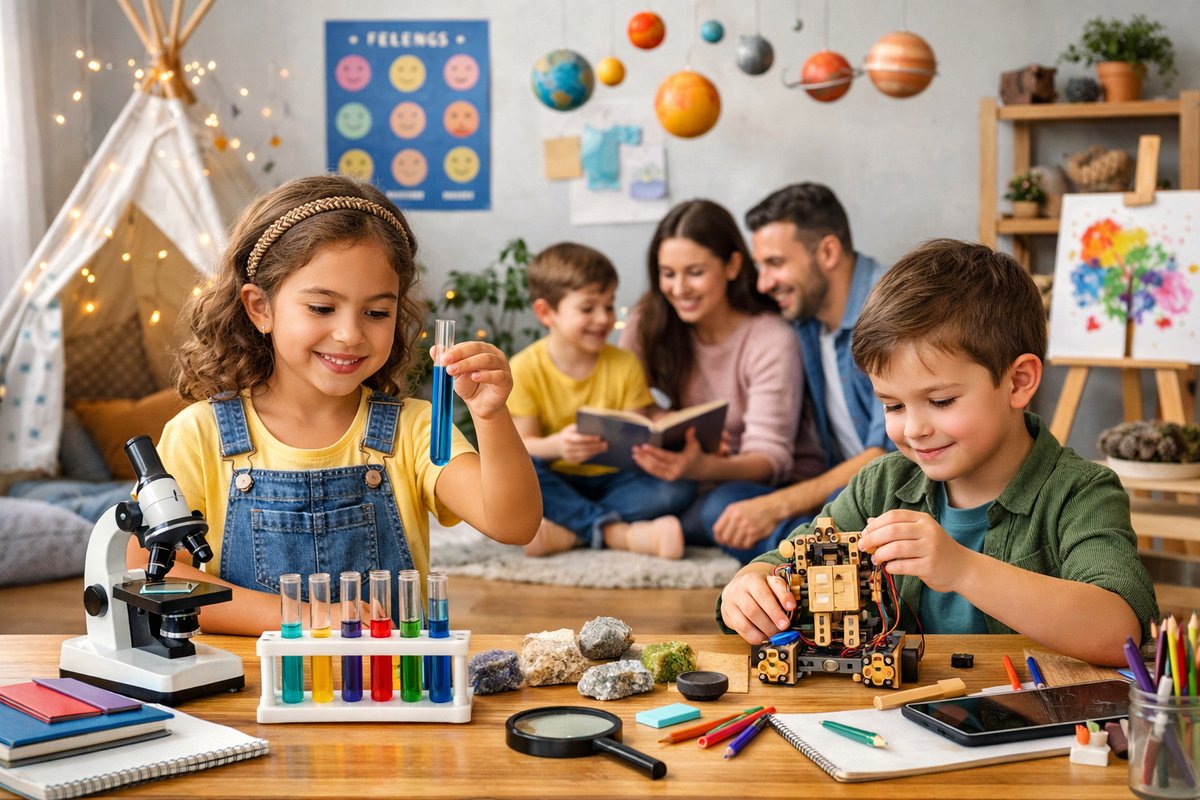
Modern parenting increasingly embraces a holistic approach to education, blending emotional intelligence with intellectual curiosity. Families are adopting innovative tools and methods that nurture children's agency, creativity, and emotional resilience, transforming learning into a joyful, meaningful experience.
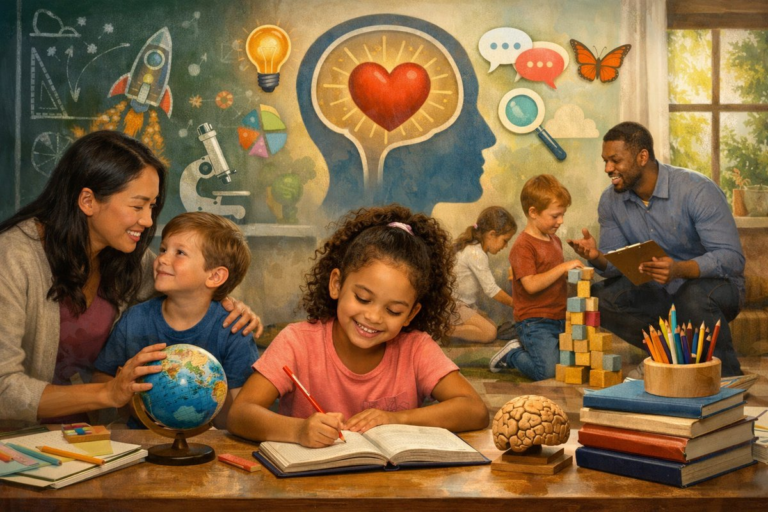
In recent years, the landscape of parenting and education has been evolving beyond traditional academic achievement to include a deeper focus on emotional well-being and curiosity-driven learning. This shift reflects a growing understanding that fostering a child’s emotional intelligence alongside their intellectual growth creates a more balanced and resilient individual. Parents today are not only caregivers but also facilitators of exploration, empathy, and self-awareness within the home environment.
At the heart of this transformation is the recognition that children learn best when they feel safe, valued, and empowered to ask questions. Emotional intelligence-defined as the ability to recognize, understand, and manage one’s own emotions and empathize with others-is increasingly seen as a vital skill for lifelong success. Research supports this view: studies have shown that children with strong emotional skills tend to perform better academically and develop healthier social relationships.
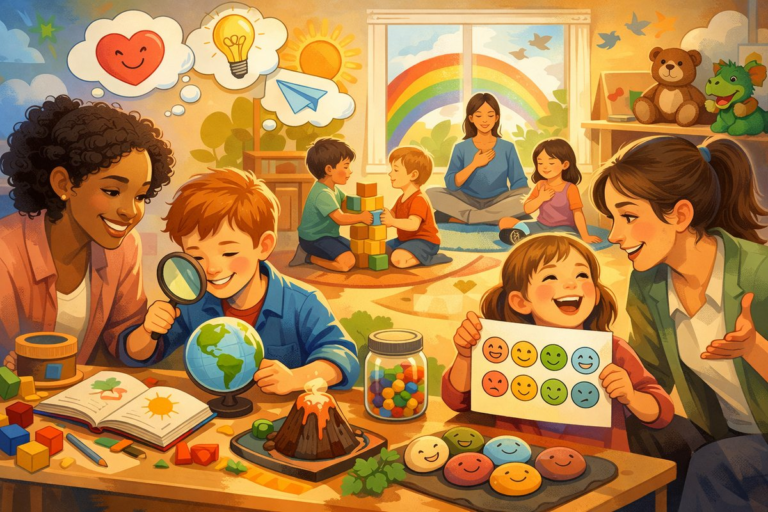
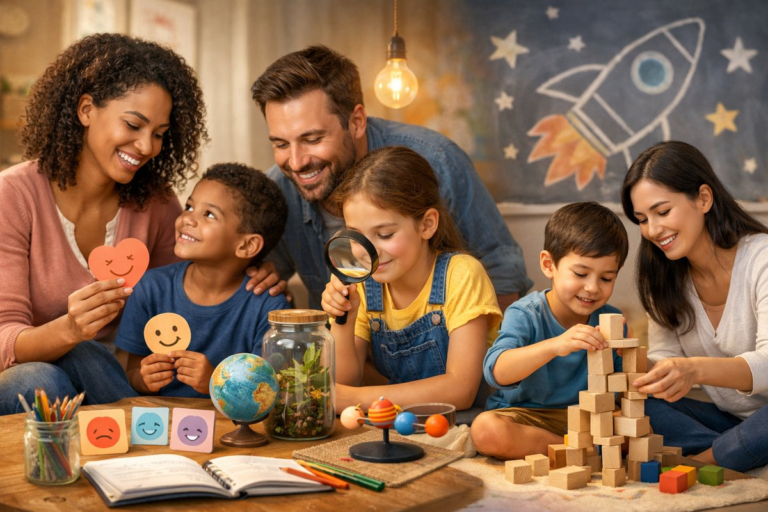
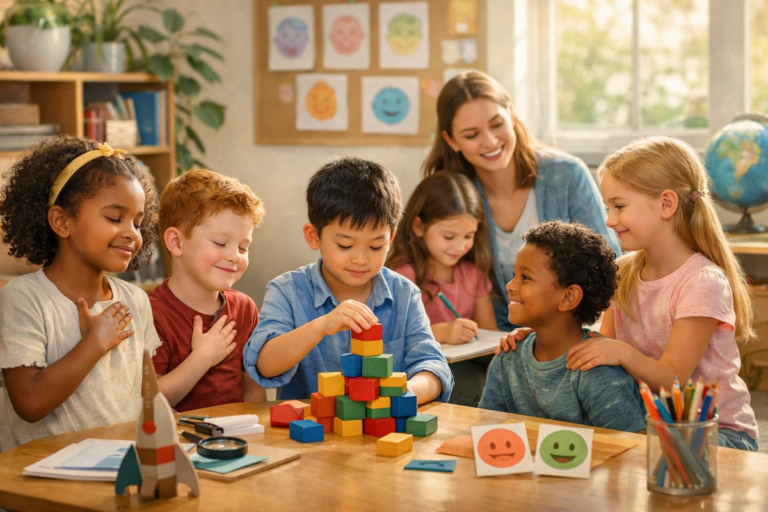
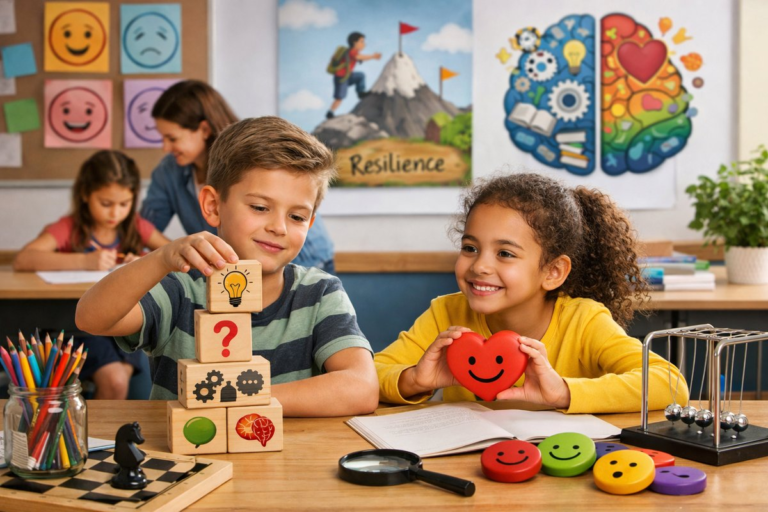
To support this holistic development, many parents are turning to educational tools and practices that integrate emotional learning with cognitive challenges. For instance, open-ended play materials, such as building blocks and creative art supplies, encourage children to experiment, problem-solve, and express themselves freely. These materials foster curiosity and critical thinking while allowing children to process emotions through creative outlets.
Moreover, storytelling and role-playing have become powerful methods for nurturing empathy and perspective-taking. Families use stories-whether read from books or created together-to explore complex feelings and social situations, helping children develop emotional vocabulary and conflict-resolution skills. This narrative approach transforms learning into a dynamic interaction where children feel heard and understood.
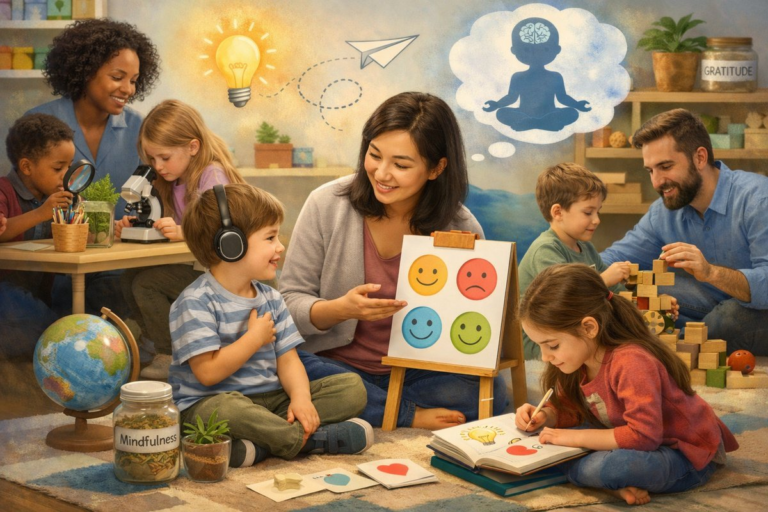
In parallel, parents are embracing mindfulness and emotional regulation techniques as part of daily routines. Simple practices like guided breathing exercises or quiet reflection moments help children build awareness of their internal states and develop coping strategies for stress or frustration. These skills not only improve emotional resilience but also enhance focus and engagement during academic activities.
Technology, when thoughtfully selected, can also play a supportive role. Educational apps and interactive games designed with emotional learning in mind provide children with opportunities to practice empathy, recognize emotions, and develop social skills in engaging, age-appropriate ways. However, parents are mindful to balance screen time with hands-on experiences and real-world interactions, preserving the richness of human connection.
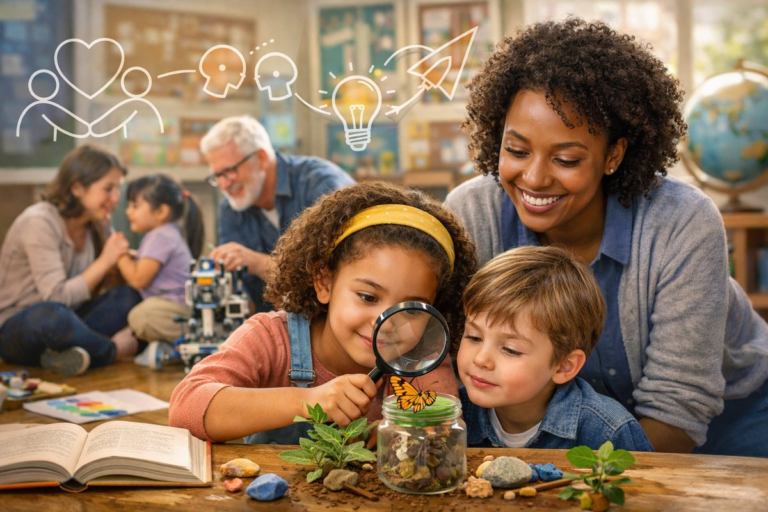
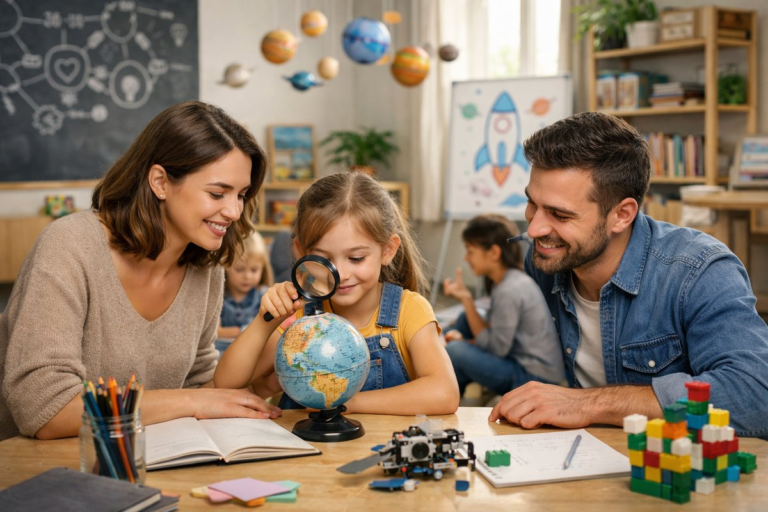
Another emerging trend is the creation of family learning labs or dedicated spaces at home that invite exploration and collaboration. These spaces often include a variety of sensory materials, puzzles, and science kits that spark curiosity and invite experimentation. By involving children in setting up and managing these spaces, parents promote a sense of agency and responsibility, reinforcing that learning is an active, joyful process.
The role of parents as emotional coaches is also gaining prominence. Rather than merely directing or correcting behavior, parents are encouraged to engage in empathetic dialogue, validating children’s feelings and guiding them toward constructive responses. This approach strengthens the parent-child bond and models healthy emotional expression.
Community connections further enrich this educational paradigm. Parents increasingly seek out workshops, support groups, and cooperative learning experiences that emphasize emotional intelligence and curiosity. These networks provide shared resources, encouragement, and collective wisdom, helping families navigate challenges and celebrate milestones together.
Importantly, this integrated approach to parenting and education respects each child’s unique temperament and interests. Instead of imposing rigid curricula, parents observe and respond to what naturally captivates their children, adapting learning experiences to nurture intrinsic motivation. This flexibility fosters lifelong learners who are curious, confident, and emotionally attuned.
As this movement grows, educators and policymakers are taking notice, advocating for school environments that mirror these values by incorporating social-emotional learning alongside academic standards. Such alignment between home and school supports consistency and reinforces the importance of whole-child development.
In essence, the modern parenting journey is marked by a commitment to raising thinkers who are not only knowledgeable but also compassionate and self-aware. By blending curiosity with emotional insight, families are crafting educational experiences that honor the full spectrum of human potential, setting the stage for thriving individuals and communities.