Location
Mount Vernon, WA 98274

Location
Mount Vernon, WA 98274
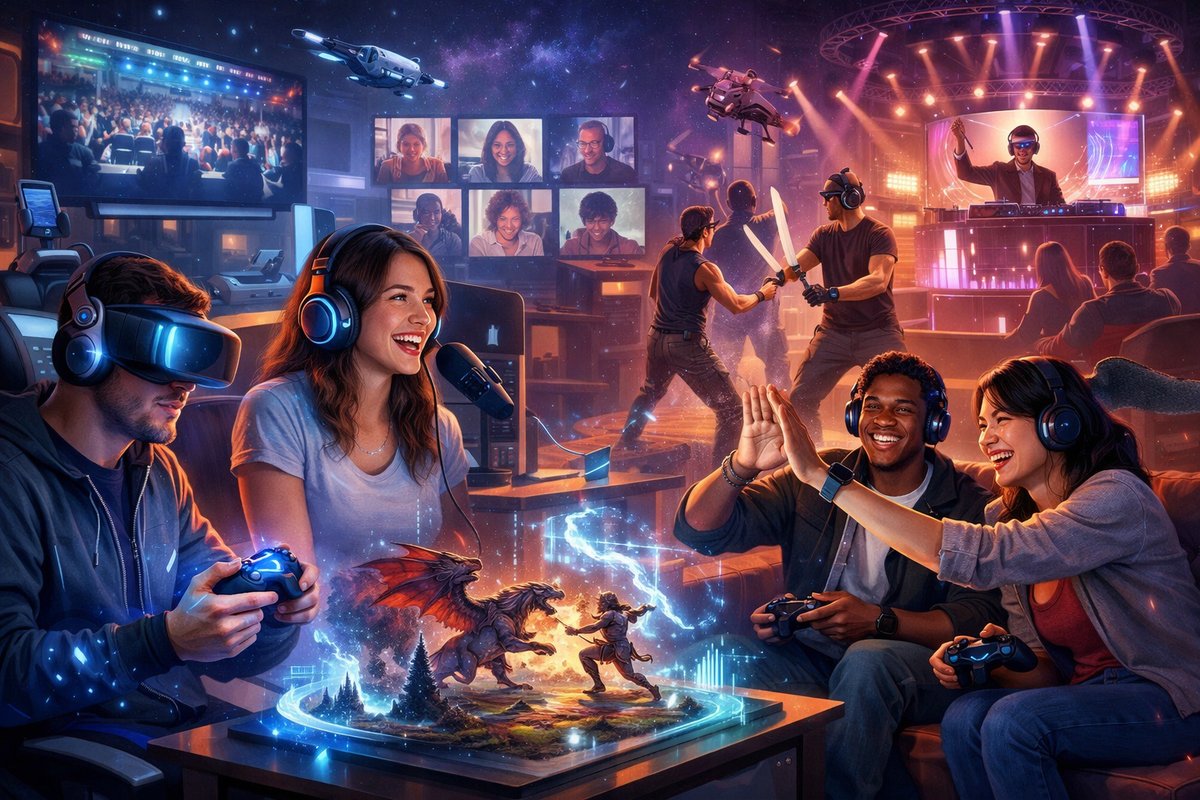
Gaming is evolving into a multisensory, socially connected experience that extends far beyond traditional play. By embracing adaptive technology and fostering vibrant player communities, the modern gaming landscape is reshaping how players engage, compete, and create together.
Gaming has long been a space for escapism and challenge, but today it is transforming into an expansive ecosystem where technology and community converge to create deeply immersive and emotionally resonant experiences. This shift is driven by advances in sensory technology, innovative social platforms, and a growing emphasis on player agency and inclusivity. As a result, the line between player and participant blurs, offering new avenues for connection and creativity that extend far beyond the console or PC.
At the forefront of this transformation are multisensory gaming experiences that engage players on multiple levels. Beyond stunning visuals and crisp audio, modern games increasingly incorporate haptic feedback, adaptive controllers, and environmental effects that stimulate touch and even smell in some experimental setups. These enhancements invite players to inhabit game worlds more fully, triggering emotional responses that enhance immersion and investment in narratives and challenges.
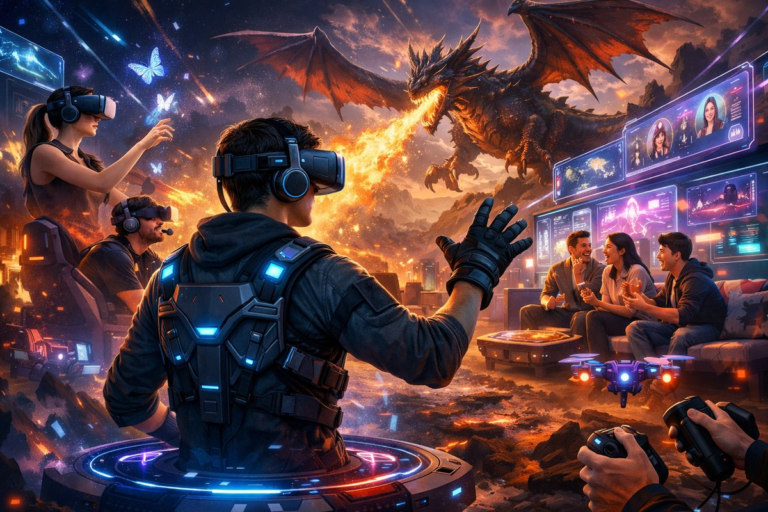
For example, haptic suits and controllers provide tactile sensations that correspond to in-game actions-such as feeling the recoil of a weapon or the rumble of an engine-turning passive observation into active sensation. Adaptive controllers tailored for accessibility enable a broader range of players to participate, making gaming more inclusive and responsive to diverse physical needs. These technologies not only improve gameplay but also cultivate empathy and understanding by allowing players to experience virtual environments through novel physical feedback.
Simultaneously, social innovation is redefining how players connect and collaborate. Online multiplayer games have evolved into complex social ecosystems with player-driven economies, in-game events, and creative spaces. Platforms now support user-generated content, enabling communities to shape the narrative and mechanics of games dynamically. This participatory culture fosters a sense of ownership and belonging, encouraging players to invest emotionally and creatively in their virtual worlds.
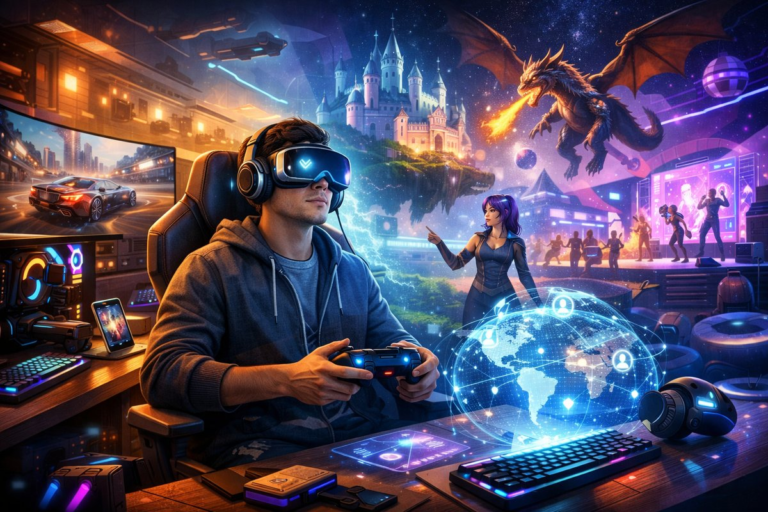
Communities centered around games are also leveraging emerging technologies such as virtual and augmented reality to deepen social bonds. VR chat rooms and augmented reality overlays allow players to interact in shared spaces that mimic real-world social cues and physical presence, overcoming the isolation often associated with online gaming. These developments highlight the growing importance of emotional intelligence in game design-crafting experiences that nurture empathy, cooperation, and positive social interaction.
The interplay between immersive tech and community-driven design is particularly evident in the rise of sandbox and open-world games that empower players to craft their own stories. These games serve as platforms for collaboration, competition, and creativity, with tools that allow players to build, modify, and share content seamlessly. The resulting ecosystems blur the boundaries between creators and consumers, emphasizing play as a form of cultural expression and collective storytelling.
This evolution also raises important questions about sustainability and ethical design in gaming. As players spend increasing amounts of time and emotional energy in virtual worlds, developers face the challenge of creating experiences that respect player privacy, promote mental well-being, and minimize environmental impact. Initiatives such as energy-efficient data centers, transparent data policies, and games designed to encourage healthy play habits reflect a growing awareness of these responsibilities.
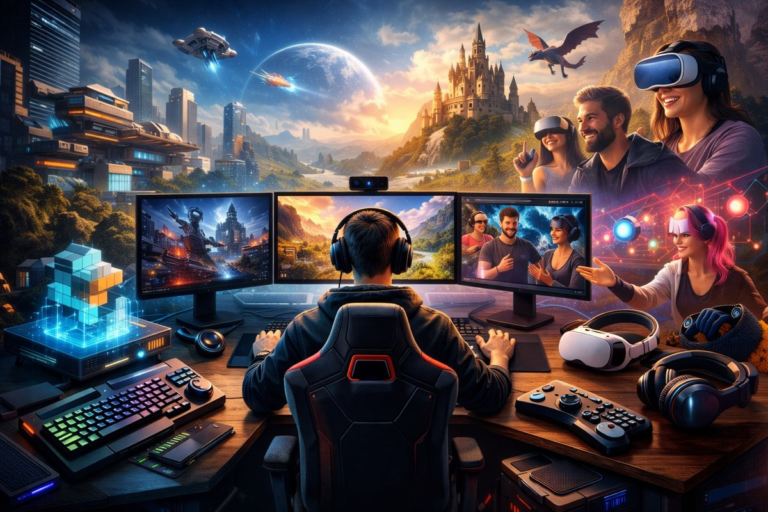
For those looking to enhance their own gaming setups and fully embrace this new era, integrating adaptive hardware and community-focused platforms is key. High-fidelity audio systems and haptic feedback devices enrich sensory engagement, while ergonomic and accessible controllers ensure comfort and inclusivity. Meanwhile, participating in community forums and creative hubs can deepen connection and unlock new dimensions of gameplay.
The future of gaming lies in the harmonious blend of technology and humanity-where immersive experiences invite players to feel, connect, and create in ways never before possible. As the boundaries of play expand, so too does the potential for games to inspire empathy, foster community, and serve as a powerful medium for storytelling and personal growth. Embracing this evolution means recognizing that play is not just entertainment; it is a serious, transformative business that shapes how we relate to ourselves and each other in an increasingly digital world.