Location
Mount Vernon, WA 98274

Location
Mount Vernon, WA 98274
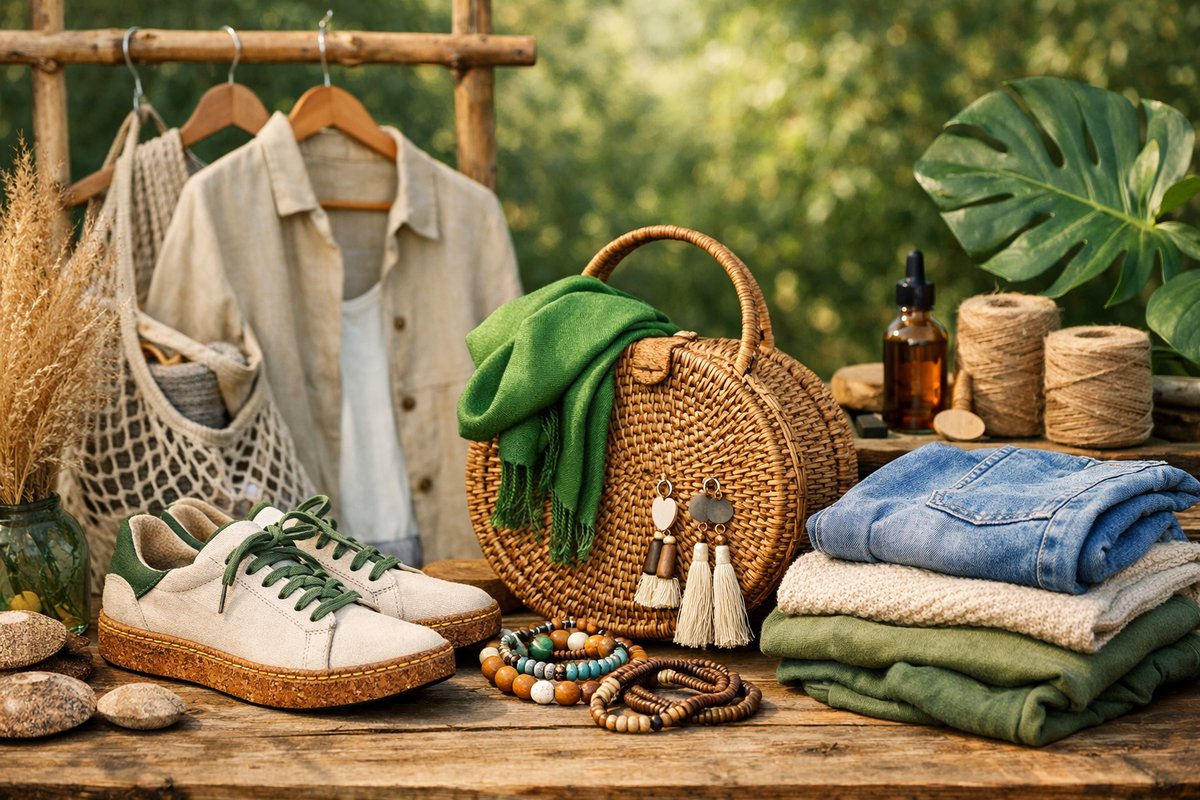
In a world increasingly conscious of environmental and social impact, sustainable fashion is emerging as a powerful movement where style meets ethics. This article explores how eco-friendly materials, mindful production, and bold accessories are transforming wardrobes into platforms for personal values and storytelling.
Fashion has long been a form of self-expression, a way to tell stories without words. Today, that story is evolving, intertwining style with sustainability and ethics. Consumers are no longer satisfied with merely looking good; they want their clothing and accessories to reflect deeper values such as environmental responsibility, fair labor practices, and a commitment to reducing waste.
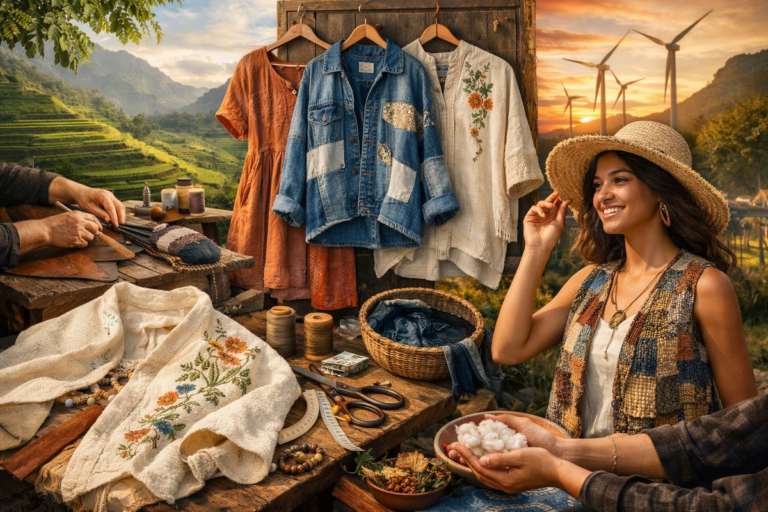
At the heart of this shift is the rise of sustainable materials. Natural fibers like organic cotton, hemp, and linen are gaining traction as alternatives to resource-intensive conventional fabrics. Organic cotton, for instance, uses less water and eliminates harmful pesticides, making it gentler on the planet and the people who cultivate it. Hemp, with its durability and minimal need for fertilizers, is another fiber that’s reshaping sustainable wardrobes. Linen, derived from flax plants, offers breathability and biodegradability, appealing to those who seek both comfort and eco-consciousness.
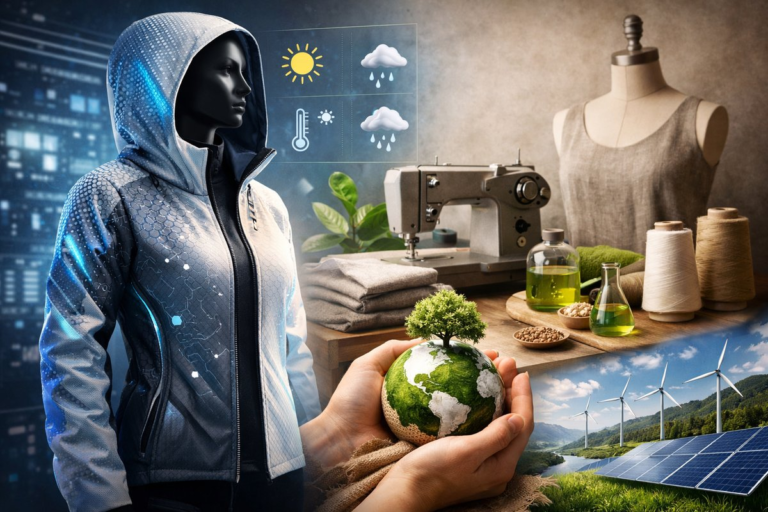
Beyond the fibers themselves, innovative materials are capturing attention. Recycled polyester, made from post-consumer plastic bottles, reduces landfill waste and lessens dependence on fossil fuels. Some brands are also experimenting with fabrics derived from food waste or fungal mycelium, pushing the boundaries of what sustainable fashion can be.
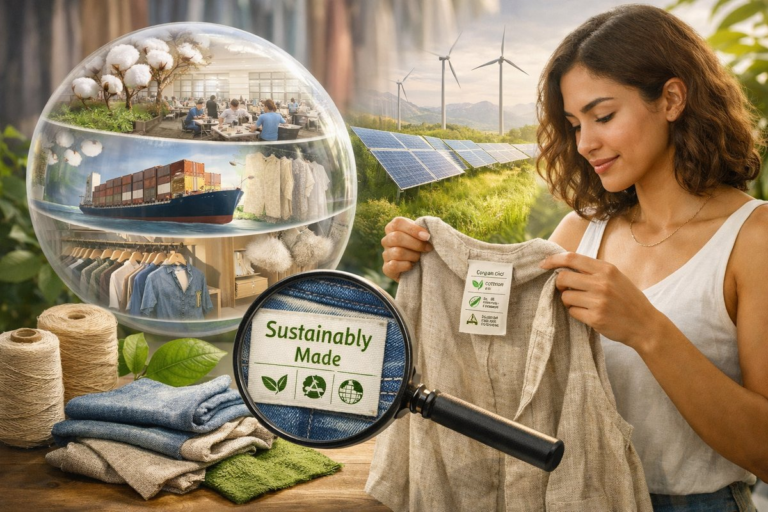
Production methods have become equally important. Transparent supply chains and ethical labor practices are now central to many brands’ identities. Consumers increasingly demand to know where their clothes come from, how workers are treated, and what environmental footprint is left behind. Certifications and audits help provide this assurance, but authentic storytelling from brands also plays a critical role in building trust.
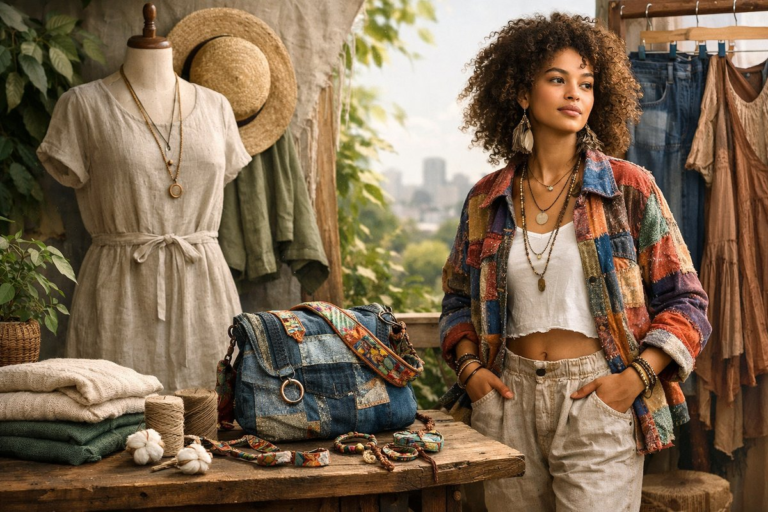
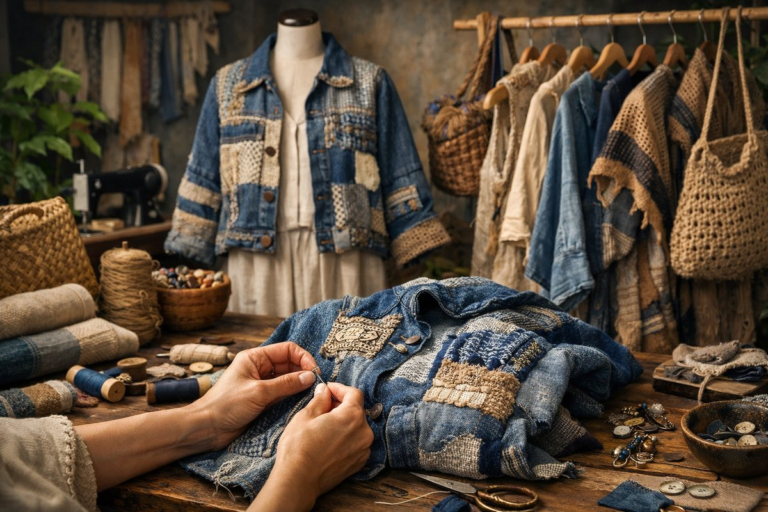
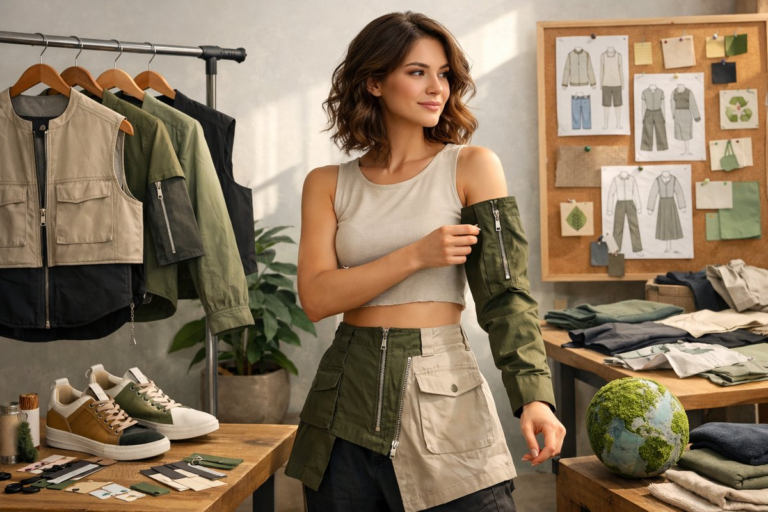
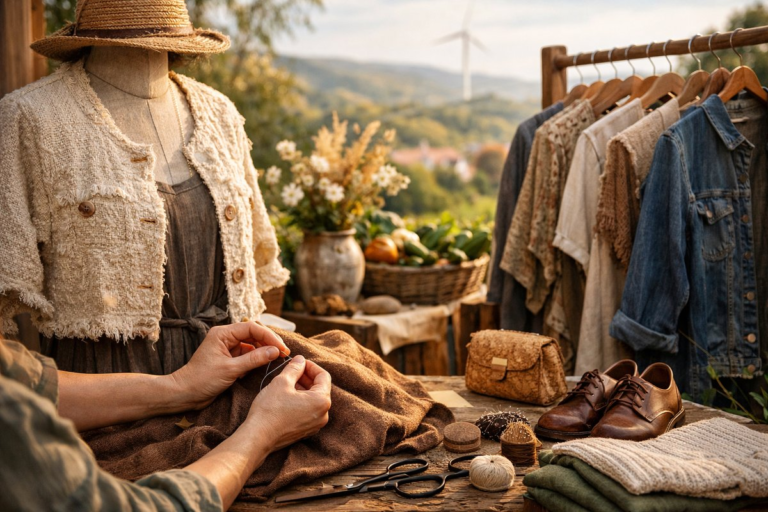
On the styling front, sustainable fashion encourages creativity and individuality. Vintage and upcycled pieces allow wearers to curate unique looks that defy fast fashion’s homogeneity. Bold accessories made from reclaimed or natural materials add personality and narrative depth to outfits. These elements invite wearers to express not just aesthetic preference but also a commitment to a more mindful lifestyle.
Another key aspect is durability. Sustainable fashion often emphasizes quality over quantity, encouraging consumers to invest in pieces designed to last rather than fleeting trends. This approach fosters a deeper connection to clothing, transforming garments into cherished items with stories to tell rather than disposable commodities.
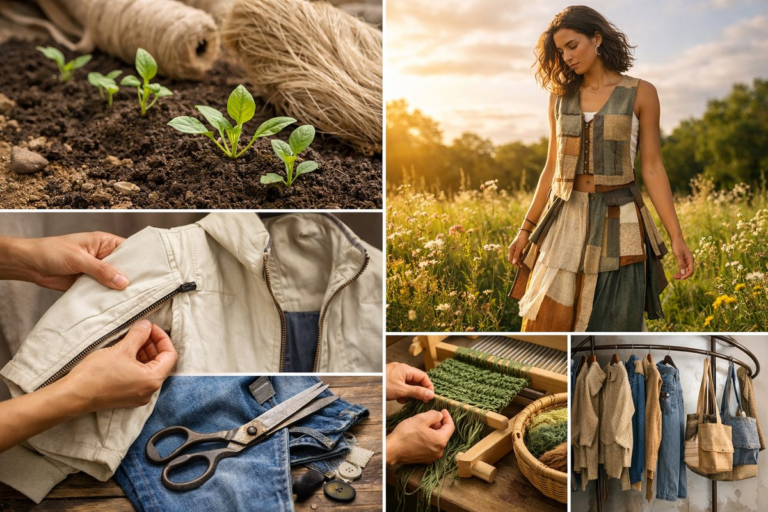
Community engagement also plays a role. Many sustainable fashion initiatives include educational programs, clothing swaps, and repair workshops that empower individuals to participate actively in reducing fashion’s environmental impact. These efforts build a sense of belonging and shared purpose around values-driven style.
The rise of digital platforms has amplified these conversations, enabling designers and consumers to connect globally over shared commitments. Social media showcases how sustainable fashion can be vibrant, exciting, and diverse, challenging outdated notions that eco-friendly clothing is dull or restrictive.
In embracing sustainable fashion, wearers are redefining what it means to dress well. It is no longer just about appearance but about authenticity, respect for the planet, and conscious choices that resonate beyond the wardrobe. This movement invites everyone to consider not just what they wear but why, turning fashion into a form of storytelling that honors both personal identity and collective responsibility.