Location
Mount Vernon, WA 98274

Location
Mount Vernon, WA 98274
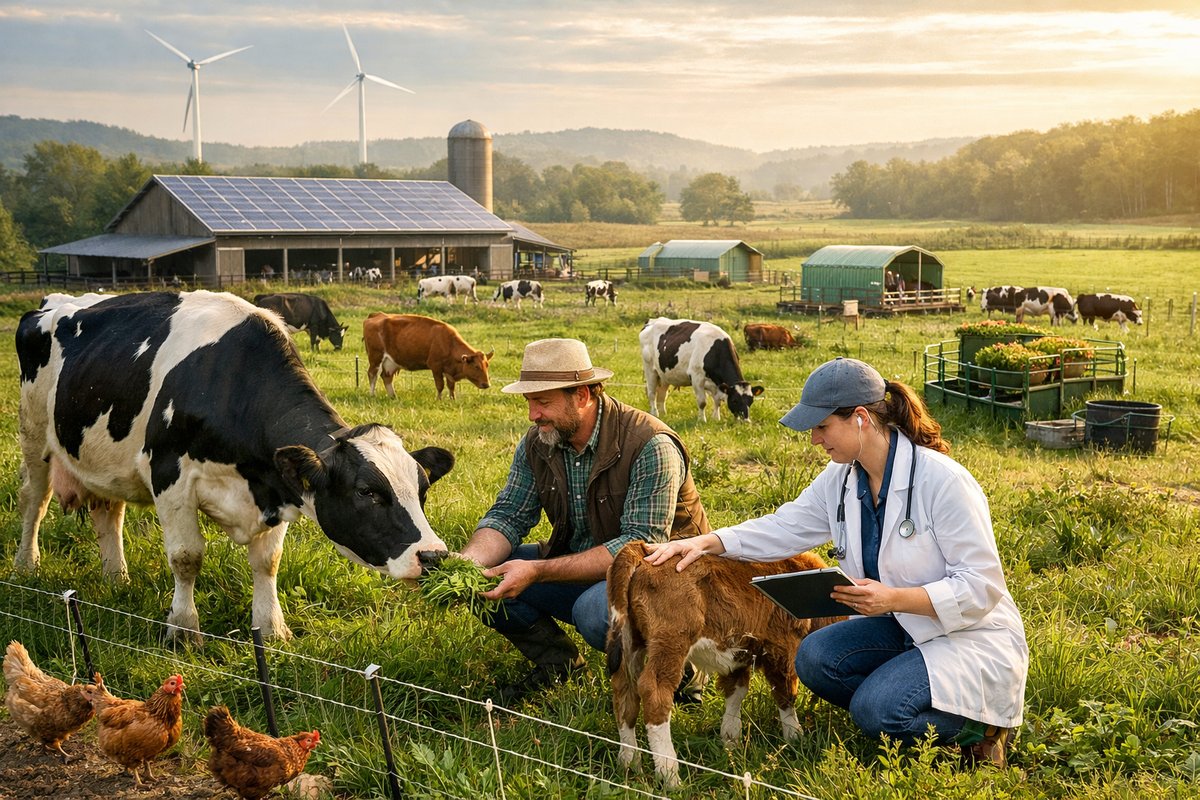
As sustainable farming gains momentum, innovative approaches to livestock care are transforming rural agriculture. From improved animal welfare techniques to eco-friendly feed and pasture management, farmers are adopting methods that benefit both the environment and their herds.
Sustainable farming and livestock care have become central themes in contemporary agriculture, driven by a growing awareness of environmental impact, animal welfare, and economic viability. Across diverse rural communities, farmers are integrating new technologies and age-old practices to create more resilient, ethical, and productive systems.
One of the pivotal shifts in livestock care is the emphasis on animal welfare that goes beyond regulatory compliance. Farmers are increasingly adopting low-stress handling techniques that reduce animal anxiety and injury. This approach not only improves the quality of life for the animals but also enhances productivity by minimizing stress-induced health issues. For example, the use of curved chutes and solid-sided handling facilities helps calm livestock during movement, a practice gaining traction worldwide.
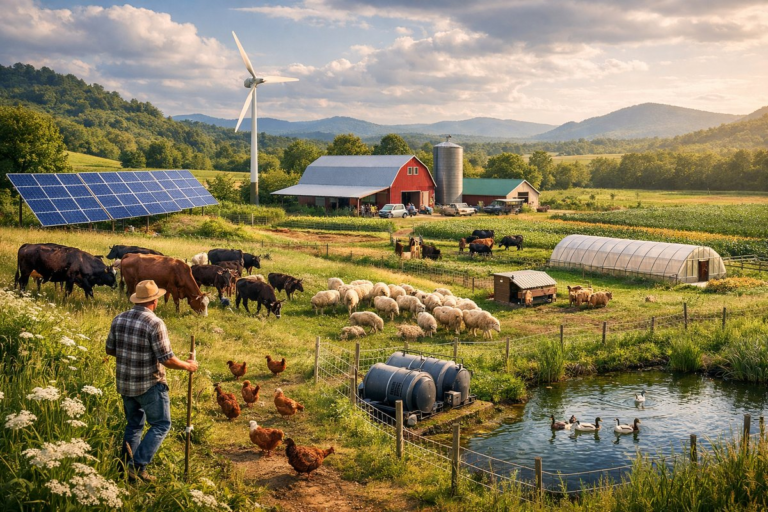
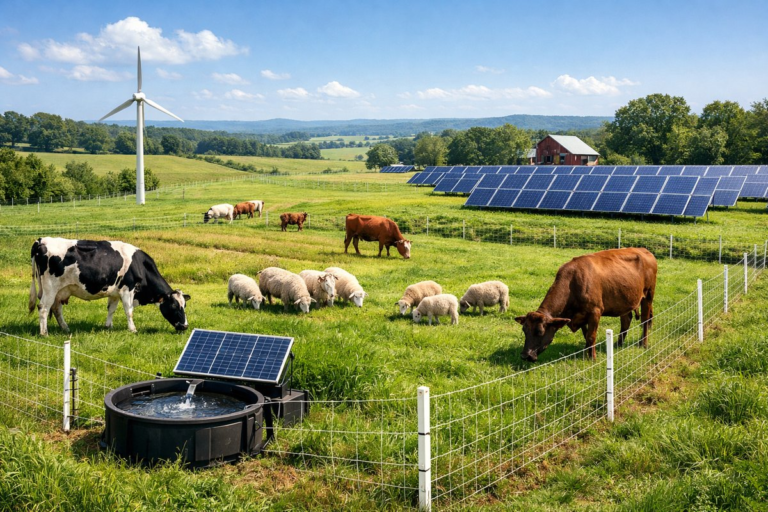
Pasture management is another critical component of sustainable livestock farming. Rotational grazing, where animals are systematically moved between pastures, allows grasslands to recover and maintain soil health. This method reduces the need for chemical fertilizers and prevents overgrazing, which can lead to erosion and loss of biodiversity. Additionally, integrating diverse forage species in pastures supports better nutrition for animals and promotes a balanced ecosystem.
Nutrition plays a vital role in livestock health and environmental sustainability. Advances in feed formulation now include the incorporation of locally sourced, organic feedstuffs and supplements that improve digestion and reduce methane emissions. Some farmers are experimenting with feed additives like seaweed extracts, which have shown promise in lowering greenhouse gases produced by ruminants. This intersection of animal nutrition and climate-conscious farming represents a frontier for ongoing research and practical application.
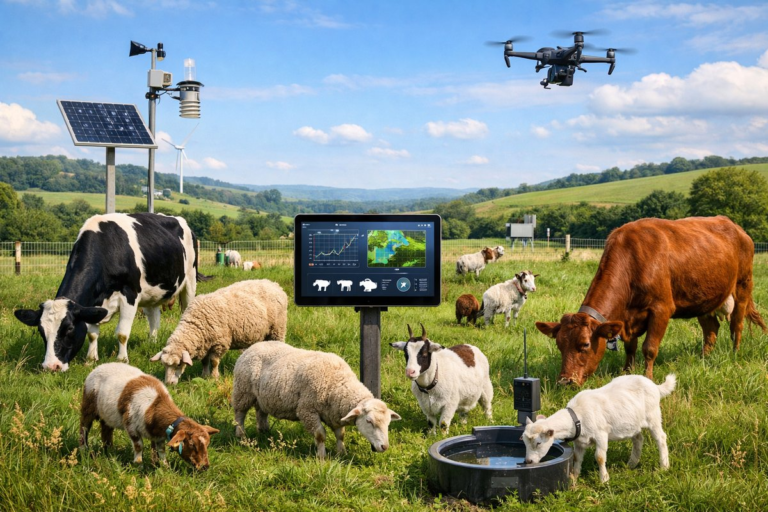
Water management is equally crucial in sustainable livestock operations. Efficient watering systems, such as automatic waterers with filtration, ensure animals have constant access to clean water while minimizing waste. Proper drainage and runoff controls prevent contamination of nearby water bodies, protecting aquatic ecosystems from nutrient overload.
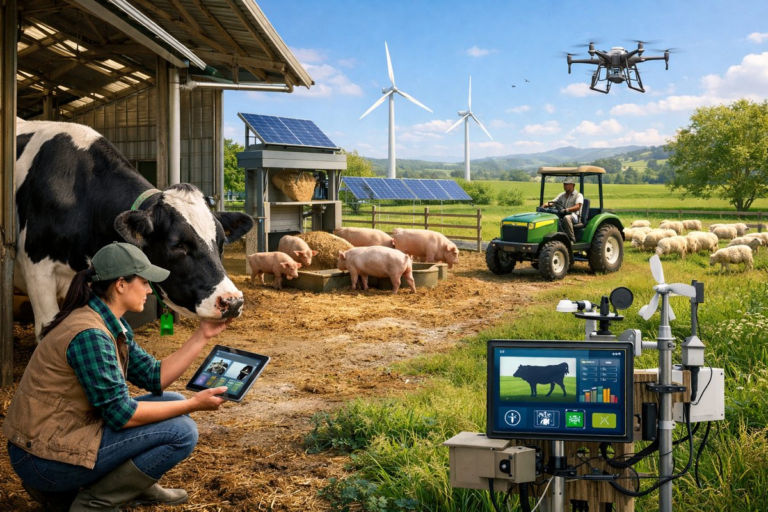
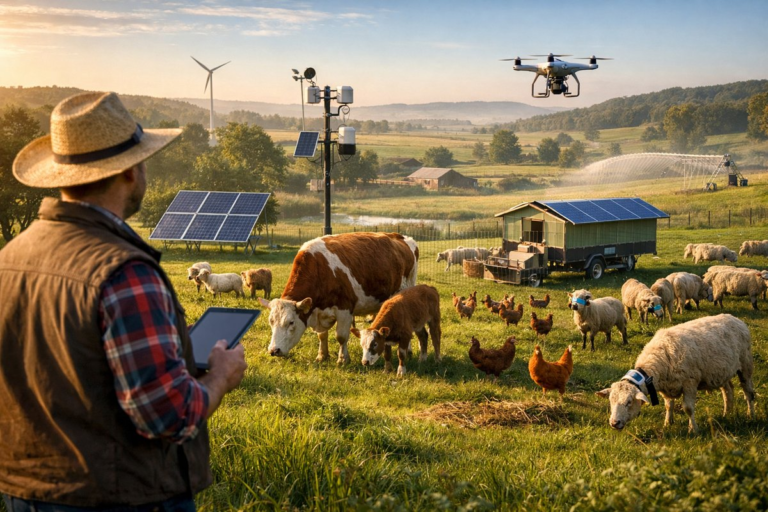
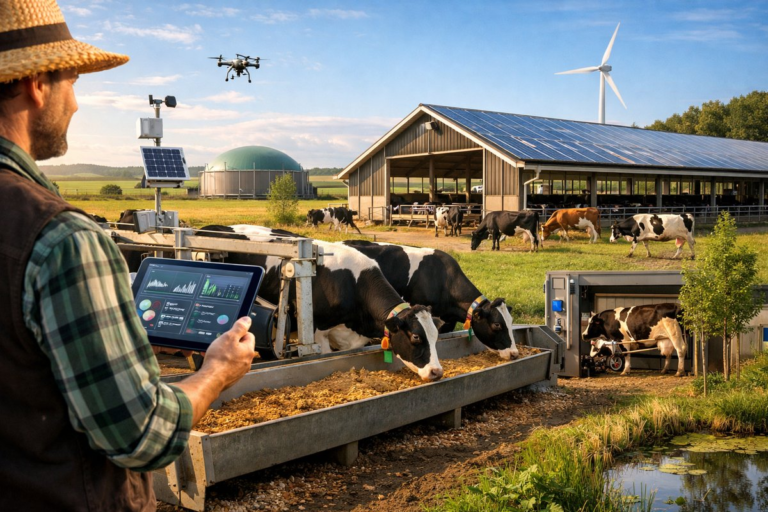
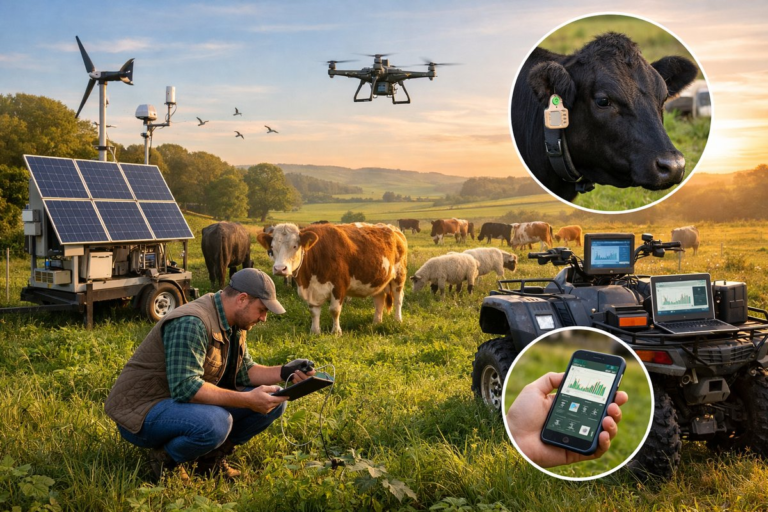
Technological innovations are also reshaping how farmers monitor and care for their livestock. Wearable sensors and smart collars can track vital signs, activity levels, and reproductive cycles in real time. This data-driven approach allows for early detection of illness and more precise herd management, reducing the need for antibiotics and improving overall herd health.
Beyond technology, community-driven initiatives and education are vital for spreading sustainable livestock practices. Workshops, cooperative extension services, and farmer networks facilitate knowledge exchange and support adoption of best practices tailored to local conditions.
Challenges remain, including balancing economic pressures with sustainable goals and adapting to climate variability. However, the convergence of tradition, science, and innovation in farm and livestock care offers a hopeful path forward. By prioritizing animal welfare, environmental stewardship, and economic resilience, farmers contribute to a more sustainable food system that benefits producers, consumers, and the planet alike.