Location
Mount Vernon, WA 98274

Location
Mount Vernon, WA 98274
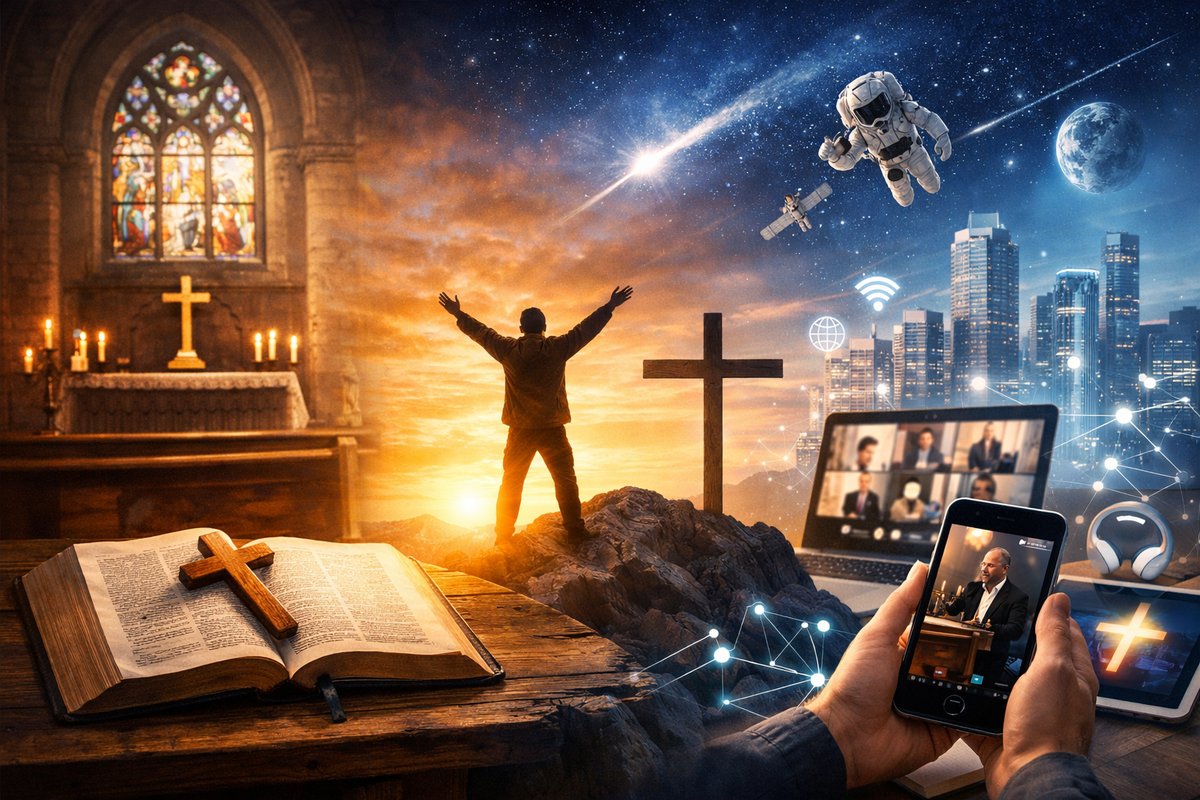
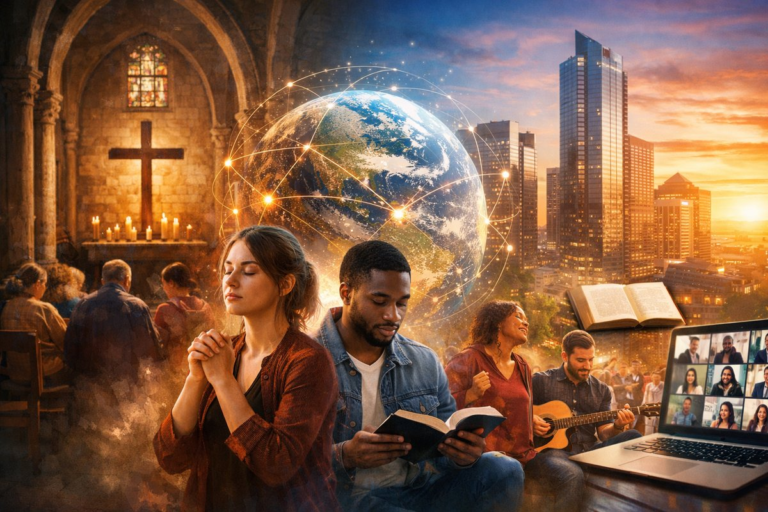
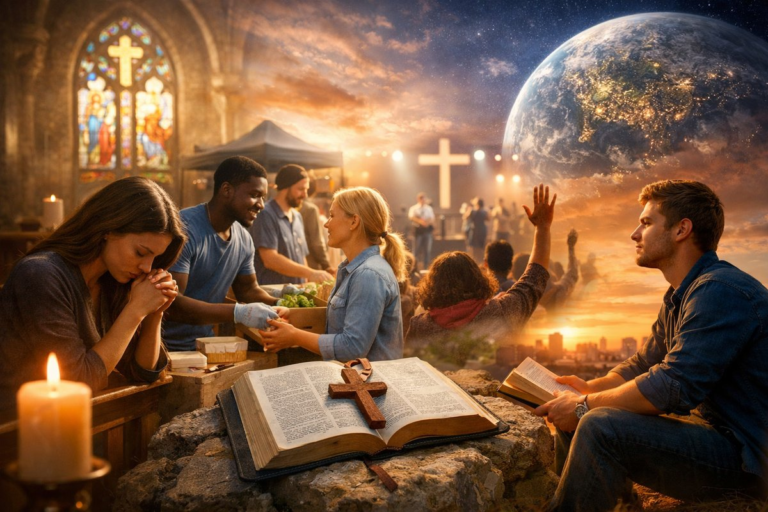
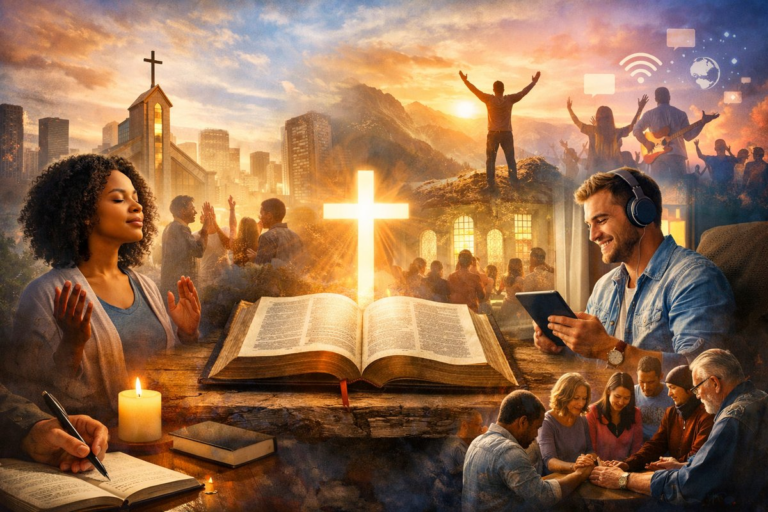
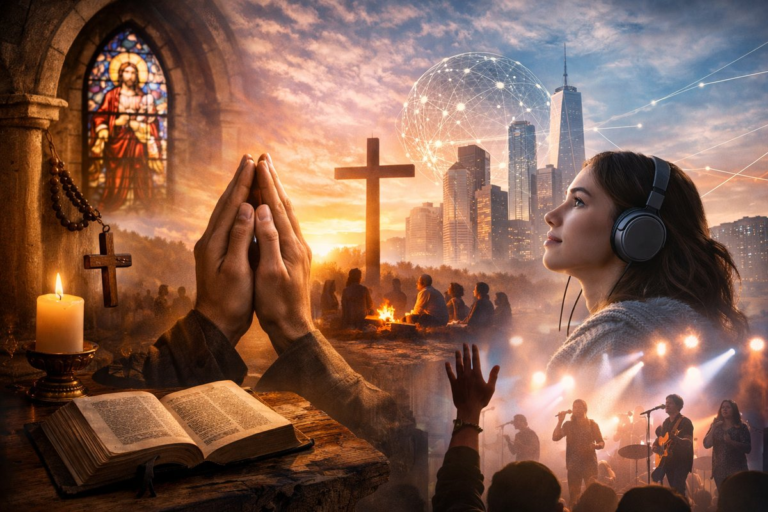
Christianity today is marked by a dynamic interplay of tradition and innovation, as believers seek to live out their faith amid cultural shifts and technological advances. This evolving landscape invites reflection on how spiritual practice adapts, endures, and offers meaning in an increasingly complex world.
Christianity, one of the world’s oldest and most widespread faith traditions, continues to evolve as it encounters the complexities of modern life. Far from being static, contemporary Christian practice reflects a vibrant mosaic of personal experience, theological reflection, and communal engagement. This ongoing transformation is shaped by the tensions and opportunities presented by globalization, digital culture, and shifting societal values.
At the heart of this evolution is a renewed emphasis on authenticity and personal connection. Many believers today seek a faith that resonates deeply with their lived realities rather than one confined to inherited dogma or institutional structures. This has led to a flourishing of diverse expressions-ranging from contemplative prayer and social justice activism to creative worship and interfaith dialogue. The desire to find meaning in daily life has propelled Christians to explore how ancient teachings can inform responses to contemporary challenges such as environmental stewardship, mental health, and social inequality.
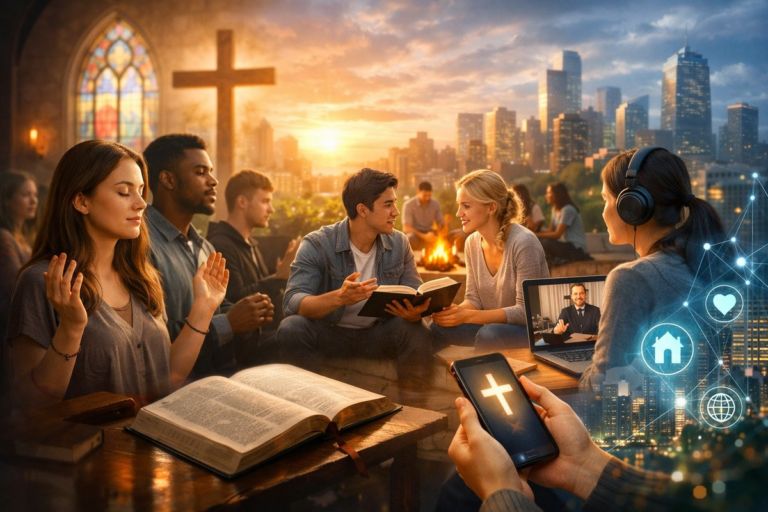
Technology has played a dual role in shaping Christian engagement. On one hand, digital platforms have democratized access to scripture, sermons, and theological resources, enabling individuals to explore faith on their own terms. Online communities provide spaces for sharing testimonies, questions, and encouragement, fostering a sense of belonging beyond geographic boundaries. On the other hand, the rapid pace and fragmented attention of digital culture can challenge the contemplative and communal rhythms traditionally associated with Christian spirituality. Balancing these forces requires intentional practices that cultivate stillness, discernment, and genuine relational depth.
Theologically, contemporary Christianity grapples with questions of identity and inclusivity. Many communities are reexamining doctrines and liturgies to embrace a broader spectrum of experiences and backgrounds. This includes increased awareness of gender and racial justice, as well as openness to diverse interpretations of scripture. Such developments reflect a commitment to embodying the core Christian values of love, compassion, and reconciliation in tangible ways.
Moreover, the intersection of faith and public life remains a vibrant arena for reflection and action. Christians are engaging with political and social issues in nuanced ways that transcend simplistic binaries. The call to serve the marginalized and advocate for peace motivates many to participate in grassroots initiatives, interfaith partnerships, and ethical consumerism. These efforts illustrate how faith can inspire active citizenship rooted in hope and humility.
Despite these dynamic shifts, the enduring rhythms of Christian life-such as communal worship, sacraments, and spiritual disciplines-continue to anchor believers. These practices provide a countercultural witness to values of patience, gratitude, and transcendence amid the noise of modernity. They invite participants into a deeper awareness of mystery and interconnectedness, nurturing resilience and renewal.
In sum, contemporary Christianity is not a monolith but a tapestry woven from diverse threads of tradition, innovation, and lived experience. Its vitality lies in the ongoing dialogue between ancient wisdom and present realities, inviting each generation to rediscover faith as a source of meaning, courage, and transformation in a rapidly changing world.