Location
Mount Vernon, WA 98274

Location
Mount Vernon, WA 98274
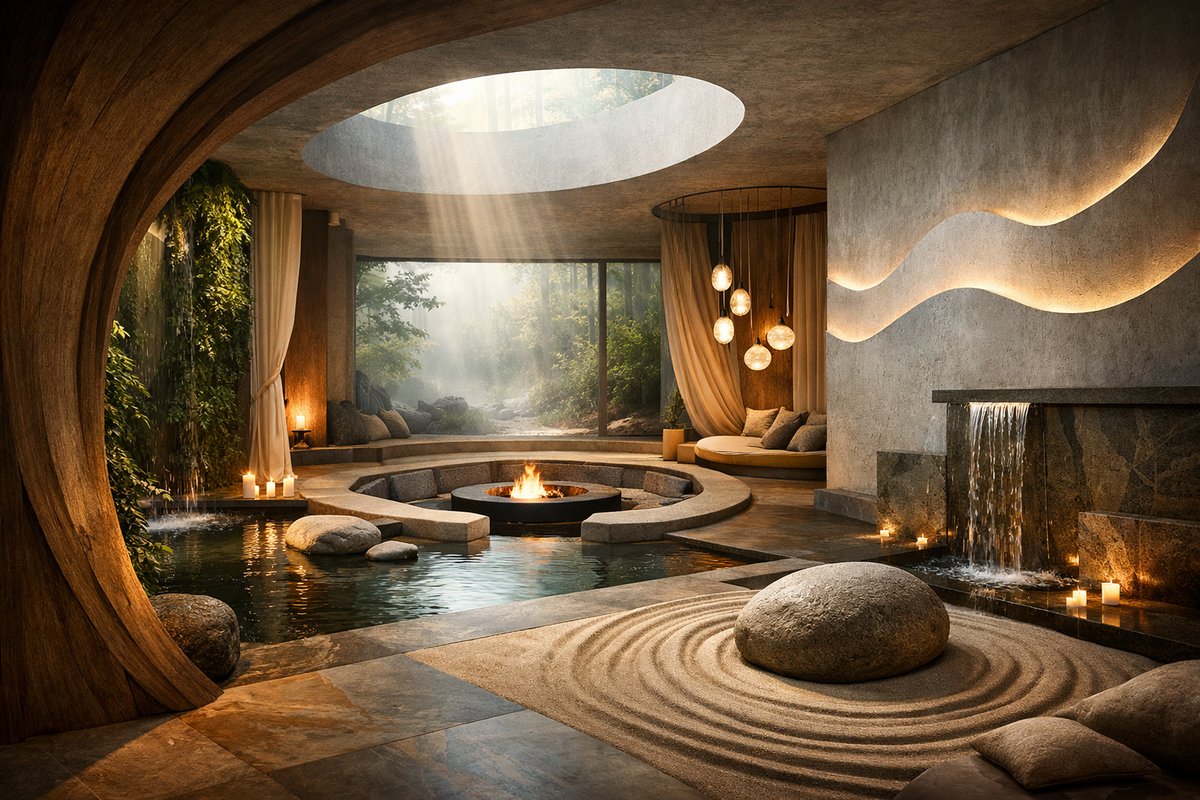
As design transcends mere aesthetics, a new movement known as Emotional Architecture is reshaping how spaces connect with human feelings. This emerging approach blends sensory engagement, psychological insights, and innovative materials to create environments that resonate on a deeply personal level.
In recent years, the field of art and design has witnessed a compelling shift away from purely visual considerations toward a holistic embrace of emotional experience. This evolution is embodied in what is increasingly called Emotional Architecture-a discipline that seeks to craft spaces and objects that engage not just the eyes but the entire spectrum of human senses and emotions. Far from traditional architectural endeavors focused primarily on function and form, Emotional Architecture prioritizes the psychological and sensory impacts that design exerts on individuals.
At its core, Emotional Architecture reflects a broader cultural curiosity about the intersections between environment and human well-being. Architects and designers are now collaborating with neuroscientists, psychologists, and material scientists to explore how colors, textures, lighting, and spatial arrangements can influence mood, memory, and behavior. This multidisciplinary approach underscores the growing recognition that our built environment is not a passive backdrop but an active participant in shaping our emotional landscape.
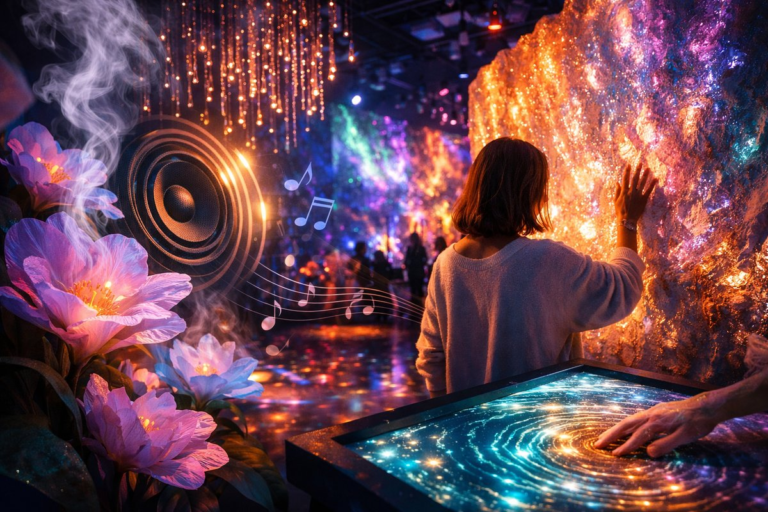
One of the key innovations fueling this trend is the use of smart materials that respond dynamically to environmental stimuli or human interaction. For example, photochromic surfaces that change color with sunlight or thermochromic materials that shift hues in response to temperature invite occupants into a dialogue with their surroundings. Such interactivity fosters a sense of connection and presence, deepening the emotional engagement beyond static structures.
Lighting design also plays a pivotal role. Beyond illumination, lighting is harnessed to simulate circadian rhythms, evoke memories, or create immersive atmospheres. Recent projects have incorporated tunable LED systems that subtly alter light color and intensity to mirror natural cycles, helping to regulate mood and promote well-being. This nuanced manipulation of light exemplifies how technology and empathy converge to enhance human experience.
Sensory textures and materials further enrich Emotional Architecture. Designers are rediscovering the power of tactile surfaces-soft fabrics, natural woods, or rough-hewn stone-to evoke comfort, warmth, or grounding sensations. This tactile emphasis responds to a contemporary craving for authenticity and tangible connection amid a digitally saturated world. The resurgence of handcrafted elements within modern design practices reveals a longing to reconcile technological innovation with artisanal tradition.
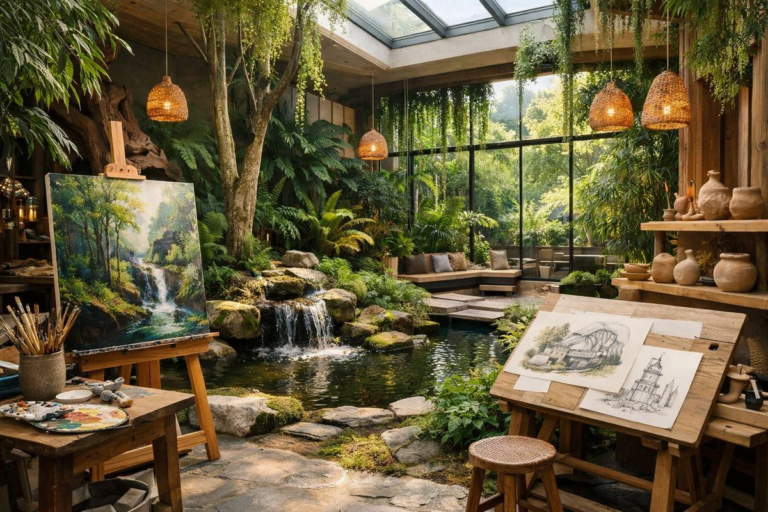
Spatial configurations themselves are being rethought to accommodate emotional flow. Instead of rigid, compartmentalized layouts, designers are favoring fluid, adaptable spaces that encourage movement, social interaction, and introspection. Biophilic design principles-integrating natural elements like plants, water features, and organic forms-are also integral to this paradigm, fostering calmness and restorative experiences.
Cultural context and personal narratives are increasingly embedded within design concepts, allowing spaces to tell stories that resonate with diverse identities and histories. Community-driven projects exemplify this trend, where participatory design processes empower users to shape environments that reflect collective memory and aspirations. Such inclusivity challenges the notion of design as a top-down imposition and repositions it as a shared, dynamic process.
The implications of Emotional Architecture extend beyond residential and commercial buildings into public spaces, healthcare environments, and educational settings. Hospitals are adopting design strategies that reduce stress and promote healing through natural light, soothing colors, and quiet zones. Schools utilize spatial arrangements that support focus, creativity, and social bonding. Public parks and plazas increasingly incorporate sensory gardens and interactive installations that invite playful engagement and reflection.
Critically, the rise of Emotional Architecture prompts reflection on sustainability-not only in ecological terms but also in fostering enduring human connections with place. By designing environments that nurture emotional well-being, architects and designers contribute to building communities that are resilient, empathetic, and vibrant. This holistic vision aligns with a growing global emphasis on mental health and social cohesion.
Yet challenges remain. The subjective nature of emotional response complicates universal design prescriptions. Balancing technological innovation with accessibility and affordability is an ongoing concern. Ethical considerations arise around the potential manipulation of emotions through design, necessitating transparency and user empowerment.
Looking ahead, the integration of artificial intelligence and augmented reality promises to expand the horizons of Emotional Architecture. Imagine spaces that intuitively adapt to occupants’ moods or virtual overlays that enrich physical environments with personalized narratives. These possibilities invite us to rethink the boundaries between the real and the imagined, the built and the experienced.
In this evolving landscape, Emotional Architecture stands as a testament to the enduring human desire to find meaning, comfort, and connection through the spaces we inhabit. It challenges creators and users alike to engage with design not just as a visual or functional endeavor but as a profound dialogue between environment and emotion-where every surface, light, and texture contributes to the poetry of place.