Location
Mount Vernon, WA 98274

Location
Mount Vernon, WA 98274
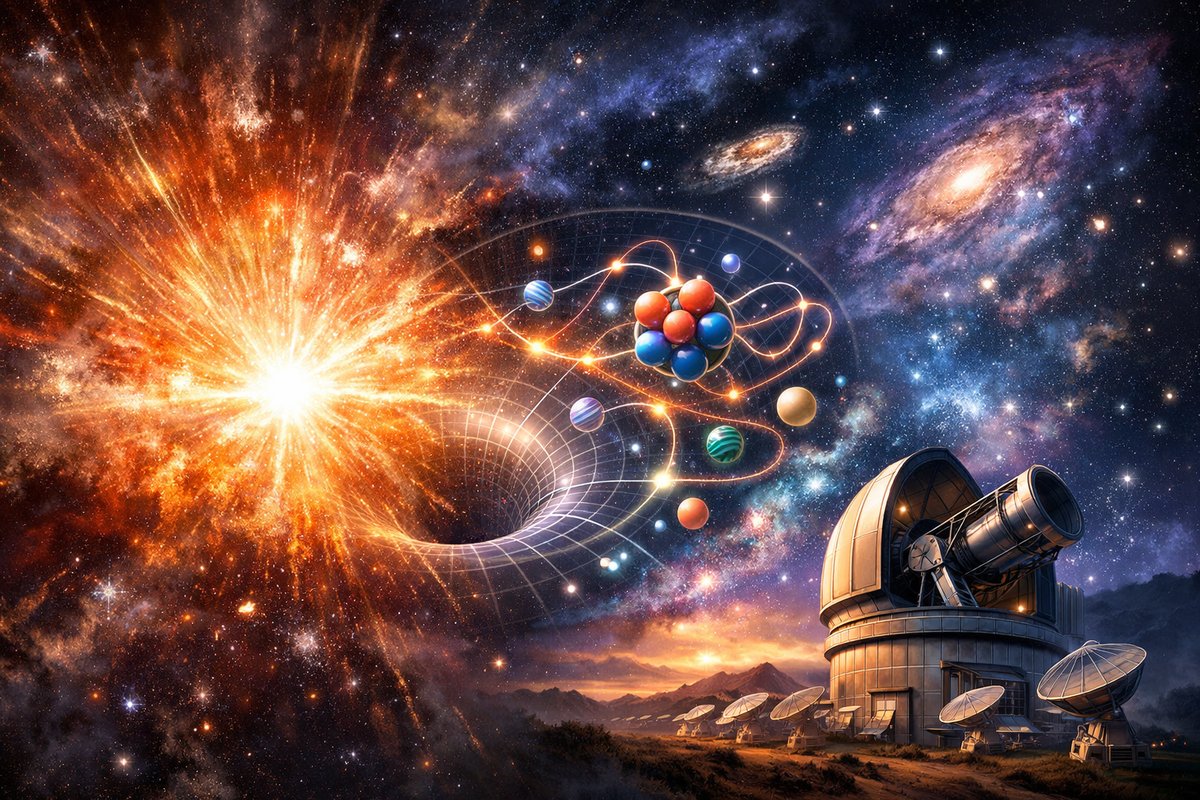
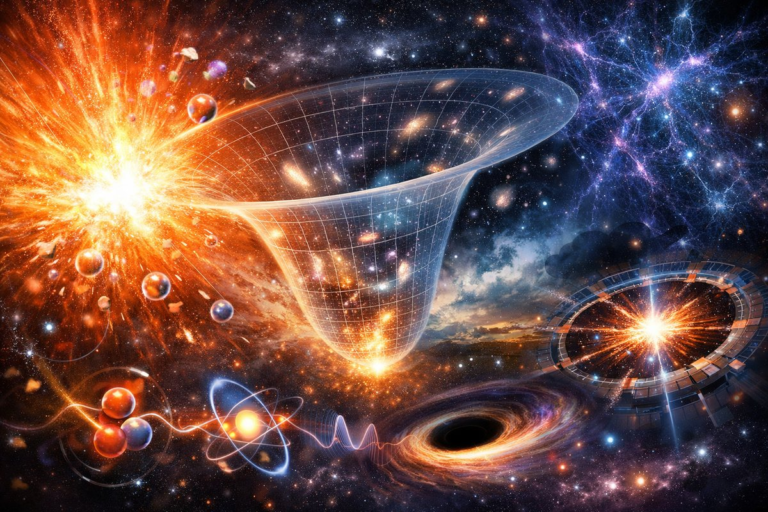
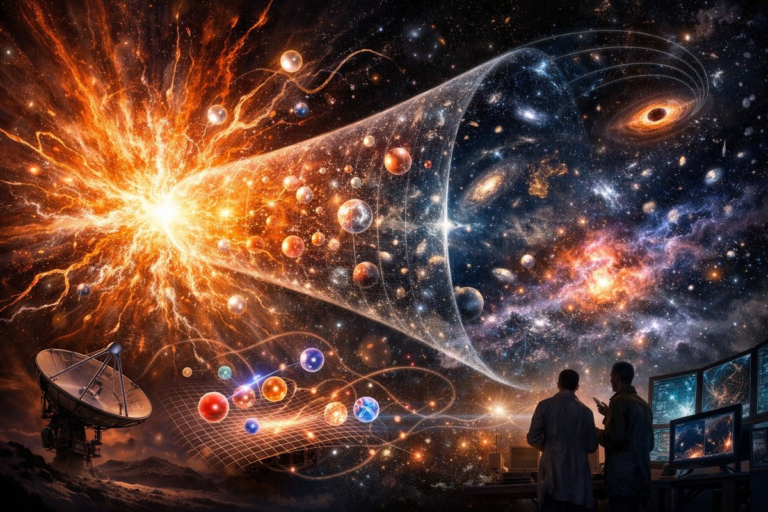
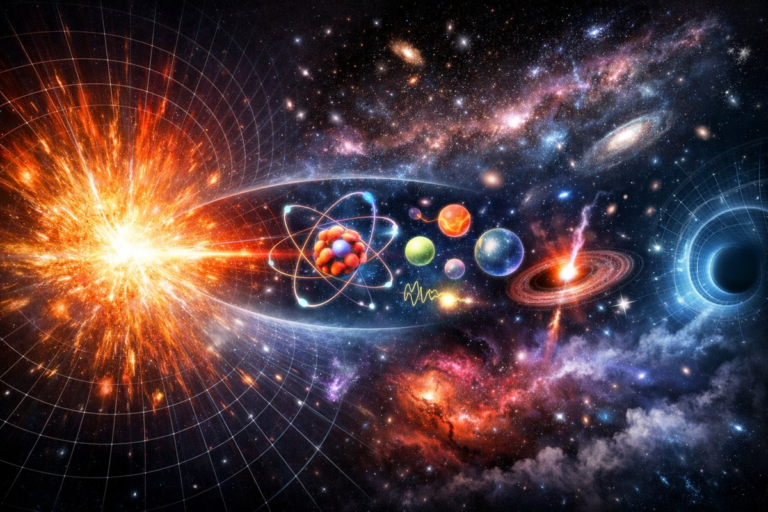
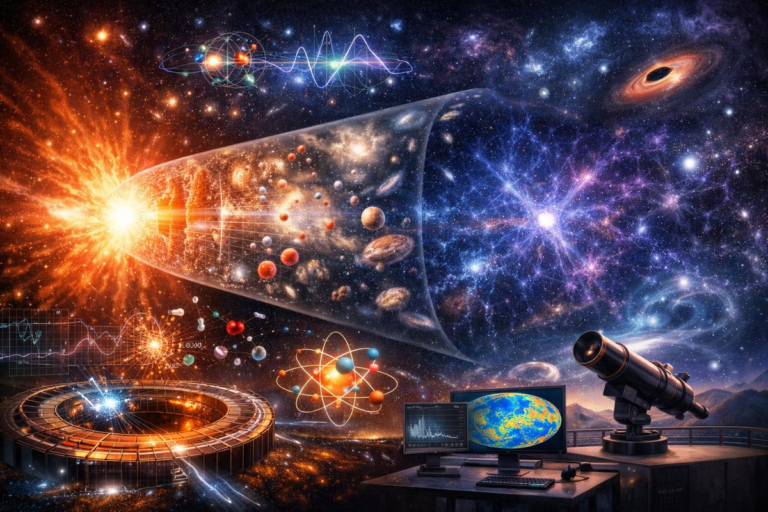
Modern cosmology continues to push the boundaries of our understanding of the universe's birth, delving into the subtle interplay of fundamental forces and particles that set the cosmic stage. Recent advances in observational technology and theoretical physics are revealing fresh perspectives on the universe's earliest moments, challenging long-held assumptions and inviting us to reimagine the genesis of everything.
The quest to understand the universe’s origin is as old as human curiosity itself. From ancient myths to modern science, the story of how everything began has evolved alongside our tools and theories. Today, this journey is propelled by an extraordinary synergy of cutting-edge observations and bold theoretical frameworks, bringing us closer than ever to glimpsing the dawn of time.
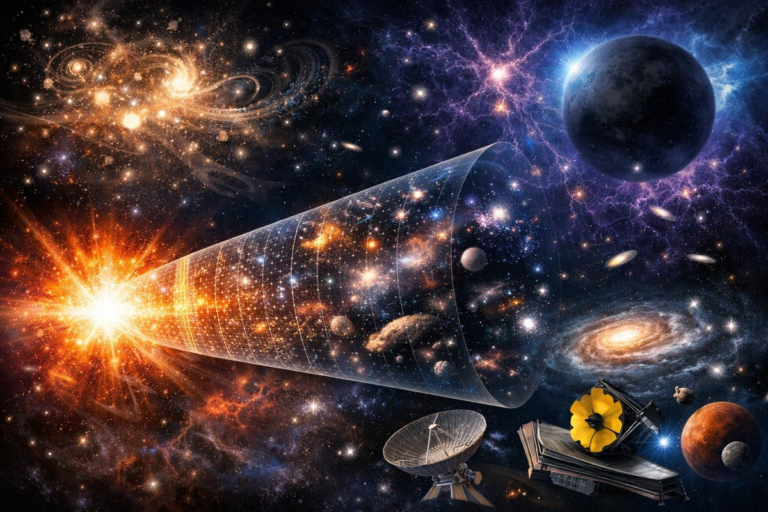
At the heart of this exploration lies the Big Bang theory, the prevailing model describing the universe’s explosive birth from an ultra-dense, hot state. Yet, despite its success in explaining cosmic expansion and the cosmic microwave background radiation, many mysteries remain. What triggered the Big Bang? What preceded it, if anything? And how did the fundamental forces and particles emerge from the primordial chaos?
Recent observational breakthroughs, such as the detection of gravitational waves and the mapping of the cosmic microwave background with unprecedented precision, have opened new windows into the universe’s infancy. Gravitational wave observatories have begun to capture faint ripples in spacetime that may carry signatures of phenomena occurring fractions of a second after the Big Bang. Meanwhile, space-based telescopes continue to refine our understanding of the universe’s large-scale structure, revealing subtle anisotropies that encode information about the conditions in the early cosmos.
Theoretical physicists are leveraging these data to test and refine models that extend beyond the classical Big Bang framework. Inflationary theory, which posits a brief period of exponential expansion in the universe’s first moments, remains a cornerstone concept. It elegantly explains the observed uniformity and flatness of the cosmos, but its underlying mechanisms and the nature of the inflaton field driving inflation are still subjects of active investigation.
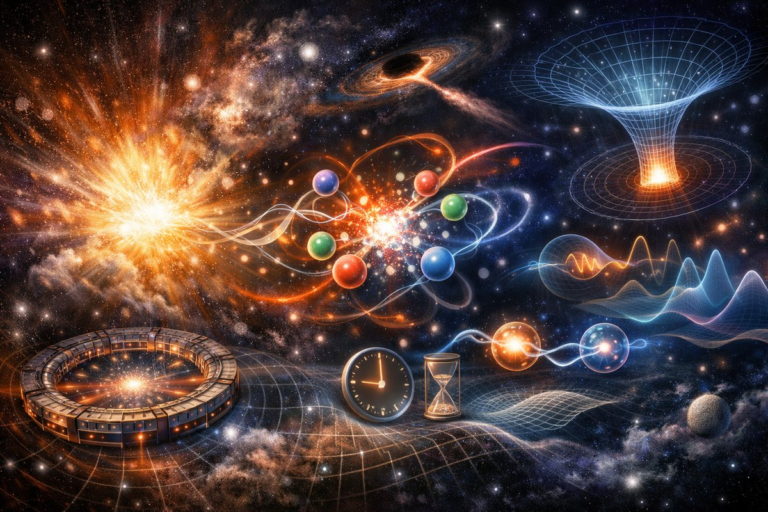
Another promising avenue involves exploring the quantum realm’s role in cosmic origins. Quantum cosmology attempts to reconcile general relativity with quantum mechanics, suggesting that the universe’s beginning may not be a singular event but rather a quantum transition. Ideas such as the multiverse hypothesis and the concept of a cosmic bounce challenge the traditional narrative, proposing that our universe might be one of many or that it cyclically contracts and expands.
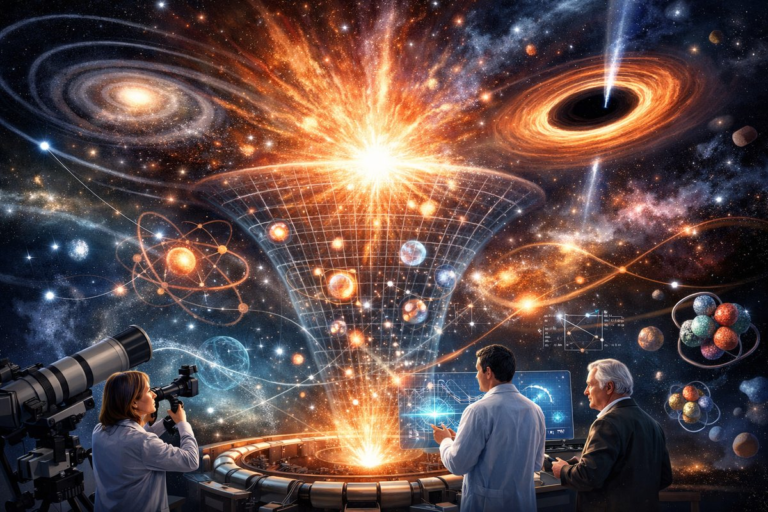
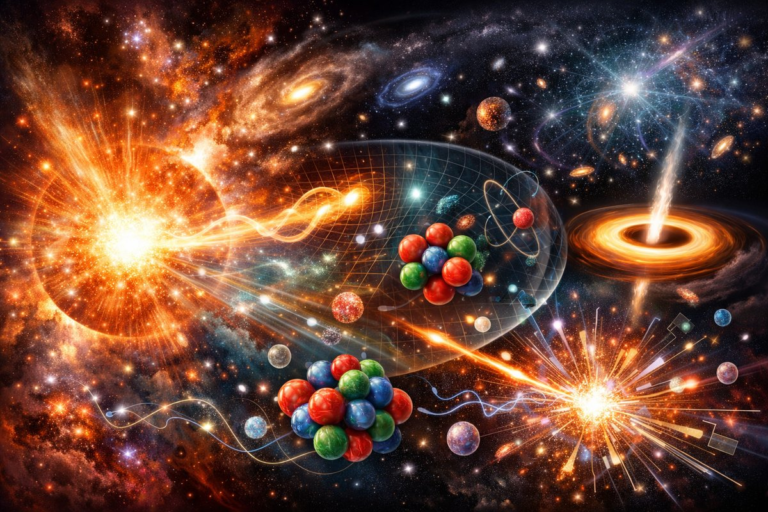
Particle physics experiments, particularly those conducted in high-energy accelerators, complement cosmological observations by recreating conditions akin to the early universe. These experiments probe the behavior of fundamental particles and forces at energies unreachable in natural settings today, offering clues about symmetry breaking events that shaped the universe’s evolution. Discoveries related to neutrino masses, dark matter candidates, and the elusive Higgs boson deepen our understanding of the particle zoo that emerged from the primordial soup.
Dark matter and dark energy remain among the most profound enigmas in cosmology. Together, they constitute approximately 95% of the universe’s total energy content, yet their nature is still largely unknown. Unraveling their properties is crucial for a complete picture of cosmic history and fate. New detection methods and observational campaigns aim to shed light on these invisible components, potentially revealing new physics beyond the Standard Model.
Philosophically, the pursuit of the universe’s origin invites reflection on the limits of human knowledge and the nature of existence itself. As we push the frontiers of science, we encounter paradoxes and questions that blur the line between physics and metaphysics. The interplay between empirical evidence and theoretical imagination fuels a dynamic dialogue, inspiring both awe and humility.
In the coming decades, next-generation observatories and particle colliders promise to deepen our insight. Projects such as advanced space telescopes, gravitational wave detectors with enhanced sensitivity, and underground laboratories for rare particle interactions will extend our cosmic horizon. These tools will help test competing models and potentially uncover new phenomena that reshape our understanding of the universe’s birth.
Ultimately, the journey to the beginning is not just a scientific endeavor but a profoundly human one. It connects us to the cosmos and to each other, reminding us of our shared origins and the vast unknown that still beckons. As we continue to unravel the forces, particles, and paradoxes that shaped everything we know, we also expand the realm of imagination, opening pathways to discoveries yet to come.