Location
Mount Vernon, WA 98274

Location
Mount Vernon, WA 98274
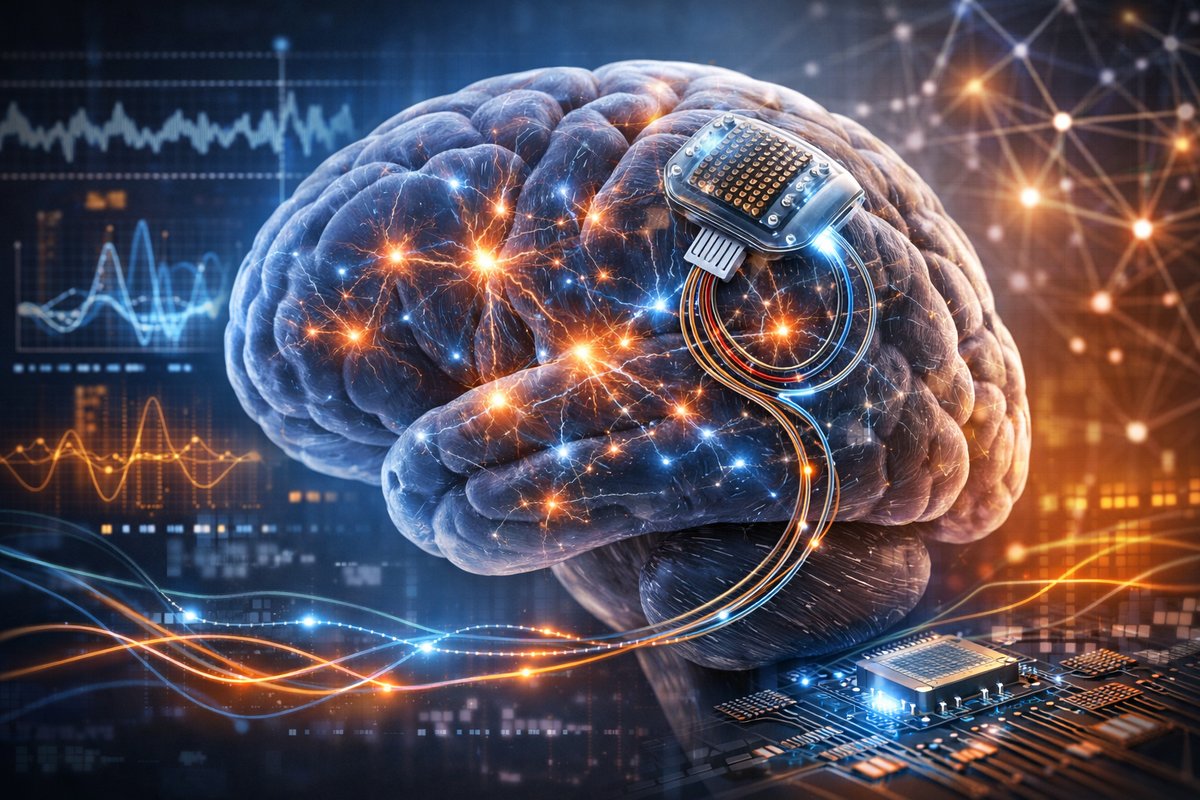
Recent breakthroughs in neural interface technology are transforming our understanding of the brain's complex electrical activity. By merging cutting-edge materials science with advanced signal processing, researchers are unraveling the brain's communication networks, paving the way for revolutionary applications in medicine and cognitive science.
The human brain, a labyrinth of billions of neurons firing in intricate patterns, remains one of science’s most profound mysteries. While traditional imaging techniques like MRI and EEG have illuminated aspects of brain function, they often lack the resolution or specificity to capture the nuanced electrical symphony occurring at the cellular level. Recent advances in neural interface technology are now bridging this gap, offering unprecedented insight into the brain’s electrical language and opening new avenues for diagnosis, therapy, and even human-machine integration.
At the heart of this revolution are ultra-thin, flexible electrode arrays crafted from novel biocompatible materials. Unlike rigid implants of the past, these flexible interfaces conform seamlessly to the brain’s convoluted surface, minimizing tissue damage and allowing for long-term monitoring. Some designs incorporate graphene and other two-dimensional materials, prized for their exceptional conductivity and transparency, enabling simultaneous electrical recording and optical imaging. This dual capability allows scientists to correlate electrical activity with cellular and molecular changes in real time, a feat previously unattainable.
One of the most striking innovations involves the integration of nanoscale transistors directly onto neural probes. These transistors amplify signals at the source, drastically reducing noise and enhancing the clarity of neural recordings. Such high-fidelity data capture is crucial for decoding complex neuronal codes that underlie cognition, emotion, and behavior. Researchers have already demonstrated the ability to detect subtle patterns associated with memory formation and sensory perception, insights that could transform treatments for neurological disorders.
Beyond basic research, neural interfaces are catalyzing breakthroughs in neuroprosthetics. By translating neural signals into digital commands, these devices enable paralyzed individuals to control robotic limbs or computer cursors with remarkable precision. Recent clinical trials have showcased patients regaining lost functions, such as grasping objects or communicating through thought alone. The refinement of wireless, implantable interfaces further enhances patient comfort and mobility, marking a significant leap toward fully integrated brain-computer systems.
Ethical considerations accompany these technological strides. The prospect of reading or even influencing thoughts raises profound questions about privacy, consent, and the nature of personal identity. Researchers and ethicists are actively engaging in dialogues to establish guidelines that safeguard individual autonomy while fostering innovation. Transparent data handling practices and inclusive policy frameworks are essential to ensure these powerful tools serve humanity equitably.
Moreover, the environmental footprint of producing advanced neural devices is gaining attention. Sustainable manufacturing processes and recyclable materials are being explored to align this cutting-edge field with broader ecological responsibility. This intersection of neuroscience, engineering, and environmental ethics exemplifies the multidisciplinary approach necessary for responsible scientific progress.
Looking ahead, the fusion of artificial intelligence with neural interfaces promises to accelerate discoveries. Machine learning algorithms can sift through vast neural datasets, identifying patterns beyond human perception and suggesting novel hypotheses. This synergy could unlock deeper understanding of consciousness, mental health, and brain plasticity.
The journey to decode the brain’s electric symphony is still unfolding, but the convergence of materials science, bioengineering, and computational power is illuminating pathways once thought unreachable. As we continue to map the mind’s intricate networks, these innovations hold the promise not only of healing and augmentation but also of expanding what it means to be human in an increasingly interconnected world.