Location
Mount Vernon, WA 98274

Location
Mount Vernon, WA 98274
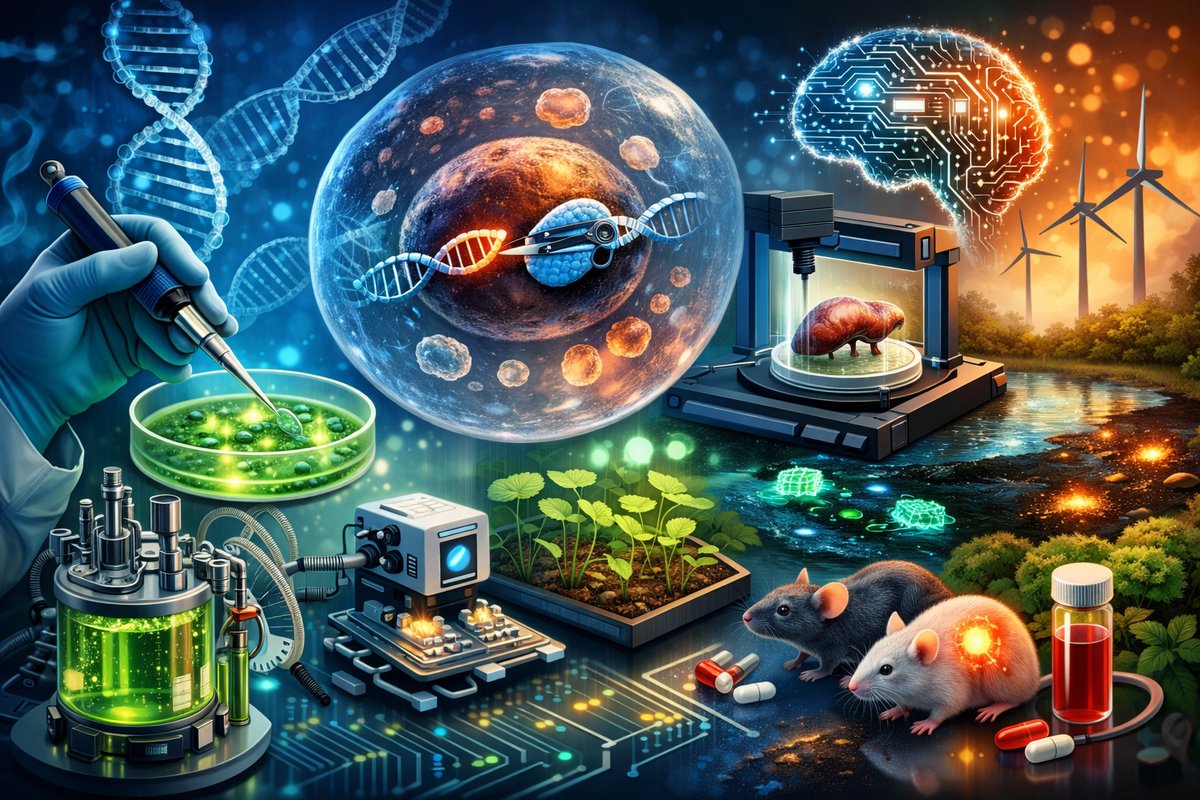
Synthetic biology is rapidly transforming our ability to design and engineer living systems, opening new horizons in medicine, environmental sustainability, and bio-manufacturing. This article explores the latest advances in gene editing, cellular engineering, and bio-computation that are reshaping how we interact with the fundamental building blocks of life.
In recent years, synthetic biology has emerged as a revolutionary frontier in science, blending biology, engineering, computer science, and chemistry to redesign organisms for useful purposes. Unlike traditional genetic modification, synthetic biology aims to construct entirely new biological parts, devices, and systems that do not exist in nature, or to reprogram existing biological systems with unprecedented precision. This expanding discipline is not only deepening our understanding of life’s complexity but also offering innovative solutions to pressing global challenges.
At the heart of synthetic biology lies the ability to manipulate DNA sequences with remarkable accuracy. Advances in gene editing technologies, particularly CRISPR-Cas systems, have democratized access to genome engineering, enabling researchers to insert, delete, or modify genes with high specificity. These tools have accelerated the design-build-test cycle, allowing for rapid prototyping of synthetic genetic circuits that can control cellular behavior in predictable ways.
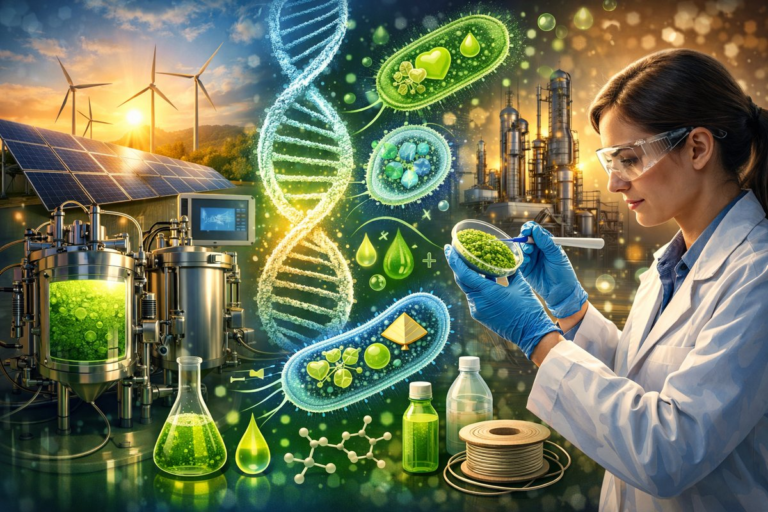
One exciting application is the engineering of microbial factories that produce pharmaceuticals, biofuels, and specialty chemicals sustainably. By programming bacteria or yeast with synthetic pathways, scientists can coax these microbes to manufacture complex molecules that traditionally require costly chemical synthesis. This approach reduces reliance on fossil fuels and hazardous reagents, aligning with sustainability goals and offering scalable production methods for vital compounds.
Moreover, synthetic biology is making significant strides in medicine. Engineered immune cells, such as CAR-T therapies, are being tailored to recognize and attack cancer cells more effectively. Beyond immunotherapy, synthetic circuits embedded in cells can serve as biosensors, detecting disease markers and releasing therapeutic agents on demand. This convergence of biology and engineering heralds a new era of personalized and responsive treatments.
Another fascinating frontier is the creation of minimal or synthetic cells-artificial constructs that mimic the essential functions of living cells. These systems serve as simplified models to study life’s origins and fundamental processes, while also acting as programmable platforms for biotechnological applications. Researchers are exploring how to design synthetic membranes, genetic codes, and metabolic networks from scratch, pushing the boundaries of what defines life.
However, with great power comes great responsibility. The rapid pace of synthetic biology raises important ethical, safety, and security considerations. Potential risks include unintended ecological impacts, biosecurity threats, and issues of equitable access. To address these concerns, interdisciplinary collaborations are fostering frameworks for responsible innovation, transparent governance, and public engagement. Emphasizing sustainability and social values is essential to harnessing synthetic biology’s benefits while minimizing harms.
Looking forward, the integration of artificial intelligence and machine learning with synthetic biology promises to accelerate discovery and design. Computational models can predict how genetic modifications will affect cellular behavior, optimize metabolic pathways, and even generate novel biological parts. This synergy could transform laboratories into bio-design studios, where living systems are crafted with the same creativity and precision as software or hardware.
In essence, synthetic biology invites us to rethink the fundamental relationship between humans and the living world. By decoding and rewriting the language of life, we gain tools to address health, environmental, and industrial challenges in ways previously unimaginable. As this field matures, it will be crucial to balance innovation with stewardship, ensuring that the synthetic biology revolution benefits all life on Earth.
For curious minds and lifelong learners, synthetic biology offers a playground of discovery where biology meets engineering and imagination meets reality. Whether you are fascinated by the molecular machinery inside cells or inspired by the possibility of designing new forms of life, this dynamic field promises to keep pushing the frontiers of science and technology.