Location
Mount Vernon, WA 98274

Location
Mount Vernon, WA 98274
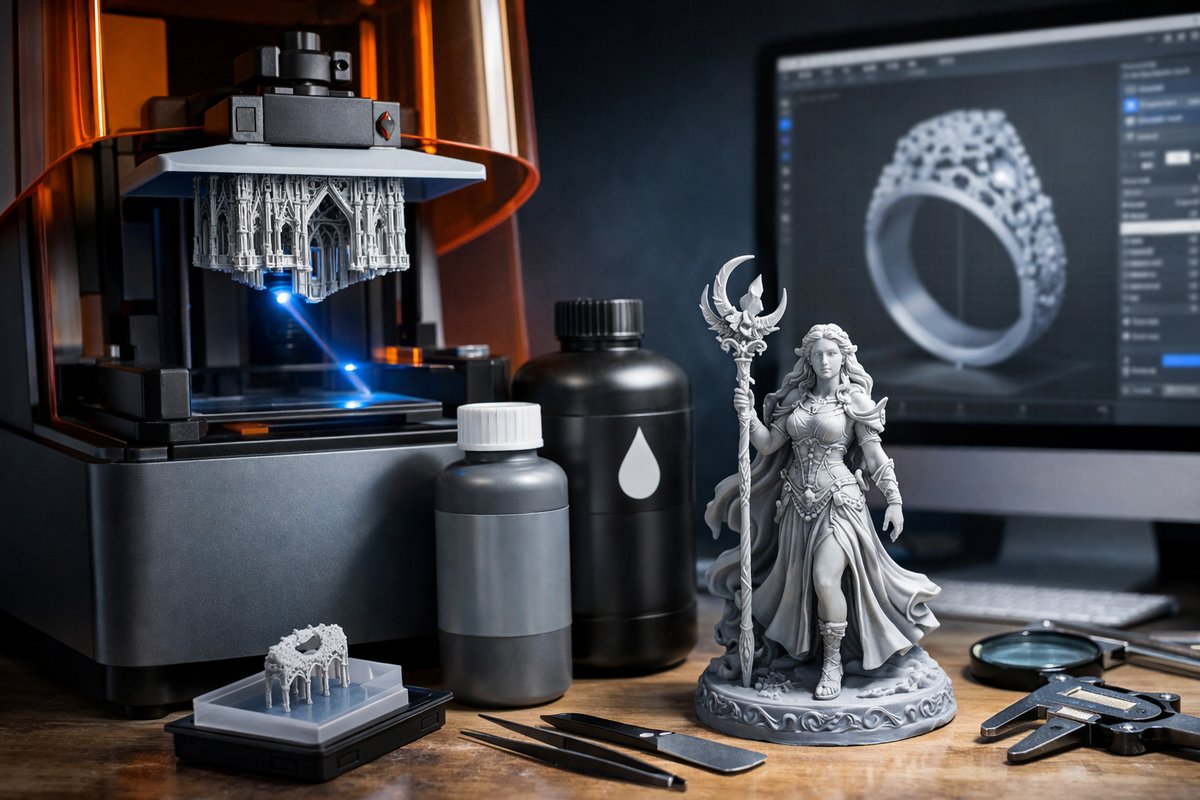
Resin-based stereolithography (SLA) 3D printing offers unparalleled detail and smooth finishes for makers and professionals alike. This guide explores the essentials of SLA technology, from choosing the right resin to optimizing print settings, empowering you to bring intricate designs to life with confidence and clarity.
Additive manufacturing continues to revolutionize how we design and create physical objects, and among its many techniques, resin-based stereolithography (SLA) stands out for its precision and surface quality. Unlike filament extrusion methods, SLA uses a light source to selectively cure liquid photopolymer resin layer by layer, enabling the production of highly detailed, smooth, and complex geometries that are difficult or impossible to achieve with other approaches.
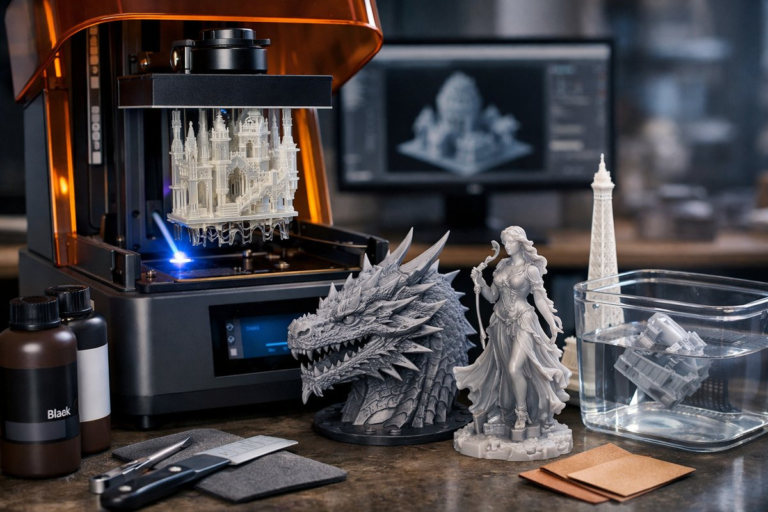
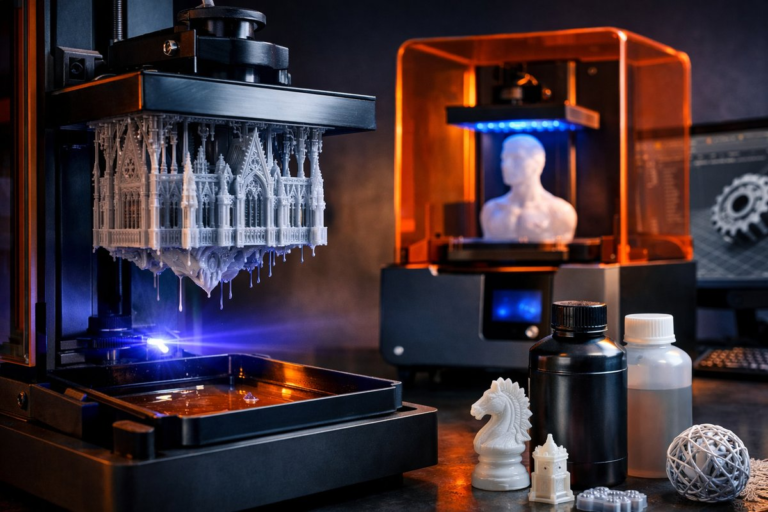
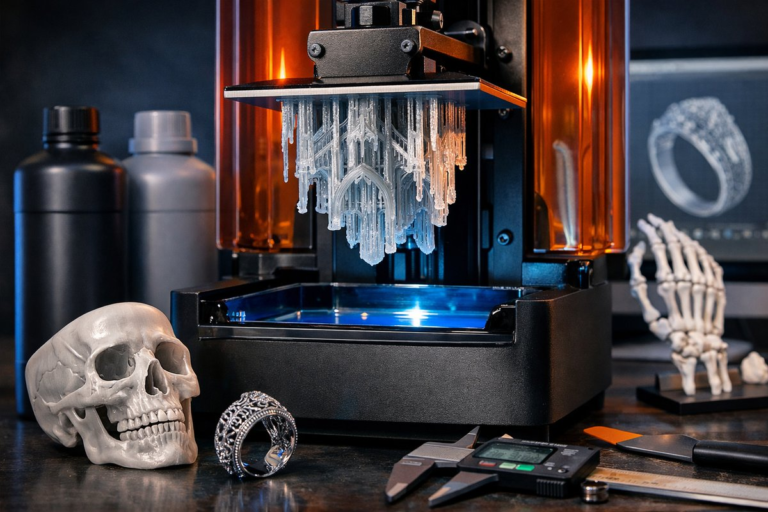
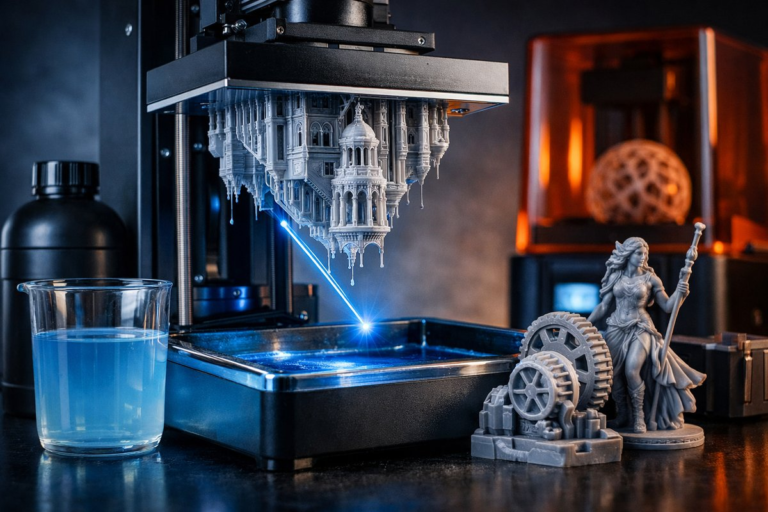
To get started with SLA printing, understanding the core components and materials involved is crucial. The heart of any SLA printer is the vat of liquid resin and the light source-typically a UV laser or a digital light processing (DLP) projector-that hardens the resin precisely where needed. This process results in parts with exceptional resolution, making SLA ideal for applications such as dental models, jewelry prototypes, miniatures, and intricate engineering parts.
Selecting the right resin is a foundational step. Resins come in a variety of formulations tailored to different needs: standard resins offer a good balance of detail and durability for general use; tough resins mimic the strength and flexibility of ABS plastic; flexible resins allow for bendable parts; and castable resins burn out cleanly for investment casting in jewelry and metalwork. When choosing a resin, consider your project’s functional requirements, desired finish, and post-processing workflow.
The printing process begins with preparing a 3D model in compatible slicing software, which slices the digital object into thin layers and generates the instructions for the printer’s light source. Proper orientation of the model is important to minimize support structures and reduce print time while ensuring surface quality. Supports are necessary to hold overhangs and delicate features in place during printing but should be designed thoughtfully to balance ease of removal and surface finish.
Once the print starts, the build platform gradually lifts the object out of the resin vat as each layer cures. This peeling action requires careful calibration of layer thickness, exposure time, and peel speed to prevent print failures such as layer separation or warping. Most SLA printers allow users to fine-tune these parameters based on the resin and model geometry.
After printing, the part must be rinsed in isopropyl alcohol or a specialized cleaning solution to remove uncured resin from the surface. This step is essential to achieve the characteristic smooth finish of SLA prints. Following cleaning, parts undergo post-curing under UV light to fully harden the resin and enhance mechanical properties. Many users employ dedicated curing stations that provide controlled UV exposure and sometimes heat to accelerate this process.
Safety and maintenance are important considerations. Resin handling requires gloves and good ventilation to avoid skin contact and inhalation of fumes. Proper disposal of resin waste and cleaning solvents aligns with sustainable practices and environmental responsibility. Regular maintenance of the printer’s vat, build platform, and light source ensures consistent print quality and prolongs equipment lifespan.
The versatility of SLA printing extends beyond prototyping. Its ability to produce fine details and smooth surfaces without extensive machining makes it invaluable in medical modeling, dental appliances, custom tooling, and artistic endeavors. With ongoing advancements in resin chemistry and printer technology, SLA is becoming more accessible and affordable for hobbyists and small businesses.
For those eager to explore SLA printing, starting with a reliable desktop SLA printer paired with a selection of high-quality resins offers a rewarding entry point. Experimenting with different resins and print settings unlocks creative possibilities and deepens understanding of this sophisticated additive manufacturing technique.
Embracing resin-based SLA printing invites a blend of technical skill and artistic expression, transforming digital dreams into tangible realities with remarkable fidelity. Whether crafting delicate jewelry, functional prototypes, or detailed miniatures, this technology empowers makers to push the boundaries of precision and design.