Location
Mount Vernon, WA 98274

Location
Mount Vernon, WA 98274

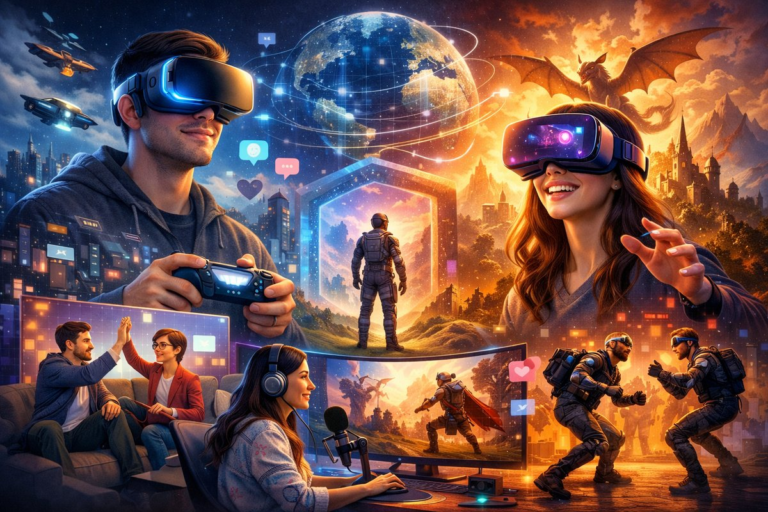
A fresh wave of gaming innovation is transforming how players connect, compete, and explore immersive worlds. From AI-powered solo adventures to the resurgence of local VR arcades and eco-conscious setups, discover the trends redefining play as community and creativity.
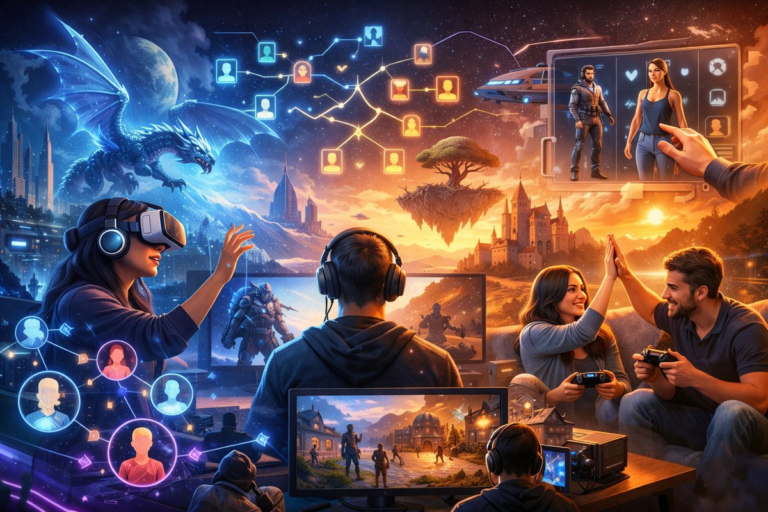
Gaming has always been more than just pressing buttons on a controller-it’s a gateway to new worlds and friendships waiting to happen. Over the last year, developers and venue operators have been quietly rewriting the rulebook, harnessing advances in artificial intelligence, virtual reality arcades and sustainable hardware designs to forge experiences that feel both cutting-edge and deeply social. Long gone are the days when console play was confined to living rooms and solitary sessions. Today’s gamers are finding community in hyper-real simulators, cheering each other on at neighborhood pop-ups and even customizing their rigs with repurposed materials to reduce their environmental footprint.
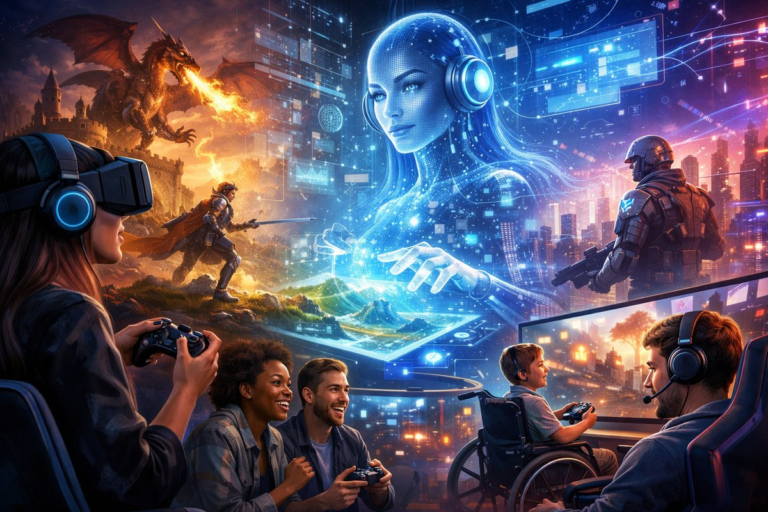
At the heart of this shift lies AI-driven storytelling. Several studios have rolled out dynamic non-player characters that learn from player choices and respond with genuine emotional nuance. Where traditional titles relied on scripted dialogue trees, new engines analyze player behavior in real time-adjusting NPC motivations, dialogue tone and even mission objectives. In one recent open-world title, test participants reported that an AI companion remembered past interactions and suggested side quests relevant to their playstyle. This level of personalization means solo play can feel as unpredictable and social as a multiplayer raid.
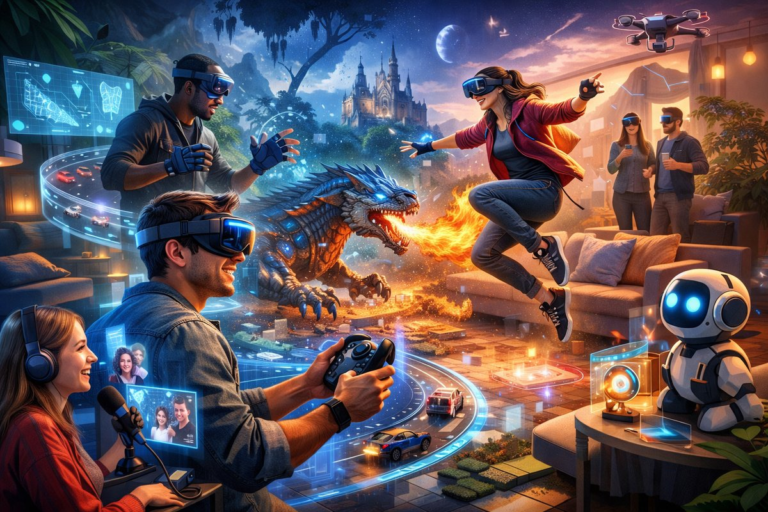
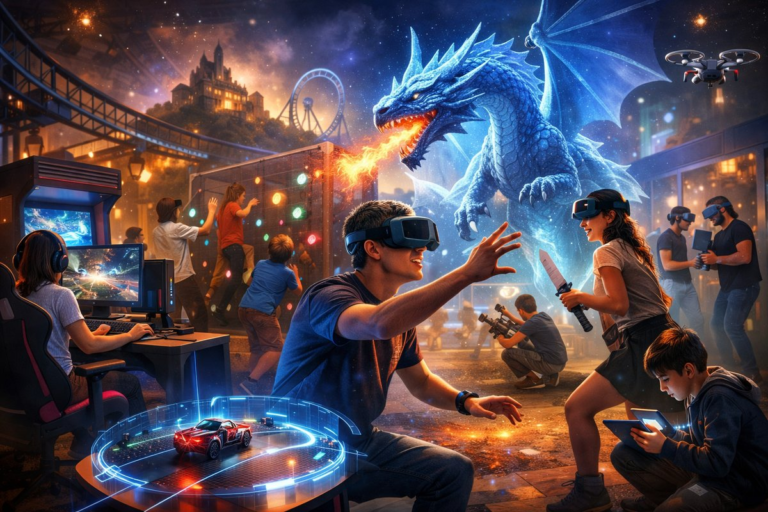
Meanwhile, a renaissance is underway for VR arcades worldwide. Independent operators and established entertainment chains have opened dozens of arena-style venues in major cities, offering hyper-reality experiences that blend motion tracking, haptic feedback and projection mapping. One European operator expanded to 50 new sites last quarter, drawing long lines of gamers eager to sample full-body combat simulations and cooperative puzzle rooms. These locations remove the barrier of expensive headsets and powerful PCs, allowing groups of friends to step into virtual worlds together without investing in high-end hardware. Walk-up sessions, party packages and pop-up events at music festivals have created a renewed buzz around in-person play.
Back at home, modular setups are gaining traction among hobbyists who crave flexibility. Stackable media shelves and adjustable monitor arms let players switch between racing rigs, flight simulators and retro arcade cabinets in minutes. Makers have begun crafting console stands from reclaimed wood and recycled metal, pairing durable eco-friendly materials with sleek finishes. DIY communities online share blueprints for snap-together desk platforms that accommodate multiple displays, ambient lighting modules and charging docks for controllers. These adaptable solutions cater to limited spaces, dorm rooms and urban apartments-anywhere gamers need to transform a corner into a full-blown battlestation by day and a work desk by night.
Streaming and home tournaments have also evolved beyond basic webcam broadcasts. Rising numbers of amateur leagues host week-long events from basement stages, complete with custom overlays, live commentary and on-site prizes. To fuel this growth, content creators are investing in professional-grade capture cards that record in stunning 4K HDR, while compact external microphones ensure voice chat and shout-casting remain crystal clear. Mechanical keyboards with hot-swappable switches, programmable macro keys and tactile feedback are now a staple on every aspiring streamer’s desk. Paired with wireless earbuds that offer low-latency game-chat audio, these tools let players present polished productions without renting studio space.
Environmental concerns have found their way into the gaming world as well. Energy-monitoring apps now track power consumption of PCs and consoles during play sessions, prompting users to switch to low-power modes or schedule automatic shutdowns after idle periods. Refurbishment startups collect old graphics cards and motherboards, testing components and offering warranty-backed rebuilds at a fraction of the cost of new parts. A subset of builders has even developed case mods using bamboo panels, plant-based resins and recycled aluminum. These sustainable designs are showcased at tech expos alongside solar-powered charging stations and modular battery packs, inspiring gamers to think green without sacrificing performance.
Augmented reality is also bridging the gap between on-site and at-home play. Mobile AR co-op games let local meetup groups scatter digital artifacts in public parks, while a companion app on smartphone or tablet tracks each participant’s progress and awards digital badges. Collaborations with city festivals have seen AR scavenger hunts that unlock VIP passes or exclusive in-game cosmetics when players scan real-world markers. By layering virtual content onto familiar streetscapes, these interactive campaigns turn entire neighborhoods into game boards and spark spontaneous community gatherings.
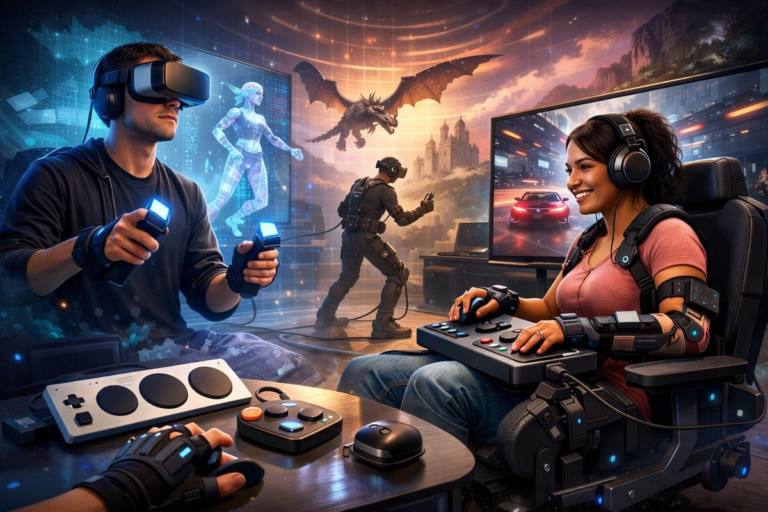
Pop-up gaming festivals have become the latest cultural phenomenon. Volunteers, local businesses and indie developers collaborate to repurpose warehouses, coffee shops and even abandoned malls into daylong play zones. Attendees sample upcoming titles on demo kiosks, compete in mini-tournaments and share tips on hardware modifications. Food trucks, craft breweries and vinyl record stalls add to the carnival atmosphere. Organizers often work with community centers to offer discounted tickets for students and low-income families, ensuring that gaming remains inclusive and accessible.
Behind the scenes, software tools are emerging that streamline all these experiences. Cloud-based session managers let VR arcade operators schedule bookings, sync player profiles and roll out new maps remotely. Live event planners rely on integrated check-in apps that verify tickets, distribute digital swag and collect feedback via QR codes. Open-source APIs enable indie devs to plug their AI modules and AR assets into larger platforms, accelerating launch timelines and lowering development costs. Together, these building blocks are fostering an ecosystem where creativity and community thrive hand in hand.
As we look ahead, the boundaries between solo and social, virtual and physical continue to blur. Haptic suits in development promise full-body immersion, while early prototypes of brain-computer interfaces tease the possibility of thought-driven gameplay. Whether seasoned veterans or newcomers, players are discovering that modern gaming is less about scrolling through shop menus and more about forging genuine connections-both with fictional worlds and with one another. The next level of play won’t be confined to a screen; it will unfold wherever curiosity, creativity and collaboration converge.