Location
Mount Vernon, WA 98274

Location
Mount Vernon, WA 98274
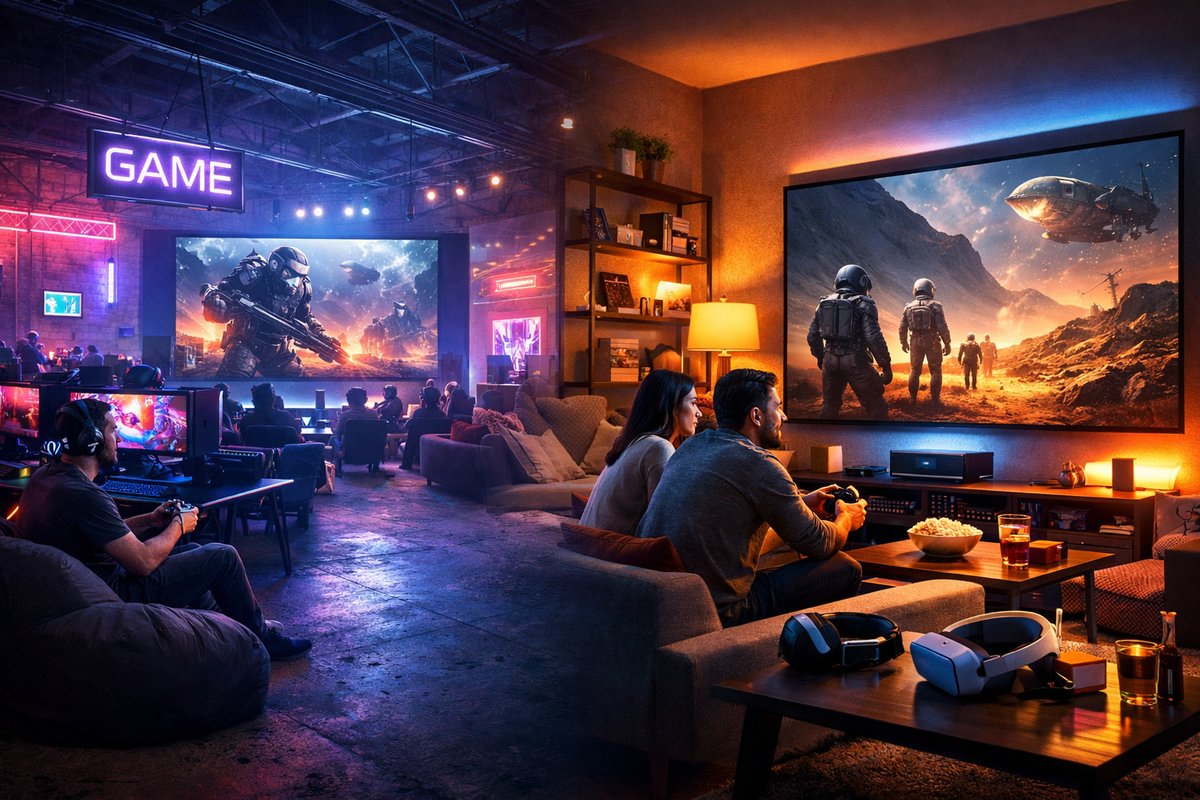
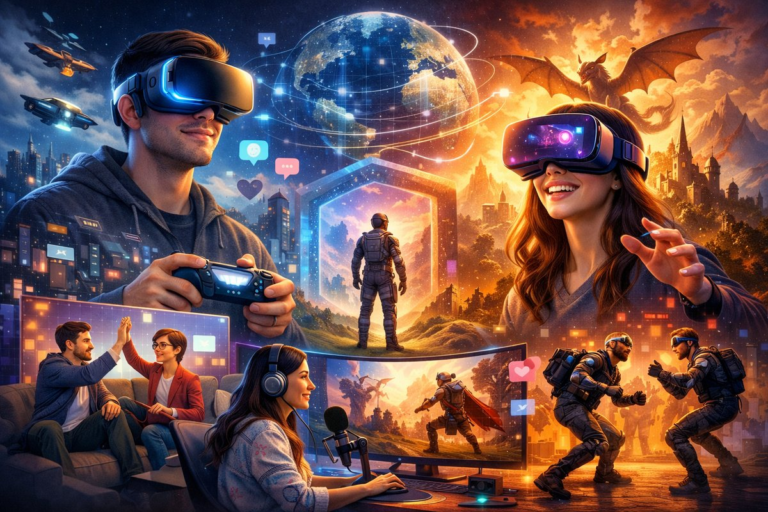
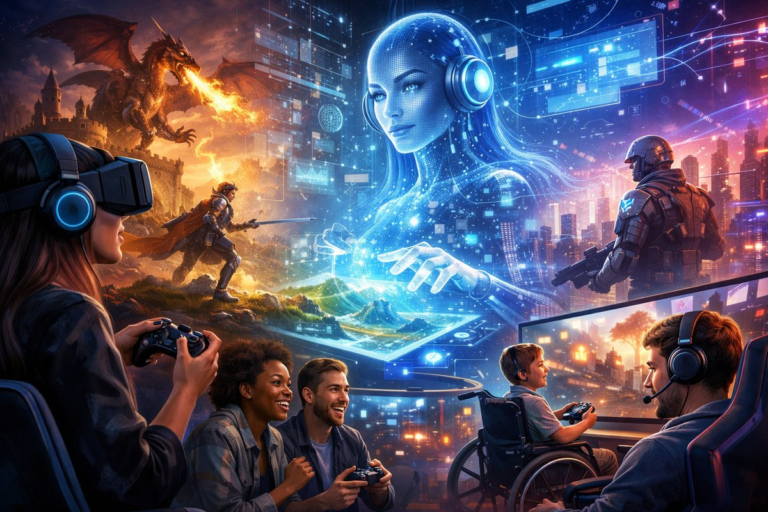
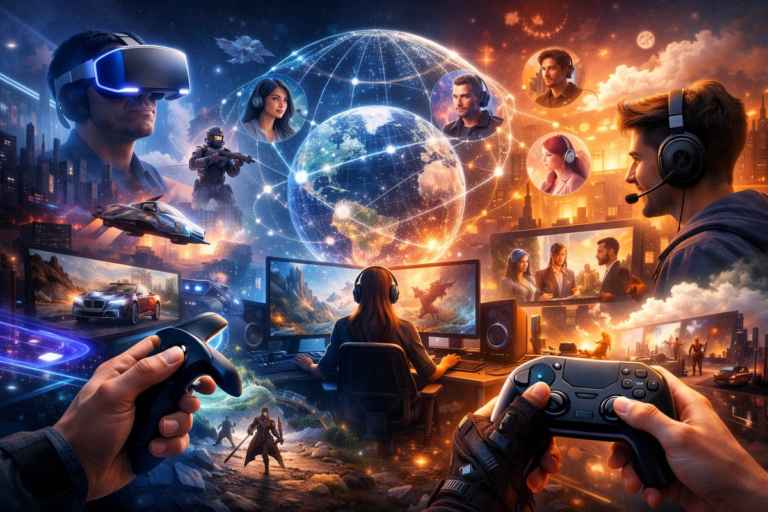
A wave of hybrid venues and home setups is blurring the lines between interactive play and cinematic spectacle. From pop-up gaming lounges in reclaimed warehouses to living rooms transformed with modular gear and ambient lighting, today's entertainment scene is evolving into an immersive, communal experience that celebrates both pixel-perfect gameplay and big-screen storytelling.
City blocks once lined with movie theaters are now hosting pop-up gaming lounges where high-performance PCs stand shoulder-to-shoulder with surround-sound screening rooms. These hybrid entertainment hubs marry the adrenaline rush of a multiplayer raid with the shared awe of a blockbuster premiere. In reclaimed warehouses, cafés and bars, enthusiasts queue not just for craft beverages but for time-limited access to themed game pods and short-run film screenings. One night you might dive into a speedrun tournament of the latest open-world RPG, and the next you’ll catch an exclusive screening of a cult sci-fi art film, complete with live commentary from indie developers.
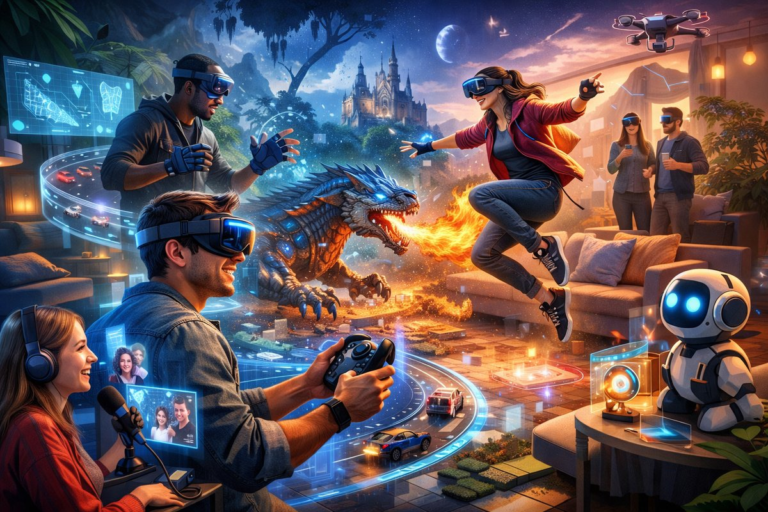
This convergence isn’t limited to public spaces. Savvy hobbyists are reimagining their own homes as modular entertainment ecosystems. Desks that once hosted a single console now support multi-platform rigs. LED ambient light strips sync with on-screen action, bathing walls in color shifts that match every spell cast or car drifting through rain-soaked streets. High-refresh-rate monitors and fold-away seating modules let hosts fluidly switch between a tournament bracket one hour and a curated movie marathon the next. The result feels less like toggling between applications and more like stepping into a shifting digital playground.
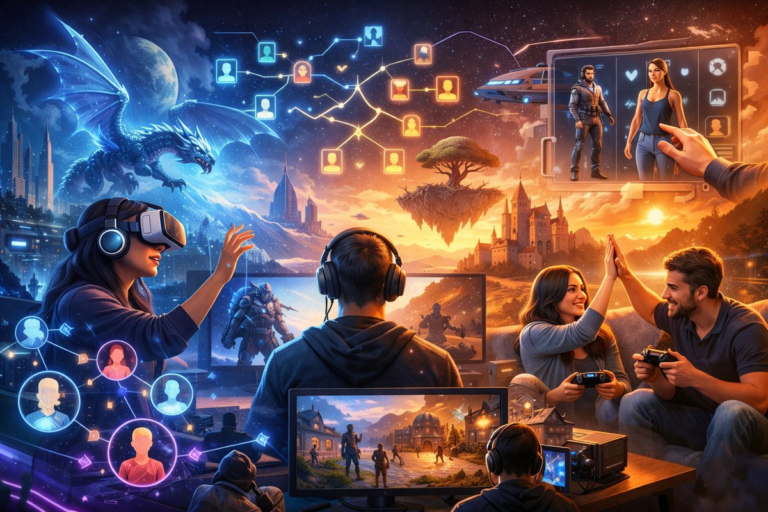
Central to these setups is a sense of narrative flow. Rather than isolating a gaming session from a film night, enthusiasts are weaving them together. Before a horror-themed screening, players might band together in a cooperative survival game set in the same haunted mill featured in the movie. After credits roll, they can linger in a discord channel to compare strategies or debate plot twists. It’s a new form of communal storytelling, one that invites participants to shape the experience in real time.
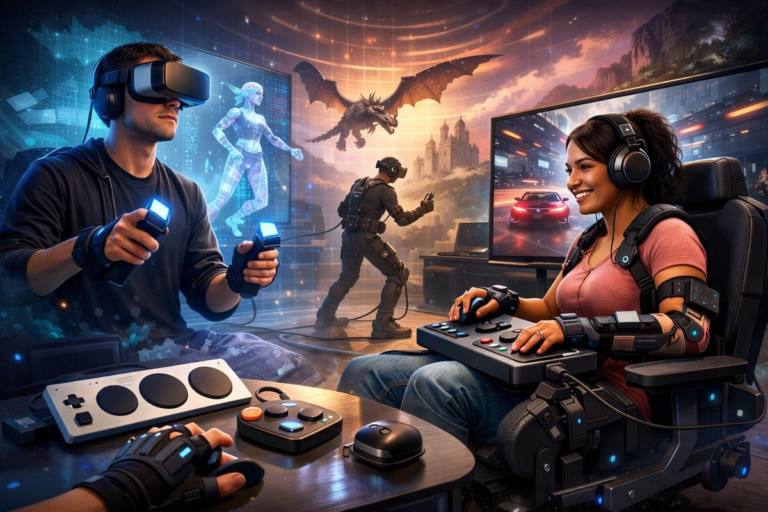
Technology enablers are as varied as the venues themselves. Cutting-edge VR headsets now offer inside-out tracking and spatial audio that make a virtual castle feel as vast as a real one. Cloud streaming handheld consoles tap into data centers halfway around the world, letting players pop into high-end PC titles without lugging a desktop tower. Modular mechanical keyboards with programmable macro layers give speedrunners the edge, while drop-in audio mixers allow aspiring podcasters to capture crowd reactions when they broadcast live events. Even acoustic wall panels have found their place, dampening echo in basement theaters and optimizing dialogue clarity during late-night game streams.
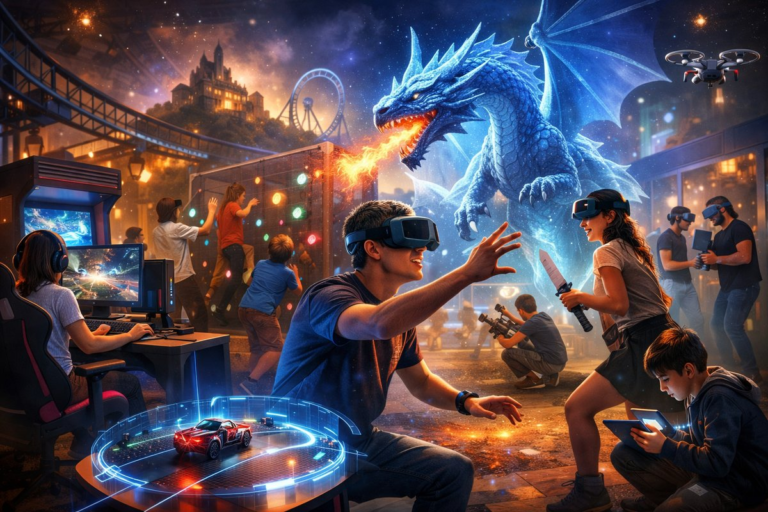
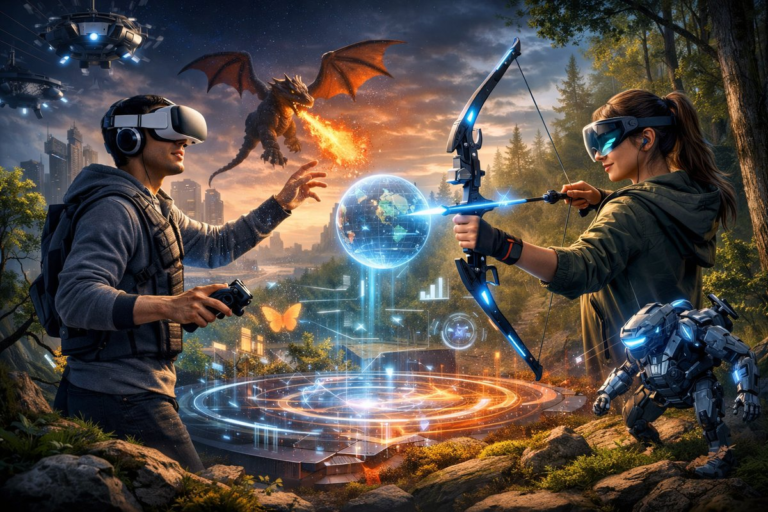
But gear is only part of the story. The rising demand for pop-up hubs has also created new opportunities for local creators. Independent filmmakers collaborate with level designers to craft site-specific experiences, where guests move from a 4K projection area straight into a VR module that extends the narrative. A sci-fi short might begin on screen, then whisk viewers into a zero-gravity simulator for a final trial. Players emerge sweaty and breathless, having stepped from one immersive realm into another.
Meanwhile, brands are experimenting with limited-edition content drops. A retro console might revive a long-forgotten cartridge exclusive for one weekend, or a fan-made audio drama could debut alongside an augmented-reality scavenger hunt in a downtown plaza. These timed events cultivate urgency and community, as attendees share clips on social media or compare hidden quest solutions in neighborhood forums.
At home, the trend is taking on a more polished look. Streaming devices now support multi-source inputs, so hosts can picture-in-picture live gameplay during movie intermissions. Automated lighting rigs can be programmed with scene profiles-one for an action thriller, another for neon-drenched cyberpunk hockey, and yet another for nostalgic 8-bit platformers. High-fidelity wireless audio transmitters reduce latency so that gunfire and orchestral swells hit at the same moment, whether players are aiming or popcorn-munchers are settling in.
Of course, not every enthusiast has the budget for a full warehouse takeover or a European broadband line. That’s where sustainability and privacy concerns enter the conversation. Solar-powered kiosks and battery-backed streaming sticks reduce energy footprints during local tournaments, while next-generation networking gear uses end-to-end encryption to keep group chats and gameplay logs secure. Modular setups built from recycled materials prove that immersive doesn’t have to mean wasteful.
Looking ahead, the most exciting frontier lies in adaptive storytelling. Imagine an indie film that responds to in-venue gameplay metrics-boosting soundtrack intensity if players clear a boss quickly, or unlocking secret scenes when a multiplayer squad cooperates flawlessly. Or picture an at-home system that queues up a post-movie retro game based on audience sentiment analysis. These dynamic feedback loops transform passive viewers into active participants, making every session a custom-tailored journey.
For now, hybrid entertainment hubs and next-level home theaters are cementing a new norm: play is serious business, and every device, every light strip, every speaker matters. They remind us that gaming and cinema share a fundamental impulse-to transport us somewhere else, together. Whether you’re sprinting through a digital wasteland or holding your breath as end credits roll, the boundary between controller and couch is disappearing. The future of fun lies not in isolated experiences but in the seamless integration of sight, sound, and story.